

Hurricanes can leave homes and businesses with extensive property damage, making the recovery process both stressful and financially challenging. Tropical cyclones have caused more property damage than any other type of billion-dollar weather disaster in the United States, with losses exceeding $1.5 trillion (adjusted for inflation) since 1980. From documenting damage to dealing with insurance companies, the aftermath can be overwhelming.
If your home or business has been damaged by a hurricane, knowing what to do after a hurricane can help protect your insurance claim and your financial recovery. After the storm has passed and local authorities confirm it is safe to return, the actions you take can significantly affect how your insurance company evaluates your claim. From documenting structural damage and reviewing your policy to understanding your rights as a policyholder, each step can help protect your insurance claim and support your rebuilding efforts.
This guide explains what to do after a hurricane to help protect your insurance claim and support your recovery. You’ll learn how to document damage, work with insurance adjusters, and avoid common claim mistakes. It also covers policyholder rights in Louisiana and Texas, FEMA and flood insurance considerations, and when legal guidance from a property damage attorney may be appropriate.
Hurricane Insurance Policy Checklist: What to Review Before and After You File

One of the most important parts of knowing what to do after a hurricane is reviewing and understanding your insurance policy before you file or respond to a claim decision. Use this checklist to understand your coverage, identify potential limitations, and avoid unexpected issues during the claims process:
- Coverage Limits and Exclusions: Review your policy carefully to understand the coverage limits for your home, personal belongings, and other structures. Many standard homeowners insurance policies cover wind damage but may exclude flooding. If you live in a flood-prone area, you’ll need separate flood insurance through programs like the National Flood Insurance Program (NFIP).
- Deductibles: Hurricanes often have higher deductibles for wind or storm damage. Check whether your policy includes a hurricane deductible, which may be higher than your standard deductible.
- Claim Deadlines: Insurance companies usually have time limits for reporting and filing claims after a hurricane. Missing these deadlines could affect your ability to recover damages available under your policy.
- Temporary Living Expenses: If your home is uninhabitable, many policies cover Additional Living Expenses (ALE), such as hotel stays, meals, and other necessary temporary housing costs. Be sure to keep receipts and records for all eligible expenses.
- Replacement Cost vs. Actual Cash Value: Find out whether your policy pays replacement cost or Actual Cash Value (ACV) for damaged property. Replacement cost generally covers the cost to repair or replace covered property without deducting depreciation, while ACV typically factors in depreciation, which can reduce your claim payment.
- Ordinance or Law Coverage: If local building codes require repairs or rebuilding beyond restoring your property to its previous condition, ordinance or law coverage may help pay for those additional costs. Review your policy to understand whether this coverage is included and any applicable limits.
Understanding these policy provisions before you move forward with your claim can help you make informed decisions and reduce surprises during the claims process. If you have questions about your policy or encounter challenges with your insurer, a property damage attorney can help you understand your rights and legal options.
Step 1: Assess and Document Hurricane Damage for Your Insurance Claim
After the storm has passed and it is safe to return to your property, thoroughly documenting the damage is one of the most important requirements for supporting your insurance claim. Before beginning any repairs or cleanup efforts, take the time to document the condition of your home, business, or any other property that has been affected by the hurricane.
Photograph and Video the Damage

Use your smartphone or a camera to take detailed photographs and videos of every aspect of the damage. This includes the interior and exterior of buildings, any destroyed or damaged personal belongings, landscaping, and surrounding areas. The more thorough your documentation, the stronger your claim will be.
Make sure to capture:
- Structural damage to your home or business
- Roof damage, including missing shingles or leaks
- Broken windows and doors
- Water damage to floors, walls, and ceilings
- Damaged personal items, such as furniture, electronics, and appliances
- Damaged vehicles or machinery
- Flooding or standing water around the property
- Photographs of your roof from multiple angles (if it is safe to do so)
If you have pre-storm photos or inspection records, keep them with your claim documentation to establish a clear before-and-after comparison.
Keep Records of Expenses
As you begin to make temporary repairs or find alternate living arrangements, keep detailed records of all expenses. This includes receipts for materials used in emergency repairs, hotel bills, rental costs, food expenses, and any other costs related to the damage caused by the hurricane. These records will be necessary for your insurance claim and any potential legal action.
If your policy includes ALE coverage, these records can also help support reimbursement for reasonable temporary housing and other covered living costs while your property is being repaired.
Review Your Insurance Policy
Before contacting your insurance company, take the time to review your homeowners or business insurance policy. Understand the coverage limits, deductibles, and any exclusions that may apply. For example, standard homeowners insurance policies may not cover flood damage, so you may need to file a separate claim if you have flood insurance.
Pay close attention to your hurricane deductible, which often differs from your standard deductible and may affect how much you pay out of pocket before coverage applies.
Also, review whether your policy includes an anti-concurrent causation clause. This provision may affect coverage when both covered and excluded events, such as wind and flooding, contribute to the same loss.
Contact Your Insurance Company
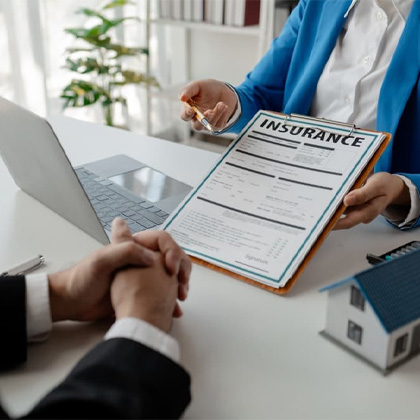
Notify your insurance company as soon as possible after the hurricane to initiate the claims process. Most insurance companies have 24-hour hotlines for reporting claims. Provide them with a detailed description of the damage, and let them know you will send photos, videos, and other documentation. Remember, the sooner you file your claim, the quicker the recovery process can begin.
When you report the claim, ask your insurer to provide your claim number in writing and keep it with your claim records. You will need it for future communications and supporting documents.
File an Insurance Claim Promptly
Once the damage has been documented, it’s time to file a claim with your insurance provider. Many property owners are unaware of strict time limits for filing claims, and failing to meet these deadlines can jeopardize your ability to recover compensation.
In both Louisiana and Texas, your insurance policy may require you to notify your insurer promptly after a loss. Some policies may specify reporting deadlines, often within 60 to 90 days after a hurricane loss. These policy requirements may be stricter than state law, so review your policy carefully and submit your claim as soon as possible to help safeguard your interests.
Step 2: How to Deal with Insurance Adjusters After Hurricane Damage
After filing your claim, an insurance adjuster will likely be assigned to assess the damage to your property. The adjuster’s job is to evaluate the extent of the damage and determine the amount the insurer will offer for your claim. It’s important to remember that insurance adjusters work for the insurance company, not for you. They may interpret policy terms or estimate damage differently than you expect. Do not feel pressured to accept the first settlement offer before you fully understand the scope of your damage.
The Difference Between a Staff Adjuster, Independent Adjuster, and Public Adjuster
Understanding who is inspecting your property can help you better navigate the claims process.
- Staff Adjuster: A staff adjuster is an employee of your insurance carrier who investigates and evaluates claims on the insurer’s behalf.
- Independent Adjuster: An independent adjuster is a third-party professional hired by the insurer to inspect damage and assess claims. Although they are not direct employees, they still represent the insurer.
- Public Adjuster: A public adjuster is hired by a policyholder to evaluate property damage and assist with the insurance claim. Unlike staff and independent adjusters, they represent the policyholder rather than the insurance company.
What to Do During the Adjuster Inspection
A thorough inspection can help create a more complete record of your loss. Consider these best practices during the visit:
- Be present during the inspection, if possible, to answer questions and point out all visible damage.
- Share photographs, videos, receipts, and any other documentation you’ve collected.
- Point out damage that may not be immediately visible, such as roof leaks or water intrusion.
- Take notes about what the adjuster inspects and ask questions if you need clarification.
- Request a copy of the adjuster’s report if it is available through your insurer.
You can also ask the adjuster to explain anything you don’t understand for clarity.
Step 3: Common Insurance Claim Pitfalls After a Hurricane (and How to Avoid Them)
After a hurricane, many property owners find themselves frustrated with the insurance claims process. Unfortunately, insurance companies often employ tactics to delay, underpay, or even deny valid claims. Understanding these common pitfalls can help you avoid falling into traps that can limit your financial recovery.
Lowball Settlements
Insurance companies may offer a quick settlement far lower than the actual cost of repairs and replacement. While it may be tempting to accept an offer right away, doing so can leave you with insufficient funds to fully restore your property. Before agreeing to a settlement, it’s essential to have your damages properly assessed by qualified contractors or other appropriate professionals.
If a settlement offer seems too low, consider obtaining at least two independent contractor estimates before responding. Comparing multiple repair estimates can help you better understand the scope and cost of the damage.
Denials and Delays
In some cases, insurance companies may delay the claims process by requesting excessive documentation, scheduling multiple inspections, or citing reasons to deny coverage. If you believe your claim is being unfairly delayed or denied, you have the right to challenge the insurer’s decision. This is where a property damage attorney can be invaluable in negotiating with the insurance company and, if necessary, filing a lawsuit on your behalf.
Louisiana and Texas both have laws that govern how insurers handle claims, including La. R.S. 22:1892 and Texas Insurance Code Chapter 542A. These laws establish important standards for claim handling, although the specific requirements depend on the circumstances of each claim.
Unfamiliar Policy Language
Insurance policies are often filled with legal jargon and confusing terms, making it difficult for property owners to understand what they are entitled to. If you are unsure of your rights under your policy or feel overwhelmed by the claims process, consulting with a property damage attorney can help clarify your coverage and ensure you understand your available legal options.
Step 4: Know Your Legal Rights as a Policyholder
As a Louisiana or Texas homeowner, you have specific legal protections that govern how your insurer must handle your hurricane damage claim. Insurance companies have a legal duty to investigate covered claims fairly, communicate with policyholders, and process claims in accordance with applicable laws and policy terms. Understanding these protections can help you recognize potential issues and make informed decisions throughout the claims process.
The Insurer’s Duty of Good Faith and Fair Dealing
Insurance companies are required to handle claims in good faith, meaning they must investigate and evaluate claims fairly and without undue delay. If an insurance carrier acts in bad faith by delaying or denying your claim without a valid reason, you may have grounds to pursue legal remedies. A property damage lawyer can help evaluate your situation and hold the insurance company accountable.
The Right to Appeal a Denied Claim
If your insurance provider denies your claim, you have the right to appeal the decision. The appeals process can be complex, and you may need to provide additional documentation or expert testimony to support your claim. A property damage attorney can guide you through the appeals process and help protect your rights.
Many insurance policies also include an appraisal clause. When the amount of loss is disputed, but coverage is not, this process allows independent appraisers and a neutral umpire to determine the value of the damage without immediately resorting to litigation.
Statute of Limitations
It’s essential to be aware of the statute of limitations for filing a lawsuit related to hurricane property damage. Each state has its own deadlines, and missing them may affect your ability to pursue legal action.
In Louisiana, property damage lawsuits are generally subject to a two-year prescriptive period. Texas also generally allows two years for many property damage claims. However, deadlines can vary depending on the type of claim, the policy, and the specific facts of the case. A property damage attorney can help you understand the statute of limitations in your state and ensure that your claim is filed on time.
Step 5: Understanding FEMA, NFIP, and Federal Assistance After a Hurricane (Updated Header)
Recovering after a hurricane often involves more than just filing an insurance claim. Federal assistance programs can provide additional support, but each serves a different purpose. Understanding how these resources work can help you make informed decisions while protecting your insurance claim.
What FEMA Assistance Covers (and What It Doesn’t)
After a federally declared disaster, the Federal Emergency Management Agency (FEMA) may provide financial assistance for temporary housing, essential home repairs, and other disaster-related needs. However, FEMA assistance is not a replacement for homeowners insurance and generally does not cover all losses.
FEMA grants do not have to be repaid, but you must register for assistance, provide the requested documentation, and cooperate with any required property inspections. FEMA generally requires applicants to first pursue insurance benefits. Keep copies of your insurance claim documents, as FEMA may request them when determining eligibility for certain types of assistance.
Even if you’ve already filed an insurance claim, you can still apply for FEMA assistance. The two processes can move forward at the same time, although FEMA cannot duplicate benefits already covered by your insurance policy.
The National Flood Insurance Program (NFIP) and Hurricane Claims
Standard homeowners insurance policies typically cover wind damage but do not cover flood damage. If flooding contributed to your loss, you’ll generally need to file a separate claim through the National Flood Insurance Program (NFIP) or a private flood insurance policy.
Because wind and flood damage often occur together during hurricanes, disputes may arise over which policy should cover certain losses. Keeping detailed documentation of the damage can help support your claim. Although NFIP policies have standardized coverage limits, some private flood insurance policies may offer higher coverage limits or additional benefits.
SBA Disaster Loans: When They Apply
The U.S. Small Business Administration (SBA) offers disaster loans to eligible homeowners and businesses for uninsured or underinsured losses after certain declared disasters. Applying for an SBA disaster loan does not require you to accept one if approved, but it may provide another recovery option when insurance and other assistance do not fully cover your losses.
Understanding how insurance, FEMA assistance, flood insurance, and disaster loans work together can help you recover more effectively after a hurricane while avoiding unnecessary delays or confusion during the claims process.
Step 6: Legal Tips Post-Hurricane: When and Why to Hire a Property Damage Attorney
Having a property damage attorney review your claim is always a good idea to see if they can offer additional support and guidance. One of the most important legal tips in the post-hurricane stage is to seek legal advice if you encounter disputes, unexpected policy issues, or delays that could affect your recovery. In certain situations, hiring a property damage lawyer can help strengthen your position during the claims process.
Complex Claims
If your property has sustained extensive damage or if you have multiple types of insurance coverage (such as flood, wind, and homeowners insurance), the claims process can become complicated. A property damage attorney can help you navigate the details of your policy, gather the necessary documentation, and negotiate with the insurance company on your behalf.
Denied or Underpaid Claims
If your insurance company has denied your claim or offered a settlement far less than the actual cost of repairs, it’s important to consult with a property damage attorney. An experienced attorney can review your policy, assess the damage, and negotiate with the insurer to help you pursue the benefits available under your policy.
Bad Faith Insurance Practices
If you believe your insurance company is acting in bad faith by delaying your claim, denying coverage without a valid reason, or offering an unfair settlement, a property damage attorney can help evaluate your situation and hold the insurer accountable. Depending on the circumstances, legal action may be appropriate, and you may be entitled to additional compensation if the insurance provider is found to have acted in bad faith.
Litigation
In some cases, negotiations with the insurance company may break down, and litigation becomes necessary to resolve the claim. A property damage attorney can represent you in court, advocate for your interests, and pursue the benefits available under your policy.
The Role of a Property Damage Attorney After Hurricane Damage
If you’re wondering what to do after a hurricane when your insurance claim becomes complicated, a property damage attorney can provide valuable guidance while helping protect your legal rights and pursue the full compensation available under your policy.
Here are some of the ways an attorney can help:
Evaluating Your Claim
A property damage attorney can help you assess the full extent of the damage to your property and evaluate your claim. This may include repair costs and other covered losses, such as temporary housing, lost income, and other eligible out-of-pocket costs.
Negotiating with the Insurance Company
Insurance companies are often more willing to revisit a claim when legal counsel is involved. An attorney can negotiate on your behalf and help address disputes over the scope of damage or the value of your claim, so you are not pressured into accepting a lowball offer.
Filing a Lawsuit
When negotiations are unsuccessful, litigation may become necessary. Your attorney can advise whether filing a lawsuit is appropriate based on the facts of your claim and your policy.
Handling the Appeals Process
If your claim has been denied, legal guidance can help you navigate the appeals process and gather the necessary documentation to challenge the insurance company’s decision. Depending on the specifics of your claim, this may involve hiring experts, such as contractors or engineers, to testify on your behalf.
Protecting Your Rights
Throughout the claims process, a property damage attorney will work to help protect your legal rights and ensure that the insurer acts in good faith. If the insurer engages in bad faith practices, such as delaying your claim or offering an unfair settlement, your attorney can take legal action to hold them accountable.
Invoking the Appraisal Clause
Many insurance policies include an appraisal clause that can help resolve disagreements about the value of a covered loss, rather than whether the loss is covered. Under this process, each party selects an appraiser, and if the appraisers cannot agree, a neutral umpire helps determine the amount of the loss. For certain underpayment disputes, appraisal may provide a faster alternative to litigation.
Conclusion
Recovering after a hurricane can feel overwhelming, especially when you’re balancing property repairs with the insurance claims process. By understanding what to do after a hurricane, documenting your losses, reviewing your policy, and knowing your legal rights, you can make informed decisions throughout your recovery.
If you’re facing a denied, delayed, or underpaid hurricane insurance claim in Louisiana or Texas, a property damage attorney can review your situation, explain your legal options, and help protect your rights. Contact Pandit Law for a free case evaluation to discuss your hurricane insurance claim and legal options in Louisiana or Texas.