
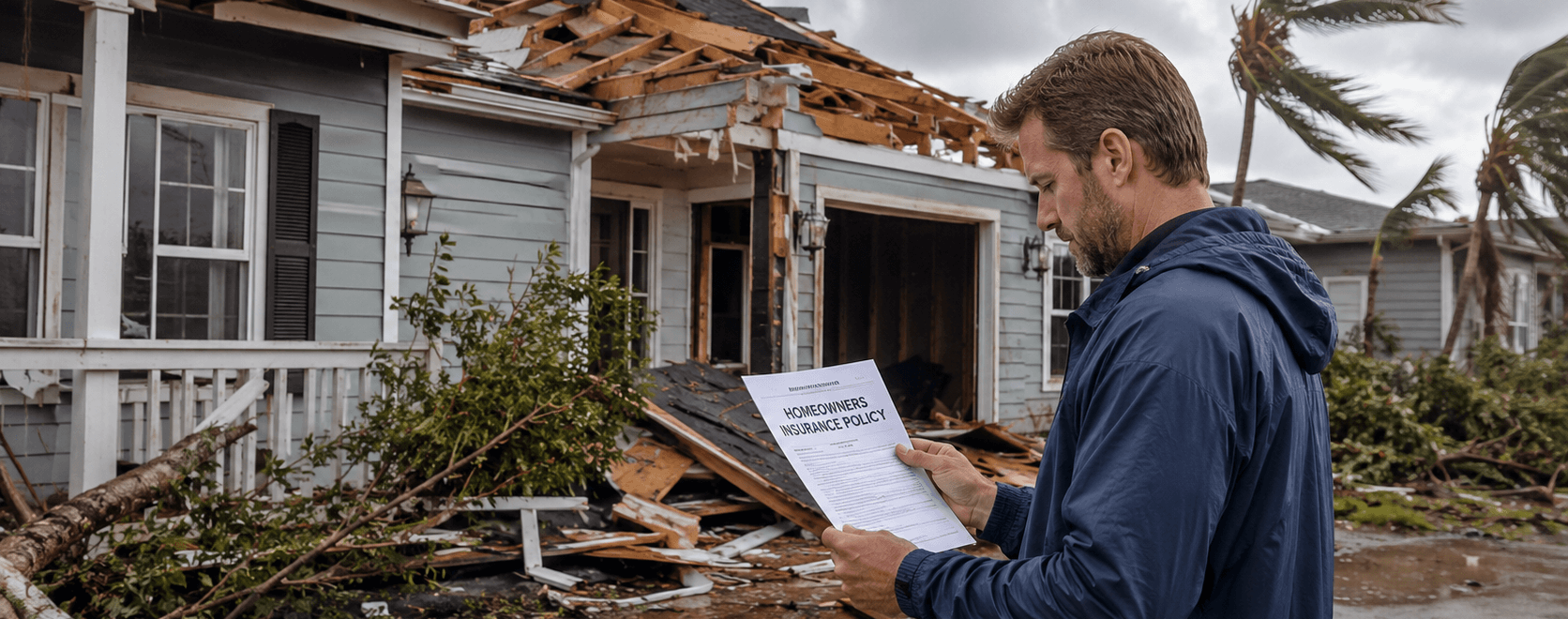
As a homeowner, protecting your property is pivotal in times of disaster. Having the right insurance coverage is crucial for safeguarding your home and belongings. With natural disasters, such as hurricanes, becoming more frequent and intense, ensuring your insurance policy provides comprehensive protection is more critical than ever.
Hurricanes can wreak havoc, causing extensive damage to homes, businesses, and communities. From powerful winds and torrential rains to devastating storm surges, the destruction left in the wake of a hurricane can be overwhelming. Without proper insurance coverage, you could be left to shoulder the financial burden of repairs and replacements, which can quickly become overwhelming.
According to the National Oceanic and Atmospheric Administration (NOAA), tropical cyclones, including hurricanes, have caused some of the costliest weather disasters in the United States, with an average cost of roughly $23 billion per event. Louisiana also faces frequent hurricane threats, with a major hurricane affecting the state roughly every three years.
These recurring storms underscore the importance of reviewing your insurance policy well ahead of hurricane season. For homeowners and business owners across Louisiana, Texas, and Gulf Coast communities, understanding their insurance policy before a storm strikes can help them avoid unexpected coverage issues during the claims process.
This guide explains what to look for in your policy, common coverage gaps, deductible provisions, and Louisiana and Texas insurance rules that may affect your claim. By understanding your hurricane damage insurance coverage before a loss occurs, you can make more informed decisions and better protect your property when severe weather threatens.
If you encounter a denied, delayed, or underpaid claim, our hurricane damage lawyers can help you evaluate your options and address coverage disputes.
The Devastation Caused by Hurricanes and the Need for Comprehensive Coverage
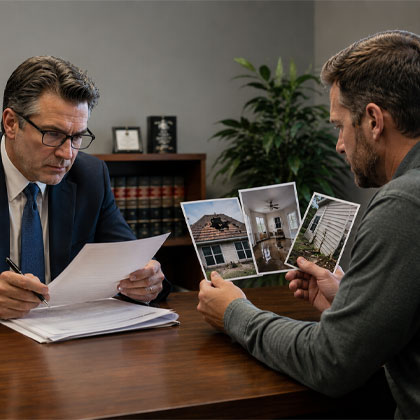
Hurricanes are among the most destructive natural disasters, capable of causing widespread damage to both residential and commercial properties. From the high-speed winds that can tear roofs off buildings to the flooding that can submerge entire neighborhoods, the devastation left in the wake of a hurricane can be truly staggering.
You need comprehensive insurance coverage to guard against such overwhelming destruction. Your homeowners policy should protect against various hurricane-related damages, including wind damage and rain-related losses. You may want to buy flood insurance because standard homeowners insurance policies generally do not cover flood damage caused by rising water or storm surge.
It is also important to understand the deductible that applies to hurricane-related claims. Depending on the policy, Louisiana homeowners may encounter several deductible types:
- Named Storm Deductible: May apply when winds reach 39 mph or greater
- Hurricane Deductible: Typically applies when sustained winds reach 74 mph or greater
- Wind-and-Hail Deductible: May apply to a broader range of wind events
Along the Texas Gulf Coast, policies often include:
- A Texas Windstorm Insurance Association (TWIA) windstorm deductible
- A standard wind-and-hail deductible
Because deductibles can significantly affect out-of-pocket costs after a storm, policyholders should review their declarations page and verify which deductible applies under their coverage.
Failing to have the right coverage in place can leave you vulnerable to financial ruin, as the costs of repairs and rebuilding can quickly escalate beyond your means.
Even if you buy the right insurance policies, however, the insurance company may balk at paying you what you deserve. If that happens, consider speaking with an experienced hurricane damage lawyer about your options.
Key Policy Checks to Ensure Hurricane Damage Insurance Coverage
As you prepare for the hurricane season, thoroughly review your insurance policy and understand how your coverage applies before a storm threatens your property. Taking the time to evaluate your policy now can help you identify coverage gaps, understand your responsibilities after a loss, and avoid surprises during the claims process.
A careful review of your hurricane damage insurance coverage is one of the most important steps you can take before hurricane season begins.
What Your Homeowners Policy Covers (and Doesn’t)
Your homeowners insurance policy is the cornerstone of your hurricane protection plan. It’s essential to carefully review the policy’s coverage, exclusions, and limitations to ensure you have the necessary protection.
When reviewing your policy, pay close attention to:
- Coverage for wind damage and wind-driven rain, which are among the most common causes of hurricane-related property damage
- Coverage limits for your dwelling, other structures, and personal belongings
- Whether losses are paid based on replacement cost or actual cash value
- Any exclusions or limitations that could affect hurricane-related claims
Flood coverage requires special attention. Standard homeowners insurance policies typically do not cover flood damage caused by rising water, storm surge, or overflowing bodies of water. If your property faces flood risks, you may need separate flood coverage through the National Flood Insurance Program (NFIP) or a private insurer. Homeowners should also remember that flood policies often include a waiting period before coverage becomes effective.
If your home becomes uninhabitable after a hurricane, your policy may also provide coverage for additional living expenses (ALE), including temporary housing and certain related costs. Review any limits or restrictions that may apply.
Deductibles are another important consideration. Hurricane-related deductibles may differ from standard policy deductibles and can significantly affect out-of-pocket expenses after a storm. Review your declarations page carefully to understand which deductible applies to your coverage and be better prepared for potential out-of-pocket expenses after a storm.
Coverage Gaps to Address Before Hurricane Season
Even policies that provide broad protection may contain gaps that become apparent only after a hurricane causes damage. Consider whether you need additional coverage for:
- Flood damage, which is generally excluded from standard homeowners insurance policies
- Windstorm damage, if your insurer requires separate coverage in coastal areas
- Ordinance-or-law coverage, which may help cover the cost of bringing a damaged structure up to current building-code requirements during repairs
- Replacement cost coverage instead of actual cash value coverage, which may account for depreciation when calculating payments
Property owners in coastal Louisiana and certain Texas communities should pay particular attention to windstorm coverage requirements and any limitations that apply to their location.
Louisiana policyholders should also carefully review any stated-value policy provisions. Under Louisiana Act 480, certain policies may operate differently than traditional replacement-cost coverage, making it important to understand how losses may be valued before a hurricane occurs.
What to Do Before a Storm Is Named
Preparation before a storm develops can make the claims process significantly easier if damage occurs. Consider taking the following steps:
- Review your declarations page, policy limits, endorsements, and deductibles.
- Create a baseline record of your property by photographing key interior and exterior areas before hurricane season.
- Create and maintain a detailed home inventory of personal belongings.
- Store important insurance documents and property records in a secure digital location.
- Review your policy’s claim-reporting requirements and deadlines.
Many insurers restrict policy changes or new coverage purchases once a named storm enters the Gulf of Mexico. Because these restrictions can limit your ability to adjust coverage, it is best to review your policy well before hurricane season reaches its peak.
Louisiana homeowners should also retain records showing deductible payments related to covered repairs. In certain situations, documentation may be required to recover depreciation under Louisiana law.
Common Insurance Company Tactics After a Hurricane
Even when policyholders purchase appropriate coverage, disputes can arise after a hurricane loss. Insurance companies may attempt to reduce or challenge claims by:
- Attributing damage to wear and tear, maintenance issues, or pre-existing conditions
- Disputing whether damage resulted from wind, floodwaters, or storm surge
- Using pricing estimates or repair valuations that may not fully reflect the scope of the damage
- Limiting coverage based on policy exclusions or technical interpretations of policy language
When a claim is denied, delayed, or underpaid without a reasonable basis, additional legal remedies may be available under Louisiana or Texas law, depending on the circumstances.
Reviewing your policy before hurricane season, maintaining thorough property documentation, and understanding your coverage obligations can help strengthen your position if a dispute arises. If you encounter a denied, delayed, or underpaid claim, speaking with an experienced hurricane damage lawyer can help you better understand your options.
Understanding Additional Coverage Options Such as Flood Insurance and Windstorm Insurance
While your homeowners insurance policy may provide some protection against hurricane-related damages, consider additional coverage options to ensure comprehensive protection.
- Flood Insurance: Flood insurance is a critical supplement to your homeowners policy, as most standard policies do not cover flood damage caused by rising water, storm surge, or overflowing waterways. Flood insurance can be purchased through the NFIP or from a private insurer, providing coverage for both the structure of your home and its contents. Flood insurance is an important consideration, particularly for properties located in high-risk flood zones.
- Windstorm Insurance: In some coastal regions or areas prone to high winds, you may need to purchase a separate windstorm insurance policy to supplement your homeowners coverage. Windstorm insurance protects against damage caused by hurricane-force winds, including roof damage, window damage, and structural destruction. This coverage may be particularly important for property owners in certain Louisiana coastal communities and parts of the Texas Gulf Coast.
- Business Interruption Insurance: If you own a business, consider adding business interruption insurance to your coverage. This policy can provide financial assistance to help you cover lost income and extra expenses if your business is forced to close due to hurricane-related damages.
By understanding the limitations of your homeowners insurance and exploring these additional coverage options, you can create a comprehensive insurance plan that provides robust protection for your property and financial well-being after a hurricane. Reviewing these options before hurricane season can also help you identify potential gaps in your hurricane damage insurance coverage and make informed decisions about your level of protection.
Louisiana and Texas Hurricane Insurance Rules: What Homeowners Need to Know
Insurance laws can influence how hurricane claims are handled, how quickly insurers must respond, and what options homeowners have when disputes arise. While policy terms vary, Louisiana and Texas both have rules designed to protect policyholders after a storm.
Louisiana Hurricane Insurance Rules
Louisiana insurers must generally acknowledge receipt of a claim within 14 days and pay the undisputed portion of a claim within 30 days after receiving satisfactory proof of loss. For catastrophic losses, insurers are generally required to initiate loss adjustment within 30 days of receiving notice of the claim and complete the adjustment process within 90 days, unless circumstances beyond their control prevent compliance.
Homeowners should also be aware of several Louisiana-specific considerations:
- Louisiana policies may include special hurricane-related deductibles, depending on the policy language.
- Under HB 437, proof of deductible payments may be required in certain situations to recover depreciation.
- The Louisiana Citizens Property Insurance Corporation (LCPIC) serves as the state’s insurer of last resort.
- Programs such as Louisiana Fortify Homes and FORTIFIED roof standards may help homeowners qualify for insurance discounts.
- In many cases, homeowners generally have one year to file suit related to a property insurance dispute.
Texas Hurricane Insurance Rules
The Texas Prompt Payment of Claims Act establishes deadlines insurers must generally follow. Under normal circumstances, after receiving notice of a claim, an insurer typically has 15 days to acknowledge the claim and request any necessary information, 15 business days to make a coverage decision after receiving the required information, and 5 business days to issue payment once a claim is approved. For claims arising from certain weather-related catastrophes, Texas law generally extends the acknowledgment deadline to 30 days and the coverage decision deadline to 45 days, while the payment deadline generally remains 5 business days after approval.
Texas homeowners should also keep in mind:
- Many coastal properties obtain windstorm coverage through the Texas Windstorm Insurance Association (TWIA).
- Homeowners generally have two years to file suit regarding a hurricane-related insurance dispute, although shorter contractual or statutory deadlines may apply in some circumstances.
- Texas law generally requires policyholders to provide at least 61 days’ pre-suit notice before filing certain property insurance lawsuits.
- Appraisal may help resolve disputes involving the amount of a covered loss.
Understanding these rules before hurricane season can help homeowners protect their rights and respond more effectively if claim disputes arise.
Role of Public Adjuster in Hurricane Claims and How to Deal with Them
Public adjusters are licensed professionals who represent policyholders during the insurance claims process. They may help document hurricane-related losses, review damage estimates, and communicate with the insurance company regarding the value of a claim.
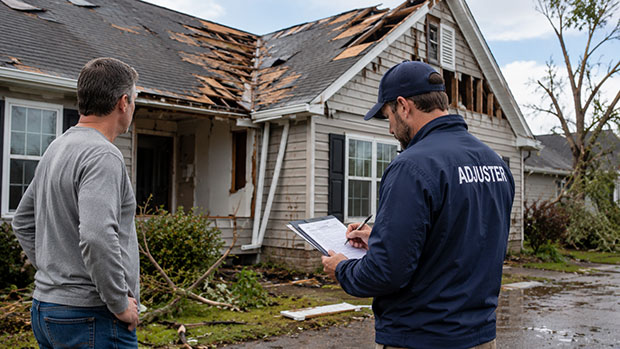
A public adjuster can assist with:
- Inspecting and documenting hurricane damage
- Preparing estimates and supporting claim documentation
- Reviewing policy provisions that may affect coverage
- Negotiating with the insurance company regarding the value of a loss
However, homeowners should remain actively involved throughout the claims process. Reviewing submitted documentation, keeping copies of communications, and understanding key policy requirements can help reduce misunderstandings and ensure important deadlines are not missed.
In some situations, disputes may arise over the scope of damage, repair estimates, or compliance with policy requirements. Inaccurate estimates, incomplete documentation, or disagreements regarding coverage can sometimes contribute to claim delays, underpayments, or denials.
When selecting a public adjuster, choose a licensed professional with experience handling hurricane-related claims in your state. Ask questions about their fee structure, experience, and approach to documenting losses before entering into an agreement.
While a public adjuster may assist with documenting and valuing a loss, an attorney may be needed when significant coverage disputes arise. A hurricane damage lawyer can evaluate the policy, assess the insurer’s handling of the claim, and explain the legal options available.
Tricks Insurance Companies Use to Diminish Hurricane Damage Claims
Unfortunately, some insurance companies may employ various tactics to minimize the payout on hurricane damage claims. Understanding these tactics can help you identify potential issues early and respond more effectively when disputes arise.
One common tactic is attributing damage to pre-existing conditions or a lack of maintenance. Insurance companies may argue that certain damages existed before the hurricane and the storm did not cause them. Thoroughly document your property’s condition before the hurricane so you can refute these claims.
Another trick is disputing the extent of the damage. Insurance adjusters may underestimate the cost of repairs or claim that the policy does not cover certain damages. Property owners should carefully review repair estimates and supporting documentation to ensure all storm-related damage has been properly evaluated and accounted for.
Insurance companies may classify damage as flood-related rather than wind-related when coverage depends on the cause of the loss. Because standard homeowners insurance policies often cover wind damage but exclude flood damage, disagreements over the source of the damage can significantly affect coverage. Thorough documentation, photographs, and expert evaluations can help support your position when these disputes arise.
Following a major hurricane, some policyholders also encounter pricing disputes. Insurers may rely on repair estimates that do not fully account for increased labor costs, material shortages, or higher post-disaster construction expenses. Reviewing repair estimates carefully can help identify potential valuation issues.
Insurance companies may also attempt to deny claims based on technicalities or policy exclusions. They may argue that the policy does not cover the damage or weather event, or that the policyholder failed to comply with certain policy requirements. Carefully reviewing your policy and seeking legal assistance can help you navigate these challenges.
Ultimately, understanding how insurance companies evaluate hurricane claims can help you better protect your rights throughout the process. If your claim is denied, delayed, or underpaid, an experienced hurricane damage lawyer can review your claim and help you understand available options.
Common Reasons Why Insurance Companies Deny Hurricane Damage Insurance Claims
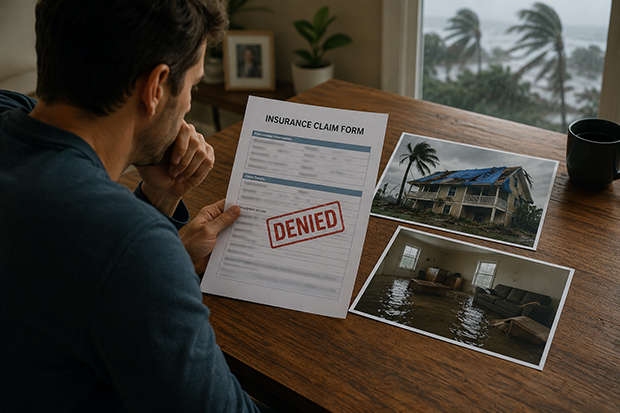
Despite having comprehensive insurance coverage, policyholders may still face the frustration of having their hurricane damage claims denied by their insurance providers. Understanding the common reasons for these denials can help you better prepare and avoid potential pitfalls.
- Lack of Documentation: Insurance companies may deny claims if the policyholder fails to provide sufficient documentation of the hurricane damage. This includes detailed photographs, video footage, and a comprehensive inventory of the damaged property.
- Policy Exclusions: Insurance policies often contain exclusions for certain hurricane-related damages, such as flooding or wind-driven rain. If the insurer can attribute the damage to an excluded peril, they may deny the claim.
- Failure to Mitigate Damages: Policyholders must take reasonable steps to prevent further damage to their property after a hurricane. Failure to do so may result in the insurance company denying the claim.
- Pre-Existing Conditions: As mentioned earlier, insurance companies may argue that the damage was caused by pre-existing conditions or a lack of maintenance, rather than the hurricane itself.
- Missed Deadlines: Insurance policies often have strict deadlines for reporting and filing claims. The insurance company may deny the claim if the policyholder fails to meet these deadlines.
- Disputed Cause of Damage: In some cases, the insurance company may dispute the cause of the damage, arguing that it was not directly related to the hurricane. This can be a challenging issue to resolve, especially in cases where multiple weather events have occurred.
By understanding these common reasons for claim denials, you can take proactive steps to strengthen your case and increase the likelihood of a successful hurricane damage claim. Thorough documentation, prompt reporting, and seeking legal assistance when necessary can all be valuable strategies in navigating the claims process.
The Importance of Documenting and Photographing Your Property Before and After a Hurricane
You need proper documentation of your property’s condition to file a successful hurricane damage claim. Before the hurricane strikes, take the time to thoroughly document your home and belongings, both inside and out.
Begin by taking high-quality photographs and videos of your property, capturing every room, exterior walls, windows, roofing, and any valuable items or personal possessions. This visual record will serve as evidence of the pre-hurricane condition of your property, which can be invaluable if you need to file a claim.
In addition to the visual documentation, create a detailed inventory of your personal belongings, including a description, make, model, and estimated value of each item. This inventory will help you substantiate the extent of your losses and ensure you receive the appropriate compensation. Store copies of your inventory, photographs, and important insurance documents in cloud storage or with a trusted off-site contact so they remain accessible if your property is damaged.
Once the hurricane passes, document the damage as soon as it is safe to do so. Take additional photographs and videos, focusing on the specific areas of your property that have been affected. Capture the extent of the damage, including any structural issues, water intrusion, or destruction of personal belongings. If water entered the property, document how and where it entered, such as through a damaged roof, broken windows, or ground-level flooding. This information may become important when determining whether the damage falls under wind, rain, or flood-related coverage.
Maintaining a comprehensive record of your property’s condition, both before and after the hurricane, will strengthen your insurance reimbursement claim and help you navigate the claims process more effectively. By providing clear and detailed evidence, you can demonstrate the true scope of the damage and increase your chances of receiving a fair and timely settlement. Louisiana homeowners should also keep receipts and records showing deductible payments related to covered repairs, as proof of payment may be required in certain situations to recover depreciation under HB 437.
Seeking Legal Assistance in Navigating Insurance Claims for Hurricane Damage
When navigating the complexities of hurricane damage insurance claims, seeking legal assistance can be a wise decision. An experienced attorney can provide invaluable guidance and support throughout the claims process, helping you overcome the challenges and better understand your options when coverage disputes arise.
A skilled insurance claim attorney can help with:
- Policy Review and Interpretation: They can thoroughly review your insurance policy, identify any coverage gaps or exclusions, and help you understand your rights and obligations as a policyholder.
- Claims Preparation and Documentation: Your attorney can help evaluate claim-related documentation, review evidence supporting your loss, and identify potential issues that may affect coverage.
- Negotiation and Settlement: If your insurance company attempts to deny or underpay your claim, your attorney can negotiate on your behalf and advocate for a fair resolution based on the terms of your policy.
- Litigation, if Necessary: If your insurance company remains uncooperative or unreasonable, your attorney can initiate legal proceedings to protect your rights and pursue available remedies under the law.
- Invoking the Appraisal Process: In some situations, the dispute involves the value of the loss rather than whether coverage exists. An attorney can help determine whether the appraisal process is available under the policy and whether it may be an effective way to resolve valuation disputes.
- Pursuing Bad-Faith Claims: If an insurance company unreasonably delays, denies, or underpays a covered claim, an attorney can evaluate the insurer’s conduct and determine whether additional remedies may be available under Louisiana or Texas law.
When selecting an attorney to assist with your hurricane damage claim, it’s important to choose someone with a proven track record of handling these types of cases. Look for an attorney who is well-versed in property insurance disputes and has extensive experience navigating the complexities of hurricane-related claims.
By enlisting the help of a qualified hurricane damage lawyer, you can better protect your rights and avoid many of the common pitfalls that policyholders encounter during the claims process.
Top Reasons Why You Should Choose the Pandit Law Firm
If you face the daunting task of pursuing a hurricane damage insurance claim, the Pandit Law Firm is the trusted partner you need.
With our extensive experience and unwavering commitment to our clients, we can help you navigate the complexities of the claims process and advocate for your interests when coverage disputes arise.
- Proven Track Record: The Pandit Law Firm has a long history of advocating for policyholders in hurricane damage disputes and helping clients navigate complex insurance claims.
- In-Depth Legal Knowledge: Our team of property damage lawyers has in-depth knowledge of the unique challenges and nuances associated with hurricane-related claims in Louisiana and Texas, allowing us to develop tailored strategies to protect your interests.
- Personalized Attention: We understand that every client’s situation is unique, which is why we provide personalized attention and support throughout the entire claims process. You’ll never feel like just another case.
- Aggressive Advocacy: When insurance companies try to minimize or deny your claims, we’re prepared to take decisive action. Our attorneys are relentless in their pursuit of a fair and just outcome.
- No Upfront Costs: We work on a contingency fee basis, which means you don’t pay a dime unless we secure a successful settlement or verdict on your behalf.
Don’t let insurance disputes add to the stress of recovering from a hurricane. Choose the Pandit Law Firm for experienced guidance and let us represent you throughout the claims process.
Conclusion
Hurricanes can leave property owners facing significant damage, complex insurance questions, and unexpected coverage disputes. Taking the time to review your policy, understand your deductibles, document your property, and address potential coverage gaps before a storm can help you navigate the claims process more effectively.
If your hurricane damage claim is denied, delayed, or underpaid, it may be time to seek legal guidance. Experienced hurricane damage lawyers at Pandit Law can review your situation, explain your options, and help you address insurance disputes involving residential or commercial property losses.
Contact us at the Pandit Law Firm today for a free claim evaluation to learn how we may be able to assist with your hurricane damage claim.