

Attorney for Examination Under Oath
Don’t Face an EUO Alone. Protect Your Insurance Claim with Pandit Law
An Examination Under Oath (EUO) is not a routine step in your insurance claim process. It usually means your insurer has moved your file into an escalated review stage. When the insurance company schedules an examination under oath to evaluate your insurance claim, it signals heightened scrutiny and a more formal investigation. In many cases, the insurer brings legal counsel to conduct questioning, which shifts the process from claim handling into a recorded, adversarial setting.
Whether your claim involves fire, hurricane, wind, hail, or other storm damage, this stage carries real risk if you walk in unprepared. For Texas and Louisiana homeowners and business owners, a property damage attorney with experience, like Pandit Law, can help you understand what the insurer is looking for, protect your responses, and keep the process focused on facts instead of assumptions.
An attorney for EUO can prepare you for questioning, review requested documents, and represent your interests during the examination.
2,500+
homeowner insurance claimants helped and counting
11+
years of proven experience in property damage claims
4.9★
Google rating earned from satisfied clients
What Is an Examination Under Oath (EUO) and What Does It Mean for Your Claim?
An EUO is a formal proceeding where an insurer questions you under sworn testimony about your loss and your claim. Unlike a standard adjuster interview, an examination under oath for insurance claim review becomes part of an official record. The insurer can use it to evaluate credibility, verify details, and assess whether it will approve or challenge payment.
An EUO typically involves the insurer’s attorney and a court reporter. A Special Investigations Unit (SIU) representative may also attend, and the session may be video recorded.
Most Texas and Louisiana homeowners and commercial policies include EUO requirements under “Duties After Loss.” The insurer may require each insured to participate in a separate examination.

Insurance companies often schedule EUOs when they want to scrutinize a claim more closely. They may use the session to:
- Lock in sworn testimony they can rely on and use later
- Compare answers against prior statements or documents provided
- Support a decision to further delay or deny a claim
Everything said during an EUO is transcribed and preserved. That transcript does not change, and insurers may rely on it throughout the dispute process.
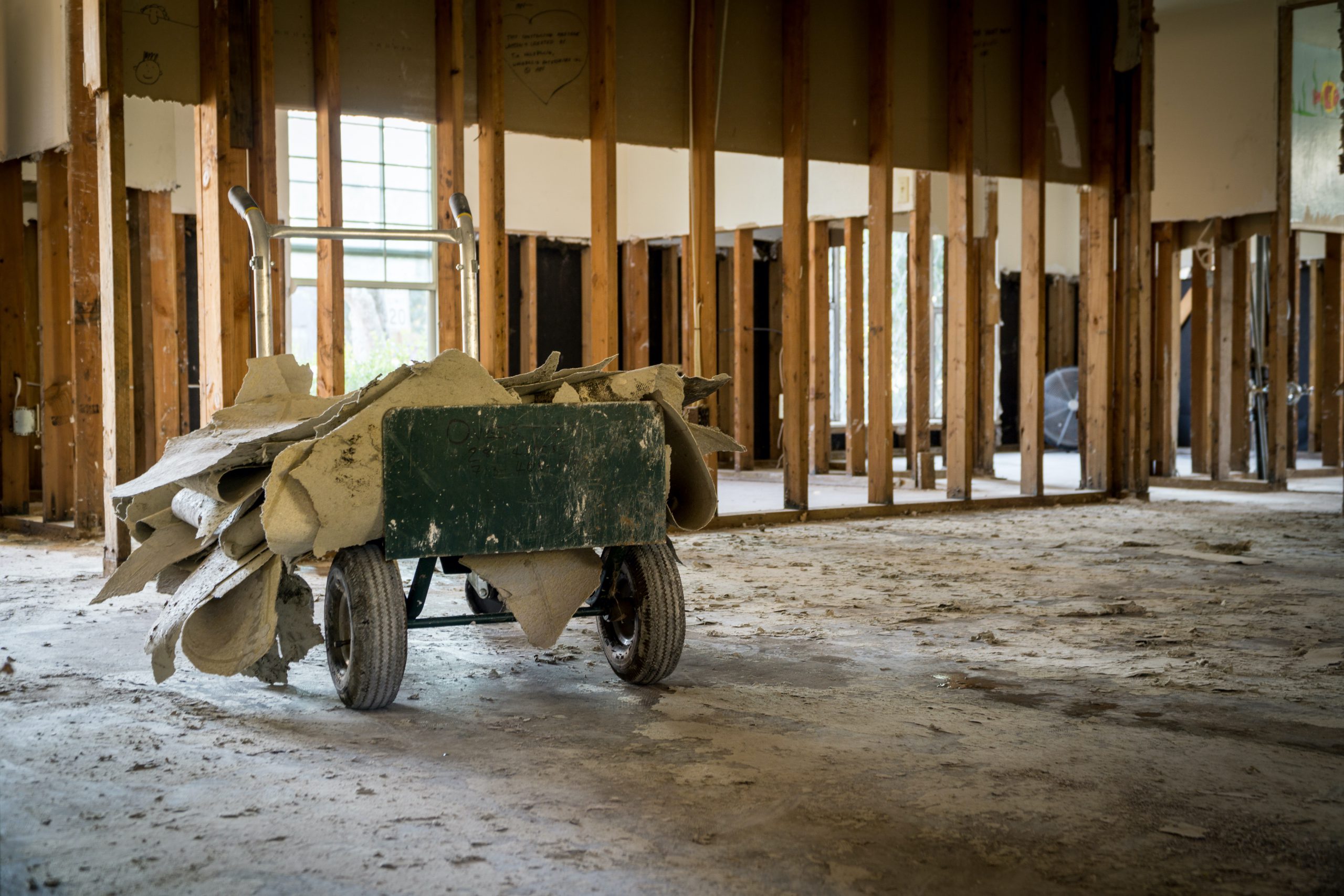
A lawyer for an EUO can help you assess document requests, prepare for questions, and respond without unnecessarily expanding the scope of the examination.
Awards and Recognitions





Google Reviews
Why EUOs Often Lead to Claim Problems
When an insurer schedules an EUO for insurance claim review, it usually means the claim has entered a formal investigation phase. The company may already have concerns about documentation, timelines, or reported damages. This stage often signals that the insurer is evaluating whether it can limit or challenge payment.
Possible outcomes after an EUO can include:
- Claim delay while the insurer conducts further review
- Claim denial based on perceived inconsistencies
- Policy cancellation in certain circumstances
During questioning, insurers may use tactics such as:
- Detailed financial inquiries unrelated to damage
- Broad document requests
- Questions designed to highlight inconsistencies
Preparation matters because the EUO is not just a conversation. It is a recorded testimony that can influence how the insurer treats your claim moving forward.
Questions and Documents Insurers Commonly Request in an EUO
Insurers may ask about:
- The Loss: What happened, when it occurred, and the timeline of events
- Property Condition: The property’s condition before the damage, including prior repairs or issues
- Repairs and Estimates: Work completed, proposed repairs, and damage estimates
- Prior Claims and Finances: Previous insurance claims, mortgage status, and financial information
- Insurance Application: Answers or information provided when you applied for the policy
They may also request tax returns, bank or credit card statements, phone records, utility bills, receipts, and photos. Business owners may need to provide profit and loss statements, payroll records, or leases. Requests should be material to the claim, and a lawyer can review their scope before you respond.
Risks of Attending EUO Without Legal Representation
An EUO is not a casual interview. In EUO insurance claim reviews, every answer is sworn, recorded, and evaluated for accuracy and consistency. Insurers often prepare extensively for these sessions, which means policyholders who attend without legal guidance may face serious avoidable risks.
Common issues that may arise if you attend EUO without legal representation include:
- Offering statements that conflict with earlier adjuster conversations
- Providing more documents than required
- Offering voluntary information that was never requested
- Misinterpreting unclear or compound questions
- Answering beyond the scope of what was asked
- Damaging credibility unintentionally through wording or tone

Even small inconsistencies can raise questions the insurer may later rely on when reviewing your claim. What feels like a harmless clarification to you may be treated as a discrepancy in the transcript. Inaccurate sworn testimony can also trigger a claim denial under the policy’s concealment or fraud clause. Because EUOs create a permanent sworn record, those statements can influence how your claim is evaluated moving forward.
There is also a structural imbalance. The insurer typically has an attorney present whose role is to question you and document your responses. Appearing alone means you face that process without someone focused solely on protecting your interests.
Your policy does not require you to appear alone, and you have the right to bring your own lawyer to the EUO.
Contact us to understand the risks of attending an examination under oath alone before answering detailed questions about your property damage claim.
How an Attorney Prepares You for Your Examination Under Oath
Preparation is one of the most important factors in protecting your claim before an EUO begins. An experienced attorney approaches the process strategically, focusing on accuracy, clarity, and boundaries. Instead of reacting to insurer questioning in real time, you enter the examination prepared, informed, and confident about what to expect.
That EUO preparation typically includes several key steps:
Policy and Claim Audit
The first step is a structured review of your insurance policy and the full claim history. This allows your attorney to understand the legal framework governing the EUO and to evaluate whether the insurer’s demands stay within contractual boundaries.
During this review, your EUO lawyer will:
- Examine the cooperation clause and related policy duties
- Identify potential insurer overreach or improper requests
- Analyze prior written statements, recorded interviews, and claim submissions
This audit creates a baseline so your testimony remains consistent with the documented record.
Document Control Strategy
The first step is a structured review of your insurance policy and the full claim history. This allows your lawyer to understand the legal framework governing the EUO and to evaluate whether the insurer’s demands stay within contractual boundaries.
During this review, your EUO lawyer will:
- Examine the cooperation clause and related policy duties
- Identify potential insurer overreach or improper requests
- Analyze prior written statements, recorded interviews, and claim submissions
This audit creates a baseline so your testimony remains consistent with the documented record.

Mock EUO Preparation
An EUO can feel formal and pressured. Reviewing practical tips for an examination under oath and practicing beforehand can help eliminate surprises and strengthen your ability to respond accurately.
Preparation sessions typically include:
- Rehearsal questioning modeled after insurer inquiries
- Timeline review to confirm consistency across statements
- Identification of areas that may draw deeper scrutiny
- Training on concise, direct responses that stay within the question asked
This guided preparation builds clarity and confidence before the official record begins.

Representation at EUO
When the examination takes place, your attorney remains actively involved to ensure the process stays appropriate and within scope. That presence shifts the dynamic and reinforces procedural fairness.
Representation includes:
- Attending in person or virtually
- Monitoring the scope and tone of questioning
- Protecting the integrity of the record
- Intervening where questioning becomes improper or misleading
Having legal representation during the examination helps maintain balance in a setting where the insurer controls the questioning and the transcript becomes permanent.
Post-EUO Strategy
The process does not end when questioning concludes. What happens afterward can shape the next phase of your claim.
Post-EUO strategy may involve:
- Reviewing the transcript and noting any corrections before signing, within the time allowed
- Addressing supplemental document requests
- Preparing for potential denial or formal dispute
- Tracking the insurer’s applicable decision deadline under Texas or Louisiana law once the EUO and requested documents are complete
- Transitioning strategically if litigation becomes necessary
Thoughtful preparation before, during, and after the EUO helps protect your claim at every stage of review.
Call us to prepare for your EUO with legal guidance that helps you understand the process and respond confidently to insurer questions.
EUO Representation for Policyholders in Texas and Louisiana
State law plays a major role in how insurers conduct EUOs and how courts evaluate policyholder compliance. Texas and Louisiana apply different legal standards, which can affect both your obligations and your protections. Understanding those differences helps you prepare strategically and protect your claim at every stage.
Louisiana
In Louisiana, courts often treat EUO compliance as a strict condition tied to your right to recover under the policy. If a policyholder fails to appear, refuses to answer relevant questions, or provides testimony that conflicts with documented facts, insurers may rely on those issues to challenge the claim. That makes accuracy, pre-examination planning, and consistency essential.
At the same time, insurers must stay within legal boundaries. If questioning becomes excessive, irrelevant, or unfairly burdensome, Louisiana law allows policyholders to pursue remedies when insurers act improperly. La. R.S. 22:1892 also addresses the adjustment and payment of certain property damage claims, including provisions applicable to catastrophic losses.
For property damage claims arising from hurricanes and other catastrophic events across Louisiana, EUO requests may become part of a closer claim investigation. A Louisiana property damage attorney can review the EUO request, help you prepare for questioning, and represent your interests during the examination.
Texas
In Texas, EUOs are generally enforced through the policy’s cooperation clause. Insurers may scrutinize whether a policyholder complied fully with requests for testimony and documentation. Inconsistencies, incomplete responses, or missed obligations can jeopardize a claim if the insurer argues noncompliance.
However, Texas law also protects policyholders when insurers unreasonably delay decisions or deny valid claims without proper justification. Texas Insurance Code Chapter 542 addresses certain claim-handling and payment deadlines. Courts often look at whether both sides acted reasonably throughout the process.
Strategic preparation helps ensure your responses remain accurate, consistent, and aligned with policy requirements. For homeowners and business owners dealing with hail, wind, or hurricane damage across Texas, an EUO may become part of the insurer’s investigation. A Texas property damage attorney can review the EUO request, prepare you for questioning, and represent your interests during the examination.
Pandit Law understands how EUOs are assessed in both states and prepares clients with a jurisdiction-specific strategy designed to protect their claims while meeting legal standards.
Why Choose Pandit Law for EUO Defense
EUOs require focused, strategic representation. Pandit Law concentrates on property damage claims involving fire, hurricane, hail, tornado, wind, and other storm-related losses across Texas and Louisiana. That experience matters when insurers start scrutinizing your claim more aggressively. The Pandit Law team has represented many clients successfully during their Examinations Under Oath.
Our clients benefit from:
- Focused insurance claim representation centered on property damage disputes.
- Experience handling storm-heavy claims in both residential and commercial settings.
- A structured preparation process tailored to the specifics of your claim.
- Direct attorney involvement before, during, and after the EUO.
- The capability to represent both homeowners and business owners.
- Litigation readiness if the insurer denies or improperly delays payment.
EUO defense is not about confrontation. It is about preparation, precision, and protecting the record. When your claim enters a heightened review stage, we offer strategic legal guidance to help level the process and safeguard your path forward.
Contact Pandit Law for guidance before responding to an examination under oath request that places your property damage claim under scrutiny.
Frequently Asked Questions
Why do insurers require an EUO?
Insurers use an EUO to investigate a claim in detail and confirm the facts surrounding the reported loss. It allows them to ask sworn questions, review documentation, and compare your testimony with prior statements. They typically schedule one when they want closer scrutiny before deciding whether to approve or challenge payment.
Can a claim be denied after an EUO?
Yes. After reviewing EUO testimony, insurers may decide to delay, dispute, or deny a claim if they believe inconsistencies, missing information, or policy issues exist. Because the session is recorded and sworn, insurers often rely on that transcript when making claim decisions or defending those decisions later.
Is attending EUO mandatory?
Yes, insurance policies include a cooperation clause that requires policyholders to participate in all reasonable requests, including an EUO. Failing to attend or refusing to cooperate may allow the insurer to argue that policy obligations were not met, which can put your entire claim at risk.
Do insurance companies prefer to settle out of court?
Sometimes insurers resolve claims without litigation, especially when documentation is clear and disputes are limited. However, if questions remain after an EUO, the insurer may continue investigating or challenge the claim. Whether a case settles often depends on the strength of the evidence and the positions of both parties.
Can I refuse to answer EUO questions?
You generally must answer reasonable questions related to your claim. Refusing to respond without legal guidance can create problems because insurers may treat noncooperation as a policy violation. This is why it’s important to retain legal counsel to represent you against your insurance carrier. If a question seems improper or unrelated, legal counsel will evaluate whether an objection or limitation is appropriate.
Do insurance companies usually pay out after an EUO?
An EUO does not automatically lead to payment or denial. It is one step insurers use to evaluate a claim. After the examination, they may request additional information, continue reviewing documentation, or issue a decision. The outcome often depends on the consistency and support behind the claim. It’s another reason why you need attorney representation with your claim.
Talk to an Attorney for EUO in Texas or Louisiana
If you receive an EUO notice, do not ignore it or attend without preparing first. Review the notice and contact an attorney for examination under oath as soon as possible. They can review your policy and the insurer’s requests, help you prepare for questioning, identify documents you may need, and represent your interests during the examination.
Pandit Law can help Texas and Louisiana policyholders navigate the EUO process with greater clarity and preparation.
Pandit Law
Louisiana
Hancock Whitney Center
701 Poydras Street
Suite 3950
New Orleans, LA 70139
Texas
25722 Kingsland Blvd Suite 103-A,
Katy, TX 77494
(By Appointment Only)