
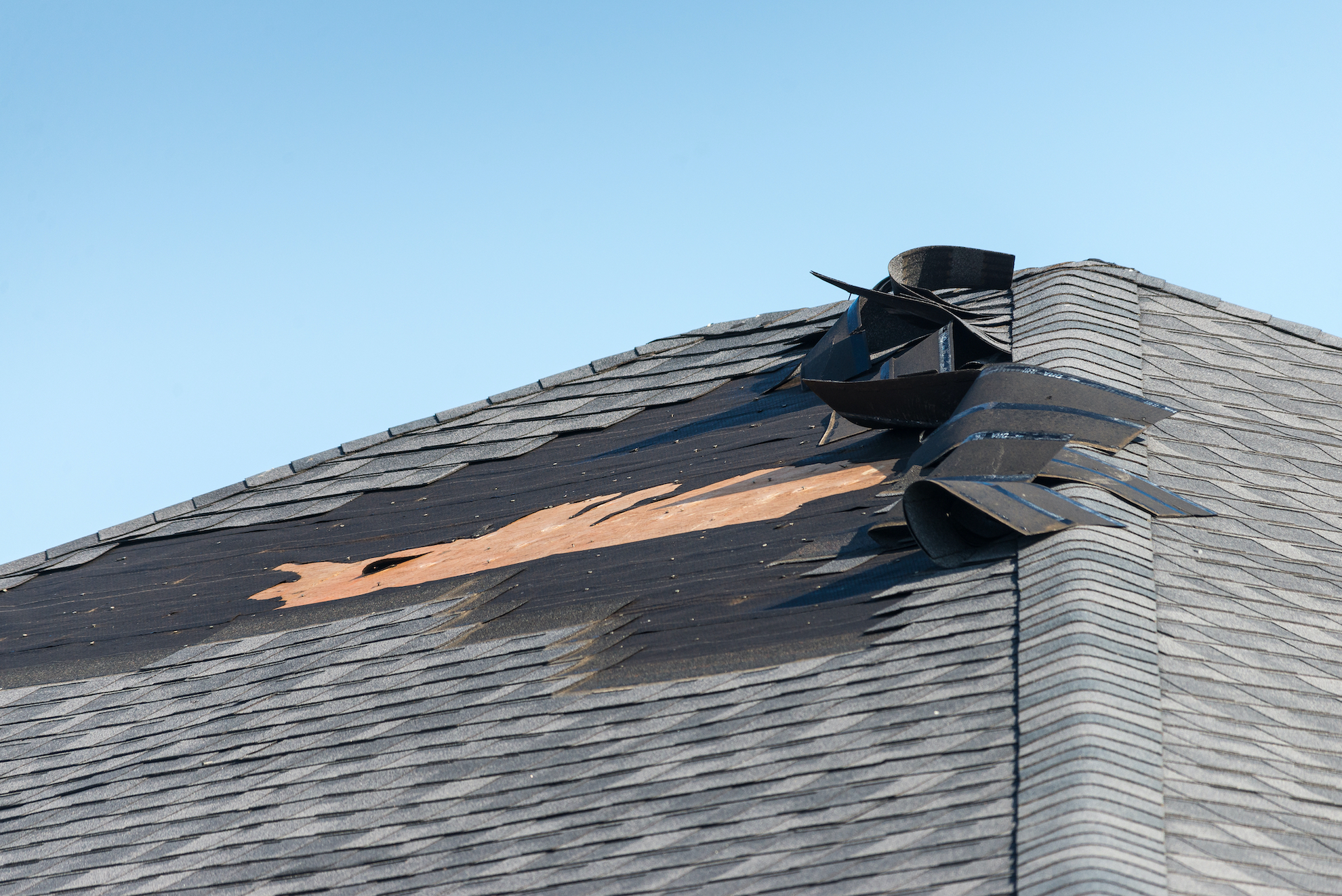
Wind Damage Lawyer
Helping Texas Property Owners with Wind Insurance Claims
Severe windstorms, hurricanes, and high winds are part of life in Texas. From powerful Gulf Coast hurricanes to inland wind events, property owners often face extensive roof, siding, and structural damage.
According to the National Centers for Environmental Information (NCEI), Texas experienced 126 billion-dollar severe storm events and 16 billion-dollar tropical cyclone events between 1980 and 2024, underscoring the state’s long history of destructive wind-related weather. Unfortunately, filing a wind damage insurance claim isn’t always straightforward. Insurers may delay, underpay, or deny valid claims, even when the extent of the wind damage is well documented.
That’s where Pandit Law can help. As a team of experienced Texas wind damage lawyers, our firm assists homeowners and business owners in navigating complex insurance processes. We review your policy, document your losses, and negotiate directly with insurers to help you pursue the compensation available under your policy.
Whether your roof was torn off by hurricane-force winds or your property was damaged by wind during a severe windstorm, Pandit Law stands ready to protect your rights and help you move forward with confidence.
A wind damage lawyer can review your policy, evaluate your losses, and advocate for the insurance benefits available under your coverage.
2,500+
homeowner insurance claimants helped and counting
11+
years of proven experience in property damage claims
4.9★
Google rating earned from satisfied clients
What You Need to Know About Wind Damage Claims in Texas
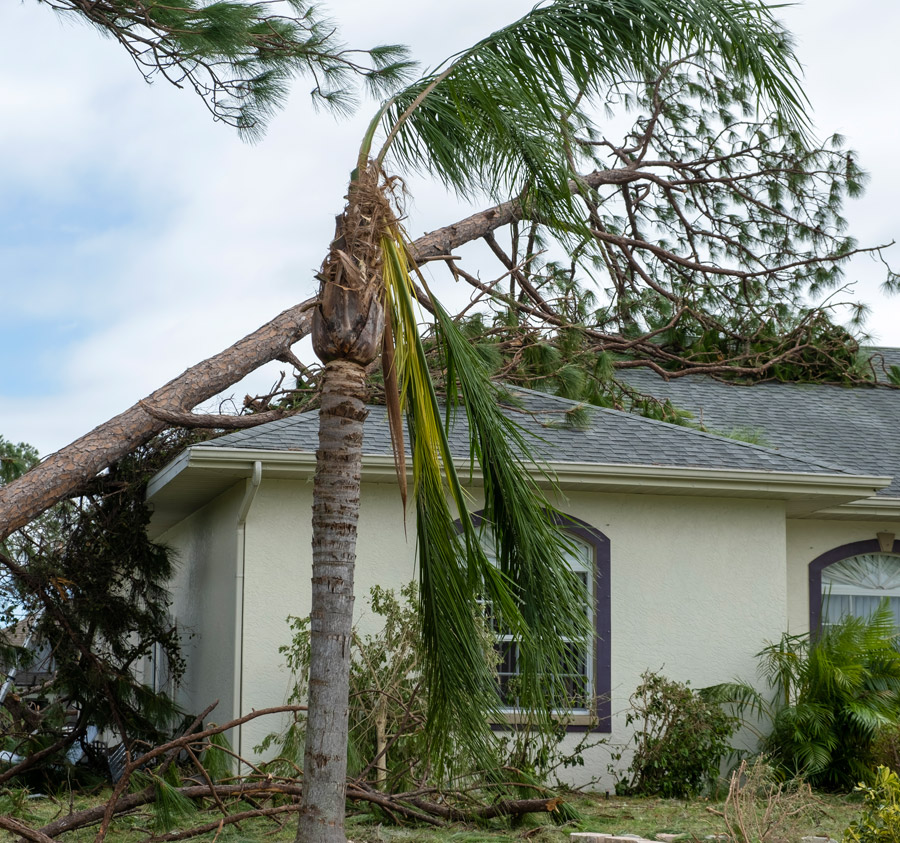
Texas is no stranger to powerful wind events. With its long coastline and wide-open plains, the state experiences everything from tropical hurricanes to inland windstorms. These high winds can cause serious roof, siding, and structural damage to your property, making wind damage claims a crucial part of protecting your investment.
When filing an insurance claim, Texas homeowners should understand how state law governs insurance timelines and payouts. Under Texas Insurance Code Chapter 542, insurers generally must acknowledge a claim within 15 days and notify you whether they accept or reject the claim within 15 business days after receiving all required information. If the claim is approved, payment is generally due within 5 business days. For certain weather-related events, Texas law may allow additional time depending on the circumstances. Depending on the applicable law, insurers that fail to comply with these requirements may face statutory remedies. If Chapter 542A applies, including under Tex. Ins. Code § 542A.003, any applicable interest is variable and tied to the prime rate, subject to a 5% minimum and 15% maximum, rather than a flat rate.
Another important factor is the windstorm deductible. Many policies in Texas, especially in Texas Windstorm Insurance Association (TWIA)-eligible coastal counties, including part of Harris County, apply higher deductibles for wind or hail damage, which can significantly affect your out-of-pocket costs. Reviewing your coverage before hurricane season and documenting all wind damage promptly can help ensure a smoother claims process.
In most cases, Texas law gives property owners two years to file a lawsuit for wind-related property damage under Texas Civil Practice and Remedies Code § 16.003. This deadline is separate from the 61-day pre-suit notice requirement that may apply before filing certain insurance-related lawsuits, so missing either deadline can affect your legal options.
A wind damage attorney can explain your rights, identify important deadlines, and help you address insurance disputes backed by strong documentation and legal support.
The Hidden Dangers of Wind Damage in Texas
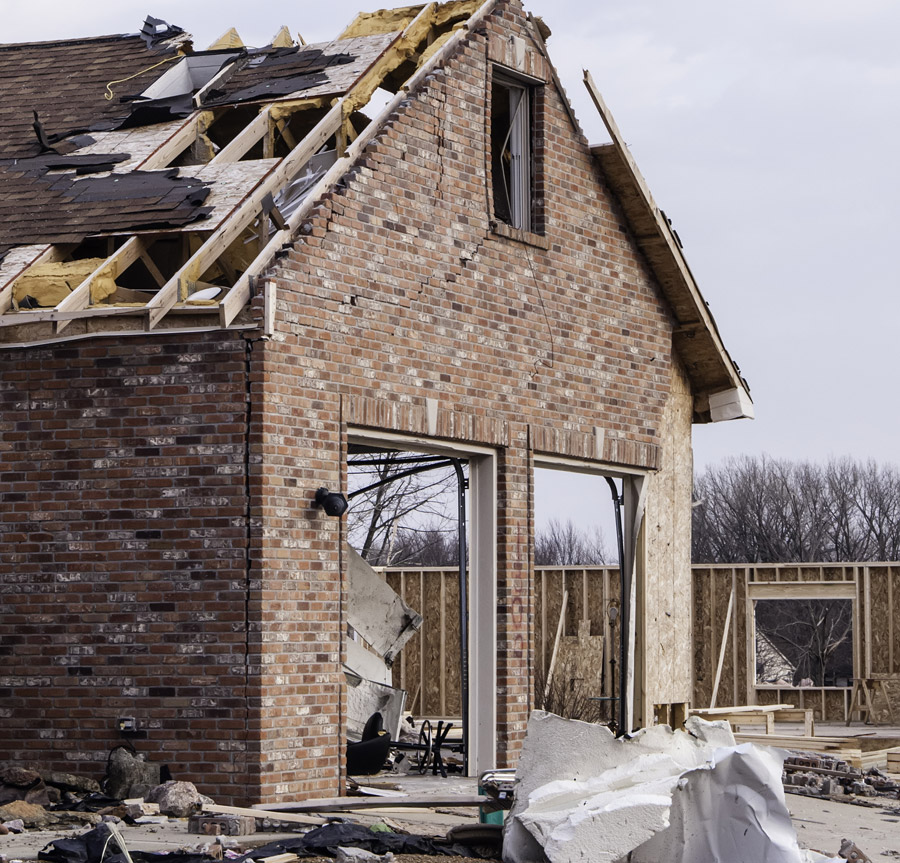
Texas homeowners face some of the harshest weather conditions in the country. Texas is the second most hurricane-prone state in the U.S., and its storms bring powerful winds that can cause significant destruction. In 2020 alone, wind damage from storms in Texas led to an estimated $12 billion in property losses – affecting thousands of homes and businesses across the state.
Strong winds can send debris flying toward your property, knock down trees, or tear through roofing materials. Even when the damage looks minor, the impact can be long-lasting. Cracked siding, loose shingles, or small punctures can allow water to seep in, leading to structural weakness and costly repairs later on.
Your home or business is one of your most valuable investments, and protecting it means addressing even the smallest signs of damage quickly. An experienced Texas wind damage claims attorney can help you identify hidden damage, handle complex insurance paperwork, and pursue fair compensation for repairs.
Signs of Wind Damage to Look For
Wind damage can take many forms and affect every nook and cranny of your property. Once a severe wind event passes and it’s safe to go outside, take a walk around your property and look for the following signs of damage to your property:
Wind Damage to Your Roof
Your roof has two main roles: to protect your home from the elements and to direct water away from your home. When your roof sustains wind damage, both of these functions are compromised. Even high winds that don’t bring rain or hail can cause wind damage to your home. And since most people don’t spend much time on their roofs, this damage can often go unnoticed until a more serious problem occurs.
Look for the following signs of wind damage to your roof:
- Slightly lifted shingles
- Loose or missing shingles
- Indoor water leaks
- Loss of granules on shingles
- Damaged soffits or fascia
If you spot these issues, consulting a roof damage claim lawyer can help ensure your insurance claim fully covers the repairs needed to restore your home.
Wind Damage to the Siding
Wind damage to your home’s siding can be hard to spot in some cases. Small cracks or holes can go undetected until they turn into more serious problems.
Some signs to look for include:
- Missing pieces of siding
- Cracked siding
- Holes in the siding
- Bulging, loose, or warped siding
Wind Damage to Your Windows
The most common type of wind damage to windows is broken glass. This happens when high winds are strong enough to fling debris directly into the glass, causing it to break.
Other signs to look for include:
- Broken or missing screens
- Damage or dents on the window frame
- Cracks, chips, or holes in the paint
- Water leaks
If you notice any of these issues, don’t wait for the problem to worsen. Prompt action can help limit additional damage and strengthen your insurance claim.
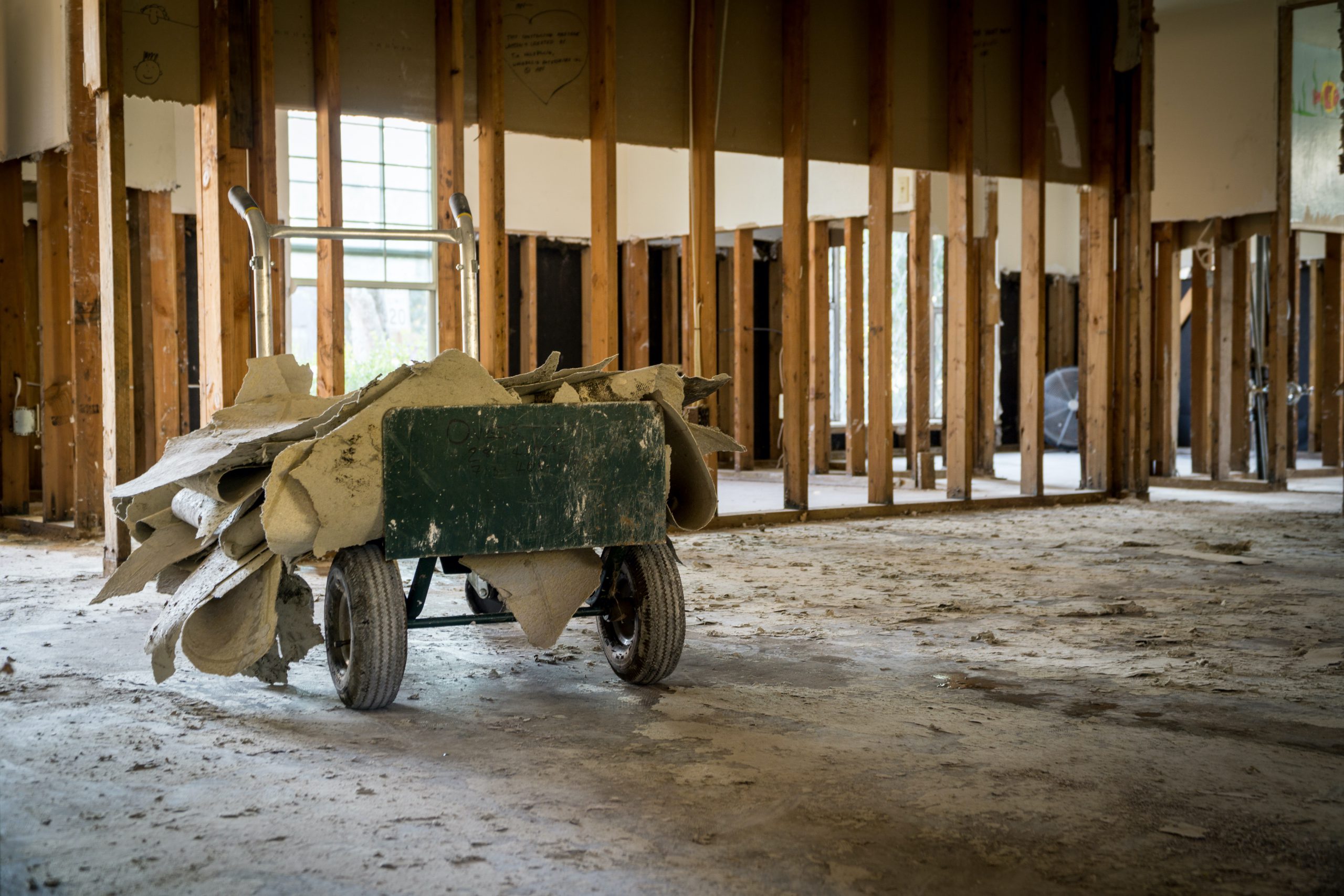
Wind damage is not always obvious. If you see signs of damage, get help from a Texas wind damage lawyer to understand your rights.
Awards and Recognitions






Google Reviews
How to Respond When Your Property Sustains Wind Damage
Wind damage can vary in level of severity. In some cases, you’ll be thankful that wind damage is the only damage you sustained. In other cases, high winds that have knocked trees onto your roof or caused other serious damage will need to be addressed immediately.
Regardless of how severe your situation is, acting quickly can make all the difference in protecting your home and your insurance claim. Here are the key steps you must take after sustaining wind damage:
| 1. Document the Damage Immediately | Take clear photos and videos of all visible damage, including roof shingles, siding, windows, fences, and any fallen trees. Continue documenting if conditions worsen to show the extent of the wind damage. |
| 2. Make Temporary Repairs | Cover exposed areas with tarps, board up broken windows, and clear debris to prevent further damage. Keep receipts for any repair materials, as these may be reimbursable. |
| 3. Review Your Homeowners Insurance Policy | Understand what types of wind damage are covered and note any deadlines for filing an insurance claim. |
| 4. File Your Claim as Soon as Possible | After major wind events, insurers receive a high volume of claims, which can slow down processing and delay your payout. Early filing helps move your claim forward sooner. |
| 5. Keep Detailed Records | Save copies of all communications with your insurance company, receipts for repairs, and contractor estimates. |
| 6. Consult a Wind Damage Lawyer if Needed | If your claim is delayed, denied, or underpaid, an attorney can help protect your rights and pursue compensation for wind damage available under your policy. |
Does Homeowners Insurance Cover Wind Damage in Texas?
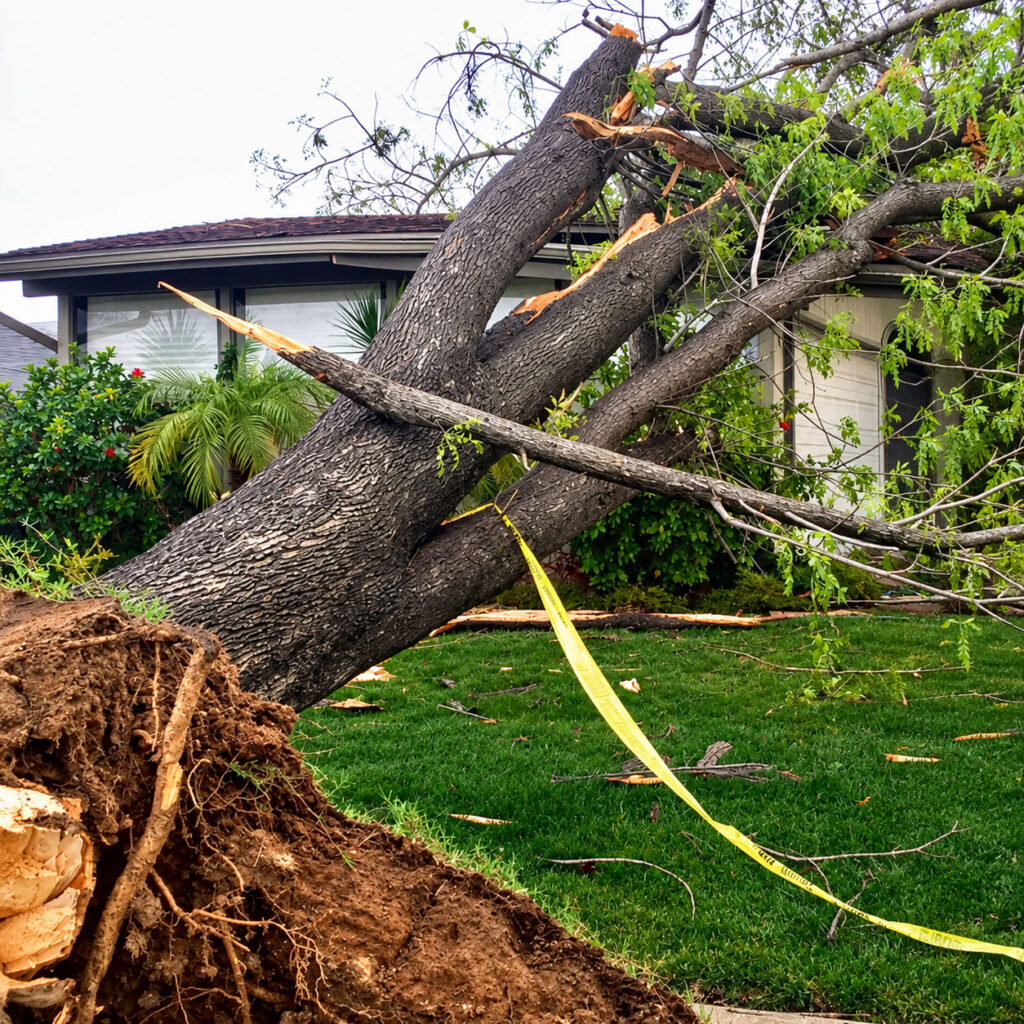
Most Texas homeowners policies include wind coverage. However, property owners in TWIA-eligible coastal counties, including parts of Harris County, may need separate windstorm insurance through the Texas Windstorm Insurance Association (TWIA) or a private insurer that offers windstorm add-ons.
Texas has a long history of devastating wind events, from Hurricane Harvey and Hurricane Laura to Hurricane Beryl and other recent tropical systems, that have caused widespread property losses due to strong winds and flying debris. Because of these recurring weather events, it’s essential to understand the scope and limits of your homeowners insurance policy before severe weather strikes.
Typically, covered damages include:
- Roof damage caused by high winds or flying debris
- Broken windows and siding
- Fences, sheds, or other structures directly hit by falling trees or branches
However, some policies only cover the primary dwelling, excluding detached structures like garages, workshops, or storage sheds. Many policies also include a separate percentage-based wind deductible, particularly in coastal areas, which can significantly affect what you pay before coverage applies. Coverage for hail damage may also have its own deductible or limits. Coverage disputes may also involve “concurrent causation,” where insurers argue that both covered and excluded causes contributed to the loss. Reviewing your policy in detail, especially your windstorm and hail endorsements, ensures you aren’t caught off guard after a major wind event.
If you discover gaps in your coverage or face unexpected claim denials, consulting a wind damage claims lawyer in Texas can help you protect your rights and pursue fair compensation.
A wind damage insurance lawyer can review your policy, explain coverage issues, and help resolve disputes over deductibles, exclusions, or denied wind damage claims.
Steps to Take If Your Insurance Won’t Cover Wind Damage
When you file any insurance claim, you will likely have to pay a deductible before insurance will pay anything. Your policy may also have a coverage limit that may or may not cover the remaining cost of the damage.
It can be disheartening and frustrating when insurance companies deny your claim or don’t provide the level of compensation you feel you’re entitled to. If your wind damage claim is denied or underpaid, don’t lose hope. Here are steps you can take to remedy the situation:
1. Review Your Policy Carefully: Check coverage limits, deductibles, and any exclusions that may apply to your situation.
2. Gather Strong Evidence: Keep photos, videos, repair estimates, and receipts to support the full extent of the wind damage.
3. Request Clarification: Ask your insurer for a written explanation of why your claim was denied or reduced.
4. Seek Legal Help: A wind damage lawyer can make a difference when dealing with stubborn insurance companies.
Not sure if your insurance covers all the damage? Get a FREE wind damage claim evaluation.
How Does a Texas Wind Damage Lawyer Assist with Delayed, Denied, or Underpaid Insurance Claims?
Under the Texas Prompt Payment of Claims Act (Texas Insurance Code Chapter 542), insurers are required to acknowledge, investigate, and decide on a claim within strict statutory timelines. If your insurer fails to meet these deadlines or withholds payment without cause, your attorney can take legal action where appropriate under Texas law.
Despite these protections, filing a wind damage insurance claim in Texas often becomes more complicated, especially when insurers delay, deny, or underpay valid claims. An experienced wind damage lawyer helps homeowners by reviewing policy language, evaluating damage reports, and identifying whether the insurance company is acting in bad faith. Your attorney can also review anti-concurrent causation clauses, which insurers sometimes rely on to limit or deny coverage when multiple causes contribute to a loss.
If negotiations fail, Texas law generally allows homeowners two years to file a lawsuit in many property damage cases, subject to applicable legal requirements. Therefore, homeowners should file their claims as soon as possible after a wind event and maintain detailed records, including photos, repair estimates, and adjuster communications. This documentation strengthens your position and helps address disputes over damage caused by wind.
Leveraging the Texas Prompt Payment Act Against Delayed Wind Claims
A delayed wind damage claim can leave you struggling to repair your home or business while waiting on your insurer. Common reasons for delays in claim payment include:
- A backlog of claims after major storms
- Requests for excessive documentation
- Adjusters undervaluing or overlooking damage
When insurance companies drag their feet on processing or paying out wind damage claims, Texas law provides important protections. The Texas Prompt Payment of Claims Act (Texas Insurance Code Chapter 542) establishes deadlines insurers must generally follow when handling covered claims.
Insurers generally must acknowledge a claim within 15 days, notify you whether they accept or reject the claim within 15 business days after receiving all required information, and issue payment within 5 business days after approval. Texas law may allow additional time in certain circumstances.
A Texas wind damage attorney can:
- Communicate directly with the insurer to push for timely updates.
- Ensure you meet all requirements and deadlines.
- File legal action when appropriate if the insurer fails to comply with applicable Texas law.
By enforcing your statutory rights, your lawyer helps hold insurers accountable for unnecessary delays and works to resolve your claim as efficiently as possible.
Fighting Unreasonable Denials in Wind Claims
A denied claim can feel overwhelming, especially when repairs can’t wait. Claims are often denied because:
- The insurer blames pre-existing damage or poor maintenance.
- The policy is misinterpreted, or exclusions are applied unfairly.
- The insurer claims the damage was caused by something other than wind.
- The insurer relies on policy exclusions or anti-concurrent causation language to dispute coverage.
A wind damage claim lawyer can:
- Review your denial letter and policy details.
- Request and evaluate the insurer’s written explanation for denying the claim.
- Gather additional evidence, such as expert inspections.
- Challenge the insurer’s reasoning through appeals or legal action.
With the right legal support, you have a stronger chance of reversing the denial and securing coverage.
A wind damage claim attorney can evaluate your denial, identify coverage issues, and build a stronger case to challenge an unfair insurance decision.
Challenging Lowball Offers and Unfair Depreciation in Wind Claims
Insurers often undervalue claims by minimizing repair costs or overlooking hidden damage. This can leave you with an underpaid wind damage claim, forcing you to cover the difference out of pocket. Disputes over percentage-based wind deductibles are another common reason policyholders receive less than expected.
A wind damage claim lawyer can:
- Work with contractors, engineers, and remediation specialists to document the full extent of the wind damage.
- Provide evidence of fair repair costs and necessary replacements.
- Negotiate or litigate to recover the compensation available under your policy.
By challenging an underpayment, your attorney helps ensure you don’t settle for less than what’s needed to restore your property.
Bad Faith Insurance Practices in Texas Wind Claims
After severe Texas windstorms, many property owners rely on their insurers to provide quick and fair compensation. However, some insurers act in bad faith by denying, delaying, or undervaluing legitimate claims. Knowing your rights under Texas law can help you respond effectively.
In Texas, bad-faith insurance falls under two main categories:
- Statutory bad faith, when insurers violate the Texas Insurance Code, such as failing to investigate a claim properly, misrepresenting policy terms, or refusing to pay without a reasonable explanation.
- Common law bad faith, when insurers act unreasonably or intentionally withhold payment even though liability is clear.
Both forms of bad faith are prohibited under Texas Insurance Code Chapter 541, which protects policyholders from deceptive or unfair claim settlement practices.
If your insurer’s actions feel unreasonable or dishonest after a windstorm, consulting a Texas wind damage lawyer can help you identify your legal options and hold the insurer accountable.
Identifying Bad Faith in Wind Claims Under Texas Law
Watch for these warning signs that your insurer may be acting in bad faith:
- Unreasonable delays in processing or responding to your claim
- Offering a lowball settlement far below the cost of repairs
- Misrepresenting policy terms or coverage exclusions
- Repeatedly requesting unnecessary documents or evidence
- Poor communication or failure to provide clear explanations for decisions
If you notice these red flags, consult an experienced Texas wind damage attorney who can evaluate your situation and determine whether your insurer may have violated Texas law.
How Wind Damage Attorneys Help with Bad Faith Insurance Claims?
A Texas wind damage claims lawyer can step in to protect your rights when insurers don’t play fair. Your attorney can:
- Review your policy and claim to identify potential bad-faith practices.
- Push back against unfair tactics through negotiation or legal action.
- Work with experts to document the full extent of the wind damage.
- Hold insurers accountable and pursue the compensation available under your policy.
With Pandit Law on your side, you gain a determined advocate who understands Texas insurance law and knows how to challenge insurers who fail to handle wind damage insurance claims fairly.
Why Choose Pandit Law: Your Experienced Partner for Wind Claims in Texas
When it comes to handling wind damage insurance claims, Pandit Law is a trusted partner for Texas homeowners and business owners. Our team combines legal experience, insurance insight, and local understanding to help clients recover after devastating wind events.
Here’s why Texans trust Pandit Law:
- Texas Focus, Nationwide Strength: We understand Texas insurance laws and develop legal strategies tailored to the unique challenges property owners face across the state.
- Experienced in Wind Damage Claims: We’ve handled complex storm and wind damage insurance claims across Texas.
- Proven Results: Our attorneys have helped clients pursue fair compensation for damage to their property.
- Strong Advocacy: We don’t hesitate to challenge insurance companies acting in bad faith.
- Personalized Support: Every case receives the individual attention it deserves.
If your wind damage claim was delayed, denied, or underpaid, call now to understand your legal options.
FAQs on Wind Damage Claims in Texas
Do Texas homeowners pay for wind damage?
It depends on your insurance policy. Most Texas homeowners have some level of wind coverage included in their standard homeowners insurance policy. However, property owners in TWIA-eligible coastal counties, including regions like Galveston, Houston, or Corpus Christi, may need a separate windstorm policy through the Texas Windstorm Insurance Association (TWIA). You’ll still be responsible for paying your applicable deductible, including any percentage-based wind deductible, before your insurer covers repair costs.
What does wind insurance cover in Texas?
Wind insurance typically covers a wide range of damages caused by strong winds, hurricanes, and tornadoes. Coverage may include:
- Business Interruption Coverage: Coverage for lost business income, if included in your policy.
- Roof Damage: Repairing or replacing missing shingles and structural roofing issues.
- Structural Damage: Damage to walls, ceilings, or foundations caused by high winds or flying debris.
- Siding and Exterior Damage: Cracks, holes, or missing panels on the exterior of your property.
- Personal Property Damage: Replacement of damaged belongings inside your home.
- Falling Trees and Debris: Removal and repairs if trees or debris cause damage to your property.
- Additional Living Expenses (ALE): Temporary housing and related costs while repairs are made, if covered by your policy.
Do I need a separate insurance policy for wind damage coverage?
If you live in a TWIA-eligible coastal county, your standard homeowners policy may exclude wind and hail coverage. In that case, you’ll need to purchase a separate windstorm policy from TWIA or a private insurer. Always confirm whether your policy includes or excludes windstorm damage, especially if you live in a hurricane-prone zone.
What’s the difference between Actual Cash Value (ACV) and replacement cost coverage for wind damage claims?
Actual Cash Value (ACV) coverage reimburses you for the depreciated value of your damaged property. On the other hand, replacement cost coverage pays the cost of repairing or replacing the damaged property without deducting for depreciation, subject to your policy’s terms and conditions.
Although replacement cost coverage provides broader protection, it usually comes with higher premiums.
When should I file a wind damage insurance claim?
File your claim as soon as possible after the storm. Texas law generally requires insurers to acknowledge a claim within 15 days and notify you whether they accept or reject it within 15 business days after receiving all required information. Promptly filing an insurance claim helps preserve your rights and reduces the risk of disputes over when or how the damage occurred.
What qualifies as Texas wind damage?
In Texas, wind damage includes harm caused directly by high winds, hurricanes, tornadoes, or severe storms. This can involve missing shingles, roof leaks, structural damage, broken windows, or downed fences and trees. Even small cracks or leaks can qualify if they were caused by winds rather than normal wear and tear.
If you’re unsure whether your loss qualifies, speak with a Texas wind damage attorney at Pandit Law for a free case review and professional guidance.
Contact a Wind Insurance Lawyer in Texas
At Pandit Law, our team has years of experience in helping homeowners and business owners resolve wind damage insurance disputes. We understand the unique challenges that arise after wind events and the complex policy language insurance companies use that can create confusion or delay the claims process.
Let us put our experience to work for you. Contact us today for a free consultation.
A wind damage insurance attorney can review your policy, address claim disputes, and advocate for the insurance benefits available under your coverage.
Pandit Law
25722 Kingsland Blvd Suite 103-A,
Katy, TX 77494
(By Appointment Only)
Call at: (504) 323-3045