

Hail Damage Attorney
Helping Texas Property Owners with Hail Damage Insurance Claims
A hailstorm can leave a Texas home with a damaged roof, water entering through storm-created openings, and damaged ceilings or interiors. The resulting repairs can be expensive, and you may not know what your insurance policy will cover.
Texas recorded 902 major hail events in 2025, the highest state total in the country. Homeowners in Dallas–Fort Worth, Houston, San Antonio, Austin, and North Texas may face claim delays, denials, disputes over cosmetic damage, depreciation, or low settlement offers after a hailstorm.
A hail damage claim attorney in Texas can review your claim, address insurance disputes, and help protect your rights throughout the process.
2,500+
homeowner insurance claimants helped and counting
11+
years of proven experience in property damage claims
4.9★
Google rating earned from satisfied clients
What Texas Homeowners Need to Know About Hail Damage Claims
Although common throughout colder climates, hail damage is also widespread across Texas. Even small hailstones can cause significant property damage. It can wreak havoc on vehicles, homes, and businesses, leaving homeowners facing extensive repairs and uncertainty about their insurance coverage. Roofs are the most affected surfaces of hail damage and can suffer significant damage requiring restoration.
Texas experiences more hail events than almost any other state in the nation, with North Texas and Houston among the most affected regions. These storms often form rapidly, giving little warning and leading to extensive property losses across large areas. For homeowners along the Texas coast, the Texas Windstorm Insurance Association (TWIA) may provide wind and hail coverage rather than a standard homeowners policy, depending on the property and available coverage.
Documenting hail damage promptly can help preserve evidence of the condition of your property. Take photos or videos of damage before making permanent repairs, and keep records of related damage and temporary repairs.

When a hail damage claim is filed, many insurance companies deny or underpay it by highlighting exclusions or vague policy language. That’s when having Pandit Law on your side can make a difference. Our team stands beside Texas homeowners, protecting their insurance rights and helping them address disputes with their insurers.
Common Types of Hail Damage
Hailstorms can leave behind costly destruction that insurers sometimes overlook or undervalue. Even smaller hailstones can weaken key parts of a property, leading to damage that may require repairs or replacement.
Common types of hail damage include:
- Roof shingles and roofing materials can suffer dents, cracks, bruising, or lost granules that may affect the roof’s condition.
- Gutters and downspouts can become dented, cracked, or displaced by hail impact.
- Flashing and vents can sustain dents or damage that may contribute to water intrusion.
- Skylights and windows can crack, chip, or break after a severe hailstorm.
- Siding can develop dents, cracks, or other visible signs of hail impact.
- Fences and exterior structures can sustain dents, breaks, or other physical damage.
- HVAC equipment can suffer damage to exterior components, including condenser fins.
- Interior water damage can occur when hail creates openings that allow water to enter the home.
If you experience hail damage in Texas, a hail damage insurance claim attorney can help you understand your policy and address disputes over covered property damage.
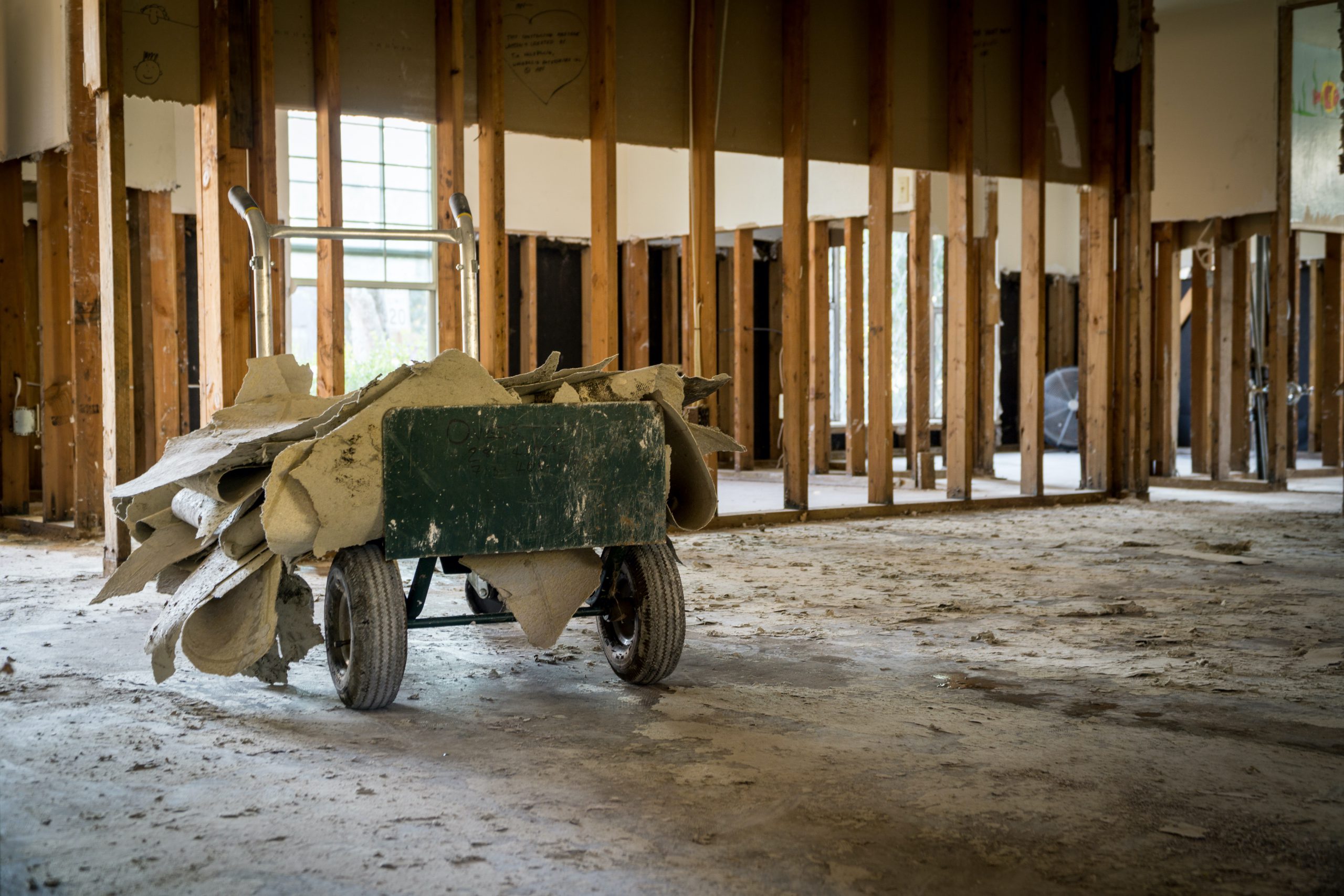
In the aftermath of a hail storm, every moment matters. Get help from a Texas hail damage lawyer today to safeguard your interests.
Awards and Recognitions






Google Reviews
Impact of Hailstorms in Texas and How a Hail Damage Attorney Can Help
As a part of the infamous “hail alley,” the state of Texas faces an extraordinary hailstorm risk. With 902 recorded major hail events in 2025 across the state, homeowners across Dallas–Fort Worth, North Texas, San Antonio, Austin, Houston, and the Panhandle can face repeated storms that damage roofs and other parts of their properties.
The financial toll speaks volumes. Texas Department of Insurance data shows that wind and hail have accounted for an average of 62% of homeowners’ losses since 2019. Recent storms continue to demonstrate the risk, including 2.5-inch hail reported in Bexar County in September 2026.
Repeated hail can worsen roof deterioration, cause leaks and interior damage, and make insurance claims more difficult to resolve. Homeowners may face disputes over the cause or extent of damage, delays, denials, or underpayment.
A hail damage insurance claim attorney in Texas can review your claim, address insurer disputes, and help protect your rights under your policy and Texas law.
Does Homeowners Insurance Cover Hail Damage?
Yes, most homeowners insurance policies cover hail damage, but the scope of coverage often depends on the fine print.
What’s usually covered:
- Roof repairs or replacement caused by hail impact
- Damage to siding, windows, and skylights
- Gutters and downspouts damaged by hail
- Personal property harmed by hail entering through broken openings
Common exclusions or limitations:
- Pre-existing roof wear and tear
- Cosmetic dents that insurers classify as “non-structural”
- Damage not reported within the required deadlines
If you experience hail damage or are unsure about your coverage, a hail damage claim lawyer in Texas can review your policy, explain your rights, and guide you through the claims process.

Roof Hail Damage Insurance Claims
Most policies include coverage for roof hail damage, but insurers may reduce payouts or deny claims based on exclusions. To protect your claim:
- Document roof damage thoroughly with photos and repair estimates.
- File your claim as quickly as possible.
- Keep copies of all communication with your insurer.
- Contact a hail damage insurance lawyer if your claim is denied, delayed, or underpaid.
Not sure if your insurance covers all the damage? Get a FREE hail claim evaluation.
Common Types of Hail Damage Claims in Texas
Hail damage is a major risk in Texas, affecting homes, commercial properties and vehicles across the state. Data show that Texas has consistently ranked first in the number of major hail events, with 1,302 severe hail events recorded in 2025 alone.
With storms this frequent and intense, the types of hail damage Texas property owners face can vary widely, from minor roof dents to major structural and vehicle losses.
Residential Hail Damage
Homeowners insurance typically covers hail damage, but exclusions often apply, especially for so-called “cosmetic damage”.
Coverage may include:
- Cracked roof shingles, missing granules, or dents from hail strikes
- Siding, gutters and exterior walls battered by repeated hail impact
- Windows and skylights broken or chipped by hailstones
It’s important to check your policy for limits on what “hail damage” means, and whether aesthetic damage without structural impact might be excluded.
Commercial Hail Damage
Hailstorms don’t only hit homes; many buildings across Texas, including in Houston, Dallas and Austin, endure hail events each year, and commercial policies come with their own complexity.
Key things businesses must review include:
- Whether the roof is included (flat roofs often trigger special provisions)
- Interior damage from hail-broken windows or leaks caused by roof punctures
- Tenant liability or business-interruption coverage when storm damage halts operations
Businesses need to act quickly after a hail event and document the loss before insurer inspections alter the condition.
Auto Hail Damage
Vehicles are extremely vulnerable during hailstorms, but the claims process differs. Coverage is found under your auto policy (not your homeowners policy).
Damage often includes:
- Dented hoods, roofs, or trunks from hailstones
- Chipped or shattered windshields and side windows
- Mirrors broken, sunroofs impacted, and water intrusion after roof damage
If your vehicle was damaged during a hailstorm, speak to your auto insurer promptly and consider consulting with an experienced hail-damage insurance claim lawyer in Texas to protect your rights.
How Does a Hail Damage Attorney Assist with Delayed, Denied, or Underpaid Insurance Claims?
When insurance companies delay, deny, or underpay claims, recovering the full compensation you deserve can be overwhelming. Hail damage claims in Texas are governed by strong consumer protection laws, including Texas Insurance Code §542, known as the Prompt Payment of Claims Act, and §541, which prohibits Unfair Claims Settlement Practices. When insurers delay, underpay, or deny claims without reasonable investigation, a Texas hail damage attorney can hold them accountable under these laws.
An experienced lawyer can enforce your rights by compelling insurers to comply with policy obligations, pursuing breach-of-contract actions, and seeking statutory interest or penalties when claim handling violates Texas insurance codes. With legal representation, homeowners can recover fair compensation faster and prevent insurers from using unfair tactics to minimize payouts.
Leveraging the Texas Prompt Payment Act Against Delayed Hail Claims
Under the Texas Prompt Payment of Claims Act (§542), insurers must acknowledge, investigate, and pay valid claims within specific timeframes. When they fail to do so, policyholders may be entitled to interest penalty and attorney’s fees. This law ensures insurers face real consequences for unnecessary delays, especially after major hailstorms that affect thousands of Texas homeowners.
Insurance companies sometimes take longer than expected to process hail claims, leaving property owners waiting for payments needed to repair or replace damaged property. Understanding why delays happen and how a lawyer can assist is crucial.
Payment for hail claims often gets delayed due to:
- High claim volumes after major storms
- Incomplete or unclear documentation was submitted to the insurer
- Disputes over the cause or extent of the damage
A hail damage claim attorney for a delayed insurance claim can review the delay, communicate with the insurer, and pursue available remedies under Texas law.
Fighting Unreasonable Denials in Hail Claims
Sometimes, insurers refuse to pay a hail claim entirely, leaving policyholders frustrated and unsure of their next steps. Denials often occur due to technicalities or disagreements over coverage, and a lawyer can step in to protect your rights.
Claims may be denied for reasons such as:
- Alleged pre-existing damage
- Policy exclusions or misinterpretation of coverage
- Discrepancies between the insurer’s assessment and actual damage
A hail damage claim attorney for a denied insurance claim can investigate the denial, gather supporting evidence, and challenge the insurer’s position when the facts and policy support doing so.
Challenging Lowball Offers and Unfair Depreciation in Hail Claims
Even when a claim is approved, you might receive settlements that don’t cover the full cost of repairs. Underpayment can leave property owners paying out of pocket, making legal guidance essential.
A hail damage claim attorney for an underpaid insurance claim can review the insurer’s estimate, assess the documented damage, and challenge an inadequate payment when the policy supports additional recovery.
Bad Faith Insurance Practices in Texas Hail Claims
After a major hailstorm, some insurers in Texas may use bad-faith tactics to limit or delay payouts. Policyholders often face frustration when valid claims are unfairly denied, underpaid, or delayed, leaving them to cover costly repairs out of pocket.
Texas law protects homeowners from such conduct under two key categories:
- Statutory Bad Faith: Defined under Texas Insurance Code §541 (Unfair Claims Settlement Practices), this law prohibits insurers from misrepresenting policy terms, ignoring evidence, or failing to conduct reasonable investigations.
- Common-Law Bad Faith: This occurs when an insurer knowingly or recklessly disregards a policyholder’s rights or fails to settle a valid claim in good faith.
In addition, Texas Insurance Code §542 (Prompt Payment of Claims Act) sets strict deadlines for insurers to acknowledge, investigate, and pay valid claims. Failure to meet these deadlines may result in statutory interest penalties and recovery of attorney’s fees.
Common bad-faith behaviors in hail claims include:
- Labeling clear hail impact as “wear and tear”
- Offering lowball estimates far below actual repair costs
- Ignoring contractor or expert documentation
- Failing to communicate promptly or provide valid reasons for denial
If you suspect your insurer is acting in bad faith, you have the right to challenge these violations through legal action with the help of an experienced Texas hail damage attorney.
Identifying Bad Faith in Hail Claims Under Texas Law
Insurance companies are expected to act in good faith when handling claims, but some insurers may take actions that unfairly disadvantage policyholders. Knowing what to watch for can help you identify if your claim is being mishandled.
Key red flags that may indicate bad-faith insurance practices include:
- Unreasonable delays in processing or responding to claims
- Denying claims without proper investigation or explanation
- Offering settlements far below the documented cost of repairs
- Misrepresenting policy terms or coverage limits
- Failing to communicate important information about claim status or deadlines
If you’re unsure whether your claim is being mishandled, a Texas hail damage attorney can review your documentation and determine if bad-faith laws apply to your situation.
How Hail Damage Attorneys Help with Bad Faith Insurance Claims?
When an insurance company acts in bad faith, dealing with insurers alone can be overwhelming and risky. A Texas hail damage lawyer from Pandit Law can step in to protect your rights and pursue the compensation you deserve.
They help by:
- Reviewing your insurance policy and claim history for violations
- Gathering evidence from contractors, damage experts, and documentation to support your case
- Negotiating with insurers to resolve disputes or escalate claims if necessary
- Taking legal action to hold insurers accountable and pursue full compensation
Why Choose Pandit Law: Your Trusted Partner for Hail Claims in Texas
Pandit Law is a trusted choice for property owners facing hail damage claims in Texas. With extensive experience and a commitment to protecting clients’ rights, our team of hail damage lawyers works to ensure you receive fair insurance compensation. We combine local knowledge with national expertise to handle even the most complex claims efficiently and effectively.
Here’s what sets our hail damage lawyers apart:
- Experienced in Hail Damage Claims: Years of handling complex hail claims give us the knowledge to navigate insurers’ tactics.
- Proven Track Record of Success: We have a history of helping clients secure the compensation they deserve.
- Aggressive Advocate Against Bad Faith: We hold insurers accountable for delays, denials, and underpayments.
- Personalized Case Evaluation: Each claim receives careful attention tailored to the property owner’s unique situation.
- Local Knowledge, National Expertise: We bring deep understanding of national regulations, local legal landscape, and insurer practices when serving Texas communities and surrounding Gulf Coast regions.
If your hail claim was delayed, denied, or underpaid, call now to understand your legal options.
FAQs on Hail Damage Claim in Texas
Is it worth filing a claim for hail damage?
Yes, if the damage affects your roof, siding, or windows, filing a claim is often worthwhile. Even small dents or cracks can worsen over time, leading to water leaks and higher repair costs. A Texas hail damage attorney can review your policy and help determine whether filing a claim is in your best financial interest.
Can I keep the money from a hail damage claim?
If you own your home outright, you generally can. However, if your mortgage lender is listed on your policy, the check may be made out to both you and the lender. Funds are typically released after repair verification. It’s important to use the settlement for actual repairs to avoid future coverage issues.
How long do I have to file a hail damage claim in Texas?
Under the Texas Insurance Code, you generally have two years from the date of loss or from when you discovered the damage to file a claim or lawsuit. However, your insurance policy may set a shorter window. To avoid missing important deadlines, consult a hail damage insurance claim lawyer in Texas as soon as possible.
How much is a claim for hail damage?
The value depends on the extent of damage, plus your deductible and policy limits. Most insurance policies cover the total cost of damage minus the deductible. On average, homeowners claim roughly $12,000 for residential hail damage and about $4,300 for auto hail damage. Your actual payout can be higher or lower depending on the severity of damage and your coverage terms. A Texas hail damage lawyer can help ensure your insurer values your claim fairly and pays what you’re owed.
My patio collapsed during hail-damaged roof repairs, but insurance denied coverage, citing construction and code defects. Can I still challenge the denial?
Yes. Insurers sometimes deny claims by blaming unrelated “construction defects”. However, if the collapse was connected to hail-related repairs or insurer-approved contractors, you may still have grounds to challenge. A Texas hail damage attorney can investigate whether your insurer’s denial violates Texas Insurance Code §541 or §542.
How does insurance pay out for hail damage?
Most insurers issue payment in two parts:
- Actual Cash Value (ACV): The initial amount, minus depreciation.
- Recoverable Depreciation: Released after repairs are completed and verified.
If your insurer delays or withholds payment without cause, a hail damage insurance claim lawyer in Texas can enforce your rights under the Texas Prompt Payment of Claims Act.
Will my homeowners insurance go up if I file a claim for hail damage?
Filing a hail claim typically doesn’t raise your rate directly, since hail is considered an “Act of God”. However, rates may rise in your area after widespread storms. The bigger risk is not filing; unrepaired damage could lead to denials in future claims. A Texas hail damage attorney can guide you on when and how to file strategically.
Contact a Hail Insurance Attorney in Texas
If you are having difficulty with the insurance company, our Texas hail damage insurance claim lawyers can help. You may qualify for compensation through legal action. For more information, please contact Pandit Law today for a 100% free case review.
Pandit Law
25722 Kingsland Blvd Suite 103-A,
Katy, TX 77494
(By Appointment Only)
Call at: (504) 323-3045