
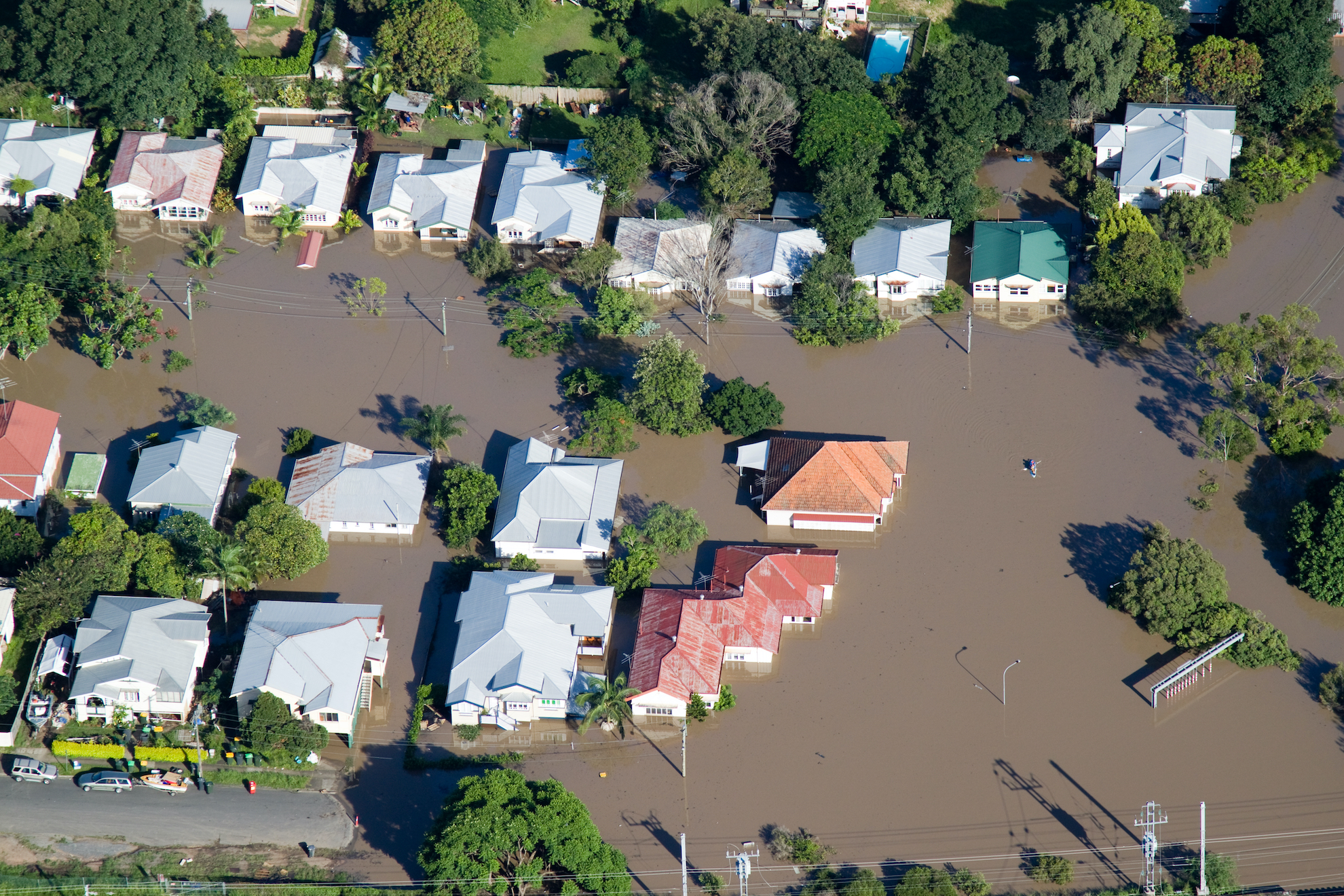
Flood Damage Attorney
Helping Texas Property Owners with Flood Insurance Claims
Flooding in the Texas Gulf Coast can be sudden and devastating, leaving homeowners with significant property damage and financial stress. Many Texas residents face challenges navigating the complex claims process, especially when insurance policies narrowly define “flooding” or when adjusters attempt to minimize payouts.
If your claim is delayed, denied, or undervalued, a Texas flood damage attorney at Pandit Law can help. Our attorneys review your policy, explain your options, and advocate for fair compensation so you can start rebuilding your home and your life.
Contact our team today to discuss your claim and understand your legal remedies.
2,500+
homeowner insurance claimants helped and counting
11+
years of proven experience in property damage claims
4.9★
Google rating earned from satisfied clients
What You Need to Know About Flood Damage Claims in Texas
Most flood insurance policies cover direct damage to buildings and personal property from flooding. What caused the damage and its extent may be a point of contention with the insurance company. There may also be questions about whether your homeowners or flood insurance policy should cover the damage.
Determining what caused the damage – flood vs. wind, for example – can affect how much you can recover from your insurance company. For instance, homeowners policies usually pay for you to live somewhere else while contractors repair your home. Flood insurance does not usually offer loss of use coverage.
To better protect your property, consider purchasing a separate flood insurance policy through the National Flood Insurance Program (NFIP) or a private insurer. These policies can provide additional coverage beyond your homeowner’s insurance, helping ensure you are prepared for both common and severe flood events.
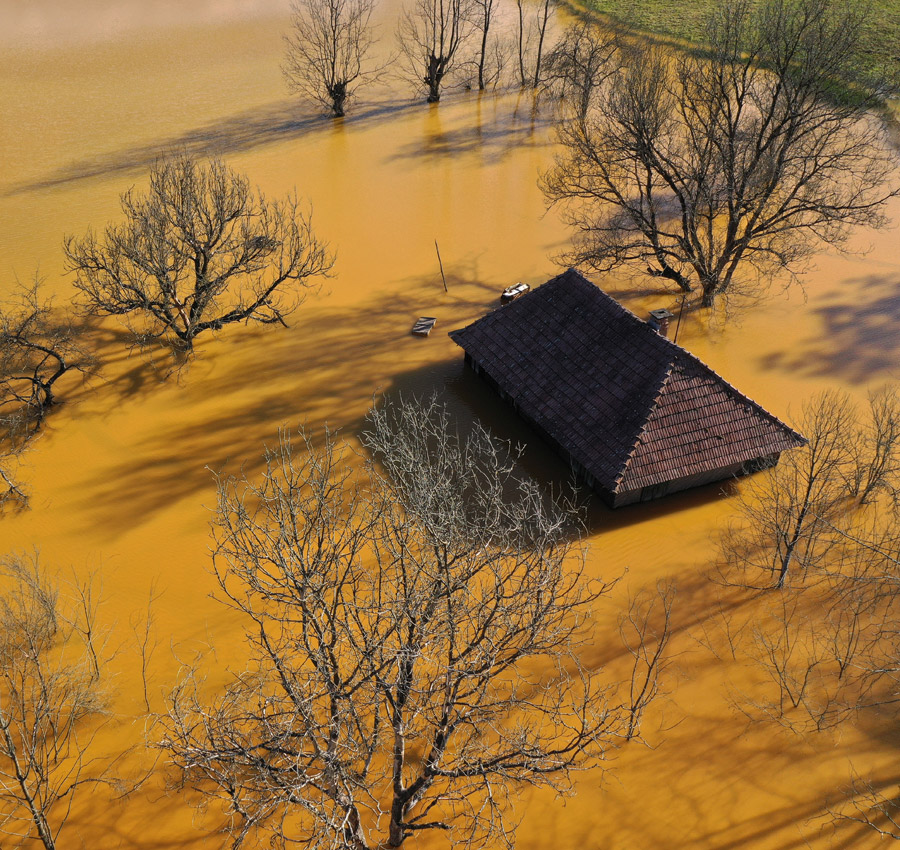
Examples of Flood Damage
Texas has seen devastating floods in recent years, including significant events in Kerr County and the Texas Hill Country. These floods caused widespread property damage, from destroyed homes and flooded basements to damaged roads and compromised infrastructure.
Homeowners faced not only structural losses but also mold growth, ruined personal property, and lengthy recovery timelines.
A devastating flood can cause catastrophic structural damage to your property, making immediate insurance coverage vital. When you are forced to file a claim quickly, the insurer must act promptly to cover your losses.
Common flood damage includes:
- Collapsed ceilings from water retention.
- Water damage to the home’s foundation.
- Basement wall and floor cracks from water pressure.
- Weight-bearing structures that are destroyed or contaminated.
In severe cases, flood damage can so damage the home’s structural integrity that it is uninhabitable. The home may need to be demolished and rebuilt.
If the insurance company drags its feet to cover your damages, you can fight for the owed coverage by pursuing legal action. Our experienced flood damage attorneys can step in to evaluate your losses, hold insurers accountable, and guide you through the claims process so you are not left to handle the financial burden alone.
Floods and Mold Growth
Flood-prone areas in Texas experience plenty of severe weather, including heavy rains and hurricanes. This can lead to harsh flood conditions that can wreck your home or commercial property.
Water damage can encourage mold growth, which is hazardous to human health. In some cases, excessive mold growth can even be life-threatening. But getting large amounts of mold removed in hard-to-reach areas is expensive, and getting that covered can be a challenge.
If the insurance company will not pay the full amount to repair the home to its pre-incident condition, you may need to take legal action. After you have paid for a flood insurance policy, you should not have to worry about getting the coverage you deserve.
Experienced Texas flood damage attorneys at Pandit Law can help you challenge unfair delays or denials and fight for the compensation needed to restore your property.

Not sure if your insurance covers all the damage? Get a FREE flood claim evaluation.
Awards and Recognitions






Google Reviews
The Impact of Major Floods in Texas and the Role of a Flood Damage Attorney
Texas experiences an average of around 400 flooding events each year, making floods one of the state’s most common natural disasters. Notable events, such as the 2015 Blanco River flood, caused extensive property destruction, displacing residents and leaving many homeowners with costly damages. This highlights the critical importance of having proper flood insurance and understanding how to navigate the claims process effectively.
Floods can lead to extensive property damage, from structural issues and waterlogged interiors to costly repairs and lost business operations. Recovering from such events is often complicated by insurance policies that may not fully cover your losses.
Skilled flood damage attorneys can guide you through the insurance claims process, ensuring your damages are properly documented, negotiating with insurers, and advocating for the compensation needed to restore your property. Whether you’re a homeowner or business owner, having experienced attorneys on your side can make the difference in securing a fair settlement.
How to File a Flood Insurance Claim in Texas?
Flood insurance in Texas is governed in part by federal regulations, including policies issued through the National Flood Insurance Program (NFIP). These regulations set coverage standards, filing requirements, and timelines for flood claims, ensuring homeowners have a clear process for recovering from flood damage. Whether you have an NFIP policy or private flood insurance, understanding these rules is critical before filing your claim.
If a flood damages your home, you need to file a flood insurance claim. This process involves having the home inspected by a professional to determine the extent of the damage and the cost of repairs.

Follow these steps to file your claim for the best results:
1. Talk to Your Flood Insurance Company: Call your insurance company and tell them you need to file a flood insurance claim. It may take some time for the adjuster to get to you, but politely insist they arrive as soon as possible before the damage worsens.
2. Take Pictures if You Clean Up the Property: It is not advisable to clean up your property before the adjuster arrives. However, it is critical to take photos and videos of the damage to present to the adjuster if you do so.
3. Prepare and Submit a Signed Proof of Loss Statement: When the insurance adjuster arrives, they will inspect the property for damages and losses. You must submit a signed proof of loss statement, along with supporting documentation, to the insure within the policy’s required deadline. This is a formal, sworn document required by NFIP and many private insurers that details the damage and the amount of money you are claiming.
After the adjuster determines the extent of the damage and pays the claim, the restoration process begins. Usually, repairing a flood-damaged home includes these steps:
- Extracting water from the carpet, furniture, flooring, and foundation.
- Removing all unsalvageable property.
- Drying every surface to inhibit mold growth.
- Cleaning every surface damaged by flooding.
- Replacing or repairing damaged personal property.
If the insurance company will not pay the full amount to repair the home to its pre-incident condition, you may need to take legal action. After you have paid for a flood insurance policy, you should not have to worry about getting all the coverage you paid for. A skilled flood insurance claim attorney can review your policy and advocate for the compensation needed to fully restore your property.
Need help filing your flood insurance claim correctly? Speak with a Texas flood damage lawyer to get it done right.
How a Flood Damage Attorney Assists with Delayed, Denied, or Underpaid Insurance Claims?
Flood damage claims can be complicated, especially in Texas, where both National Flood Insurance Program (NFIP) policies and private flood insurance options have specific filing and payment timelines. Despite the protections under the TPPCA, many homeowners still face denials, delays, or underpayments. That’s where a Texas flood damage attorney can step in to protect your rights and ensure your claim is handled fairly.
Whether you’re insured through the NFIP or a private carrier, having a knowledgeable attorney ensures your claim is pursued efficiently and your rights are fully protected.
Leveraging the Texas Prompt Payment Act Against Delayed Flood Claims
In Texas, the Texas Prompt Payment of Claims Act (TPPCA) protects policyholders from unnecessary insurance delays. Under this law, insurance companies must acknowledge, investigate, and pay valid claims within specific timeframes. When insurers fail to meet these deadlines, homeowners may be entitled to an 18% statutory interest penalty on the delayed amount, along with reasonable attorney’s fees. These penalties are designed to hold insurers accountable and encourage timely payment after flood losses.
Delays in the payment of flood insurance claims often happen when insurers demand excessive paperwork, send multiple adjusters, or drag out inspections. These delays can be especially harmful when urgent funds are needed to address structural damage, repair weakened foundations, or replace essential belongings.
A flood damage attorney helps resolve these issues by managing communication with the insurer, providing complete documentation from the start, and enforcing required timelines. By holding insurers accountable, they ensure Texas property owners can move forward with necessary repairs without unnecessary setbacks.
Fighting Unreasonable Denials Flood Claims
Flood claim denials often happen due to disputes over coverage, filing errors, or when insurers classify the damage as something other than “flooding.” For property owners in Texas, this can lead to costly repairs for damaged interiors, weakened foundations, or lost inventory.
In these situations, a Texas attorney for denied flood claims carefully reviews your policy, collects expert reports, and challenges the insurer’s decision. If needed, they can escalate the matter through appeals or litigation, ensuring property owners have the best chance to recover the compensation necessary to restore their home or business.
Challenging Lowball Offers and Unfair Depreciation in Flood Claim
Insurers sometimes undervalue flood damage by overlooking hidden structural issues, providing low estimates on damaged property, or excluding necessary mold-related repairs. These tactics can leave property owners struggling to cover the full cost of restoring their home or business.
A skilled flood damage attorney documents the full extent of your losses, including structural damage, personal property, and mold remediation costs. They gather expert assessments, photographs, and detailed reports to support your claim.
If your flood insurance payout is insufficient, a flood damage attorney works to negotiate with the insurer or pursue legal remedies to recover the full compensation needed to repair your property and return it to its pre-flood condition.
Bad Faith Insurance Practices in Texas Flood Claims
After a major flood, Texas homeowners depend on insurers to handle their claims fairly. Unfortunately, some insurance companies engage in bad-faith practices, such as unnecessary delays, low settlement offers, or unjustified denials. These actions can leave policyholders struggling to rebuild when they most need support.
Understanding how bad faith works is crucial for anyone filing a Texas flood insurance claim. There are two main types of bad-faith claims in Texas:
- Statutory Bad Faith: Governed by Texas Insurance Code Chapter 541, this covers unfair or deceptive settlement practices, such as misrepresenting policy terms, failing to investigate promptly, or refusing to pay valid claims.
- Common Law Bad Faith: This arises when an insurer knowingly or recklessly denies a legitimate claim or fails to handle it in good faith.
Both forms of bad faith violate your rights as a policyholder. If you suspect your insurer has acted unfairly, a Texas flood insurance attorney can help hold them accountable and pursue full compensation under the law.
Identifying Bad Faith in Flood Claims Under Texas Law
Recognizing the warning signs of bad-faith behavior can help you take timely action. Watch for these common red flags from insurers:
- Excessive delays in processing claims.
- Lowball settlement offers that undervalue damage.
- Misrepresentation or misinterpretation of policy coverage.
- Poor or unresponsive communication from the insurer.
- Repeated requests for unnecessary documentation.
If you notice any of these issues, it may be time to consult a Texas flood damage attorney. They can review your claim, identify signs of bad faith, and take the legal steps needed to protect your right to fair compensation.
How Flood Damage Attorneys Help with Bad Faith Insurance Claims?
A bad-faith flood insurance claim lawyer from Pandit Law can step in to protect policyholders. They review your policy, gather evidence of damages, and challenge unethical insurer practices. By negotiating directly with the insurer or pursuing legal action when necessary, our attorneys ensure your claim is handled fairly and help you recover the compensation needed to restore your property.
If you’re facing delays or unfair treatment after a flood, a Texas flood damage attorney from Pandit Law can help you hold insurers accountable and secure the recovery you deserve.
Why Choose Pandit Law: Your Experienced Partner for Flood Claims in Texas
Pandit Law is a trusted choice for flood damage property claims because we combine local knowledge with national expertise, aggressive advocacy, and a client-focused approach. Our experienced flood property damage lawyers are dedicated to helping homeowners and businesses in Texas get the fair compensation they deserve.
Key Strengths:
- Experienced in Flood Damage Claims: Years of handling complex flood insurance claims for both residential and commercial properties.
- Proven Track Record of Success: Successfully guiding clients through denied, delayed, and underpaid claims.
- Aggressive Advocate Against Bad Faith: Holding insurers accountable when they act unfairly or unethically.
- Personalized Case Evaluation: Each claim receives tailored attention to maximize coverage and recovery.
- Local Knowledge, National Expertise: Serving Texas and surrounding Gulf Coast areas, with a deep understanding of regional flood risks and insurance practices.
If your flood claim was delayed, denied, or underpaid, call now to understand your legal options.
FAQs on Flood Damage Claims in Texas
Does Texas homeowner’s insurance cover flood damage?
No, standard homeowner’s insurance in Texas typically does not cover flood damage. You’ll need a separate flood insurance policy – either through the National Flood Insurance Program (NFIP) or a private insurer – to protect against rising water, flash floods, or storm surges. A Texas flood damage attorney can help you understand your policy and ensure you have the right coverage in place.
What’s the difference between the National Flood Insurance Program (NFIP) vs. private flood insurance?
The NFIP, backed by FEMA, offers standardized coverage limits and is often required for homes in designated flood zones. Private flood insurance, on the other hand, can provide higher coverage limits, faster claim processing, and broader protection for personal property or additional living expenses. A Texas flood insurance attorney can review both options to help you choose the right one for your needs.
How much damage can a flood cause in Texas?
Floods in Texas can cause catastrophic damage, from foundation cracks and roof collapses to mold infestations and total property loss. The state averages about 400 flood events each year, particularly along coastal and low-lying regions. Repair costs can easily exceed six figures without adequate insurance coverage.
Who was affected by the Texas flood in July 2025?
The July 2025 Texas flood devastated large parts of Central Texas Hill County, displacing families and damaging thousands of homes. Kerr County, Burnet County, and areas along the Guadalupe River were hit hardest, with widespread power outages and infrastructure loss. Many property owners are still navigating the complex flood insurance claim process today.
What are the deadlines in Texas flood claims?
Flood insurance claims in Texas must generally be filed within 60 days of the flood event under NFIP rules. Private policies may have shorter timelines, so reviewing your policy early is critical. Missing a deadline could lead to reduced or denied compensation.
How long does an insurance company have to settle a flood claim in Texas?
Under the Texas Prompt Payment of Claims Act (TPPCA), insurers must acknowledge and begin processing a claim within 15 days of receiving notice. If they delay payment without a valid reason, you may be entitled to 18% interest penalties plus attorney’s fees. A Texas flood damage attorney can help enforce these deadlines and hold insurers accountable.
Contact a Flood Insurance Attorney in Texas
When you are recovering from a disastrous flood, the last thing you want is an insurance company dispute. As you restore your property, you will need funds that you thought you were entitled to when you bought flood insurance.
If you are having difficulty with the insurance company, Texas flood damage insurance claim lawyers at Pandit Law can help. You may qualify for compensation through legal action. For more information, please call Pandit Law today for a complimentary case review.
Pandit Law
25722 Kingsland Blvd Suite 103-A,
Katy, TX 77494
(By Appointment Only)
Call at: (504) 323-3045