

Bad Faith Attorney
Helping Houston, TX Property Owners with Bad Faith Insurance Claims
Texas property owners often deal with delays, low settlement offers, or unfair denials after serious damage to their homes or businesses. This can make recovery harder, leaving you to cover repairs on your own while waiting for answers.
When you’re dealing with stalled communication, repeated requests for documents, or payments that don’t reflect actual repair costs, it may be a sign that the company isn’t acting fairly under Texas law. Working with a lawyer familiar with such bad faith insurance tactics can help you push back.
If you’re struggling with delays or low offers, a Texas bad faith insurance claim attorney can step in to protect your rights and help you move your claim forward.
2,500+
homeowner insurance claimants helped and counting
11+
years of proven experience in property damage claims
4.9★
Google rating earned from satisfied clients
What Is Bad Faith Insurance?
Bad faith insurance refers to situations where an insurer fails to handle a valid claim fairly, honestly, or within a reasonable timeframe. In Texas, this often shows up as delays, low offers, or excuses that make it harder for property owners to recover from major losses.
Examples of bad faith conduct may include:
- A water damage claim where the insurer postpones inspection or refuses payment without a legitimate reason.
- A hurricane damage claim where the insurer offers a settlement far below the cost of repairs, despite obvious storm-related destruction.
If you’re dealing with delays or low offers, speaking with a Texas bad faith insurance attorney can help you understand your options and push for a fair result.

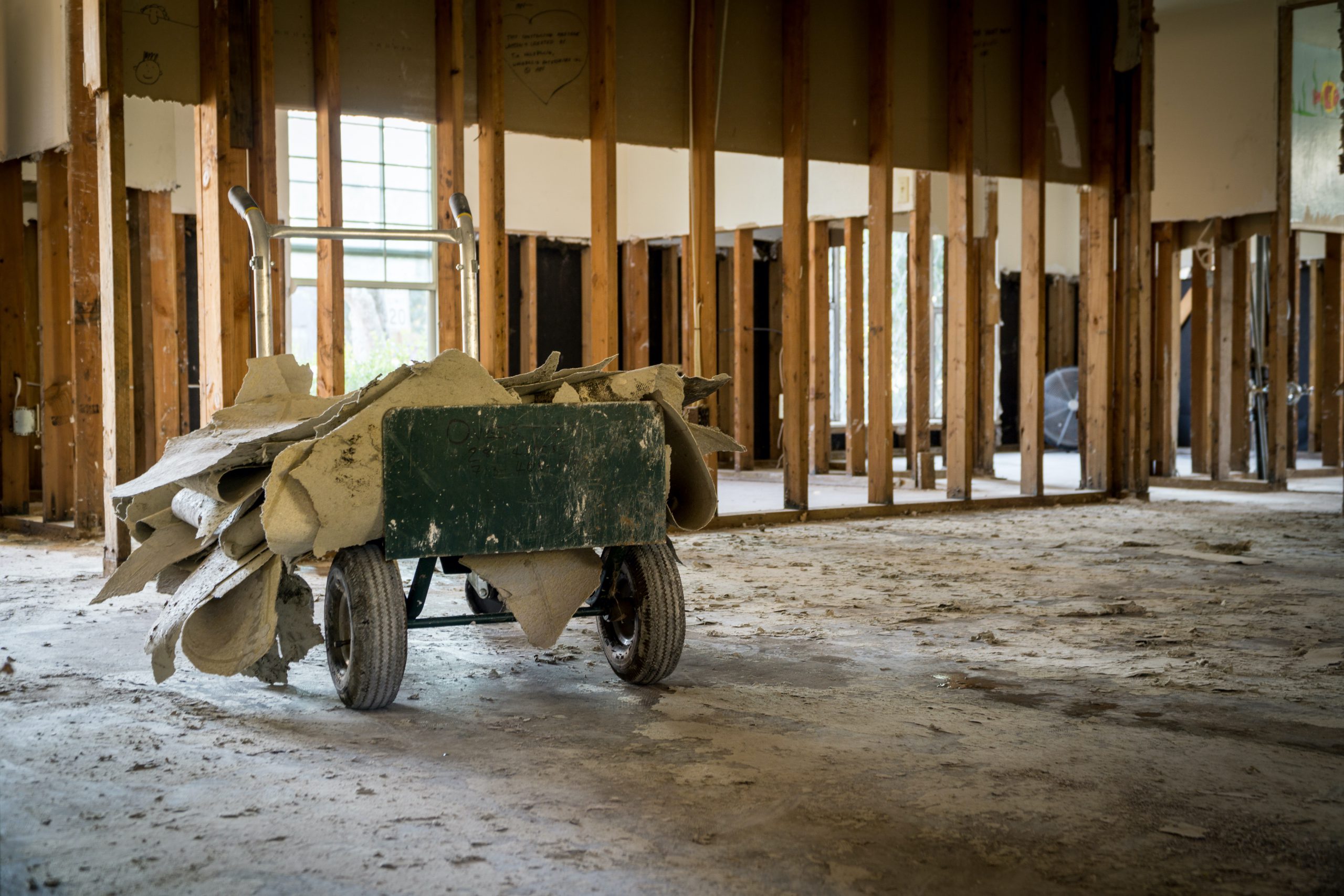
If your insurer is acting unfairly or providing misleading information, legal guidance can help you understand your rights under a bad faith claim.
Awards and Recognitions






Google Reviews
Understanding Texas Bad Faith Insurance Laws
Texas has specific laws that outline how insurers must investigate, evaluate, and pay property damage claims. These rules exist to discourage unfair tactics, enforce timely communication, and give policyholders legal avenues to recover penalties when insurers fail to meet their obligations.
Common Law Duty
Texas common law requires insurance companies to treat policyholders fairly and act in good faith when handling claims. They must evaluate claims honestly, disclose relevant information, and avoid tactics that place their financial interests above policyholders’.
When an insurer knowingly ignores valid evidence, delays payment without justification, or denies a claim without proper investigation, it may be considered a breach of this duty. And if such a breach occurs, affected policyholders may pursue damages for financial losses caused by the insurer’s conduct, including the cost of repairs and other related expenses beyond the insurance policy.
Statutory Law
Texas also enforces insurer accountability through statutes that define unfair practices and set strict deadlines for handling claims. These laws give policyholders leverage when an insurer delays payment, ignores evidence, or fails to explain its decisions.
Chapter 541 focuses on unfair or deceptive conduct during the claim process. Under this statute, an insurer cannot:
- Misrepresent policy terms, coverage, or benefits
- Refuse to pay a claim without conducting a reasonable investigation
- Fail to offer a fair settlement when liability is reasonably clear
- Deny a claim without providing a meaningful explanation
A violation of Chapter 541 may support a statutory bad faith claim, which can result in financial penalties, additional damages, and attorney fees.
Chapter 542, often called the “Prompt Payment Act,” sets deadlines for acknowledging, investigating, and paying valid claims. Under this law, insurers must:
- Respond to a claim and begin investigating within 15 business days.
- Accept or reject the claim within 15 business days after receiving all necessary information.
- Pay accepted claims within 5 business days after agreeing to do so.
If an insurer violates these deadlines without good reason, they may be required to pay:
- The amount owed on the claim
- An 18% statutory interest penalty
- Reasonable attorney fees
Together, Chapters 541 and 542 give Texas policyholders meaningful remedies when insurers delay, underpay, or mishandle claims, and they serve as the foundation for many bad faith insurance disputes in the state.
Common Signs of Bad Faith by Insurers
Bad faith conduct isn’t always obvious early on, but the pattern becomes clearer as the claim moves forward. Texas property owners often notice repeated delays, confusing responses, or low settlement offers that don’t match documented losses. Recognizing these behaviors early can help you decide when it makes sense to involve someone who can push back.
Some common signs of bad faith in Texas include:
- Delays in inspections, estimates, or payment without a reasonable explanation.
- Lack of response, acknowledgement, or repeated requests for the same information when you submit documents or evidence.
- Settlement offers that fall short of the actual cost of repairs or replacement.
- Coverage denials that don’t align with policy terms or proven damage.
- Misrepresenting policy language, exclusions, or limits to justify reduced payment.
Noticing unfair claim tactics? A FREE claim evaluation can help protect your right to full compensation.
What Homeowners Should Do If Experiencing Bad Faith Conduct in Houston, TX
If you suspect your insurer isn’t handling your property damage claim fairly, taking early, organized steps can help protect your rights and strengthen your position. Many Texas policyholders deal with stalled communication, unclear explanations, or settlement offers that don’t cover real repair costs, so documenting the process is critical from the start.
Here are practical steps that can help you stay prepared:
- Review your policy to understand what is covered, what is excluded, and your applicable limits.
- Keep a written record of every call, email, or conversation, including dates, names, and what was discussed.
- Save copies of estimates, photos, invoices, and any documentation you submit or receive.
- Follow up verbal conversations with brief written summaries to avoid disputes later.
- Respond promptly to requests for information so insurers can’t blame delays on you.
- Request written explanations for denials, low offers, or ongoing delays to understand the insurer’s position.
- File a complaint with the Texas Department of Insurance if the situation doesn’t improve.
- Consider speaking with a bad faith insurance claim attorney in Texas if your claim continues to stall or communication breaks down.

Taking action quickly can help you avoid lengthy delays and put you in a stronger position if you need legal support.
How a Texas Bad Faith Insurance Claim Lawyer Can Help with Delayed, Denied, or Underpaid Claims
Texas law offers strong protections for policyholders, but many property owners still deal with long delays, unexplained denials, or settlement offers far below actual repair costs. Texas statutes such as the Prompt Payment of Claims Act (TPPCA), Texas Insurance Code Chapter 541, and Texas Insurance Code § 542.060 can help hold insurers accountable. In some cases, policyholders also face deadlines like the two-year statute of limitations or must deal with TWIA-related disputes after severe weather, making timely support even more important.
An experienced bad faith insurance claim lawyer can step in, enforce legal deadlines, and help you pursue penalties when insurers don’t follow the rules.
Delayed Claims
When an insurer stalls the claim process or fails to meet Texas prompt payment standards, it can lead to months of uncertainty and mounting costs. A Texas bad faith insurance attorney can help by:
- Reviewing whether deadlines in the Prompt Payment Act were missed without justification.
- Communicating with the insurer to move the claim forward and request updates.
- Pursuing statutory interest or penalties under § 542.060 when delays violate Texas law.
Acting quickly can prevent your claim from being stuck in repeated requests, extensions, or unexplained silence.
Denied Claims
Insurers cannot deny a valid claim without a reasonable basis, and they must clearly explain why a denial was issued. When denial occurs without proper investigation or evidence, a lawyer can:
- Review the grounds for denial and advise whether it complies with Texas Insurance Code Chapter 541.
- Gather documents, reports, and expert assessments to support coverage.
- Challenge improper denials and seek remedies if the insurer acted unfairly.
Legal support can help you push back against wrongful denials that leave you covering losses out of pocket.
Underpaid Claims
Some insurers offer less than the actual cost of repairs, even when damage is well-documented. When this happens, a Texas attorney can:
- Compare settlement offers to documented costs and identify gaps.
- Collect additional estimates or reports to support your claim.
- Negotiate for full payment and pursue penalties if the underpayment violates state law.
If your payment doesn’t match actual repair expenses, a Texas bad faith lawyer reviewing the offer may help you avoid accepting less than what you’re owed.
If your claim was delayed, denied, or underpaid, call now to speak with our team and find out if we can help.
Why Choose Pandit Law for Texas Bad Faith Insurance Claims
Texas homeowners turn to Pandit Law when insurance companies delay, deny, or drastically undervalue property damage claims. We understand how overwhelming these disputes can feel, especially when you’re managing repairs or temporary living expenses, and we focus on helping clients challenge unfair tactics with confidence.
- Clear Insight into Insurance Company Tactics: We understand from personal experience how insurers limit payouts, question property damage, or stretch timelines, and we build strategies that address these challenges head-on.
- Experience with Complex Property Damage Claims: Our team has years of experience handling difficult insurance disputes, helping homeowners pursue fair outcomes after severe weather or unexpected loss.
- Focused Advocacy for Policyholders: When insurers fail to uphold their responsibilities, we work to enforce accountability and pursue the remedies available under Texas law.
- Tailored Claim Review and Strategy: Every claim is different. We assess the facts, documentation, and policy terms to determine a strategy that makes sense for your situation.
- Local Understanding with National Experience: We work with homeowners throughout the country and particularly focused in Texas, including major metro areas like Dallas and Houston, and understand the unique challenges that come with high-impact storms and large-scale property damage.
Pandit Law’s local expertise and proven track record help ensure your claim stays on track. Request a FREE claim evaluation today.
FAQs on Bad Faith Insurance Claims in Texas
Can I sue my insurance company for bad faith in Texas?
Yes. Texas law allows policyholders to take legal action if their insurer delays, undervalues, or denies a valid claim without a reasonable basis. You may be entitled to recover unpaid benefits and, in some cases, additional damages or statutory penalties if the insurer violated Texas law.
How long do I have to file a bad faith insurance lawsuit in Texas?
Most bad faith claims are subject to a two-year statute of limitations, though the timeline can vary depending on the policy and facts of the case. If you’re dealing with delays or unclear responses, it’s smart to get legal guidance sooner rather than later to avoid missing deadlines.
How do I choose the right Texas bad faith insurance lawyer?
Look for a lawyer with experience handling property damage disputes and an understanding of Texas insurance laws, including bad faith statutes and deadlines. Clear communication, responsiveness, and familiarity with complex claims are also important when choosing someone to represent you.
What evidence is needed for a bad faith insurance claim in Texas?
Useful evidence may include repair estimates, invoices, photos or videos before and after the damage, correspondence with your insurer, and documentation showing delays or denials. An attorney can help identify what proof will best support your claim and organize it effectively.
Contact a Texas Bad Faith Insurance Attorney
If you’re dealing with delays, lowball offers, or confusing explanations from your insurer, you don’t have to manage the dispute on your own. Speaking with a Texas bad faith insurance lawyer can help you understand your rights, evaluate the strength of your claim, and determine the best way to move forward.
If you believe your insurance company isn’t handling your claim fairly, fill out our free claim evaluation form to get help reviewing your situation and exploring your options.
Pandit Law
25722 Kingsland Blvd Suite 103-A,
Katy, TX 77494
(By Appointment Only)
Call at: (504) 323-3045