

Bad Faith Law Firm
Protecting Policyholders From Bad Faith Insurance Practices
You paid your premiums on time. You followed the rules. You filed your claim honestly. Yet your insurance company keeps stalling, offering unreasonably low settlements, or flat-out denying what you’re owed. For many policyholders, the frustration doesn’t come from just the damage itself, but from the way the insurer responds: endless paperwork requests, unanswered calls, shifting explanations, and settlement offers that don’t even begin to cover the loss.
Bad faith insurance practices can turn a moment of vulnerability into a prolonged financial and emotional strain. Instead of helping you recover, the insurer becomes another obstacle. That’s when legal support becomes essential.
At Pandit Law, we represent policyholders who are tired of being pushed around by insurance companies that put profits ahead of promises. As a dedicated bad faith law firm, we step in to hold insurers accountable when they fail to live up to their obligations.
2,500+
homeowner insurance claimants helped and counting
11+
years of proven experience in property damage claims
4.9★
Google rating earned from satisfied clients
Is Your Insurance Company Acting in Bad Faith?
Bad faith insurance occurs when an insurer fails to handle a claim honestly, fairly, and in accordance with the policy and the law. Insurance companies have a legal duty to investigate claims promptly, communicate clearly, and pay valid claims without unreasonable delay. When they don’t, policyholders have the right to fight back.
Some of the most common tactics insurers use to avoid paying claims include:
- Unreasonable Delays or Repeated “Restarts”: Insurers may drag out claims by cycling through adjusters, reopening investigations, or claiming additional review is required each time progress is made. These delays are often strategic, used to pressure policyholders into accepting less than they are owed or giving up entirely.
- Unnecessary or Duplicative Documentation Requests: Instead of evaluating the information already provided, insurers may repeatedly ask for the same records or demand irrelevant documentation. This creates procedural hurdles and gives insurers justification to stall the claim.
- Ignoring Evidence that Supports Coverage: Even when photographs, expert reports, or repair estimates clearly demonstrate a covered loss, insurers may selectively disregard favorable evidence and rely only on facts that support denial or underpayment.
- Misrepresenting Policy Language or Exclusions: Policies are complex, and insurers sometimes quote exclusions out of context or apply them too broadly. This can lead policyholders to believe coverage does not exist when, in fact, the policy provides protection.
- Offering Settlements Far Below the True Value of the Claim: Low offers often fail to account for full repair costs, related expenses, or hidden damage. These offers are often designed to test whether a policyholder understands the claim’s real value and will accept a quick payout rather than pursuing full damages.
- Denying Claims Without a Reasonable Basis: When denials are issued without a thorough investigation, clear explanation, or factual support, the issue may go beyond a simple coverage dispute into actionable bad faith conduct.

Bad faith can arise in first-party claims, where you are seeking benefits under your own policy, as well as third-party claims, where an insurer fails to properly defend or settle claims brought against you. In either situation, working with a lawyer against the insurance company can make the difference between continued frustration and a fair outcome.

If your insurer seems unfair or misleading, legal guidance can help you understand your rights under a bad faith claim.
Awards and Recognitions






Google Reviews
When Should You Hire a Bad Faith Insurance Attorney?
Insurance companies have teams of adjusters, attorneys, and consultants working to protect their interests. Policyholders often don’t realize they’re being treated unfairly until significant time or money has already been lost. Legal support becomes critical when warning signs appear, and your claim stops moving forward in good faith.
Delayed Claims
Unreasonable delays are one of the clearest indicators of bad faith. While some investigations take time, insurers may intentionally slow the process by rotating adjusters, claiming documents were never received, or leaving claims “under review” indefinitely.
These delays can strain homeowners and businesses alike, forcing them to drain savings or accept unfavorable settlements simply to move on. A bad faith insurance attorney pushes back against delay tactics by enforcing statutory timelines and demanding accountability.
Denied Claims
Not every denial is legitimate. Insurers may rely on vague exclusions, overly narrow interpretations of coverage, or selective readings of the policy to justify refusing payment. In many cases, the denial letter sounds authoritative but lacks real legal support.
A bad faith insurance lawyer reviews the entire policy, investigates the facts, and challenges denials that are unsupported, premature, or plainly wrong.
Underpaid Settlements
Even when claims are approved, insurers often undervalue them. They may minimize the scope of damage, ignore secondary losses, or apply depreciation improperly. Such underpayment is a subtle but common form of bad faith.
A bad faith insurance claim attorney ensures that settlements reflect the true cost of repairs, replacements, and related losses, not the insurer’s preferred payout.
How a Bad Faith Insurance Claim Lawyer Fights for You
Insurance disputes are rarely balanced. Insurers control information, timelines, and resources. Legal representation helps level that field. The goal is simple: force the insurer to honor the policy as written and pay what is owed.
A bad faith insurance claim lawyer supports your case through a focused, step-by-step approach:
- Case Evaluation: The process begins with a detailed review of your policy, claim history, correspondence, and insurer conduct. This early analysis helps identify missed deadlines, misrepresentations, and violations that may support a bad faith claim.
- Evidence Gathering: Strong claims are built on documentation. This includes expert opinions, repair estimates, financial records, and claim-related communications that demonstrate the scope of loss and the insurer’s handling of the claim.
- Negotiation: Insurers often test resolve during negotiations. Your lawyer handles all communication directly, pushing back against low offers, shifting explanations, and unsupported positions while pressing for a fair payout.
- Litigation (If Necessary): If the insurer refuses to act reasonably, litigation remains an option to compel compliance and accountability. Involving a lawyer against insurance company tactics sends a clear message that delay and denial will not be tolerated.

If your claim was delayed, denied, or underpaid, call now to speak with our team and find out if we can help.
Claims We Handle When Insurance Companies Act in Bad Faith
Bad faith is not limited to one type of policy or disaster. It can arise in nearly any insurance claim where valid coverage exists, but payment does not follow. Our firm regularly handles bad faith disputes involving:
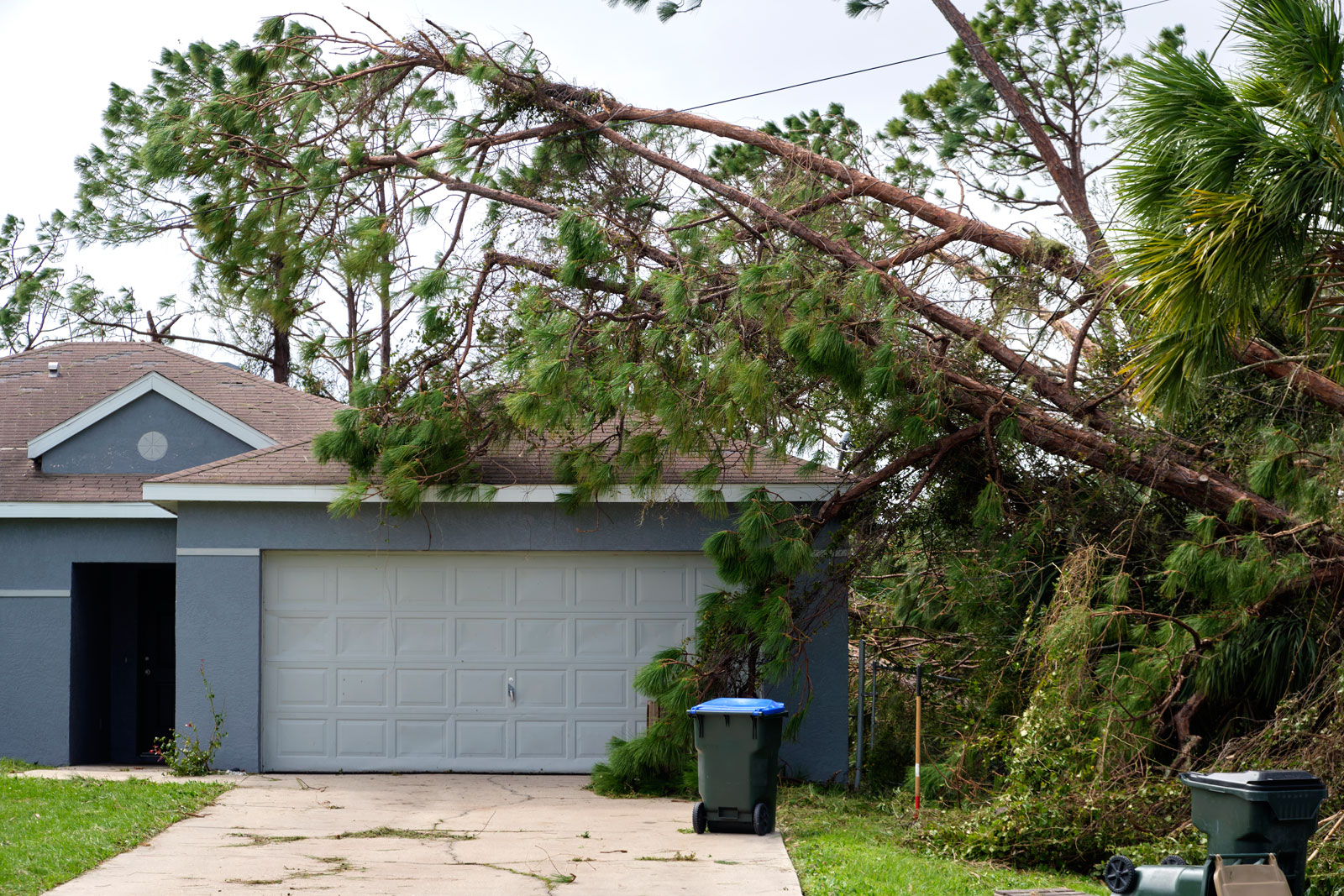




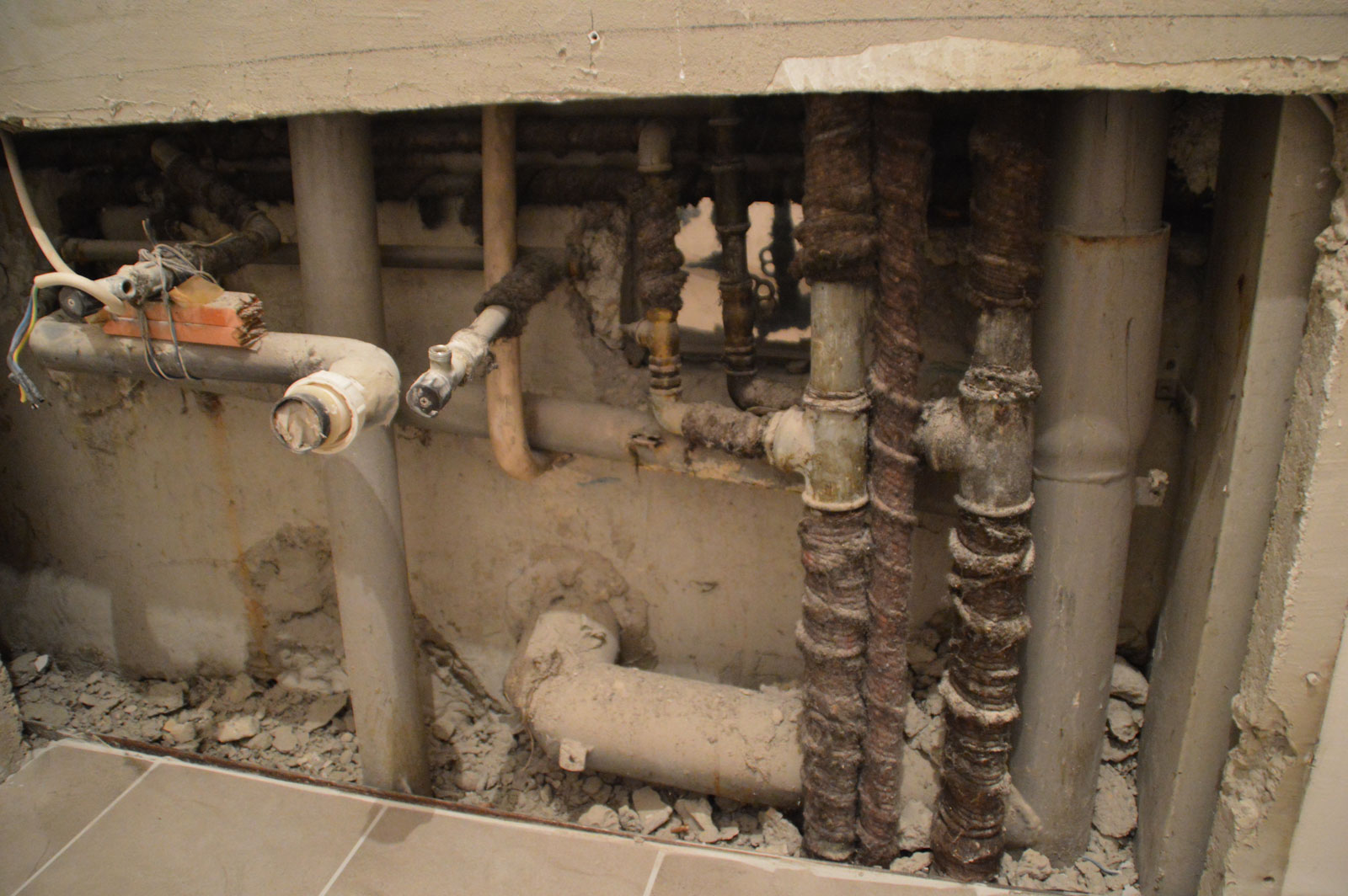



If your specific loss isn’t listed here, that doesn’t mean you’re out of options. Insurance policies are complex, and bad faith conduct takes many forms. Pandit Law reviews each situation individually and provides clear guidance on next steps.
Wherever Your Claim Is, We’re Ready to Fight for You
Insurance companies often apply the same delay and denial tactics regardless of where a claim originates. Pandit Law serves policyholders nationwide, with attorneys licensed to practice in multiple jurisdictions. Where permitted by applicable law, the firm can also work with attorneys in other jurisdictions. We combine regional insight with broad insurance litigation experience. No matter where your claim is based, our team understands how insurers operate and how to challenge them.
Bad Faith Insurance Lawyer in Louisiana
Louisiana policyholders often face unique insurance challenges after hurricanes, flooding, and severe windstorm events. State law requires insurers to act promptly and fairly, yet violations remain common after major disasters. Pandit Law helps Louisiana policyholders pursue bad faith claims when insurers delay, deny, or underpay legitimate losses.
Bad Faith Insurance Attorney in Texas
Texas homeowners and businesses often encounter bad faith insurance practices following hurricanes, hailstorms, tornadoes, wildfires, and other catastrophic events. Texas law allows policyholders to recover damages when insurers act unfairly or deceptively. Pandit Law supports Texas policyholders by challenging improper claim handling and holding insurers accountable.
Why Choose Pandit Law for Texas Bad Faith Insurance Claims
When the insurance company has the upper hand, choosing the right legal representation matters. Policyholders turn to Pandit Law because the focus is not on processing claims, but on challenging unfair insurance practices and forcing accountability.
Policyholders choose Pandit Law because of our:
- Proven Track Record of Success in Bad Faith Insurance Disputes: Our firm has a history of dealing with delayed, denied, and underpaid claims with strong advocacy and results-driven strategies.
- Aggressive Advocate Against Bad Faith Conduct: We do not hesitate to challenge insurers when they ignore deadlines, rely on unsupported denials, or undervalue legitimate claims.
- Personalized Case Evaluation: Every case is reviewed individually, based on policy language, documented damage, and insurer conduct; never treated as a file number or template response.
- Local Knowledge, National Expertise: We understand regional risks while applying a wider perspective on insurer tactics and claim strategies.
- Clear Communication and Client Transparency: Clients stay informed at every stage, with straightforward explanations and no unanswered questions.
Pandit Law’s local expertise and proven track record help keep your claim on track. Request a FREE claim evaluation today.
FAQs on Bad Faith Insurance Claim
What are three ways in which an insurer can be liable for bad faith?
An insurer may be liable for bad faith when it unreasonably delays a claim, wrongfully denies coverage without proper investigation, or offers an unfairly low settlement despite clear evidence of loss.
How much can you get from a bad faith lawsuit?
Compensation depends on the facts of each case. Potential recovery may include unpaid benefits, additional financial losses caused by delay, attorney’s fees, and, in some cases, statutory penalties or punitive damages.
How hard is it to sue an insurance company?
Suing an insurer can be complex due to technical policy language and strict procedural requirements. However, working with an experienced bad faith insurance claim lawyer can significantly improve your ability to navigate the process and challenge unfair claim handling successfully.
What insurance policies are eligible for a bad faith case?
Bad faith claims may arise under many types of policies, including homeowners, commercial property, auto, health, and business insurance policies. Any policy may support a bad faith claim if the insurer fails to act fairly and honestly.
Contact Our Law Firm and Fight Back Against Bad Faith
You don’t have to accept endless delays, unfair denials, or low settlement offers. When insurers cross the line, legal action can stop the behavior and restore balance.
Pandit Law is ready to stand between you and an insurance company that refuses to play fair. Contact our firm today to speak with a bad faith insurance claim lawyer and schedule your free consultation. Your policy gives you rights; let us help you enforce them.
Pandit Law
Louisiana
Hancock Whitney Center
701 Poydras Street
Suite 3950
New Orleans, LA 70139
Texas
25722 Kingsland Blvd Suite 103-A,
Katy, TX 77494
(By Appointment Only)