
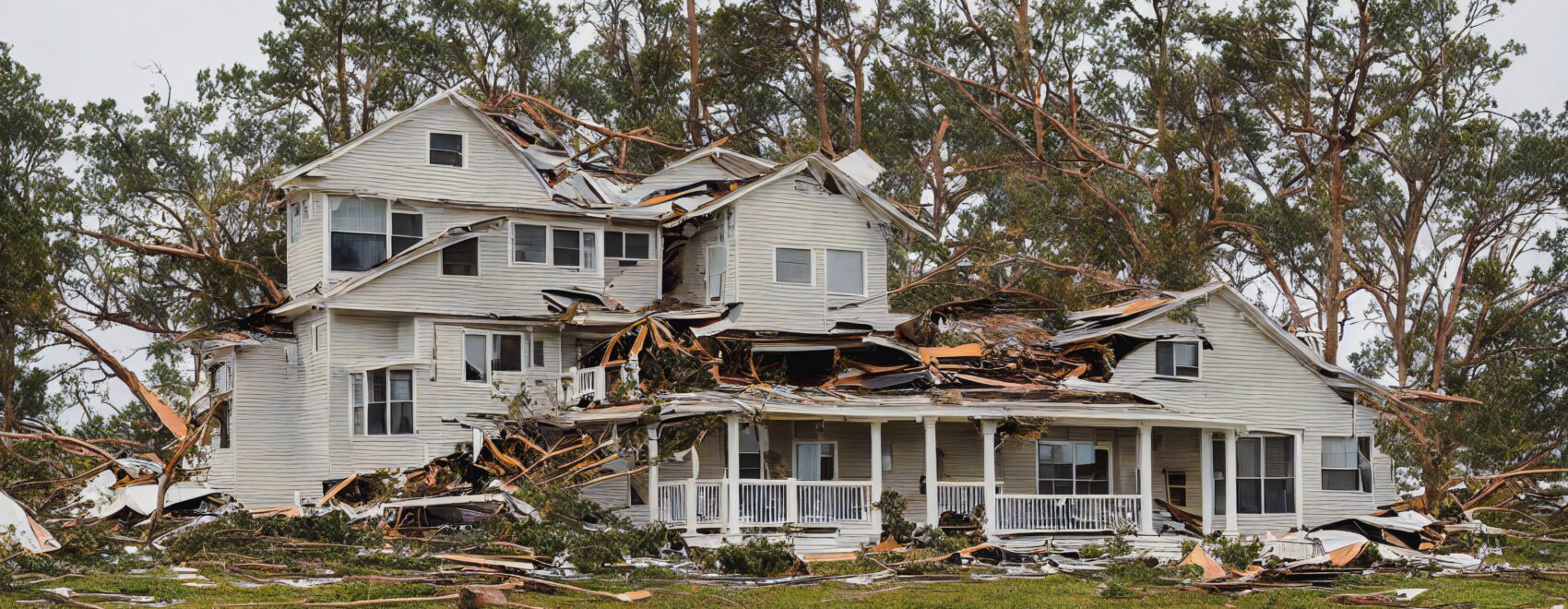
Every year, hurricane season brings the threat of destructive storms to homeowners across Louisiana and Texas. High winds, heavy rain, storm surge, and flooding can leave homes with extensive damage and homeowners facing a complicated insurance recovery process. According to NOAA, hurricanes and other tropical cyclones have caused more than $1.5 trillion in damage across the United States, making them the country’s costliest weather disasters.
If your home has suffered damage from a hurricane, knowing what to do next can help protect both your property and your insurance claim. From documenting the damage to understanding your coverage and legal rights, taking the right steps early can make the recovery process more manageable. Whether you live in New Orleans, Baton Rouge, Houston, or elsewhere in Louisiana or Texas, this guide explains what homeowners should know after a hurricane.
Common Types of House Damage From a Hurricane
Category 4 or Category 5 hurricanes can cause extensive structural damage, roof failure, flooding, and other forms of damage to homes. Even well-built homes may experience significant damage from hurricane-force winds, storm surge, and flying debris, resulting in costly repairs and insurance challenges.
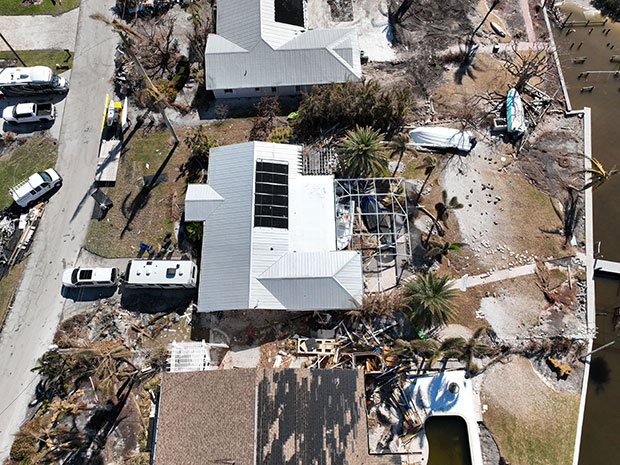
The following claims are most common for hurricane survivors:
- Roofs are at risk when wind speeds exceed 130 mph, and their value depends on factors such as age, material, and condition. You may need to replace the roof entirely, though extra insurance provisions might be necessary.
- Interiors suffer mostly from dampness and flooding caused by heavy rains or storm surges. Damage is most prevalent after flooding, where prolonged moisture can lead to mold, weaken building materials, endanger the structure, and create additional repair challenges.
- Equipment and appliances may be destroyed by flooding or fallen power lines. Things like boilers, electrical products, and telephone systems are all vulnerable.
- Structural and foundation shifts may occur when hurricane-force winds, saturated soil, or storm surge compromise your home’s foundation, load-bearing walls, or support beams. Damage can include cracked slabs, uneven floors, or shifting walls, depending on the extent of the storm.
- Projectile impact from flying debris such as tree limbs, roofing materials, fences, or outdoor furniture can break windows, puncture roofs, dent siding, and cause other forms of hurricane-related property damage by exposing the home’s interior to wind and rain.
Some hurricane damage, particularly structural damage, roof leaks, or moisture intrusion, may not become apparent until days or weeks after the storm. A thorough inspection can help identify problems before they worsen.
Displacement is also common after a hurricane event. Following Hurricane Katrina, an estimated one million people were displaced, and many hurricanes continue to force residents from their homes during evacuation and recovery efforts.
What Homeowners Insurance Covers After House Damage From a Hurricane
Hurricanes often cause multiple types of damage during a single event. Wind may tear off roofing, storm surge can flood living spaces, and high winds or flying debris can compromise a home’s structure. Understanding what your policy covers can help you take the right steps after hurricane home damage.
Although many people refer to “hurricane insurance,” there is no single policy by that name. Instead, standard homeowners insurance typically covers damage caused by hurricane-force winds, wind-driven rain that enters through storm-created openings, and certain structural damage, subject to the terms of your policy. However, flood damage, including storm surge, is generally excluded and requires separate flood insurance.
Businesses affected by hurricanes generally rely on commercial property insurance rather than homeowners insurance. Commercial policies have different coverage terms and requirements, so business owners should review their policies separately.
The cause of the damage, your coverage, deductible, applicable endorsements, and policy exclusions all affect what your insurance may pay after a hurricane. Reviewing your policy before storm season and understanding your coverage can help you avoid surprises when filing a claim.
Understanding Insurance Coverage and Hurricane Deductibles
After a hurricane, the type of insurance you have can make a significant difference in your recovery. Depending on the cause of the damage and your policy, the following coverages may help protect your home and finances:
Flood Insurance
Standard homeowners insurance generally does not cover flood damage. If rising water, storm surge, or flash flooding damages your home, you will usually need a separate flood insurance policy to cover those losses. Many homeowners obtain flood coverage through the National Flood Insurance Program (NFIP), while others purchase private flood insurance.
Windstorm Insurance
Wind damage is often covered under a standard homeowners insurance policy. However, some homes in higher-risk coastal areas may require separate windstorm coverage. Reviewing your policy can help you understand whether wind damage is covered or whether additional protection is needed.
Sewer Backup Insurance
Heavy rainfall during a hurricane can overwhelm sewer systems and storm drains, causing water or sewage to back up into your home. Sewer backup coverage, which is typically available as a policy endorsement, may help cover damage caused by these events when the policy terms are met.
Hurricane Deductibles
Many homeowners insurance policies include a separate hurricane or named-storm deductible that applies when the conditions outlined in the policy are met. This deductible is different from your standard deductible and may increase your out-of-pocket responsibility after a covered loss.
Common hurricane deductibles vary by state and policy. For example:
- Louisiana hurricane deductibles commonly reach 2% to 5% of the home’s insured value.
- Texas hurricane deductibles vary by insurer but often remain between 1% and 5% of the home’s insured value.
Understanding when your hurricane deductible applies can help you prepare before hurricane season and avoid surprises during the claims process. In states like Louisiana and Texas, which experience frequent hurricanes, homeowners should also understand whether the deductible applies per named storm, per hurricane season, or once during the policy period.
What Happens If Your House Is Destroyed by a Hurricane?
If you’re wondering what happens if your house gets destroyed by a hurricane, the answer depends on the extent of the damage and the coverage provided by your insurance policy.
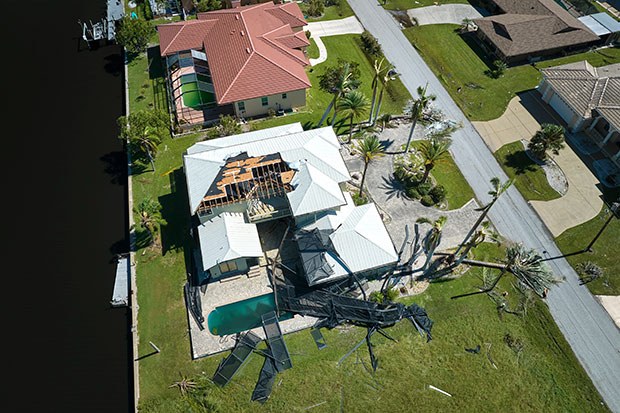
If your home is declared unsafe or uninhabitable, you should notify your insurance company as soon as it is safe to do so. The insurer will inspect the property and determine whether it qualifies as a total loss under your policy.
If your home is determined to be a total loss:
- Insurance payments are generally subject to your dwelling coverage limit, deductible, and other policy terms.
- Flood-related losses are generally not covered under a standard homeowners insurance policy and must typically be claimed through a separate flood insurance policy, such as one issued through the National Flood Insurance Program (NFIP).
- If your home cannot be lived in during repairs or rebuilding, your policy may include Additional Living Expenses (ALE), also known as Loss of Use coverage, to help pay for temporary housing and certain additional living expenses.
- If your insurance does not fully address your eligible disaster-related needs, you may qualify for assistance through FEMA’s Individual Assistance program or disaster loans from the U.S. Small Business Administration (SBA), depending on your circumstances and the availability of federal disaster assistance.
Although losing a home to a hurricane can be overwhelming, understanding your coverage and available resources can help you navigate recovery more confidently.
What to Do Immediately After House Damage From a Hurricane
The hours and days after house damage from a hurricane can be overwhelming. Once you have ensured everyone’s safety, taking the right steps can help protect your property and support your insurance claim.
Contact Your Insurance Company
Before contacting your insurance company, take these immediate steps if it is safe to do so:
Immediate Checklist
- Ensure it is safe to return to your home before entering the property.
- Document all visible house damage from the hurricane with dated photos and videos before beginning cleanup.
- Make only temporary repairs, such as placing a tarp over a damaged roof or boarding up broken windows, to help prevent further damage.
- Save receipts for emergency repairs, temporary housing, and other hurricane-related expenses.
- Avoid throwing away damaged items until your insurance company advises you to do so or completes its inspection, unless the items pose a safety risk.
Once your family is safe and immediate hazards have been addressed, notify your insurance company as soon as possible. Your insurer can explain the claims process, discuss inspection timelines, identify the documentation you will need, and advise whether emergency repairs are appropriate. Prompt communication can also help you understand any deadlines that may apply to your claim.
There are pertinent questions you may wish to ask your agent before filing your claim, such as:
- What is the next step?
- Should I start cleaning up?
- Is there any deadline for filing my claim?
- What deductibles must I pay?
- Do I need to get quotes for repairs?
Prevent Further Damage
After house damage from a hurricane, homeowners generally have a responsibility to take reasonable steps to prevent additional damage to the property. This may include:
- Covering damaged roofs with tarps
- Boarding broken windows
- Removing standing water when safe
- Taking other temporary measures to protect the home until permanent repairs can be made
Keep receipts for any emergency repairs, materials, or temporary services, and photograph the damage before and after completing the work. These records can help support your insurance claim.
Document Your Damage
Thorough documentation can help demonstrate the extent of the damage and support your insurance claim. As you inspect your property, keep organized records of everything affected by the hurricane. Be sure to:
- Photograph or video each damaged area and item.
- Write a brief description of the damage.
- Estimate the value of damaged items where possible.
- Keep repair estimates, contractor reports, invoices, and receipts.
- Maintain a claim log with adjuster communications, inspection dates, claim numbers, and other important updates.
- Continue photographing the property throughout cleanup and temporary repairs to document how the damage changes over time.
Well-organized documentation can make it easier to respond to questions from your insurance company and resolve claim issues if they arise.
Making an Inventory
Create a room-by-room inventory of damaged belongings, including furniture, electronics, clothing, appliances, and other personal property. As you prepare your inventory, gather:
- Receipts
- Warranties
- Photographs
- Manuals
- Any other proof of ownership available, such as bank or credit card statements, product registrations, photographs, owner’s manuals, or online purchase histories
If you did not have a home inventory before the hurricane, document as much as you reasonably can. Even an incomplete inventory can help support your claim when paired with photographs, receipts, and other records.
Protect Your Claim During Recovery
Recovering from house damage from a hurricane often means balancing cleanup, temporary housing, and the insurance claims process at the same time. While securing your property and beginning repairs are important, continue following your insurer’s instructions and keep records of every hurricane-related expense. If contractors or engineers inspect your property, request written reports and retain copies with your claim records as well.
Insurance claims may take weeks or even months to resolve, depending on the extent of the damage. Keeping organized records of repair estimates, receipts, inspection reports, and communications with your insurer can help protect your claim if delays or disputes arise.
House Damage From Hurricane: Legal Rights in Louisiana and Texas
Louisiana and Texas have different laws governing hurricane insurance claims. These laws establish deadlines for insurers to acknowledge, investigate, and pay covered claims, while also providing legal remedies when insurers fail to meet their obligations. Because these deadlines and requirements vary by state, homeowners should act promptly to protect their rights.
Louisiana
- Insurers are generally required to begin adjusting a claim within 14 days after receiving notice of the loss.
- For losses resulting from a declared emergency or disaster, insurers generally have 30 days to initiate the adjustment process.
- The Louisiana Commissioner of Insurance may extend that deadline by up to 30 additional days through an emergency rule, and one further extension may be authorized under limited circumstances.
- Once the insurer receives satisfactory proof of loss, it must generally pay the undisputed amount of a covered claim within 30 days.
- If an insurer fails to comply without a reasonable basis, Louisiana law provides policyholders with potential bad-faith remedies.
These statutory deadlines help ensure claims continue moving forward even after major hurricane events.
Texas
Texas follows the Prompt Payment of Claims Act, which generally requires insurers to:
- Acknowledge the claim, begin an investigation, and request any additional information needed within 15 days after receiving notice of the claim.
- Accept or reject the claim within 15 business days after receiving all requested information.
- If the claim is approved, payment is generally required within 5 business days.
- Under certain circumstances, Texas law may allow insurers additional time, including an extension of up to 45 days to make a coverage decision and, in some situations, a broader 60-day extension period depending on the circumstances and applicable law.
- Texas also recognizes bad-faith claims under the Texas Insurance Code and common law when insurers fail to handle claims fairly.
- Before filing certain insurance-related lawsuits in Texas, policyholders may also need to provide the insurer with a written pre-suit notice at least 61 days before filing a lawsuit. During that period, the insurer has an opportunity to inspect the property, evaluate the claim, and potentially resolve the dispute before litigation proceeds.
Missing a filing deadline or failing to meet applicable legal requirements may affect your ability to pursue certain legal remedies, including attorney’s fees where permitted by law. If you believe your hurricane claim has been delayed, underpaid, or wrongfully denied, speaking with a hurricane damage attorney promptly can help you understand your rights and the deadlines that apply to your claim.
When Do I Need a Hurricane Damage Lawyer?
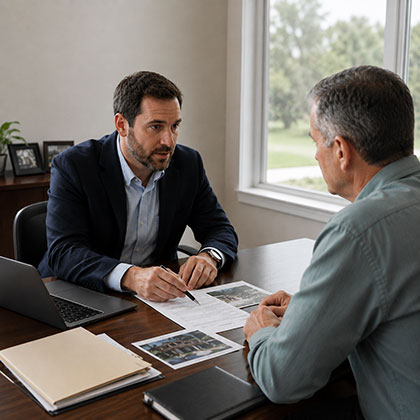
Most homeowners are able to start the claims process without legal assistance. However, certain warning signs may indicate it’s time to speak with a hurricane damage lawyer. If you encounter these issues, legal guidance can help you better understand your policy, evaluate the insurer’s decision, and protect your rights.
You may want to consult a hurricane damage lawyer if your insurer:
- Denies the claim outright
- Expects acceptance of full payment early after the hurricane, leaving potential later-stage problems unaddressed
- Asks you to sign a “full-payment” release while claim issues remain unresolved
- Makes an offer that only partially covers your losses
- Disputes flood damage claims because the flooding was caused by different forces
- Acts in bad faith by unnecessarily delaying claim payments or failing to meet applicable deadlines
- Interprets the policy in a way that limits coverage or offers Actual Cash Value (ACV) when the policy provides for replacement cost coverage
An experienced hurricane damage lawyer can review your policy, explain your legal options, communicate with the insurance company on your behalf, and help you respond to claim disputes. In some cases, legal representation may help move the claims process forward or resolve disagreements without the need for prolonged litigation.
How a Lawyer Can Help After House Damage From a Hurricane
Hurricane insurance claims can become complicated, especially when multiple types of damage are involved or the insurer disputes coverage. For example, disagreements may arise over whether damage was caused by wind, flooding, or another covered event. An experienced hurricane damage attorney can help you understand your policy, evaluate your insurer’s decision, and protect your rights throughout the claims process.
Problems that may arise during the insurance claims process include:
- Refusing to pay for covered losses
- Claiming there is missing evidence or other important information
- Arguing that deadlines or policy requirements were not met
A hurricane damage attorney can review your claim, identify potential issues, and help you respond to these challenges.
Legal guidance may also be helpful before or during the insurance claim process. Depending on your situation, a hurricane damage attorney may:
Pursue legal action when appropriate if your claim is wrongfully denied, significantly underpaid, or the insurer does not resolve the dispute after reviewing the available evidence
Review your insurance policy and explain your coverage.
Help organize supporting documentation, including proof of loss and other claim-related records.
Identify missing information or documentation that could strengthen your claim.
Help you understand applicable deadlines and policy requirements.
Communicate with the insurance company on your behalf and negotiate if coverage or payment is disputed
Advise you on your legal options if your claim has been delayed, underpaid, or denied
Conclusion
Homeowners across Louisiana and Texas face the risk of hurricanes every year, making it important to understand your insurance coverage, legal rights, and the steps to take after a storm. Whether your home has suffered minor damage or a total loss, preparing before hurricane season and knowing the steps to take afterward can make recovering from hurricane damage less overwhelming.
If your hurricane claim has been delayed, underpaid, or denied, Pandit Law is here to help. Contact us today for a free claim evaluation to better understand your legal options after hurricane damage.