
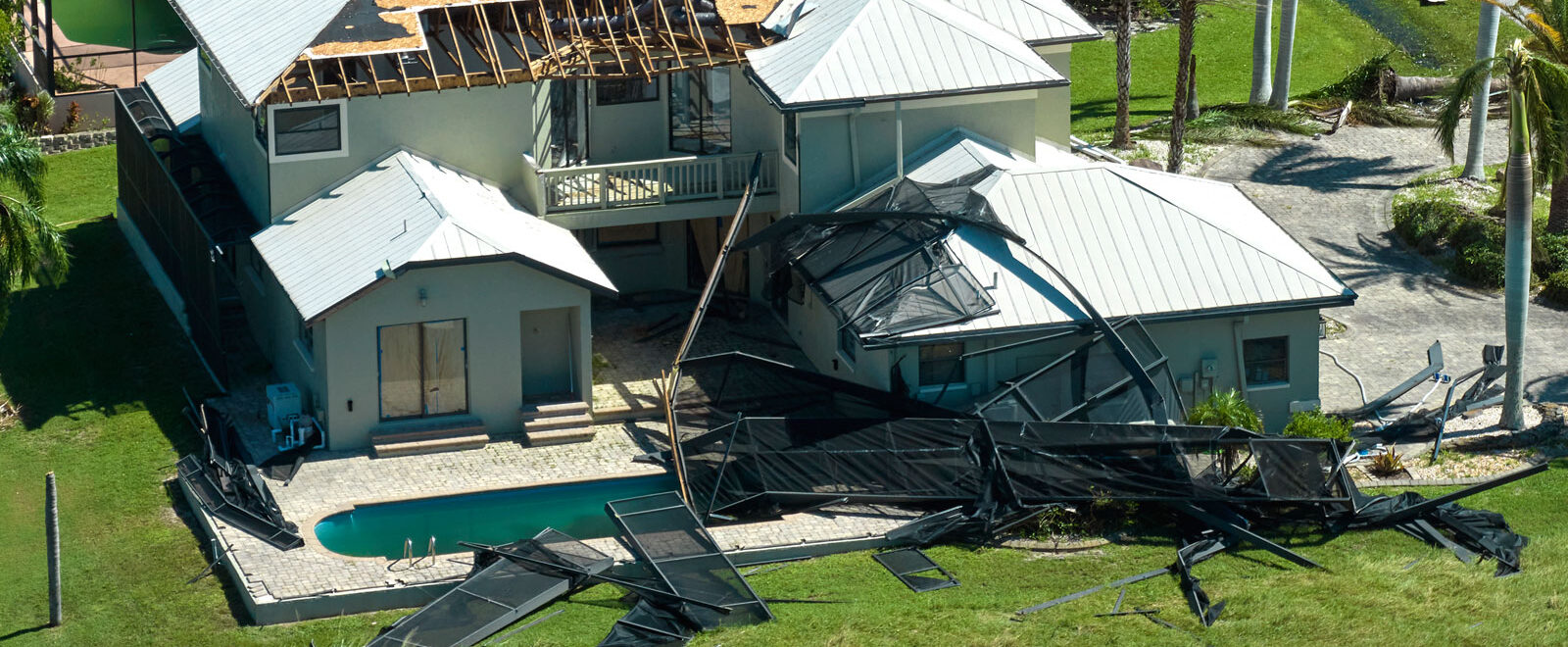
When strong winds blow through your neighborhood, they can leave behind a path of destruction. Broken windows, damaged roofs, and fallen trees are just some of the property damage problems you might face.
When you cannot get your insurance company to pay for repairs, a wind damage lawyer can help protect your claim. They understand how these wind damage claims work and can help you pursue the compensation needed to repair your home.
Understanding Wind Damage
Wind damage happens when strong gusts of wind cause harm to your property. This can be anything from shingles blown off your roof to a tree crashing into your house. At times, the damage is easy to see, like a broken fence. Other times, it’s harder to spot, like small cracks in your walls or foundation.
In some cases, insurers may question the severity of the damage, particularly when signs of structural impact are subtle. Disputes like these often require professional evaluation. Property damage attorneys have seen all kinds of wind damage cases. They know what to look for and can help evaluate the true extent of the damage.
What Wind Damage Insurance Typically Covers

Wind damage insurance coverage can vary depending on your policy, but most standard policies outline what types of storm-related damage they will and will not pay for. Understanding these distinctions helps you avoid surprises during the claims process.
Most wind damage policies typically cover things like:
- Structural damage caused by strong winds, such as roof, siding, or window damage
- Damage from falling trees or debris caused by windstorms
- Interior damage if the wind creates an opening that lets rain enter
Policies often exclude or limit coverage for:
- Wear and tear or maintenance-related issues
- Gradual damage that happened over time
- Flood damage, which usually requires separate coverage
Insurance policies can be difficult to interpret. They’re full of legal terms and complex language.
A property damage lawyer can clarify the details of your policy. They’ll look at what kind of coverage you have and explain what it means for your case. They can also identify policy provisions and limitations that the insurance company might use to reduce claim payouts.
Problems Homeowners and Businesses Face in Wind Damage Claims
Wind damage claims can become complicated quickly, especially when insurers request additional documentation or delay decisions. Many property owners expect coverage to be straightforward, but disputes often arise over repair costs, policy language, or the cause of damage. These issues commonly affect both homeowners and businesses handling wind damage claims after a storm.
Dealing With Insurance Companies After Wind Damages Your Home
After wind damages your home, one of the first things you’ll do is call your insurance company. You have homeowners insurance to protect you in times like these. But sometimes, insurance companies may not offer the full amount needed for proper repairs.
This is where things can get tricky. Insurance companies often rely on complex policy language and technical rules to support lower payouts. A property damage lawyer knows how to interpret these provisions and advocate for fair claim handling. They can communicate directly with the insurance company and help protect your rights throughout the process. In some situations, insurance companies may act in bad faith. This means they’re not being fair or honest with you. A property damage attorney can identify when this occurs and take steps to challenge improper claim practices.
Figuring Out Who’s Responsible in Wind Damage Cases
In some cases of wind damage, it’s not just about dealing with your insurance company. In certain cases, other people might be responsible for some of the damage. For example, if your neighbor’s dead tree fell on your house during a windstorm, they might be partly to blame.
This is where the idea of negligence comes in. Negligence means someone didn’t properly care for something, leading to damage. A lawyer can help determine whether another party’s negligence contributed to your property damage.
Counting Up the Damages
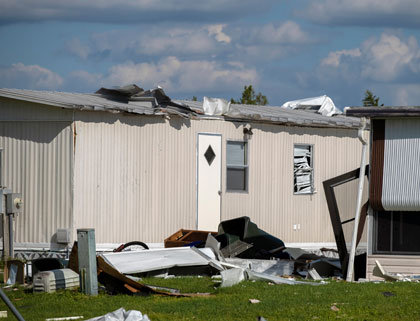
When we talk about damages legally, we mean all the ways the wind damage has affected you. This includes the cost to repair your home, but it can also include other losses. Perhaps you stayed in a hotel while contractors fixed your house. Or maybe you lost valuable items inside your home.
Hidden damage and additional living expenses can also affect claim value. Structural stress, moisture intrusion, or insulation damage may not appear immediately, but can increase repair costs later. Temporary housing, meals, and storage costs may also qualify as covered losses depending on your policy.
A property damage lawyer can help identify losses that may be recoverable and explain how they apply to your claim.
Dealing with Partial Denials
In some situations, an insurance company will agree to pay for part of the damage but not all of it. This is called a partial denial.
Knowing there’s more damage than they want to cover can be frustrating. A property damage lawyer can challenge these partial denials. They can bring in professionals to evaluate the full extent of the damage and explain why the insurance company should reconsider its coverage decision.
Handling Multiple Insurance Claims
In some cases, you might need to file claims with more than one insurance company. For example, if a neighbor’s tree fell on your house, you might need to deal with both your insurance provider and theirs.
This can get complicated quickly. A property damage lawyer can coordinate these claims and help ensure each insurer reviews its share of responsibility.
Dealing With Contractor Issues
After wind damages your home, you’ll need to hire contractors to make repairs. But what happens if the contractors do a poor job? Or if they fail to complete the work after receiving payment?
A property damage lawyer can help with these issues, too. They can review contracts before you sign, address issues if a contractor breaches an agreement, and assist you in locating reputable contractors to work with. Additionally, they can negotiate terms to ensure you get the best possible deal and provide guidance if disputes arise during the restoration process.
Wind damage can also cause other issues that aren’t obvious right away. For example, a small roof leak might lead to mold growth over time. Structural damage can also create complications months or even years later.
An experienced property damage lawyer considers these long-term risks. They work to account for both immediate repairs and any future problems that may develop because of the wind damage.
When Wind Damage Affects Your Business
The stakes rise significantly if you run a business from home or your commercial property suffers wind damage. You may be dealing with physical repairs, lost income, and potential customer disruptions.
Business interruption losses can be as serious as structural damage. If a storm forces your business to pause operations, you may qualify for compensation covering lost revenue, operating expenses, and ongoing financial obligations.
A property damage lawyer experienced in wind damage claim disputes can help document these losses, present supporting evidence, and pursue recovery for repairs, lost profits, and other business-related expenses.
What Homeowners Should Do After Wind Damage
Taking the right steps immediately after wind damage can protect both your property and your insurance claim.
Document Everything First
One of the most helpful things you can do for your case is to thoroughly document damage and maintain clear wind damage documentation from the start. This means taking clear photos and videos of the damage, keeping all your receipts for repairs or temporary housing, and writing down everything that happens.
Your lawyer will use all this information to build a strong case for you. The more evidence you have, the better your chances of getting a fair settlement.
Mitigate Further Damage but Keep Evidence
After wind damage, most insurance policies require you to take reasonable steps to prevent further loss. This duty is called mitigation, and it plays an important role in protecting your claim. Acting promptly shows you tried to limit damage rather than letting it worsen.
You can usually take practical steps such as:
- Covering broken windows or roof openings with tarps
- Removing standing water to prevent mold or structural deterioration
- Moving undamaged belongings to a safe area
At the same time, you should preserve proof of the original damage before making repairs. To protect your claim while mitigating damage:
- Take clear photos and videos before touching anything
- Keep damaged materials when possible instead of discarding them
- Save receipts for emergency repairs and supplies
- Write down the date, time, and cause of damage while it’s still fresh in your memory
A property damage lawyer can explain what steps are reasonable under your policy so you can avoid actions an insurer could later question.
Immediately Call a Lawyer
After the wind damages your property, you might feel tempted to handle everything on your own. However, waiting too long to speak with a lawyer can affect your ability to protect your claim. Here are the key reasons why early legal guidance matters:
- Evidence Can Disappear: The longer you wait, the harder it can be to prove what happened. Photos taken right after the storm are often much more reliable than those captured weeks or months later.
- You Might Miss Important Deadlines: Insurance policies and state laws often set strict timelines for claims and disputes. A lawyer can help you track and meet these deadlines.
- You Might Say Something that Affects Your Claim: Insurance representatives may ask questions early in the process. Legal guidance can help you respond carefully and accurately so your statement cannot hurt your claim.
- Repairs Might Get More Expensive: Delays can allow damage to worsen, increasing repair costs and complicating your claim documentation.
Speaking with a lawyer early helps you understand your rights, preserve evidence, and take steps that support a well-documented wind damage claim.
How a Property Damage Lawyer Helps with Wind Damage Claim Disputes

Throughout this process, having a property damage lawyer on your side can play an important role in how your claim is handled. They bring knowledge and experience that most homeowners do not have. Here are some ways a lawyer can help you:
- They Know the Law: Property damage laws can be complicated. An experienced lawyer understands these rules and can use them to help you pursue fair treatment and pursue the compensation available under your policy.
- They Can Present Your Case Effectively: Property damage attorneys build strong claim arguments through training and experience. Whether they’re communicating with an insurance adjuster or presenting your position in a legal setting, they know how to present your case and support your claim with evidence and documentation.
- They Can Handle the Paperwork: Wind damage claims often involve extensive documentation. Your lawyer can manage documentation, forms, and correspondence so deadlines are met and errors are avoided.
- They Can Bring in Professionals: Professional evaluations can help support your claim. A property damage lawyer may work with contractors, engineers, or inspectors who can assess your property and offer informed opinions about the damage.
- They Can Represent You in Court (If Necessary): Sometimes, the insurance company may not agree to a fair settlement. In those situations, your property damage lawyer may recommend pursuing the matter through litigation. They will explain each step clearly and advocate for you throughout the process.
- They Work Toward a Fair Settlement: Most wind damage claims resolve outside a courtroom. Your property damage attorney will typically negotiate with the insurance company to seek compensation that reflects your documented losses.
In some cases, this process involves mediation. Mediation is when you and the insurance company sit down with a neutral third party to try to resolve the dispute. Your lawyer speaks on your behalf and helps protect your interests.
If mediation doesn’t resolve the matter, arbitration may follow. This is similar to a trial but less formal and usually faster. An arbitrator listens to both sides and decides how the dispute should be resolved.
The Process of Working with a Wind Damage Lawyer
When you hire a property damage lawyer, here’s what you can expect:
- Initial Consultation: First, you’ll meet with the lawyer to discuss your case. They’ll ask you questions about what happened and review any evidence you have, like photos of the damage or correspondence with your insurance company.
- Investigation: The lawyer will then investigate your claim. This may involve inspecting your property, speaking with witnesses, or reviewing weather reports from the day of the event.
- Dealing with Insurance: Your property damage attorney can take over communications with the insurance company, submit required documentation, and negotiate on your behalf.
- Settlement Negotiations: If the insurance company makes an offer, your lawyer will evaluate it and explain whether it reflects your documented losses or whether further negotiation may be appropriate.
- Going to Court (If Necessary): If a fair resolution cannot be reached, your lawyer can prepare your case for court. This may include gathering evidence, preparing witnesses, and presenting your claim before a judge and jury.
What to Look for in a Wind Damage Insurance Claim Lawyer
If you’re considering hiring a lawyer for your wind damage claim, look for:
- Experience With Wind Damage Cases: You want a lawyer who has handled claims similar to yours before and understands the issues that often arise.
- Good Communication Skills: Your lawyer should explain legal concepts clearly and keep you informed about your claim’s progress.
- A Track Record of Success: Look for a lawyer with a history of successfully handling similar claims, which can indicate familiarity with complex insurance disputes.
- Someone You Feel Comfortable With: You’ll work closely with your lawyer, so it’s important to feel comfortable discussing details and asking questions.
- Knowledge of Insurance Policy Language: Policies often contain technical provisions and exclusions. A lawyer familiar with policy interpretation can help you understand what applies to your claim.
- State-Specific Legal Knowledge: Laws affecting property damage claims can vary by state. A lawyer familiar with local rules can help ensure your claim follows applicable requirements.
- Ability to Handle Denied Claims: If your claim is delayed, underpaid, or denied, you want a lawyer who knows how to challenge insurer decisions using documentation and legal support.
Louisiana and Texas Wind Damage Claim Considerations
State laws affect how wind damage claims work, including deadlines, deductibles, and dispute procedures. Knowing the rules in Louisiana and Texas can help you better protect your rights.
Louisiana
Wind and hurricane claims in Louisiana often involve percentage-based deductibles rather than flat amounts. This means your deductible may equal a percentage of your home’s insured value instead of a fixed dollar figure, which can significantly affect how much you recover after a storm.
Other important Louisiana considerations include:
- Hurricane and named-storm deductibles may apply only when a storm is officially declared.
- Insurers must follow state claim-handling rules, including timelines for acknowledging and adjusting claims (typically 30 to 60 days).
- Time limits matter. Following recent legislative changes, the prescriptive period for property insurance disputes is now two years for most claims, though older policies may still fall under the previous one-year rule.
- Most policies cover wind-driven rain but exclude damage from rising floodwaters, a common point of dispute in Louisiana claims.
Because Louisiana law uses strict filing deadlines and technical insurance standards, working with a wind damage lawyer in Louisiana early can help prevent missed opportunities to pursue your claim.
Texas
Texas wind damage claims also commonly include percentage-based windstorm deductibles, especially for properties in coastal or storm-prone regions. These deductibles can apply specifically to wind or hail losses rather than all types of damage.
Key Texas claim factors include:
- Windstorm coverage rules may differ by policy, particularly if coverage involves the Texas Windstorm Insurance Association (TWIA), which has its own specific deadlines.
- Insurers must comply with prompt-payment laws, which set deadlines for claim acknowledgment, investigation, and payment decisions.
- Disputes may arise when insurers question causation (such as wind vs. flood), damage value, or policy exclusions.
- Statutes of limitation apply. Many property damage and insurance dispute claims must be filed within specific legal deadlines, typically two years, though timelines can vary depending on the claim type.
Understanding how state-specific rules apply to your situation is critical, and a wind damage attorney in Texas can help ensure your wind damage claim is properly evaluated and resolved.
Conclusion
Dealing with wind damage can be overwhelming. It’s not just about repairing visible damage; it often involves navigating insurance procedures, policy language, and important financial decisions.
A property damage lawyer can guide you through this process, helping you understand your rights and options while working to resolve any claim issues that arise. Trying to manage complex wind damage claims alone can be difficult, especially when insurers rely on technical policy terms and detailed evaluations. The stakes can be even higher if your business property is affected.
Speaking with a wind damage lawyer can help you better understand your claim, avoid common pitfalls, and take informed next steps. They can explain your rights, handle communication with insurers, and support you throughout the process so you can focus on restoring your property.
Frequently Asked Questions
Yes. Some wind damage, such as structural stress or hidden moisture intrusion, may not appear right away. You can still file a claim if you discover damage later, but it’s important to document it promptly and notify your insurer as soon as possible.
Insurers sometimes attribute damage to maintenance issues instead of storms. If you disagree, you can gather evidence such as inspection reports, weather records, or professional evaluations to support your claim and show that wind caused the damage.
In some situations, yes. If new evidence appears or your claim was improperly evaluated, a lawyer may be able to review the decision and advise whether you have options to challenge or reopen the claim under applicable laws and policy terms.
Helpful evidence often includes photos and videos of the damage, repair estimates, weather reports from the storm date, receipts, and written records of communication with your insurer. The more organized and detailed your documentation, the stronger your claim support may be.