
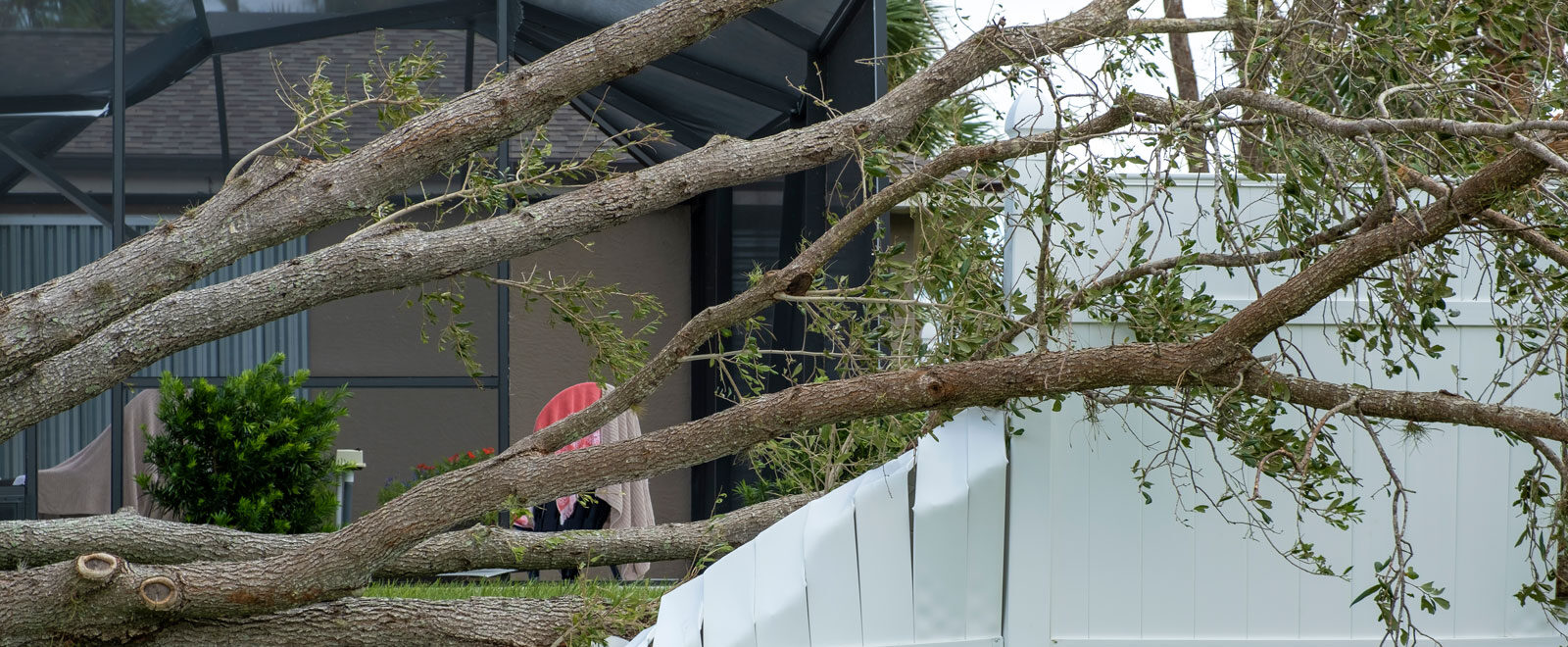
A strong windstorm hits overnight. You wake up to missing shingles, broken windows, and water seeping into your home. Like many homeowners, you may assume your policy covers all the damage. But that is not always how it works.
Many wind damage claims face delays, partial payments, or even denial because the details of wind insurance coverage are misunderstood. What your policy includes, excludes, and requires can directly affect how your claim is handled.
Filing a claim without fully understanding your coverage can lead to unexpected costs. Taking time to review your policy now can help you avoid serious financial setbacks later.
What Is Wind Insurance Coverage?

Understanding your policy starts with knowing what wind insurance coverage actually includes. In simple terms, it protects your home and belongings from damage caused by strong wind events. This typically includes:
- Windstorms and severe storms with high winds
- Hurricanes and tropical storms
- Tornadoes
- Hailstorms
You may also see this type of protection referred to as windstorm insurance or wind-hail coverage, depending on how your policy is structured. While the terms vary, the goal remains the same: to cover damage caused by wind-related events.
However, not all policies offer identical protection. The specific terms, exclusions, and deductibles can differ significantly, especially in states like Louisiana and Texas, where storm risk is higher.
Why Understanding Coverage Before Filing a Claim Matters
Many homeowners run into problems because they assume their policy covers more than it actually does. That misunderstanding can lead to:
- Claim denials when the damage falls outside policy terms
- Delays caused by disputes over coverage details
- Underpayment when insurers limit what they consider covered damage
Even small details in your policy can influence how your claim is evaluated. Reviewing your policy details in advance helps you avoid surprises and positions you to respond more effectively if damage occurs.
Is Wind Coverage Included in Homeowners Insurance?
In many wind damage cases, standard homeowners insurance policies include some level of wind protection. However, that is not always guaranteed.
- Inland properties often have wind coverage included as part of the base policy.
- Coastal or high-risk areas may exclude wind damage entirely.
- Some policies may require an added endorsement or a separate windstorm policy.
If your property sits in a hurricane-prone region, your policy may handle wind damage differently than you expect.
Who Needs Separate Windstorm Coverage?
Certain homeowners must secure additional protection because of where they live. This commonly applies to:
- Coastal homeowners exposed to hurricanes and severe storms
- Properties located in high-risk zones across Texas and Louisiana
- Homes where lenders or insurers require separate windstorm policies
In these areas, relying on a standard policy alone may leave critical gaps in protection.
What Does Wind Insurance Cover?
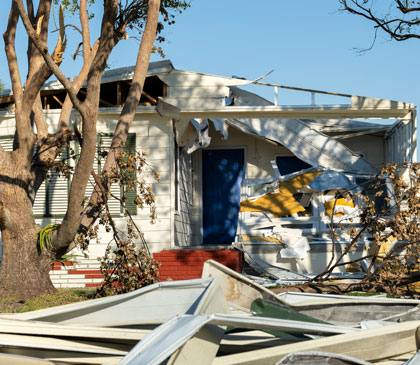
Once you understand the basics, the next step is knowing what your policy actually pays for. Windstorm insurance coverage typically applies to direct physical damage caused by wind or wind-driven debris. This means the damage must result from a covered wind event, not from unrelated issues.
Damage to Your Home’s Structure
Your policy’s dwelling coverage focuses on the physical structure of your home. It generally includes damage such as:
- Roof issues, including missing shingles or partial collapse
- Damage to walls, siding, and exterior surfaces
- Broken windows and damaged doors
- Structural impacts caused by flying debris
This type of coverage is often central to most wind-related claims.
Personal Property Coverage
Your belongings may also be covered, but specific conditions apply. Coverage usually depends on how the damage occurs.
Personal property is typically covered if wind or debris creates an opening that allows rain inside. This is often referred to as wind-driven rain coverage, and it is a frequent point of dispute.
For example, furniture, electronics, and personal items may be covered if water enters through a storm-damaged roof or window.
Other Structures Coverage
Many policies extend protection to structures that are not attached to your home. These can include:
- Detached garages
- Fences and gates
- Storage sheds or workshops
- Gazebos or similar outdoor structures
Coverage applies when wind or debris directly damages these structures.
Additional Living Expenses (ALE)
If your home becomes unsafe to live in after a covered event, your policy may include additional living expenses. This can cover hotel stays, temporary housing, and increased meal costs.
The coverage applies only while your home remains uninhabitable due to covered damage. ALE helps maintain your day-to-day living needs while repairs are underway, but only within the limits of your policy.
What Is NOT Covered Under Wind Insurance?
Even with strong windstorm insurance coverage, not every type of storm-related damage is included. Many homeowners assume their policy covers all damage after a major storm, but exclusions and conditions can significantly affect what gets paid.
Flood and Storm Surge Damage
Wind policies do not cover flood-related damage, even if the flooding occurs during a hurricane or severe storm. Rising water, storm surge, and overflow from nearby bodies of water fall under flood damage. You typically need a separate flood insurance policy to cover these losses.
This distinction often leads to disputes when both wind and water contribute to the damage.
Wind-Driven Rain (Conditional Coverage)
Coverage for wind-driven rain depends on how the water enters your home. Most policies cover interior water damage only if wind first creates an opening in the structure. For example, a broken window or damaged roof must allow rain inside for coverage to apply.
If water enters without visible structural damage, the claim may not be covered. This condition is one of the most common reasons for disagreements between homeowners and insurers.
Wear and Tear or Poor Maintenance
Insurance policies do not cover damage caused by neglect or aging components, such as:
- Older roofs in poor condition
- Long-standing maintenance issues or unrepaired damage
Homeowners are expected to maintain their property. If the insurer determines that the damage resulted from deterioration rather than a wind event, coverage may be denied.
Hurricane or Named Storm Exclusions
Some policies treat hurricanes and named storms differently. Coverage may exclude these events entirely in high-risk areas. You may need a specific endorsement or separate policy for hurricane-related damage.
Understanding how your policy defines and handles these events is critical before filing a claim.
Policy Limits and Coverage Caps
Even when damage is covered, payouts are not unlimited. Every policy includes coverage limits that cap how much the insurer will pay. If your home is underinsured, you may have to cover the remaining costs.
Reviewing these limits in advance helps you avoid unexpected financial exposure after a storm.
Understanding Windstorm Deductibles Before Filing a Claim
Deductibles play a major role in how much you actually receive from a claim. Many homeowners focus on coverage but overlook how deductibles apply to wind-related losses.
What Is a Windstorm Deductible?
A windstorm deductible is separate from your standard deductible and applies specifically to wind or hurricane damage. It determines how much you must pay out of pocket before insurance applies and often activates only during certain types of storm events.
This distinction can significantly affect the final payment decision.
Percentage-Based Deductibles
Windstorm deductibles typically differ from standard deductibles because they are calculated as a percentage of your home’s insured value. In many cases, this percentage falls around 2% to 5%. For homes with higher insured values, this can lead to significantly higher out-of-pocket costs.
Understanding how this percentage applies to your policy is essential before filing a claim.
Hurricane vs. Named Storm Deductibles
Policies may define different triggers for when a deductible applies. A hurricane deductible may apply only after an official hurricane designation. On the other hand, a named storm deductible may apply once a storm receives a name, even if it is not a hurricane.
These triggers vary by policy, so reviewing your terms carefully is important.
Why Deductibles Matter Before Filing a Claim
Deductibles can determine whether filing a claim makes financial sense. If repair costs fall below your deductible, you may not receive any payout.
Misunderstanding your deductible can lead to unnecessary or ineffective claims. Knowing your deductible ahead of time helps you make informed decisions after a wind event.
Wind Damage Insurance Coverage in Louisiana and Texas
Wind damage insurance coverage can vary significantly depending on where your property is located. Louisiana and Texas both face frequent storm activity, but coverage rules, policy structures, and claim challenges differ by state and risk zone.
Louisiana Wind Insurance Coverage
In Louisiana, most standard homeowners insurance policies include wind and hail coverage, especially for inland properties. However, coastal areas often come with stricter terms.
Policies in high-risk zones may include higher deductibles triggered by hurricanes or named storms. Insurers closely evaluate the cause of damage, which can affect claim outcomes. And disputes frequently arise around wind-driven rain, particularly when insurers question whether a storm-created opening existed.
Louisiana’s storm exposure makes it critical to review policy details carefully before relying on coverage.
If issues arise during a claim, a Louisiana wind damage lawyer can help you navigate disputes and clarify your coverage.
Texas Wind Insurance Coverage
Texas follows a more segmented approach based on location. Inland properties typically carry wind coverage within standard homeowners insurance policies. Coastal properties, on the other hand, often require a separate windstorm policy.
Texas Windstorm Insurance Association (TWIA)
For many coastal homeowners, coverage comes through the Texas Windstorm Insurance Association (TWIA). It provides wind and hail coverage for eligible properties in designated coastal counties.
Homeowners must meet building code requirements and show proof of a declined private policy to qualify for coverage. These claims often require detailed documentation, including proof of damage and compliance with policy conditions.
Understanding how these state-specific systems work can help you avoid delays and confusion when filing a claim.
If challenges come up, a Texas wind damage attorney can help you navigate TWIA requirements and keep your claim on track.
Common Gaps and Pitfalls in Wind Insurance Coverage
Even when a policy appears comprehensive, small gaps can lead to denied or underpaid claims. Understanding these issues upfront can help you avoid costly surprises.
Some of the most common pitfalls policyholders must understand include:
- Damage being misclassified as flood instead of wind, which can shift coverage entirely
- Lack of a clear storm-created opening, especially in wind-driven rain situations
- Coverage limits that fall short of actual repair or rebuilding costs
- Policy exclusions related to hurricanes, named storms, or specific types of damage
- Failure to document damage promptly after the storm
- Delays in notifying the insurance company about the loss
- Accepting the initial inspection without identifying hidden or structural damage
- Overlooking policy endorsements that modify or limit coverage
- Missing eligibility or compliance requirements in high-risk coastal areas
These issues often arise after the damage has already occurred, leaving homeowners with limited options. Reviewing your policy carefully and documenting wind damage thoroughly can make a meaningful difference in how your claim is handled.
When to Seek Legal Help for a Wind Damage Claim
Some situations call for experienced legal guidance, especially when the claim process becomes complicated or disputed.

You may want to speak with a property damage attorney if:
- Your claim has been denied or only partially paid
- The insurer delays communication or requests excessive documentation
- There is disagreement over the cause of damage, such as wind versus flood
- Your policy terms are unclear or difficult to interpret
An attorney can review your policy, assess the insurer’s position, and help you understand your options. They can also assist in presenting a stronger claim supported by proper documentation.
Conclusion
Wind-related claims often come down to the fine details within your policy. Understanding what is covered, what is excluded, and how deductibles apply can directly affect your financial outcome.
Even small misunderstandings around wind insurance coverage can lead to significant out-of-pocket expenses. Taking time to understand your coverage before filing a wind damage claim can help you make informed decisions and avoid unnecessary setbacks.
If you are unsure about your coverage or facing challenges with a claim, Pandit Law offers a free claim evaluation to help you understand your options before you move forward.
Frequently Asked Questions
Wind-driven rain is usually covered only if the wind first creates an opening in your home, such as a damaged roof or broken window. If water enters without that opening, many policies may not cover the damage, which often leads to disputes.
Yes, most policies require you to pay a deductible before coverage applies. Wind or hurricane deductibles are often separate from standard deductibles and may be based on a percentage of your home’s insured value.
Wind damage typically includes direct physical damage caused by strong winds or debris. This can involve roof damage, broken windows, damaged siding, or structural impact. The damage must result directly from a covered wind event for coverage to apply.
Homeowners insurance often covers roof damage caused by wind, such as missing shingles or structural issues. However, coverage may be limited if the roof was already in poor condition or if specific exclusions apply in your policy.