
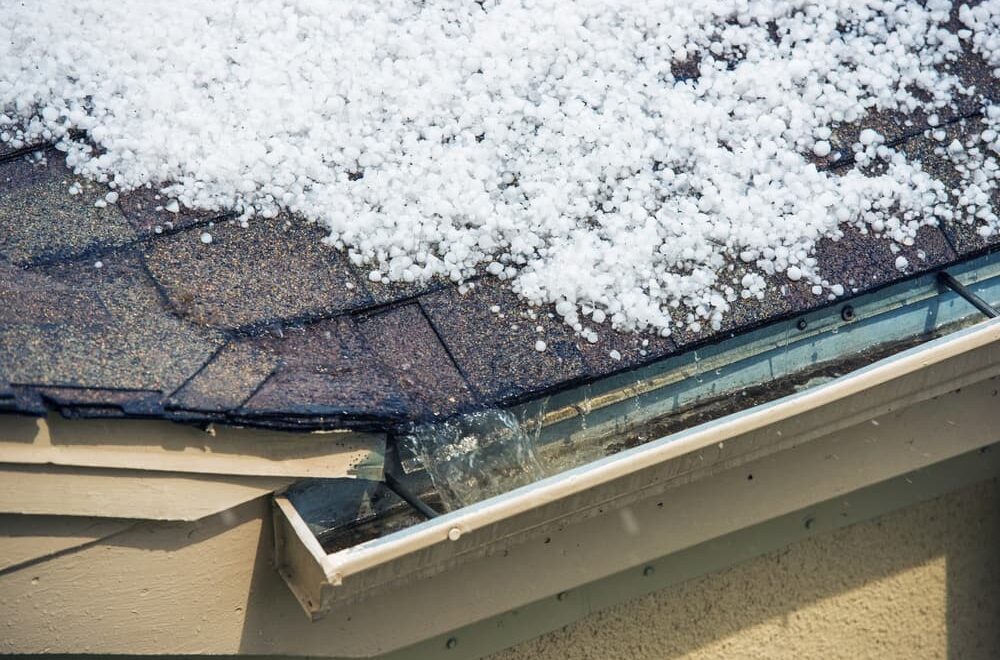
Hailstorms can be devastating, leaving significant damage to homes, vehicles, and other personal property. Texas leads the nation in hail events each year, while Louisiana homeowners also face severe hail and windstorms during Gulf Coast weather systems, making both states especially vulnerable to costly property damage.
According to the Insurance Information Institute, severe convective storms, including hail, have caused billions in insured losses nationwide in recent years, increasing the number of complex property damage claims homeowners must navigate. Unfortunately, while many homeowners insurance policies should cover hail damage, navigating the claims process can be overwhelming, especially when insurance companies undervalue or deny claims altogether.
Many homeowners find themselves facing hail damage claim disputes after delayed responses, disputed inspections, or disagreements over the extent of covered damage. When this happens, having an experienced hail damage lawyer on your side can make all the difference in pursuing the compensation available under your insurance policy. If you think your home or property suffered hail damage, working with a hail damage attorney in your area may help protect your interests while dealing with an insurance company.
Understanding Hail Damage Insurance Claims

Hailstorms can wreak havoc on your property, causing damage that ranges from minor cosmetic issues to severe structural problems. Roofs, windows, siding, and vehicles are particularly vulnerable to hail, and the cost of repairs can quickly add up. After a hailstorm, you will want to file an insurance claim promptly to ensure your damages are covered.
In many Louisiana and Texas storms, homeowners may also experience combined damage from hail, wind, and water intrusion during the same weather event. These overlapping losses can complicate a hail damage claim dispute, especially when insurance companies disagree about what caused specific property damage or which portions of the claim fall within policy exclusions.
However, the insurance claims process can be highly involved, and homeowners often encounter various challenges. Insurance companies may attempt to minimize payouts, delay claims, or outright deny valid claims. The good news is that a skilled hail damage attorney can protect your rights and help pursue compensation available under your policy.
Why Hail Damage Claim Disputes Arise
Hail damage claims often lead to disputes between homeowners and insurance companies due to several common reasons. Understanding these issues can help policyholders navigate a hail damage claim dispute more effectively and better protect their rights under their insurance policy.
Cosmetic Damage Exclusions
Many insurance companies dispute hail claims by arguing that the damage is only cosmetic and does not affect the function of the roof, siding, or other parts of the property. Some policies contain cosmetic damage exclusions that limit coverage for dents, surface marks, or minor visible impacts.
This issue commonly arises with metal roofs, gutters, and siding, where insurers may acknowledge the hail event occurred but still refuse to cover repair costs because they believe the damage does not impact performance. Homeowners dealing with an insurance company in these situations often struggle to challenge unfair claim decisions without additional inspections or legal guidance.
Disagreements Over the Extent of Damage

One of the most frequent causes of dispute is a disagreement over the scope of damage caused by hail. Homeowners may believe that their roof, siding, windows, or other parts of their property were significantly damaged, while insurance adjusters might downplay the extent of the damage, claiming it’s minor or cosmetic. This can lead to partial or denied claims, leaving homeowners with inadequate compensation for covered property damage.
Pre-Existing Damage Claims
Insurance companies may argue that the damage was pre-existing or not caused by the recent hailstorm. If a property shows signs of wear and tear, insurers may attribute the damage to aging rather than the storm, which often results in the denial of the claim. This is a common insurance dispute in older homes where insurers attempt to separate storm-related damage from prior deterioration.
Policy Exclusions or Limitations
Some homeowners insurance policies contain specific exclusions or limitations related to hail damage, such as higher deductibles for roof damage or limitations on covering certain materials. Insurers may cite these exclusions to justify denying or reducing claim payments. In some cases, an insurance policy may also contain a cosmetic damage exclusion that limits coverage for certain types of visible hail impacts.
Delayed Reporting
Insurance companies may dispute a claim if the homeowner waited too long to report the hail damage. Insurers often argue that timely reporting is imperative for proper assessment, and any delay might lead to claim denials. Prompt documentation may improve your chances of showing that the property suffered hail damage during a specific storm event.
Lowball Offers
Even when claims are approved, insurance companies may offer settlements that don’t fully cover the repair costs. Homeowners are often forced to negotiate for fairer compensation, leading to disputes over the final settlement amount. These low estimates may undervalue roofing, siding, drainage systems, or structural repairs needed after severe hailstorms.
In these situations, hiring a knowledgeable hail damage lawyer can help protect your rights and pursue fair compensation for your hail damage claim.
Common Challenges Homeowners Face in Hail Damage Insurance Claims
Even when homeowners promptly report storm-related property damage, the insurance claims process does not always move smoothly. Many policyholders encounter disputes over coverage, repair costs, claim value, or policy interpretation while dealing with an insurance company after a hailstorm. Understanding these common challenges can help homeowners better prepare for a potential hail damage claim dispute.
Underpayment of Claims
One of the most common issues homeowners face when filing a hail damage claim is underpayment. Insurance adjusters may undervalue the extent of the damage or argue that the repairs needed are minimal, offering a settlement that falls far short of the actual repair costs. Without knowledge of the insurance process, it can be difficult for homeowners to challenge these lowball offers effectively.
Disputes also commonly arise over whether the insurer will pay Actual Cash Value (ACV) or Replacement Cost Value (RCV) for damaged property. Insurance companies may attempt to reduce compensation by factoring in depreciation, even when substantial repairs or replacement work are necessary.
Claim Denials
In some cases, insurance companies deny hail damage claims altogether, arguing that the damage was pre-existing, not severe enough, or caused by something other than hail. This can be incredibly frustrating, especially if you have paid premiums for years with the expectation that your policy would cover such events.
Insurance companies may also require homeowners to submit a sworn Proof of Loss form during the claims process. If this form is incomplete, inaccurate, unsupported by documentation, or not submitted within the required timeframe, the insurer may use it as grounds to deny the claim.
Delays in Processing Claims
Another tactic some insurance companies use is to delay the processing of claims. By dragging out the process, they hope to wear homeowners down, pushing them to accept a lower settlement out of desperation. Delays can be particularly problematic when the damage is severe, and repairs are urgently needed to prevent further damage to the property.
Complex Policy Language
Insurance policies are often written in complex legal language, making it difficult for the average homeowner to understand what is covered and what isn’t. Insurance companies may rely on narrow policy interpretations, claiming that certain types of damage are excluded or that the policy limits do not cover the full extent of the repair costs. A lawyer can clarify these issues and ensure the policy language is interpreted in your favor.
The Appraisal Process
Many homeowners are unaware that their insurance policy may contain a built-in dispute resolution process called appraisal. This process allows both sides to select independent appraisers to evaluate the disputed damage amount before litigation becomes necessary.
The appraisal process can become challenging when policyholders do not understand:
- When the appraisal clause applies
- How to properly invoke an appraisal
- What types of disputes can an appraisal resolve
- Whether the disagreement involves repair scope, pricing, or coverage issues
In many hail damage claim disputes, appraisal is used when both sides agree that damage exists but disagree about the value of repairs or replacement work. Understanding these policy rights may help homeowners make more informed decisions while dealing with an insurance company.
Key Strategies for Disputing Hail Damage Claims
Homeowners in Louisiana and Texas often face challenges involving delayed inspections, disputed repair estimates, or denied coverage after severe storms. If you are dealing with a hail damage claim dispute, taking the right steps early in the process may help strengthen your position and protect your rights under the insurance policy.
Here are key steps to consider if a hail damage insurance dispute arises:
Review the Denial Letter Carefully: Identify the specific reasons the insurance company gave for denying, delaying, or reducing the claim. Pay close attention to references to exclusions, cosmetic damage limitations, depreciation, or insufficient documentation.
Request a Second Inspection: If you believe the adjuster overlooked damage, request another inspection. A second review may identify additional roof, siding, or structural damage that was previously missed or undervalued.
Gather Independent Documentation: Collect photographs, contractor assessments, repair estimates, maintenance records, and inspection reports that support your position. Strong documentation may improve your chances during a hail damage claim dispute.
Use Meteorological Evidence: Weather records, NOAA storm reports, and hail tracking data can help establish when the storm occurred and whether your property likely suffered hail damage during that event.
Invoke the Appraisal Process If Available: Many homeowners insurance policies contain an appraisal clause that allows both sides to resolve disputes over the value of damage without immediately filing a lawsuit.
File a Formal Appeal With the Insurer: Some insurance companies allow policyholders to submit additional evidence and formally dispute the claim decision through an internal review process.
Speak With a Hail Damage Attorney: Legal guidance may help homeowners challenge unfair claim decisions, understand policy language, and respond when insurance companies delay, undervalue, or deny covered property damage.
Taking these proactive steps after a hail damage insurance dispute can make a meaningful difference in how your claim is handled. From gathering documentation to understanding your policy rights, homeowners who stay informed are often in a stronger position when dealing with an insurance company over storm-related property damage.
What are your Rights as a Homeowner in a Hail Damage Claim Dispute in Louisiana and Texas
Homeowners in Louisiana and Texas have legal protections when insurance companies fail to properly investigate, process, or pay valid hail damage claims. State laws establish deadlines for insurers, outline policyholder rights during an insurance dispute, and provide potential remedies when insurers unreasonably delay or underpay covered property damage.
Louisiana
In Louisiana, hail-related property damage commonly affects areas such as Baton Rouge, Shreveport, Monroe, Alexandria, and Northern and central Louisiana storm corridors. Homeowners in these regions, and across the state, have important protections when dealing with hail damage insurance disputes, particularly when insurers fail to handle claims in a timely or reasonable manner.
Under La. R.S. 22:1892, insurers generally must pay the undisputed portion of a property damage claim within 30 days after receiving satisfactory proof of loss. If an insurer arbitrarily, capriciously, or without probable cause fails to pay or underpays a covered hail claim, the policyholder may seek penalties plus reasonable attorney’s fees.
Texas
Texas experiences some of the highest hail activity levels in the country, especially in areas like Dallas–Fort Worth, San Antonio, Austin, Amarillo, Lubbock, Midland–Odessa, and North and Central Texas hail corridors. Texas law also provides several protections for homeowners involved in hail damage insurance disputes.
Under Texas Insurance Code Chapter 542, insurers must acknowledge, investigate, and request needed information within 15 days. Once the insurer receives all requested information, it generally must accept or reject the claim within 15 business days, though certain extensions may apply. After approving the claim, payment typically must be issued within 5 business days.
When an insurer fails to comply with these requirements, Texas law may allow the policyholder to recover the amount owed under the claim, statutory interest, and reasonable attorney’s fees.
Texas homeowners may also have remedies under Texas Insurance Code § 541, which addresses unfair or deceptive insurance practices. When used together with Chapter 542, these provisions may provide additional leverage during a hail damage claim dispute involving delayed investigations, misrepresentations, or unfair settlement practices.
Because hail claims often involve disagreements over roof damage, repair costs, or cosmetic exclusions, understanding these legal protections can be important when dealing with an insurance company after a severe storm.
How a Lawyer Can Help You with Your Hail Damage Claim Dispute
When you hire a lawyer to handle your hail damage insurance dispute, you enlist the help of an experienced professional who understands and is well-versed in the tactics insurance companies use to minimize claim payments. A hail damage attorney will advocate for a fair evaluation of the claim and ensure that your insurance company upholds its obligations under the policy.
Here’s how a lawyer can assist throughout the claims process:
Reviewing Your Insurance Policy
The first step in any hail damage insurance dispute is reviewing the terms of your policy. A lawyer will carefully examine your homeowners insurance policy to determine what types of damage are covered and to identify any exclusions or limitations that may apply. This includes reviewing hail-specific deductibles, cosmetic damage exclusions, and policy language related to roof, siding, and storm-related property damage. This review is necessary for understanding the scope of coverage and ensuring that the insurance company cannot unjustly deny or minimize your claim.
A hail damage lawyer will also review the policy’s deadlines and filing requirements to ensure that your claim is submitted on time and in compliance with all necessary procedures. Your attorney may also review the appraisal clause language in the policy, which can trigger a separate dispute-resolution process before litigation becomes necessary. Failure to follow these steps can result in claim denials, so having an attorney on your side ensures your claim is handled correctly.
Gathering and Presenting Evidence
To prove that your hail damage is legitimate and that the compensation offered by the insurance company is insufficient, a lawyer will help gather all necessary evidence. This can include:
- Photos and Videos: Documenting the extent of the damage to your property.
- Expert Reports: Engaging contractors, roofing experts, or engineers to assess the full extent of the damage and the cost of repairs.
- Repair Estimates: Collecting estimates from licensed contractors to determine the cost of restoring your property to its pre-damage condition.
- Weather Reports: Using meteorological data to prove that a hailstorm occurred in your area on the date of the damage.
- NOAA Storm Data and Hail Reports: Using official storm tracking records and hail size reports to support when and where the property suffered hail damage.
With this supporting documentation and expert analysis, your hail damage attorney can present a solid case to the insurance company, demonstrating the full extent of your losses and why the initial settlement offer was insufficient.
Handling Bad Faith Insurance Claims
In some cases, an insurance company may act in bad faith by unfairly denying or delaying your hail damage claim. Bad faith insurance practices can include:

- Refusing to investigate your claim properly
- Unreasonably delaying the processing of your claim
- Denying your claim without a valid reason
- Offering a settlement that is far below the actual value of your claim
If your insurance company is acting in bad faith, your lawyer can pursue legal action related to the insurer’s conduct in addition to addressing the underlying hail damage claim. An experienced attorney can help homeowners challenge unfair claim practices while ensuring fair settlements in bad faith insurance disputes.
Protecting Your Rights Throughout the Claims Process
The claims process can be overwhelming, especially when dealing with the aftermath of significant property damage. A lawyer can take the burden off your shoulders by handling every aspect of your claim, from gathering evidence to negotiating with the insurance company to filing a lawsuit if necessary.
Having legal representation also ensures that your rights are protected throughout the process. Insurance companies may try to take advantage of homeowners who are unfamiliar with the claims process, but with a lawyer on your side, you can rest assured that you will not be taken advantage of.
Negotiating with the Insurance Company
One of the most valuable services a hail damage lawyer can provide is handling negotiations with the insurance company. Insurers often employ experienced adjusters and legal teams to protect their bottom line, and without legal representation, homeowners are at a significant disadvantage. A lawyer with experience in hail damage claims will be familiar with insurance companies’ strategies to minimize payouts and know how to counter these tactics effectively.
In some hail damage claim disputes, the appraisal process may also serve as an alternative to prolonged negotiations or litigation when both sides disagree about the value of the damage.
Your attorney will negotiate to ensure you receive the compensation you need to cover all necessary repairs and any other losses you may have incurred due to the hail damage. This can include:
- Repair or Replacement Costs: Ensuring that the settlement covers the full cost of repairing or replacing your roof, siding, windows, and other damaged parts of your home.
- Additional Living Expenses: If your home is temporarily uninhabitable due to hail damage, your lawyer may seek reimbursement for covered temporary housing costs during repairs.
- Depreciation Disputes: Insurance companies often reduce the value of claims based on the age and condition of the damaged property. A lawyer can challenge these depreciation calculations when appropriate.
Pursuing Litigation (if Necessary)
If negotiations with the insurance company fail to resolve the dispute, your lawyer can file a lawsuit. This legal action can be a powerful tool in holding the insurance company accountable for its failure to honor the terms of your policy.
A lawsuit may be necessary if the insurance company acts in bad faith, refuses to settle for a reasonable amount, or denies your claim without a valid reason. In such cases, your attorney will build a strong case, presenting evidence and expert testimony to demonstrate the extent of the damage and the insurance company’s liability. This process may involve formally disputing damage claims during litigation or settlement negotiations.
Taking legal action can be complicated and time-consuming, but having an experienced lawyer by your side will ensure that your rights are protected and that you have strong legal support throughout the process.
Providing Peace of Mind
One of the most important benefits of hiring a lawyer for a hail damage insurance dispute is the peace of mind it provides. Dealing with property damage can be stressful and emotionally draining, even more so when you are fighting with an insurance company that is trying to minimize your claim payment. By hiring an attorney, you can focus on repairing your property while knowing your dispute is being handled professionally.
Your lawyer will keep you informed throughout the process, explaining each step and providing updates on the status of your claim. This level of support can make a difficult situation much more manageable and help you feel confident that you are taking the right steps to protect your financial future.
Do You Have a Hail Damage Insurance Dispute? Contact a Hail Damage Attorney Today

Hail damage can result in significant financial burdens, and managing the insurance claims process alone can be daunting. When insurance companies dispute covered damage, reduce claim values, or prolong the claims process, homeowners are often left feeling frustrated and uncertain about their next steps. However, by working with a skilled hail damage attorney, you can better understand your rights and options during a hail damage claim dispute.
A lawyer can assist with every step of the claims process, from reviewing your insurance policy and gathering evidence to negotiating with the insurance company. They can advocate for your interests and respond to disputes or denials involving covered property damage. If necessary, your attorney can pursue litigation to seek recovery under the terms of your policy. If you are facing an insurance dispute after hail damage, do not wait to seek legal guidance. Pandit Law helps homeowners navigate complex insurance disputes involving denied, delayed, or underpaid property damage claims so they can move forward with greater clarity and confidence. If your home is in Louisiana, contact our Louisiana hail damage lawyer. If your home is in Texas, contact our Texas hail damage attorney. Our team is available to help you better understand your rights and legal options under your insurance policy.
Conclusion
Hail damage insurance disputes can arise for many reasons, including denied claims, low repair estimates, cosmetic damage exclusions, delayed processing, and disagreements over the extent of property damage. When homeowners understand their policy rights and take proactive steps, such as gathering documentation, requesting additional inspections, and reviewing appraisal options, they are often in a stronger position during the claims process.
Legal guidance can also play an important role when insurance companies undervalue, delay, or deny covered hail damage claims. A hail damage attorney can help homeowners interpret policy language, respond to disputes, negotiate with insurers, and pursue legal action when necessary. For homeowners in Louisiana and Texas, understanding these rights and options may place homeowners in a stronger position when responding to disputed hail damage claims after a severe storm.
Frequently Asked Questions
Pandit Law helps homeowners with insurance disputes involving hail, wind, hurricane, water, and other storm-related property damage claims. If an insurance company disputes the extent of repairs or undervalues covered damage, our hail damage attorneys can help review the policy, evidence, and claim decision.
Yes. Many homeowners dispute claims when the insurance company approves coverage but offers less than the actual repair costs. You may challenge underpayments by providing contractor estimates, inspection reports, photographs, and other documentation that supports the full extent of the hail damage.
Important evidence may include photographs of the damage, contractor estimates, engineering reports, maintenance records, weather reports, NOAA storm data, and inspection findings. Strong documentation can help show when the property suffered hail damage and support disagreements over repair scope or claim value.
Appraisal and mediation are dispute-resolution methods sometimes used in hail insurance claims. Appraisal usually focuses on disagreements over the value of repairs, while mediation involves a neutral third party helping both sides attempt to resolve the dispute before litigation becomes necessary.
A HAAG-certified inspector is a roofing professional trained to evaluate storm-related roof damage using industry-recognized inspection standards. Their assessments may help identify hail impacts, distinguish storm damage from wear and tear, and support homeowners during a hail damage claim dispute.
Yes. Insurance companies may argue that older roofs have pre-existing wear or limited coverage, but age alone does not automatically prevent a valid hail damage claim. Homeowners may still dispute the denial by presenting inspection reports, maintenance records, and evidence linking the damage to a recent storm.