
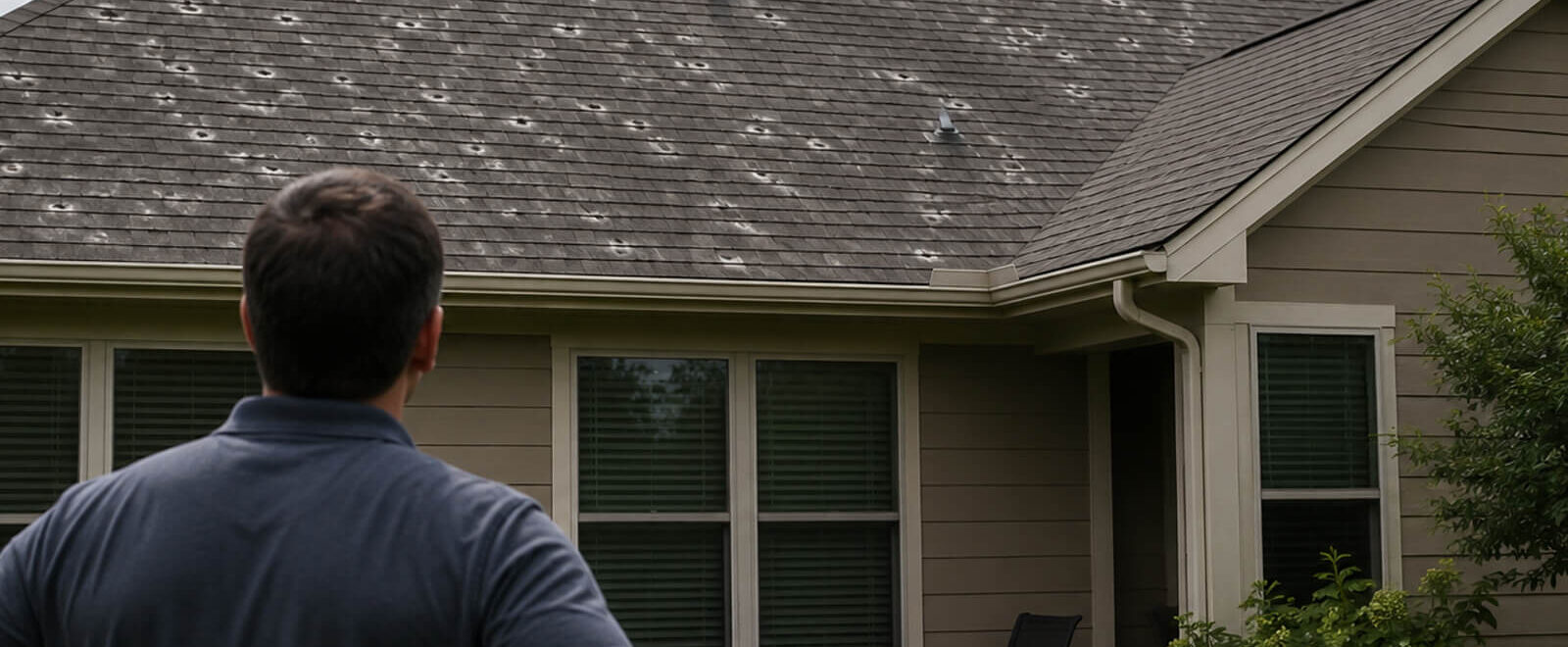
Hail can wreak havoc on your property, causing significant damage to roofs, siding, windows, and even landscaping. As a property owner, you need to understand the nature and severity of hail damage, as well as the legal and financial implications it can have.
Hail can range in size from small pea-sized pellets to massive, golf ball-sized chunks, and the impact can lead to costly repairs and potential safety hazards. In states like Texas and Louisiana, severe hailstorms regularly lead to thousands of property damage claims each year, making them some of the highest-volume hail claim regions in the country. Texas consistently ranks among the top states for hail-related insurance losses.
Damage to your home can compromise the structural integrity of your residential or commercial property, leaving it vulnerable to water intrusion and other secondary issues. Additionally, hail can damage your vehicle, outdoor furniture, and other personal belongings, creating unexpected repair and replacement challenges.
Understanding how to handle a hail damage claim is important if you want to protect your property and avoid unnecessary claim disputes. After a hailstorm, the claim process often involves documenting the damage, reviewing your insurance policy, communicating with your insurance carrier, meeting with an adjuster, and responding to settlement disagreements or denied claims when they arise.
Because every hailstorm and policy is different, property owners may face challenges involving coverage interpretations, deductibles, or delayed claim decisions. Early legal guidance can help property owners evaluate their next steps, stay organized, protect important evidence, and assess their legal options if complications develop during the claims process.
What Is Hail Damage and What Are Its Consequences
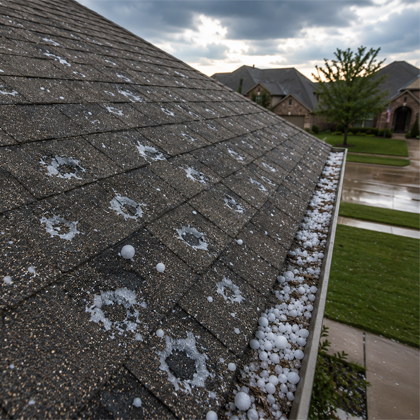
Hail damage can have far-reaching consequences that go beyond the initial physical damage. A severe hailstorm can affect multiple parts of a property, including the roof, siding, gutters, windows, and exterior surfaces. In Louisiana and Texas, areas such as Houston, Dallas-Fort Worth, Baton Rouge, and other Gulf Coast communities frequently experience intense storms that lead to costly property damage claims.
Neglecting to address hail damage promptly can lead to a host of problems, including:
- Structural Integrity Compromise: Hail can dent, crack, or puncture roofing materials, compromising the structural integrity of your property and leaving it vulnerable to water damage and other secondary damage.
- Water Damage and Mold: Unrepaired hail damage can allow water to seep into your home or building, resulting in water damage and mold growth, and create additional structural concerns, interior property damage, and serious health risks.
- Decreased Property Value: Unresolved roof damage or exterior damage can significantly reduce the value of your property, making it more difficult to sell or refinance in the future.
- Safety Concerns: Damaged windows, siding, or roofing materials can create safety hazards for you, your family, employees, or visitors, increasing the risk of injury.
- Financial Burden: The cost of repairing hail damage can be substantial, especially if the damage is extensive or goes unnoticed for an extended period. Property owners may also face out-of-pocket costs related to policy deductibles and temporary repairs.
Addressing hail damage promptly and effectively is crucial to mitigating these severe consequences and protecting the long-term value and safety of your property.
Steps to Take Immediately After Experiencing Hail Damage
If a hailstorm damages your property, act quickly to document the damage and begin the claims process. Taking the right steps early can help support your claim and reduce the risk of disputes with your insurance carrier later in the process.
Here are the essential steps you should take:
- Conduct a Thorough Inspection: Carefully inspect your property, both inside and out, to identify all the areas affected by hail damage. Look for cracked shingles, roof damage, dents in siding, broken windows, and signs of water damage. Take detailed notes and photographs to create a comprehensive record of the damage.
- Document Everything: Keep meticulous records of all communications, repair estimates, photographs, invoices, and any other relevant documents related to your hail damage claim. Thorough documentation can become important evidence if the insurance company might later dispute the extent of the damage.
- Review Your Insurance Policy: Review your insurance policy carefully to understand what types of hail damage your coverage includes, what exclusions may apply, and how your deductibles affect the claim. Some policyholders discover coverage limitations only after dealing with an insurance provider during the claims process.
- Secure the Property: Make any temporary repairs necessary to prevent further damage, such as covering broken windows or patching holes in the roof. This can help reduce additional damage to your home and minimize the risk of further water intrusion.
- File an Insurance Claim: Contact your insurance provider as soon as possible to report the hail damage and begin the claims process. Provide all the documentation you gathered during your inspection, including photographs, repair estimates, and records of damaged property.
- Preparing for an Insurance Adjuster’s Visit: When an adjuster visits your property, walk through the damaged areas carefully and provide supporting documentation that shows the condition of the property after the storm. Keep notes about the inspection and any statements made during the visit. In some cases, an insurer may question the extent or cause of the damage, making detailed records especially important.
- Seek Legal Guidance: Consult with a hail damage attorney to better understand your rights and legal options during the claims process. Legal guidance may become important if your claim is delayed, underpaid, or denied by the insurance carrier.
By taking these immediate steps, you can lay the groundwork for a smoother hail damage claim process and help minimize the long-term impact on your property.
How a Lawyer Handles a Claim After Hail Damage
Navigating the complex process of filing and pursuing a hail damage claim can require the support of experienced legal counsel. A property damage attorney can help property owners address disputes involving coverage decisions, delayed responses, undervalued repairs, or disagreements with an insurance provider.
When dealing with hail damage, it is important to work with a legal team that understands the complexities of insurance policies, claim procedures, and the tactics an insurance company might use to challenge or minimize a claim.
A lawyer typically evaluates policy language, assesses documentation related to the hailstorm, gathers evidence of property damage, evaluates repair estimates, and communicates with the insurance carrier throughout the claims process. Legal counsel may also help property owners respond to denied or underpaid claims and prepare supporting evidence when disputes arise.
Having legal guidance throughout the process can help property owners stay informed about their rights and better respond to claim-related disputes and coverage issues.
Common Challenges Faced During the Hail Damage Claims Process
The hail damage claims process is often fraught with challenges, as insurance companies may try to minimize their claim payments or deny claims altogether.
Some of the common challenges faced by property owners include:
- Undervaluation of Damage: Insurance adjusters may underestimate the extent of the damage to your property, leading to an inadequate claim decision that falls short of the actual repair needs for your roof damage, siding, or other structural issues.
- Denial of Claims: Insurance companies may argue that the damage was pre-existing or unrelated to the hail event, even when the property owner experienced significant storm-related damage.
- Delays and Bureaucracy: The claims process can become slow and frustrating, with the insurance carrier requesting extensive documentation or delaying responses during the review process.
- Lack of Transparency: Some policyholders struggle to understand why their insurer may reduce, delay, or deny portions of a claim, especially when policy language becomes difficult to interpret.
- Pressure to Settle: An insurance company might encourage a quick settlement before the full extent of the damage becomes clear, particularly when hidden structural issues or water intrusion develop later.
A property damage attorney familiar with hail-related claims can help policyholders better understand these challenges and evaluate the options available when disputes arise.
Role of a Law Firm in Handling and Resolving Your Hail Damage Claim Challenges
When property owners face coverage disputes or under-evaluated hail damage claims, legal guidance can play an important role in resolving those issues. A law firm experienced in hail damage claims can help policyholders respond to challenges raised by an insurance carrier and protect their interests throughout the process.
Legal professionals can work closely with homeowners and business owners to document the extent of the hail damage, organize photographs and repair records, review the applicable insurance policy, and assess whether the claim evaluation properly reflects the condition of the property. This documentation can become especially important when an insurance provider disputes the extent of the damage or questions whether the storm caused the loss.
If settlement negotiations become difficult, legal counsel may communicate directly with the insurer, respond to claim disputes, and advocate for a more thorough review of the evidence. In situations where an insurance company might continue denying or underpaying a valid claim, an attorney can also explain the legal remedies that may be available under Louisiana or Texas law.
Working with a law firm can help property owners better navigate the claims process while addressing disputes associated with storm-related property damage, policy interpretation, and repair-related disagreements.
Common Reasons Why Insurance Companies Deny Hail Damage Claims
Insurance companies may deny hail damage claims, often citing ambiguous or subjective reasons.
Some of the most common reasons for claim denials include:
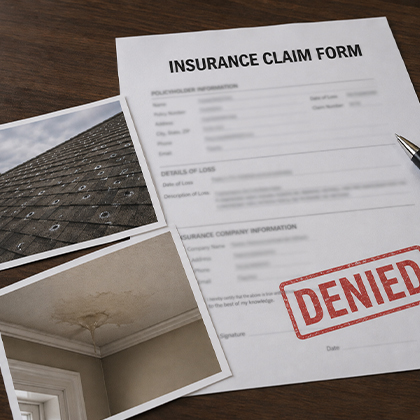
- Pre-Existing Damage: The insurance company may claim that the damage to your home or commercial property existed before the recent hailstorm and was not caused by the storm event.
- Lack of Timely Reporting: If you did not report the hail damage to your insurance provider promptly, the insurer may use this as a reason to deny your claim.
- Insufficient Proof of Damage: Insurance companies may argue that your photographs, repair estimates, or inspection records do not fully demonstrate the extent of the roof damage, damaged siding, or other storm-related losses.
- Policy Exclusions: Your insurance policy may contain exclusions, limitations, or conditions that the insurance carrier attempts to use to deny portions of your hail damage claim.
- Wear and Tear: The insurer may argue that the condition of your roof or exterior surfaces resulted from normal aging or wear and tear rather than hail impact.
A property damage attorney familiar with hail-related disputes can help policyholders review denial reasons, evaluate supporting evidence, and better understand the legal options available when a claim is denied or underpaid.
How an Attorney Handles Denied Hail Damage Claims
A denied hail damage claim can leave property owners facing major repair concerns, policy disputes, and uncertainty about what steps to take next. In many situations, denied claims involve disagreements over the cause of the damage, the scope of repairs, or the interpretation of policy coverage terms.
An attorney handling a denied hail damage claim may begin by reviewing the denial letter, examining the policy language, and evaluating the evidence related to the hailstorm and resulting property damage. This process often includes reviewing photographs, repair estimates, inspection reports, communication records, and documentation involving the insurance carrier.
Legal counsel may also communicate directly with the insurer to challenge claim denials, respond to requests for additional documentation, and address situations where the insurance company might undervalue the extent of the damage. If necessary, the attorney can explain the legal remedies available under Louisiana or Texas law when disputes remain unresolved.
When you are unsure how to handle a hail damage claim after a denial, legal guidance can help you better understand your rights, organize supporting evidence, and navigate the next stages of the claims process.
How to Handle Hail Insurance Adjuster Visit
Meeting with an insurance adjuster is an important part of the hail damage claims process. The adjuster’s inspection may influence how the insurance provider evaluates the damage and reviews the claim.
Here are practical steps policyholders can take to prepare for an adjuster inspection:
- Document the Damage Before the Inspection Begins: Take clear photographs and videos of all visible hail-related damage, including affected roofing materials, gutters, windows, and siding.
- Keep Records of All Storm-Related Repairs and Expenses: Save invoices, temporary repair receipts, contractor estimates, and inspection reports connected to the damage to your home or business property.
- Walk Through the Property With the Adjuster When Possible: Point out areas of concern, including signs of roof damage, water intrusion, or exterior damage that may not be immediately visible.
- Take Notes During the Inspection: Document statements made by the adjuster and keep track of what areas were inspected. This information may become important if disputes arise later.
- Review All Claim-Related Documents Carefully: Before agreeing to any settlement-related paperwork, review the information thoroughly to ensure the documented damage matches the actual condition of the property.
- Seek Legal Guidance if Problems Develop During the Claim Process: If the insurance carrier delays, denies, or underpays a claim after the inspection, a property damage attorney may help review the claim documentation, assess the dispute, and communicate with the insurer on your behalf.
A careful and organized approach during the visit can help you protect your interests and pursue fair compensation.
Why Consider a Lawyer for Handling Hail Damage Claim
As a property owner, you need a lawyer who understands the legal implications and considerations surrounding hail damage. A property damage attorney can provide valuable guidance throughout the claims process, helping you make informed decisions and protect your legal rights.

Some of the key legal considerations include:
- Understanding Your Insurance Policy: Legal counsel can carefully review your insurance policy to identify relevant coverage terms, exclusions, limitations, and deductibles that may affect your hail damage claim.
- Compliance with Reporting Requirements: An attorney can help ensure that you meet important deadlines and documentation requirements established by the insurance provider, reducing the risk of unnecessary claim disputes.
- Negotiating with Insurance Companies: A lawyer may communicate directly with the insurance carrier, respond to disputes, and challenge attempts to undervalue the extent of the property damage.
- Pursuing Legal Action: If the insurance company continues denying or delaying a valid claim, legal counsel can explain the available legal options and represent your interests during formal dispute proceedings if necessary.
- Protecting Your Property Rights: An attorney can help you better understand your rights during the claims process and address situations involving disputed roof damage, repair disagreements, or settlement concerns.
For many policyholders dealing with hail-related losses, legal guidance becomes especially important when navigating complex claims, interpreting policy language, or responding to denied or underpaid hail damage claims.
Why Choose Pandit Law for Hail Damage Claims
When addressing hail damage and navigating the complex claims process, Pandit Law stands out as a trusted option for property owners dealing with difficult insurance disputes.
Here’s why:
- Deep Legal Knowledge: Our legal team has extensive experience handling hail damage claims and understands the challenges policyholders may face when dealing with insurance carriers, disputed roof damage, or claim denials.
- Personalized Approach: We take the time to understand each property owner’s unique situation and provide guidance tailored to the specific facts of the claim, property damage, and applicable insurance policy.
- Strong Advocacy: Pandit Law advocates for property owners facing complex insurance claim disputes and works to address situations where the insurance company might undervalue the extent of hail-related damage.
- Experience With Complex Claims: Our firm has experience handling disputes involving damage to your home, commercial property losses, policy interpretation issues, and disagreements involving repair estimates or settlement evaluations.
- Commitment to Client Support: We prioritize clear communication throughout the claims process so clients better understand their legal options and the status of their case.
When you choose Pandit Law, you work with a legal team committed to protecting your rights and helping you address complex hail damage claim disputes to pursue fair compensation.
Our Methodology for Securing Fair Compensation for Your Claim
At Pandit Law, we follow a structured approach to evaluating and handling hail damage claims. Our methodology focuses on gathering strong supporting documentation, reviewing the applicable coverage provisions, and addressing disputes involving contested or under-evaluated claims.
Here’s a breakdown of our methodology:
- Comprehensive Inspection and Documentation: Our team works to thoroughly document the condition of the property and the extent of the hail-related damage, including photographs, repair estimates, inspection reports, and records involving roof damage, damaged siding, and other affected areas. This accurate documentation can help address disputes when an insurance provider questions the scope of the insurance reimbursement claim or the cause of the damage.
- Detailed Claims Preparation: We carefully organize claim-related materials and supporting evidence to help present a clear and well-documented claim to the insurance carrier.
- Claim Negotiation and Dispute Resolution: We communicate directly with the insurer to address disagreements involving policy interpretation, repair estimates, or claim valuation issues.
- Legal Action, if Necessary: If the insurance company continues denying or underpaying a valid claim, our team can explain the available legal options and pursue further action when appropriate.
- Ongoing Communication and Support: Throughout the process, we maintain consistent communication with clients and provide updates regarding claim developments, requests for documentation, and dispute-related issues.
By following this methodology, our firm works to help property owners better manage the hail damage claims process and address complications that might arise in their insurance claims.
Conclusion
Hail damage can create serious challenges for homeowners and business owners in Louisiana and Texas, especially when disputes arise during the insurance claims process. Understanding how to handle a hail damage claim involves more than documenting visible damage. Homeowners and commercial property owners may also need to review their insurance policy, communicate with the insurance carrier, respond to adjuster findings, and address claim delays or denials when they occur.
Taking prompt action after a hailstorm can help protect your property and strengthen your ability to support a claim. Keeping detailed records, documenting damage to your home, and understanding your legal options may become especially important if the insurer disputes the extent of the loss or undervalues necessary repairs.
If you are dealing with a denied, delayed, or underpaid hail damage claim, seeking legal guidance may help you better understand the next steps available under Louisiana or Texas law. Contact Pandit Law for a free claim evaluation.