
After a severe storm hits Texas or Louisiana, discovering damage to your property is stressful enough. But the situation can feel even worse when a denied hail damage claim leaves you paying out of pocket. Many homeowners and business owners expect their coverage to step in, only to face delays, disputes, or outright denial after reporting damage.
Hail causes billions in property losses across the US each year, with Texas among the hardest-hit states. Yet, even when damage seems obvious, insurance companies often question coverage, dispute the extent of the damage, or rely on technicalities to deny claims.
Even if your claim is denied, you still have options, but acting quickly matters. Deadlines, missing documentation, or delays can weaken your position. This guide explains why claims get denied, how to appeal step by step, legal options available, and how a hail damage attorney can help you protect your rights and move your claim forward.
Common Reasons for Denied Hail Damage Claims
Understanding why your claim was rejected is the first step in appealing a denied hail damage insurance claim. Insurance companies often rely on policy terms, documentation gaps, or their own assessment of the damage to justify a denial. In some cases, the issue comes down to technical errors. In others, the insurance company may dispute key parts of your claim or undervalue the damage. Knowing these common reasons can help you respond effectively and navigate the claims process with more clarity.
Missed Deadlines
Insurance companies may deny claims if the policyholder fails to report the damage or file the claim within the required timeframe. Every insurance policy has deadlines for reporting damage and submitting claims. If you miss these deadlines, your claim can be denied, even if it is legitimate. Insurance companies are legally allowed to enforce these timelines, which means promptly reporting damage is critical when you call your insurance after a storm.
Filing Errors
Even small mistakes in your claim paperwork can create problems. Errors in dates, incomplete sections, or inconsistent information may give the insurance company a reason to deny the claim. Missing key details about the damage or failing to properly document part of your claim can weaken your position. Careful, accurate reporting helps prevent unnecessary disputes.
Unpaid Premiums
If your policy was inactive at the time of the storm due to missed or unpaid premiums, the insurance company may deny coverage altogether. Coverage must be active when the damage occurs. Even a short lapse can lead to a denial, regardless of how severe the damage is.
Inadequate Proof of Loss
To successfully recover compensation, you need to file a “proof of loss” statement that details the damage and the estimated cost of repairs. If your insurance company believes the proof of loss form is incomplete or inaccurate, they might deny your claim. Providing thorough and accurate evidence of loss can prevent this issue and help you avoid unnecessary insurance disputes.
Insufficient Documentation
One of the most frequent reasons for claim denial is a lack of sufficient documentation. If the insurance company believes you haven’t provided enough evidence to support the extent of the damage, they may deny the claim. This is why proper documentation, such as photos, videos, and detailed records, is critical when filing a claim and can help strengthen your claim and support your position.
Partial or Insufficient Inspection
In some cases, the initial inspection may be rushed or incomplete. If the adjuster misses signs of hail impact or fails to assess all affected areas, the insurance company may underestimate the damage or deny the claim entirely. A limited inspection can overlook issues causing significant damage, especially on roofs or less visible structures.
Disputes Over the Extent of Damage
Insurance adjusters may downplay the extent of the damage to reduce the payout. If the insurance company believes the damage is less significant than you reported, they may deny the claim or offer a lower settlement. Working with experienced insurance claims professionals, such as contractors or engineers, to assess the full scope of the damage can help challenge this position.
Cosmetic Damage
Insurance companies sometimes argue that hail damage is only cosmetic and does not affect the function of the property. By classifying the damage this way, they may avoid paying for full repairs or replacements. This is common in roofing claims, where surface damage may still lead to long-term issues.
Damage Below Deductible
If the cost to repair the damage falls below your policy’s deductible, the insurance company may not issue any payment. While this may not always result in a formal denial, it can still leave you responsible for repair costs.
Pre-Existing Damage
Insurance companies may argue that the damage was not caused by the recent hailstorm but by prior events. They may deny the claim if they suspect the damage was pre-existing or resulted from wear and tear. To avoid this issue, it’s essential to document your property’s condition before and after the hailstorm, whenever possible. Regular maintenance records and photos can help counter claims that the insurance company denies a hail damage claim based on prior conditions.
Lack of Maintenance
Insurers may deny claims if they believe poor upkeep contributed to the damage. For example, an aging roof or unrepaired issues may be cited as the real cause of the problem, rather than the storm itself. Maintaining your property and keeping records can help address this argument.
Policy Exclusions
Insurance policies often include exclusions that limit the types of damage covered. Some policies might exclude hail damage or only provide coverage under specific conditions. If your claim is denied based on policy exclusions, carefully review your policy to determine whether hail damage is covered and whether the insurance company is interpreting the policy correctly.
Bad Faith vs Valid Denial
Not every denial is improper. A valid denial may occur when the claim clearly falls outside the policy terms. However, concerns arise when an insurance company appears to be acting in bad faith.
Examples of bad faith practices may include:
- Unreasonably delaying claim decisions without explanation
- Ignoring or failing to review submitted evidence
- Misrepresenting policy terms to justify denial
If the insurance company refuses to properly evaluate your claim or disregards clear evidence, it may raise questions about whether the denial was justified.
Why Roof Insurance Claims Get Denied After Hail Damage
Roof claims often face closer scrutiny than other parts of a property. When a hail damage roof claim is denied, it is usually because the insurance company evaluates roofing damage differently, focusing heavily on cause, condition, and whether the damage affects function. These claims frequently lead to insurance disputes because insurers may rely on narrow interpretations to limit coverage.
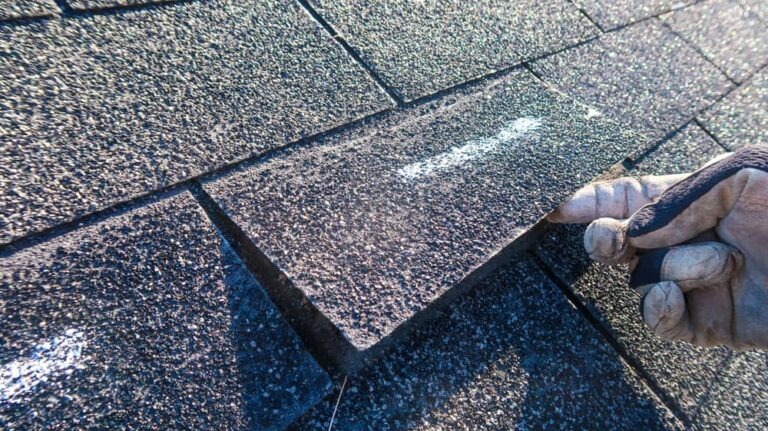
Common reasons roof-related hail claims are denied include:
- Extent of the Damage: Adjusters may argue the impact is minor or does not justify repairs, even when hail is causing significant damage across the roof surface.
- Degradation Over Time: Insurance companies often attribute damage to wear and tear rather than a single storm event.
- Historical Damage: If there are signs of prior storms or unrepaired issues, the insurance company may claim the damage is not recent.
- Aesthetic Damage vs Functional Impact: Insurers may label dents or marks as cosmetic, arguing the roof still functions properly.
- Product Failures: In some cases, the insurer may blame defective materials instead of hail impact.
- Delays in Filing a Claim: Waiting too long after the storm can raise questions about when the damage actually occurred.
- Adjuster Assessment: A limited or surface-level inspection can miss underlying issues, leading the insurance company to underestimate the claim.
Because roofing systems are complex, disagreements often arise over the true extent of the damage. When insurers rely on these factors to deny or limit claims, it becomes critical to carefully review their findings and respond with strong supporting evidence.
What to Do After a Hail Damage Claim Denial (Step-by-Step)
If your hail damage claim has been denied, it’s important not to panic. Instead, take a structured approach to navigate the claims process and respond effectively. Staying organized and responding promptly can make a meaningful difference when you challenge a denial and address potential insurance disputes.
Review the Denial Letter
After your claim is denied, the insurance company will send you a denial letter explaining the reasons for their decision. This letter should include details about why the claim was rejected, citing specific policy language and outlining any deficiencies in your claim. Carefully review this letter to understand the grounds for the denial and how the insurance company may be interpreting part of your claim. If you are unsure about the contents of the letter or believe the reasoning is unfair, consulting with a property damage attorney is a wise next step.
Contact Your Insurance Company to Confirm Appeal Deadlines
Before taking further action, contact your insurance company to confirm all applicable deadlines. Policies often include strict timelines for appeals, supplemental submissions, or dispute resolution. Missing these deadlines can limit your options, even if your claim is valid. When you call your insurance, document the conversation and ask for written confirmation of any deadlines to avoid unnecessary delays.
Keep a Detailed Log of Communication and Evidence
Maintaining a clear record of all interactions can strengthen your position during an appeal. Keep track of every email, phone call, inspection report, and document related to your claim. A well-organized log helps establish a timeline, supports your version of events, and can be useful if the insurance company refuses to acknowledge prior communications or updates.
Gather Evidence
The strength of your appeal depends on the evidence you provide. If your claim was denied due to insufficient documentation, now is the time to gather more evidence.
This may include:
- Photographs and Videos: Take clear, high-quality photos and videos of the hail damage from various angles. Capture images of the roof, siding, windows, and other affected areas to show the extent of the damage.
- Repair Estimates: Get detailed repair estimates from contractors or other professionals. Multiple estimates can help demonstrate the true cost of repairs.
- Witness Statements: If neighbors, family members, or professionals observed the storm or resulting damage, ask for written statements describing what they saw.
- Maintenance Records: Provide records of upkeep or prior repairs to help counter claims that the damage was pre-existing and not caused by the recent storm.
Request a Reinspection
If you believe the initial assessment was incomplete, you can request a reinspection. A second inspection may uncover damage that was overlooked or underestimated during the first visit. This step can be especially important when the original adjuster assessment did not fully account for areas where hail may be causing significant damage.
Get a Second Opinion (Contractor / Expert)
An independent evaluation from a qualified contractor or expert can help challenge the insurance company’s findings. These professionals can provide detailed reports on the extent of the damage and identify issues that may not have been included in the insurer’s assessment. Their input can strengthen your position when disputing a denial.
File an Appeal
Once you have gathered all the necessary evidence, the next step is to file an appeal with the insurance company. The appeals process typically involves:
- Submitting Additional Documentation: Present any new evidence that supports your claim, including photos, repair estimates, and expert reports.
- Writing an Appeal Letter: Clearly explain why you believe the insurance company has denied the hail damage claim incorrectly. Reference the denial letter, cite relevant policy provisions, and include supporting documentation.
- Requesting a Re-Evaluation: Ask the insurance company to re-evaluate your claim based on the updated information and policy terms.
Consider the Appraisal Process
If the dispute centers on the value or extent of the damage rather than coverage, the appraisal process may be an option. This method allows both parties to select independent appraisers who evaluate the loss and attempt to reach an agreement. It can provide a structured way to resolve disagreements without moving directly into litigation.
Consult with a Hail Damage Attorney
Handling an insurance claim denial can be confusing and overwhelming, especially when dealing with large insurance companies that have teams of adjusters and legal resources on their side. As such, hiring an experienced property damage attorney becomes invaluable.
A hail damage attorney can:
- Review Your Policy: An attorney will carefully assess whether the denial is valid or if the insurance company may be acting in bad faith.
- Investigate the Claim: Your attorney can evaluate the full extent of the damage, work with experts, and gather additional evidence.
- Handle Communications: Having a lawyer manage communication can help prevent missteps and reduce pressure from the insurance company.
- Negotiate a Fair Outcome: An attorney can advocate for a resolution that aligns with your policy and the documented damage.
Prepare for Mediation or Arbitration
If your appeal is denied, many insurance policies include provisions that allow for alternative dispute resolution (ADR) methods such as mediation or arbitration. In mediation, both parties meet with a neutral third party (the mediator) to attempt to reach a mutually agreeable outcome. Arbitration is more formal and involves presenting your case to an arbitrator, who makes a binding decision. These processes can help resolve insurance disputes without going to court, and your attorney can represent your interests throughout.
File a Lawsuit (If Necessary)
If all else fails and your appeal is denied again, your attorney may recommend that you file a lawsuit. This step may be appropriate if the insurance company refuses to honor the terms of your policy or fails to properly evaluate your claim. While litigation can take time, it may be necessary to hold the insurance company accountable and pursue the compensation tied to your coverage.
Texas vs Louisiana Hail Damage Claim Laws: What Homeowners Need to Know
State laws play a critical role in how insurers handle hail damage claims, how quickly they must respond, and what rights you have if a claim is delayed or denied. If you are dealing with a dispute, understanding these legal frameworks can help you act within deadlines and identify when an insurance company may be acting in bad faith.
Texas
Texas has detailed laws that govern how insurance companies process and pay claims. These rules can directly impact what happens when a hail damage claim is denied.
Deadlines to File Claims
Texas insurance policies generally require policyholders to report property damage promptly after a loss occurs. While the specific notice requirements vary by policy, delaying the reporting of a claim can create coverage issues and may affect an insurer’s ability to investigate the loss. Policyholders should review their policy carefully and report damage as soon as reasonably possible after it is discovered.
Bad Faith Laws
Texas law prohibits insurers from engaging in unfair or deceptive practices. If an insurance company refuses to properly investigate, delays payment without justification, or misrepresents policy terms, it may raise concerns about acting in bad faith.
Prompt Payment of Claims Act
Under the Texas Insurance Code, insurers must follow strict timelines:
- Acknowledge the claim, begin an investigation, and request necessary information within 15 days.
- Accept or deny the claim within 15 business days after receiving all required documentation.
- Pay the claim within 5 business days after approval.
These requirements fall under the Texas Prompt Payment of Claims Act (Chapter 542), along with provisions such as § 541.060 and § 541.151. If an insurer fails to meet these deadlines, they may face statutory penalties, including interest on delayed payments and potential liability for attorney fees.
Louisiana
Louisiana law also places clear obligations on insurers, particularly in storm-related claims where hurricane and hail damage may overlap.
Statutes of Limitations
In many cases, Louisiana homeowners have up to 2 years from the date of loss to file a lawsuit for property damage claims. However, insurance policies may include shorter deadlines for submitting claims, so reviewing your policy closely is essential.
Insurer Obligations
Louisiana requires insurers to adjust claims fairly and promptly. After receiving satisfactory proof of loss:
- Insurers generally must pay within 30 days after receiving satisfactory proof of loss. However, this timeline may be extended in the case of a certain catastrophic event.
- Failure to do so without just cause can result in penalties, including additional damages and attorney fees.
These obligations are governed by statutes such as La. R.S. 22:1892, which is often central in insurance disputes.
Hurricane and Hail Overlap
In Louisiana, storms may involve both wind and hail, especially during hurricane events. Insurance companies may attempt to separate or reclassify damage to limit coverage. Disputes often arise over whether the damage was caused by hail, wind, or prior conditions, which can affect how the claim is evaluated and paid.
Understanding these state-specific rules can help you identify whether your insurer is meeting its legal obligations. If deadlines are missed or your claim is not handled properly, you may have grounds to challenge the denial and pursue further legal action.
How a Hail Damage Attorney Can Help You Win a Denied Hail Claim

If you are dealing with a denied hail damage claim, taking timely action can make a significant difference. The insurance company’s decision is not always final, and legal support can help you navigate the claims process, challenge unfair conclusions, and address ongoing insurance disputes.
An experienced property damage attorney can evaluate why your hail damage claim is denied, gather supporting evidence, and manage communication when the insurer does not fully honor your policy terms. Many firms also work on a contingency fee basis, allowing you to pursue your claim without upfront legal costs while focusing on restoring your property.
Experience in Insurance Law
Insurance policies are often written in complicated language that can be difficult for the average policyholder to understand. A property damage attorney has extensive knowledge of insurance law and can interpret the policy language to determine whether the denial is valid. They will also know what documentation is required to support your claim and ensure that all deadlines are met, especially when insurance companies often rely on technicalities to justify denials.
Protecting Your Rights
Insurance companies are known for using tactics to minimize payouts, and without legal representation, you may not be fully aware of your rights. A lawyer will protect your rights throughout the appeals process, ensuring the insurance company follows the law and treats you fairly when handling hail damage claims and related disputes.
Investigating the Damage
Your attorney can work with qualified professionals, such as contractors or engineers, to assess the damage to your property and provide evidence that counters the insurance company’s claims. These professionals can prepare detailed reports that support your claim and help prove the full extent of the damage, especially in cases involving significant damage or disputed findings.
Handling Negotiations
Insurance companies often pressure policyholders into accepting low settlements or abandoning their claims. An experienced property damage attorney will handle all negotiations with the insurance company, ensuring you don’t have to deal with these high-pressure tactics. Your lawyer will advocate for a fair outcome based on the documented damage and the terms of your policy, particularly when the insurance company denies a hail claim without proper justification.
Identifying Bad Faith Practices
A key role of a property damage attorney is identifying when an insurer may be acting in bad faith. This can include:
- Unreasonable delays in processing or responding to your claim
- Ignoring or failing to review submitted evidence
- Misinterpreting or misapplying policy language
- Failing to conduct a proper investigation
When these issues arise, your attorney can take steps to hold the insurance company accountable and build a stronger case if further legal action becomes necessary.
Pursuing Legal Action
If the insurance company refuses to cooperate or continues to deny your claim unjustly, your attorney can take legal action on your behalf. Whether through mediation, arbitration, or filing a lawsuit, your property damage lawyer will work to resolve the dispute and pursue the compensation tied to your policy while addressing any improper conduct by the insurer.
Tips for Handling Denied Hail Damage Claims
If you are dealing with a denied hail damage claim, staying proactive and organized can help you protect your rights and strengthen your position during the appeals process.
- Review Your Policy: Carefully read your coverage to understand what is included, excluded, and how the insurance company may interpret part of your claim.
- Report Damage Promptly: Timely reporting of damage helps avoid disputes and ensures you meet policy deadlines when you call your insurance.
- Document Everything: Keep detailed records of damage, repairs, and communications to support your claim.
- Keep Communication Logs: Track every interaction with the insurer, including emails, calls, and updates, in case the insurance company refuses to acknowledge prior discussions.
- Photograph All Damaged Areas: Capture clear images of all affected parts of your property to show the full extent of the damage.
- Capture Hail Evidence: Save physical evidence like hailstones when possible or document storm conditions immediately after the event.
- Save Weather Reports: Obtain official weather data to confirm that a hailstorm occurred in your area at the time of loss.
- Get Detailed Repair Estimates: Work with contractors to prepare itemized estimates that reflect the actual cost of repairs.
- Stay Organized: Keep all documents, reports, and correspondence in one place to help you navigate the claims process efficiently.
Taking these steps early can help reduce delays, limit insurance disputes, and improve your ability to respond if your claim is challenged.
Don’t Accept a Denial Without a Fight: Hire a Seasoned Property Damage Attorney Today
Hail damage can be costly and stressful, especially for homeowners in Texas and Louisiana. The situation becomes even more frustrating when a hail damage insurance claim is denied after you have already taken steps to report the loss. But a denial is not final. You still have legal options, and acting quickly is critical. Delays, missed deadlines, or incomplete evidence can weaken your ability to challenge the decision.
If your claim has been denied, take action now. With the right legal support, you can appeal the decision and push back when the insurance company refuses to fully evaluate your claim. An experienced property damage attorney can review your policy, assess the damage, and identify gaps in the insurer’s findings. They can also manage communication, handle negotiations, and take further legal steps if necessary to address insurance disputes.
Working with a property damage attorney gives you a structured legal approach to challenge the denial. They will guide you through the appeals process, protect your rights, and advocate for a fair outcome based on your policy and documented damage.
If you are dealing with a denied claim in Louisiana, you can speak with a Louisiana hail damage lawyer to understand your options. If your property is in Texas, a Texas hail damage attorney can help you evaluate your next steps and take timely action to protect your claim.
Conclusion
A denied hail damage claim can feel like a setback, but it does not have to be the end of the process. There are clear steps you can take to challenge the decision and move your claim forward. But timely action is critical. Deadlines, missing documentation, or delays in responding can weaken your position and limit your options.
By staying organized and taking a proactive approach, you can strengthen your appeal and address any insurance disputes effectively. If you are unsure about your next steps or facing resistance from the insurance company, speaking with a property damage attorney at Pandit Law can help you understand your rights and evaluate your options.
Frequently Asked Questions
Yes, you can challenge a denied hail damage claim. A denial does not always mean the claim is closed. You can review the denial letter, gather additional evidence, request a reinspection, and file an appeal. If needed, legal action may help resolve disputes with the insurance company.
You should consider speaking with a property damage attorney if your claim is denied, delayed, or underpaid. Legal support becomes especially important when the insurance company disputes the damage, ignores evidence, or you are unsure how to move forward with an appeal.
Start by reviewing your policy and the insurer’s findings. Present clear evidence, including photos, repair estimates, and expert opinions. Keep communication documented and respond promptly. If negotiations stall or the insurer refuses to reconsider, an attorney can step in to handle discussions.
An insurance company may deny a claim if it falls outside policy coverage or lacks sufficient proof. However, not all denials are justified. If the insurer misinterprets your policy, undervalues damage, or ignores evidence, you may have grounds to challenge the decision.
If your claim was denied for late reporting, review your policy deadlines carefully. Provide any evidence explaining the delay and document when the damage was discovered. You may still appeal the decision, especially if the delay did not affect the insurer’s ability to assess the damage.