
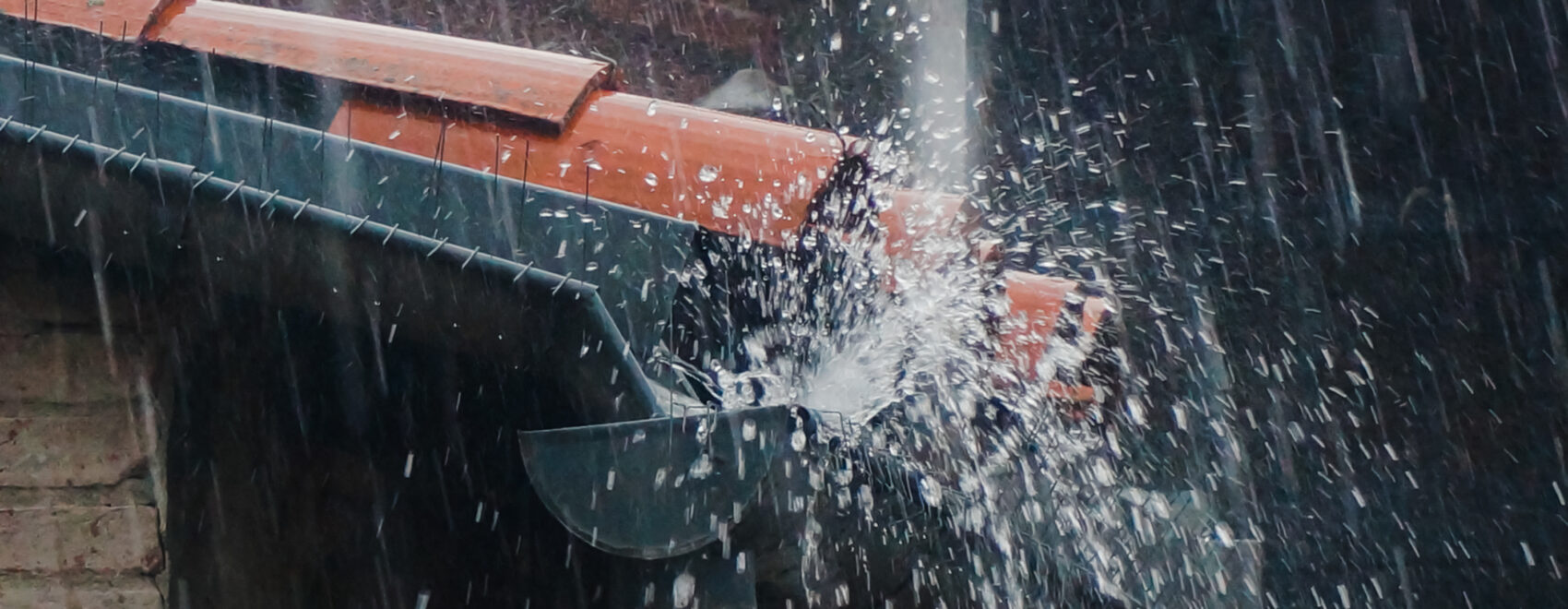
Purchasing property is one of the most significant investments people will ever make. Therefore, protecting it with an insurance policy is paramount. When something unexpected happens, such as water damage, you anticipate your insurance policy to cover the expense of fixing your property. Unfortunately, water damage insurance claims aren’t typically this simple.
Water damage is one of the most common and costly issues that property owners face. Whether it’s a burst pipe, roof leaks, or sewer backups, water damage can lead to extensive property destruction, costly repairs, and significant disruptions to your daily life.
In hurricane-prone states like Louisiana and Texas, water-related property losses remain a major concern for homeowners and businesses alike. According to the Insurance Information Institute, water damage and freezing claims account for 22.6% of insured home losses and remain one of the most common homeowners insurance claims. Severe storms, aging plumbing systems, and hurricane-related flooding continue to contribute to water damage disputes across the Gulf Coast region.
When these issues arise, many property owners expect their insurance policies to cover the damages, only to find themselves involved in disputes with their insurance company or other parties involved.
Water damage disputes often involve overlapping insurance issues, policy exclusions, liability questions, and state-specific legal requirements. Understanding your legal rights, the process for handling disputes, and when to seek the help of a skilled water damage dispute lawyer is imperative when navigating these challenges. From the initial claim to potential litigation, an experienced water damage claim attorney can play a critical role in protecting your rights and helping you pursue fair compensation.
What Qualifies as a Water Damage Dispute?
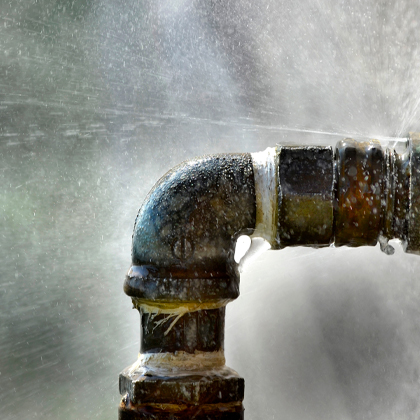
Water damage claims typically arise when property owners seek compensation for damage caused by water-related incidents. Most property insurance policies offer coverage for certain types of water damage, but often have specific exclusions and limitations. The outcome of your water damage claim will largely depend on the source of the damage, the details of your insurance policy, and how you handle the claim process.
However, there is an important difference between simply filing a water damage claim and entering into a dispute with the insurance company. A claim becomes a dispute when the insurer denies coverage, delays payment, undervalues the damage, or disagrees about what caused the loss.
For example, a homeowner may file a claim after a pipe bursts inside the property. While the homeowner believes the damage should be covered, the insurance company may argue that the leak developed gradually over time and falls under a policy exclusion. Disagreements like these often lead property owners to seek guidance from a water damage dispute lawyer to better understand their legal options.
Reasons for Water Damage Disputes
Water damage claims can become contentious for a variety of reasons. Insurance companies may deny or undervalue claims, disputes may arise over the cause of the damage, or disagreements may emerge about the extent of coverage under the insurance policy. In many cases, policyholders believe the damage should be covered, while the insurer interprets the policy differently.
Here are some of the most common issues that lead to water damage disputes:
Coverage Denials
Insurance companies may deny water damage claims by arguing the damage falls outside policy coverage, resulted from long-term deterioration, or involved excluded flood-related losses.
Insurance policies also contain specific exclusions that can limit coverage for certain types of water damage. For example, some policies may exclude flood-related losses, long-term plumbing leaks, hidden deterioration, or sewer backup damage unless additional coverage applies. These exclusions often become a major source of conflict when homeowners believe the damage should qualify for coverage under their policy.
Disputes may also arise when insurers classify hurricane-related water intrusion as flood damage rather than wind-driven rain damage, especially in Louisiana and Texas storm claims.
Valuation Disputes
Even when coverage is granted, disputes may arise over the value of the damage. Insurance companies may undervalue the cost of repairs, argue that certain repairs are unnecessary, or claim that part of the damage existed before the water event.
Delay in Payment
Insurance companies are required to act in good faith and promptly process valid claims. However, some companies delay payments, leaving property owners in difficult financial situations. If your insurer is delaying payment or repeatedly requesting additional information, it may be a sign of bad faith.
Denied Claim
A denied claim can leave homeowners and business owners struggling to recover after serious water damage. In some situations, the insurance company may deny the claim entirely because it believes the damage falls outside the policy’s terms or because it disputes the cause of the loss.
Common reasons insurers deny water damage claims include:
- The insurer claims the damage resulted from long-term wear rather than a sudden event.
- The insurance company argues the policy exclusion applies.
- The insurer disputes when the damage occurred.
- The company claims there is insufficient documentation supporting the loss.
A denied claim does not always mean the insurer’s decision is final. A water damage insurance claim dispute lawyer can review the policy language, supporting evidence, and claim history to determine whether the denial should be challenged.
Third-Party Liability
In some cases, water damage disputes involve third-party liability. For example, a contractor who improperly installed a roof, leading to a leak, may be liable for the damage. In these situations, disputes may arise over who is responsible for the damage and whether the third party’s or the property owner’s insurance should cover the costs.
Insurance Bad Faith
Insurance bad faith occurs when an insurance company fails to handle a valid claim fairly, honestly, or within the obligations outlined in the policy and state law. While not every disagreement qualifies as bad faith, certain claim-handling practices may indicate potential bad faith conduct.
Examples of potential bad faith practices may include:
- Unreasonably delaying claim investigations or payments
- Misrepresenting policy terms or coverage provisions
- Failing to properly investigate water damage evidence
- Repeatedly requesting unnecessary documentation to delay resolution
- Denying a claim without providing a clear explanation
In Louisiana and Texas, insurance companies must follow specific claim-handling requirements. When insurers fail to meet these obligations, policyholders may need the assistance of a water damage dispute lawyer to protect their rights and pursue a fair resolution.
Common Types of Water Damage Claims That Often Lead to Disputes
Several common causes of water damage can lead to insurance claims and disputes between property owners and insurance companies, including:
Burst Pipes or Plumbing Issues
When a pipe bursts or leaks, it can cause significant water damage to the structure of the property and its contents. Claims related to burst pipes are typically covered, but there may be exclusions if the damage is due to negligence or lack of maintenance.
In many cases, disputes arise when the insurance company argues that the plumbing issue developed gradually rather than resulting from a sudden event.
Roof Leaks
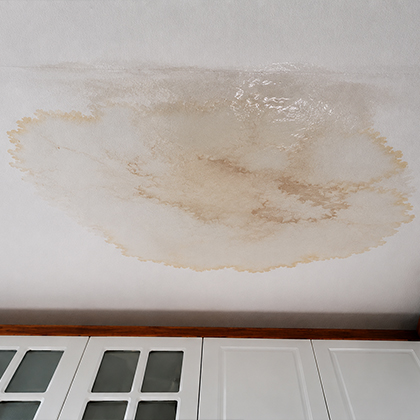
Water entering a property through a damaged or faulty roof is a frequent cause of water damage claims. Insurers may cover this type of damage, but the specific circumstances of the leak, such as the age of the roof or the condition before the leak, will be taken into account.
In Louisiana and Texas, roof leak disputes commonly occur after hurricanes or severe storms when insurers question whether the damage resulted from wear and tear or storm-related conditions.
Flooding
Flood damage is one of the most contentious water damage claims. Most standard homeowners insurance policies do not cover flood damage, and property owners are required to carry a separate flood insurance policy to receive compensation for this type of event.
Disputes often arise when insurance companies classify water intrusion as flooding rather than covered storm-related water damage.
Sewer Backups
The resulting damage can be devastating when a sewer line backs up into a home or business. Some insurance policies offer optional sewer backup coverage, which is not always included in standard policies.
Coverage disputes may occur if the insurer claims the policyholder did not purchase the required endorsement for sewer-related losses.
Storm Damage
Insurance policies often cover water damage caused by storms, including hurricanes, heavy rain, or high winds.
Still, disputes can arise over whether the damage was caused by water or flooding. These disagreements are especially common in Gulf Coast claims involving wind-driven rain, roof damage, and hurricane-related water intrusion.
Hidden Water Damage
Hidden water damage often leads to coverage disputes because leaks may remain undetected for long periods behind walls, under flooring, or inside plumbing systems before the property owner even notices a problem.
Insurance companies may argue that the damage resulted from long-term deterioration, poor maintenance, or gradual leakage rather than a sudden covered event. Property owners, however, may not discover the issue until the damage becomes severe enough to affect flooring, ceilings, cabinets, or structural components.
These disputes frequently involve questions such as:
- When the water damage actually began
- Whether the damage was sudden or ongoing
- If the policy exclusion for gradual leaks applies
- Whether the homeowner acted reasonably after discovering the issue
Because hidden leaks can quickly become expensive repair claims, these cases often lead homeowners to seek help from a water damage insurance claim dispute lawyer to review the insurer’s position and policy language.
How Are Water Damage Disputes Resolved? Step-by-Step Guide
Resolving a water damage dispute often involves multiple stages, from documenting the loss to negotiating with the insurer. It’s important to understand the key steps involved and when to seek legal assistance to protect your rights and improve your chances of reaching a fair resolution.
Here is a step-by-step guide to handling a water damage dispute:
Assess and Document the Damage
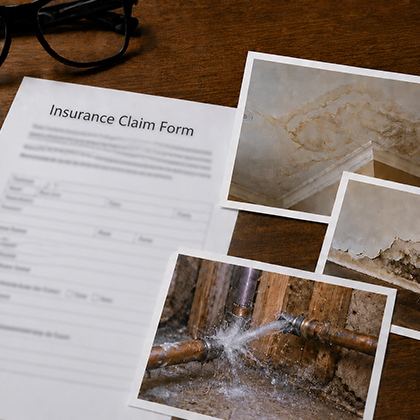
The first step in addressing a water damage issue is to assess the extent of the damage and take immediate action to prevent further harm. It might include stopping water flow, documenting the damage with photographs or video, and removing items that can suffer further damage, like furniture or personal belongings.
Homeowners and business owners should also keep detailed documentation related to the loss, including:
- Repair estimates
- Contractor evaluations
- Receipts for emergency mitigation work
- Copies of communications with the insurance company
- Inspection reports and claim correspondence
Thorough documentation can strengthen your position if the insurance company later disputes the cause, extent, or value of the damage.
Review Your Insurance Policy
Before filing a claim, carefully review your insurance policy to understand what is covered and what exclusions may apply. Pay close attention to policy limits, deductibles, and any water damage or flooding language. If your policy includes specific coverage for water damage, such as sewer backup or flood insurance, ensure you understand the terms.
File the Formal Dispute
If your insurance company disputes, undervalues, or refuses coverage for your water damage claim, you may need to formally dispute the decision. This process typically involves submitting additional evidence supporting your position and explaining why you believe the claim should be covered or reevaluated. Because insurance policies often contain strict notice requirements and contractual deadlines, homeowners should keep copies of all claim communications, inspection reports, and policy documents from the beginning of the dispute.
Supporting documentation may include:
- Updated repair estimates
- Engineering or contractor reports
- Photographs and inspection findings
- Copies of prior claim communications
- Relevant policy provisions
A formal dispute creates a documented record of your disagreement with the insurer and may become important if negotiations or legal action follow.
Invoke the Policy’s Appraisal Process
After a water damage claim is filed, the insurance company will typically assign an adjuster to inspect the property and determine the value of the claim. Property owners should be prepared to walk the adjuster through the damage and provide supporting documentation related to repairs and losses.
If the insurance company accepts coverage but offers a settlement amount that the homeowner believes is too low, the policy may allow the parties to use an appraisal process to resolve the disagreement. During appraisal, each side selects an appraiser to evaluate the loss, and the appraisers work toward determining the value of the claim.
The appraisal process may help resolve disputes involving:
- Repair costs
- Replacement value disagreements
- Scope-of-damage disputes
- Conflicting contractor estimates
Keeping organized records of inspections, estimates, and insurer communications can strengthen a disputed claim.
Negotiate with the Insurance Company
If the insurance company denies your claim or offers a settlement that doesn’t adequately cover your losses, you have the right to negotiate. You may need to gather additional evidence, such as second opinions from contractors or expert reports, to support your claim.
Consider Mediation or Arbitration
In some cases, disputes can be resolved through alternative dispute resolution methods, such as mediation or arbitration. These processes are often faster and less costly than litigation, and they allow both parties to reach a mutually agreeable resolution. However, having legal representation during these proceedings is imperative to protect your rights.
File a Lawsuit (If Necessary)
If negotiations with the insurance company fail and mediation or arbitration doesn’t lead to a satisfactory resolution, filing a lawsuit may be necessary. This is especially true if you believe your insurance company has acted in bad faith by wrongfully denying your claim, delaying payment, or undervaluing the damage. A lawsuit may also be required if a third party, such as a contractor or a neighboring property owner, is responsible for the damage.
Filing a lawsuit for water damage disputes typically involves several key steps:
- Consult With an Attorney: An experienced water damage dispute lawyer can review your case, evaluate the strength of your claim, and advise you on the best course of action.
- File the Complaint: Your attorney will file a formal complaint with the court, outlining the details of the dispute and the damages you’re seeking.
- Discovery: Both sides will gather evidence through a process called discovery. This may involve depositions, document requests, and expert testimony to build your case.
- Trial or Settlement: Many water damage disputes are settled out of court, but if a settlement can’t be reached, your case may proceed to trial. Your attorney will present your case before a judge or jury, who will determine whether you’re entitled to compensation.
While many water damage disputes resolve before trial, some claims require legal action to pursue a fair outcome. Some disputes ultimately require formal legal action when negotiations fail.
Hire a Dispute Lawyer
Water damage disputes can quickly become complicated, especially when insurance companies dispute coverage, undervalue repairs, or delay claim decisions. Working with a water damage dispute lawyer can help property owners better understand their policy rights and respond effectively to insurer challenges.
An attorney can assist by:
- Reviewing policy language and exclusions
- Gathering supporting evidence for the dispute
- Communicating and negotiating with the insurance company
- Identifying potential bad faith claim-handling practices
- Representing the property owner during litigation, mediation, or appraisal proceedings
Legal guidance can be particularly important in large-loss claims, hurricane-related water damage disputes, and situations involving multiple potentially responsible parties.
What to do If Water Damage is Caused by Neighbors
Water damage does not always originate inside your own property. In some situations, neighboring homes, shared plumbing systems, or nearby drainage problems may contribute to significant water intrusion and property damage. These situations can quickly become complicated because multiple insurance policies and liability issues may be involved.
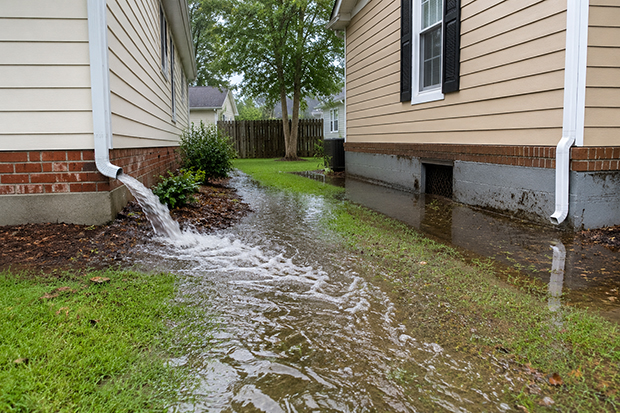
When a Neighbor Causes Water Damage
Neighbor-related water damage can occur in many different ways, especially in multi-unit buildings, older neighborhoods, and properties with shared infrastructure.
Common examples include:
- An upstairs plumbing leak damaging ceilings or walls
- Overflowing drains or backed-up sewer lines affecting adjacent properties
- Shared plumbing system failures between neighboring units
- Improper drainage causing water runoff onto the nearby property
- A neighboring property’s damaged roof or gutter system directing water toward another structure
These situations often lead to neighbor disputes over water damage, particularly when property owners disagree about who caused the problem or which insurance policy should apply.
In many cases, homeowners should first file a claim through their own homeowners insurance policy rather than waiting for the neighbor’s insurer to accept responsibility. After paying the claim, the insurance company may later attempt to recover its losses from the at-fault neighbor or the neighbor’s insurance provider through a process known as subrogation.
This approach can help property owners begin the repair process sooner while liability issues continue to be investigated separately.
When Neighbor Water Damage Leads to a Dispute
Not every neighbor-related water damage claim becomes contentious, but disputes may arise when liability and coverage issues become unclear.
For example, neighbor disputes over water damage may develop when:
- A neighbor denies responsibility for the damage
- Insurance companies disagree about which party caused the loss
- An insurer attempts to deny or underpay the claim
- Multiple policies potentially apply to the same damage
- The cause of the water intrusion remains disputed
These cases can become especially stressful when repairs are urgent, but the insurance companies continue disputing responsibility or settlement amounts.
A water damage dispute lawyer can help property owners navigate communication between insurers, review liability issues, challenge denied claims, and seek a fair resolution when negotiations stall.
Water Damage Disputes in Louisiana and Texas: What You Need to Know
Water damage disputes are especially common in Louisiana and Texas due to hurricanes, severe storms, aging infrastructure, and high property exposure. In many cases, insurers dispute whether the damage resulted from covered wind-driven rain, excluded flooding, sudden plumbing failures, or long-term deterioration. Because state laws directly affect how insurers must investigate and pay claims, property owners should understand the legal rules that may impact their dispute.
Louisiana Water Damage Disputes
Louisiana homeowners frequently encounter water damage insurance disputes involving hurricane-related losses, wind-driven rain, roof leaks, plumbing failures, sewer backups, and questions regarding whether damage resulted from covered water intrusion or excluded flooding. Disputes may also arise when insurers attribute damage to long-term deterioration, wear and tear, deferred maintenance, or other policy exclusions rather than a sudden and accidental covered event.
Under Louisiana Revised Statute § 22:1892, insurers generally must initiate adjustment of a property claim within 14 days after receiving notice of the loss and pay any undisputed amount owed within 30 days after receiving satisfactory proof of loss. However, certain deadlines and claims-handling requirements may be modified following a declared catastrophic event, such as a major hurricane or widespread natural disaster. An insurer that fails to make timely payment in a manner that is arbitrary, capricious, or without probable cause may be subject to statutory penalties and attorney’s fees.
Louisiana law also imposes a duty of good faith and fair dealing on insurers. Under Louisiana Revised Statute § 22:1973, insurers may face additional liability for certain unfair claims-handling practices, including misrepresenting policy provisions, failing to pay claims within required timeframes, or failing to fairly evaluate and adjust covered losses.
Homeowners should also be aware that deadlines for filing insurance-related lawsuits can vary depending on the policy language, applicable statutes, and the type of claim involved. Some property insurance policies may contain contractual limitations periods that shorten the time available to bring legal action. Because these deadlines can significantly affect a homeowner’s rights, policyholders should carefully review their insurance policy and consider seeking guidance from a Louisiana water damage insurance claim attorney when coverage disputes arise.
Texas Water Damage Disputes
Texas property owners commonly face disputes involving storm damage, roof leaks, plumbing failures, and weather-related water intrusion. Insurers may delay decisions, dispute repair estimates, or undervalue the scope of damage.
Under the Texas Prompt Payment of Claims Act, insurers generally have 15 days to acknowledge a claim, begin their investigation, and request any additional information needed to evaluate the loss. Once all requested information has been received, they typically have 15 business days to accept or deny the claim. If the claim is approved, payment is generally required within 5 business days of the approval decision. Delayed payments may expose insurers to statutory interest and reasonable attorney fees.
Texas law also imposes additional requirements for weather-related property claims. Under Chapter 542A of the Texas Insurance Code, policyholders generally must provide written pre-suit notice at least 61 days before filing suit against the insurer.
Many Texas policies also contain contractual deadlines limiting how long policyholders have to file suit after a denied or underpaid claim. Because these disputes often involve strict procedural requirements and complex coverage issues, many homeowners consult a Texas water damage claim attorney for guidance.
The Role of a Water Damage Dispute Lawyer
Handling a water damage dispute can be overwhelming, particularly when dealing with complex insurance policies, legal regulations, and contentious negotiations. Hiring an experienced water damage dispute lawyer can make a significant difference in the outcome of your case.
Here are some of the ways an attorney can help:
Understanding Insurance Policies
Insurance policies are often filled with confusing legal jargon and exclusions that can be difficult for the average property owner to interpret. A knowledgeable attorney can review your policy, explain your coverage, and identify potential legal issues that can impact your claim.
Negotiating with Insurance Companies
Insurance companies have a vested interest in minimizing payouts and often employ tactics to deny or undervalue claims. An attorney can negotiate on your behalf, presenting a strong case backed by evidence to help resolve the dispute.
Handling Third-Party Liability
If your water damage claim involves third-party liability, such as a contractor’s negligence or a neighboring property owner’s actions, a water damage lawyer can help determine who is legally responsible. They can also assist in pursuing compensation from the responsible party’s insurance company or through a lawsuit.
Protecting Your Rights
In some disputes, insurers may unfairly delay payments, misapply policy exclusions, or offer settlements that do not reflect the full scope of covered damage. An attorney can help hold the insurance company accountable for unfair claim practices and protect your rights throughout the dispute process.
Access to Resources and Experts
A water damage attorney has access to a network of professionals, including expert witnesses, contractors, and forensic specialists. These resources can be invaluable in building a solid case and providing expert testimony to support the property owner’s claim.
Representing You in Court
If your case proceeds to litigation, an attorney will represent you in court, presenting a compelling case to the judge or jury. They will handle all aspects of the trial, including gathering evidence, cross-examining witnesses, and presenting legal arguments to support your claim.
Pursuing Bad Faith Claims
Insurance bad faith claims often involve more than a simple disagreement over coverage. In some situations, insurers may fail to properly investigate water damage, delay payments without justification, misrepresent policy terms, or repeatedly request unnecessary documentation to avoid resolving the claim.
A water damage dispute lawyer can evaluate whether the insurance company’s conduct may violate state claim-handling obligations or policyholder protections. If bad faith practices are identified, an attorney can help gather evidence, document insurer conduct, and pursue appropriate legal remedies under Louisiana or Texas law where applicable.
How to Choose the Right Water Damage Insurance Claim Dispute Lawyer
When selecting a water damage insurance claim dispute lawyer, consider the following factors:
- Experience: Look for an attorney with specific experience handling water damage disputes. They should have a proven track record of handling denied, delayed, or underpaid insurance claims involving water-related property damage.
- Experience Handling Bad Faith Claims: Some water damage disputes involve potential insurance bad faith practices, such as unreasonable delays, unfair claim denials, or misrepresentation of policy terms. Choose an attorney with experience handling insurance bad faith disputes to effectively navigate complex claim situations.
- Reputation and Reviews: Research the attorney’s reputation and read reviews from past clients. Look for positive feedback and testimonials that demonstrate their knowledge and client satisfaction.
- Communication Style: Choose an attorney who communicates clearly and promptly. They should be responsive to your questions and concerns throughout the legal process.
- Fee Structure: Discuss the attorney’s fee structure upfront, ensuring that it aligns with your budget and expectations. Many water damage attorneys work on a contingency fee basis, meaning they only get paid if they recover compensation on your behalf.
Remember to schedule an initial consultation to discuss your case and evaluate whether the attorney is a good fit for you.
Conclusion
Water damage insurance disputes can quickly become difficult when coverage disagreements, delayed payments, or liability issues arise. Understanding the legal process for handling water damage claims is essential to safeguard your rights and help protect your ability to seek recovery under your policy.
Whether dealing with a denied claim, undervalued damages, or a third-party liability issue, hiring an experienced water damage attorney is often one of the most effective ways to navigate these disputes and pursue a fair resolution. If you’re facing a water damage dispute, don’t wait to speak with a qualified water damage dispute lawyer to discuss your case and learn more about your legal options.