
Imagine waking up to find your home flooded. Water is everywhere, soaking your floors, walls, and belongings. This isn’t just a small problem. It’s a disaster that can turn your life upside down. Water damage can ruin your home and everything in it. It can make your house unsafe and destroy valuable personal property or business equipment. The financial impact can feel overwhelming, especially when repairs, cleanup, and insurance disputes start piling up.
For homeowners and business owners in Louisiana and Texas, these situations are especially serious. Hurricanes, severe storms, plumbing failures, and flash flooding frequently cause water damage to properties across the Gulf Coast region, leading many policyholders into difficult disputes over coverage and repairs. In some cases, denied or delayed water damage claims may eventually lead to a water damage lawsuit.
When this happens, you may not know what to do next. Many property owners feel stressed and uncertain about how to move forward after significant water damage to their property. That’s completely understandable. Dealing with water damage is rarely simple, especially when insurance companies question the extent of the damage or attempt to deny the claim.
You do not have to handle the process alone. Speaking with a water damage attorney can help you understand your legal options, review your insurance policy, and navigate complex disputes over coverage and repairs.
Reasons to File a Water Damage Lawsuit
Not every water damage situation leads to legal action. However, when insurance companies, contractors, property owners, or other parties fail to take responsibility, filing a water damage lawsuit may become necessary. Many lawsuits stem from denied insurance claims, negligence, or disputes over who should pay for the damage.
Insurance Bad Faith
One of the most common reasons property owners file a water damage lawsuit is insurance bad faith. Insurance companies are expected to handle claims fairly and honestly. When they fail to properly investigate a claim for water damage, delay communication, or undervalue repairs, it can create serious financial pressure for homeowners and businesses.
In Louisiana and Texas, these disputes often happen after severe storms, plumbing failures, or other forms of sudden and accidental water damage. If an insurer unreasonably delays payment or refuses to properly evaluate your losses, legal action may become necessary.
Claim Denied
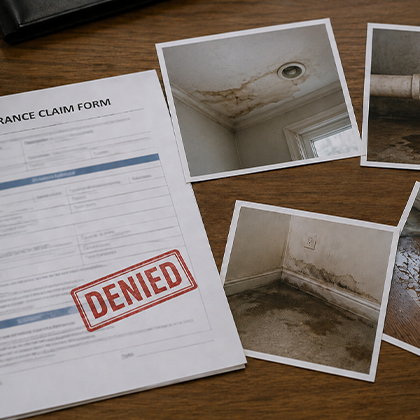
Insurance companies sometimes attempt to deny the claim by arguing that the damage falls outside policy coverage. In many cases, insurers claim that certain types of water damage developed over time or resulted from maintenance issues that insurance policies exclude.
A denied claim does not always mean the insurer is correct. A water damage attorney can review your policy, investigate the circumstances surrounding the loss, and determine whether the denial was justified.
Delays in Payment
Insurance disputes often take longer than property owners expect. The insurance company may ask for additional documents, delay inspections, or repeatedly request more information before making a decision. These setbacks can become especially frustrating when your home or business requires immediate repairs after serious water damage.
Court scheduling issues, ongoing investigations, and disputes over coverage can also slow the process. During this time, staying in regular contact with your attorney can help you better understand what is happening and what steps come next in the legal process.
Underpaid Claims
Some insurers approve claims but offer far less than the actual cost of repairs. These underpaid insurance claims can leave property owners struggling to restore damaged flooring, walls, electrical systems, or business property.
When insurers minimize the extent of the damage to your property, a lawyer can review repair estimates, supporting documentation, and policy language to challenge unfair payment decisions.
Negligence
Not every water damage case involves an insurance dispute. Sometimes, another person or company directly causes the damage through careless actions or failure to address known problems. When negligence leads to water damage to your property, you may have grounds to hold the responsible party accountable.
Neighbor Negligence
Disputes between neighboring property owners can sometimes lead to significant water damage. For example, a neighbor’s leaking pipe, overflowing appliance, or drainage problem may spread water into nearby homes or businesses and cause water damage to surrounding property.
In many situations, homeowners can first file a claim through their own water damage insurance policy rather than immediately pursuing legal action against the neighbor. After paying the claim, the insurance company may later seek reimbursement from the responsible party or their insurer through a process called subrogation.
However, if coverage disputes arise or the losses are not fully addressed, a water damage lawsuit may become necessary.
Contractor Negligence
Contractors, plumbers, roofers, and other professionals can also contribute to serious water damage problems. Poor installation work, faulty repairs, or improperly connected pipes may lead to hidden leaks and structural damage over time.
If a contractor’s work directly caused water damage inside your property, your attorney may investigate whether negligence or construction defects contributed to the loss.
Landlord or Property Owner Liability
In some situations, landlords or commercial property owners may be responsible for water damage after ignoring known maintenance issues or delaying necessary repairs. Ongoing plumbing leaks, roof problems, or drainage failures can worsen over time and lead to extensive property damage.
When property owners fail to reasonably address these issues, they may be held liable for damage resulting from their negligence.
Product or Appliance Defect
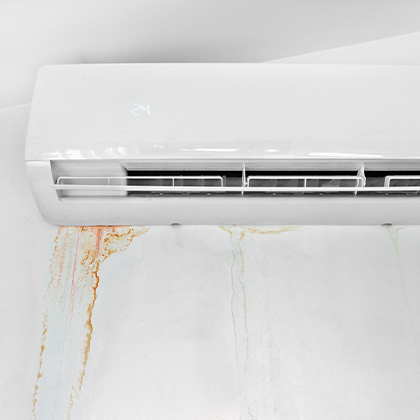
Some water damage cases involve defective appliances or faulty product components rather than insurance disputes alone. Washing machines, water heaters, dishwashers, and plumbing fixtures can malfunction unexpectedly and cause severe flooding inside a home or commercial property.
When a defective product causes water damage, liability may shift to the manufacturer, distributor, or installer. These cases often involve additional investigation to determine whether the product itself failed or whether improper installation contributed to the loss.
Understanding what caused the damage and who may be responsible is an important first step in determining whether legal action makes sense. A water damage attorney can help evaluate your situation and explain the options available to you.
Why Calling a Water Damage Lawyer Is a Smart Move
You might think you don’t need a lawyer for water damage. Maybe you think you can handle it on your own. But here’s the reality: water damage cases often involve complexities. There’s a lot more to them than just cleaning up the water and fixing what’s broken.
A water damage attorney knows all the ins and outs of these cases. They can clarify who is responsible for the damage. Maybe it was a neighbor’s broken pipe, faulty construction work, or a problem with the city’s water system. Or maybe disagreements have started over coverage, repair estimates, or the scope of the loss. An attorney can help clarify your options and protect your interests during complicated disputes.
What a Lawyer Can Do for You in a Water Damage Lawsuit
A water damage lawsuit can quickly become complicated, especially when multiple parties, insurance disputes, and extensive property damage are involved. A water damage attorney can guide you through each stage of the legal process while protecting your interests.
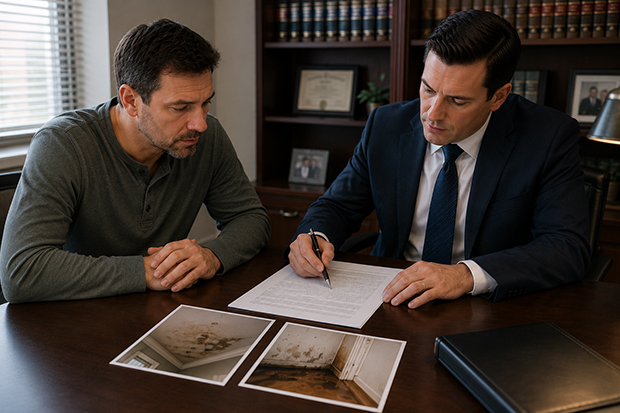
Case Evaluation and Damage Review
A water damage attorney will start by carefully reviewing your case. They’ll examine the extent of the damage, discuss what happened, and review photographs, repair records, inspection reports, and other supporting evidence. This helps your attorney fully understand the scope of the losses related to water damage and identify potential legal issues.
Determining Liability
One of the most important parts of a water damage lawsuit is identifying who may be legally responsible. Depending on the circumstances, liability could involve a contractor, neighboring property owner, manufacturer, maintenance company, or insurance provider.
Your attorney will investigate the causes of water damage, review available evidence, and determine whether negligence or another legal issue contributed to the loss.
Handling Insurance Company Negotiations
Insurance companies can be difficult to deal with after significant property damage. Disputes often arise over repair estimates, policy exclusions, and whether the insurer properly evaluated the damage.
A water damage lawyer can communicate directly with the insurance company, respond to disputes, and challenge attempts to minimize the value of your claim. This can become especially important when insurers question whether the damage was truly sudden and accidental.
Court Representation
If negotiations fail, your lawyer can represent you throughout the litigation process.
Court proceedings involve strict deadlines, legal filings, evidence requirements, and procedural rules that can overwhelm property owners handling a claim alone. Your attorney will prepare the necessary documents, present arguments in court, and advocate for your interests during every stage of the lawsuit.
Calculating the Full Value of Your Claim
Water damage can affect far more than visible repairs. Property owners may face temporary relocation costs, damaged business equipment, lost inventory, or additional expenses connected to cleanup and restoration.
Your attorney can help evaluate the full impact of the damage caused and ensure all eligible losses are properly documented before settlement discussions or trial.
State-Specific Guidance
Water damage disputes in Louisiana and Texas often involve different legal considerations, policy language issues, and procedural requirements. Louisiana’s legal system differs from most other states, while Texas property owners may face unique challenges involving severe weather claims and insurer disputes.
A water damage attorney familiar with both states can help navigate these differences, explain how local laws may affect your case, and develop a legal strategy tailored to your situation.
Handling complex litigation involving water damage on your own can feel overwhelming, especially when insurance disputes and liability issues become complicated. Having an experienced water damage attorney on your side can make the legal process easier to navigate.
The Legal Process for a Water Damage Lawsuit
A water damage lawsuit can involve several legal stages, especially when insurance companies or other parties dispute responsibility for the damage. Understanding how the process works can help property owners feel more prepared for what comes next.
Step 1: Filing the Lawsuit
The legal process begins when your attorney files a lawsuit explaining how the water damage caused harm to your property and why another party may be legally responsible. The complaint may involve an insurance dispute, negligence, or another issue connected to the property damage.
Once the lawsuit is filed, the defendants have an opportunity to respond and present their side of the dispute.
Step 2: Discovery
After filing, both sides enter a phase called discovery. During this stage, each side exchanges evidence and information connected to the case. Attorneys may request repair records, inspection reports, photographs, maintenance documents, and communication records related to the water damage claim.
Your lawyer may also question witnesses or request sworn testimony to better understand the causes of water damage and evaluate the strength of the case.
Step 3: Pre-Trial Motions and Mediation
Before trial, attorneys may file legal motions asking the court to decide certain issues in advance. Many water damage lawsuits move into mediation before trial, giving both sides an opportunity to negotiate a resolution outside the courtroom.
Mediation can sometimes help avoid the stress and expense of a trial. During these discussions, your attorney can review any settlement offers and help determine whether the proposed resolution fairly addresses the damage to your property.
Step 4: Trial
If the case does not settle, it may proceed to trial. During trial, both sides present evidence, question witnesses, and explain their arguments before a judge or jury.
Your water damage attorney will present evidence showing how the damage occurred, who may be responsible, and how the losses affected your home or business. The opposing side will also present arguments and attempt to challenge your claim.
Step 5: Post-Trial / Appeals
Even after a verdict is reached, the legal process may continue. Either side may request post-trial motions or file an appeal if they believe legal errors affected the outcome of the case.
While not every water damage case reaches this stage, your attorney can continue protecting your interests if additional court proceedings become necessary.
Water damage litigation can take time, but understanding each stage of the process can make the situation feel less overwhelming. A water damage attorney can help guide you through every step while protecting your rights along the way.
Challenges You’ll Face After Filing a Water Damage Lawsuit
Even after a lawsuit is filed, property owners often continue facing challenges involving insurers, documentation, settlement negotiations, and courtroom preparation. Having strong evidence and legal guidance can make a major difference as the case moves forward.
Dealing with Insurance Companies
One of the biggest headaches in water damage cases is dealing with insurance companies. You might have homeowners insurance that’s supposed to cover water damage, but insurance companies don’t always make things easy.
In some cases, insurers may dispute repair estimates, question the source of the damage, or minimize the extent of covered losses. They might say your policy doesn’t cover certain things or claim the damage isn’t as serious as you reported. In some situations, they may even attempt to deny the claim completely or argue that certain types of water damage fall within exclusions that insurance policies exclude.
This is where having a lawyer helps. Your lawyer knows how to review water damage insurance policies and understand complicated policy language. They can challenge unfair decisions and push back during difficult insurance disputes. They also understand tactics insurers sometimes use to minimize payouts in underpaid insurance claims.
Legal guidance also becomes important when an insurance company acts in bad faith. This means the company is not acting honestly or fairly while handling your water damage claim. If that happens, your attorney can pursue legal action when appropriate.
Preserving Evidence
After filing a lawsuit, the burden of proof often falls on the person bringing the claim. Strong documentation often becomes one of the most important factors in insurance disputes and litigation involving water damage.
Property owners should keep organized records of:
- Photos and videos showing the damage
- Repair invoices and contractor estimates
- Emails and letters from the insurance company
- Inspection reports and maintenance records
- Notes about conversations related to the claim
Well-preserved evidence can strengthen your position during negotiations and help support your case if the dispute moves further into litigation.
Figuring Out the Damages
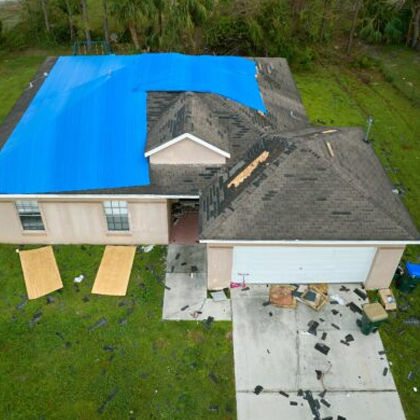
Another important part of your case is figuring out the “damages.” In legal terms, damages mean all the ways the water damage has hurt you. This includes obvious things like the cost of fixing your house or replacing ruined belongings. But it can also include other losses related to water damage that are not immediately obvious.
For example, you might have missed work while dealing with the flooding and repairs. Those lost earnings may become part of the damages. Or maybe you had to temporarily relocate while contractors repaired the water damage to your property. Future repair concerns or hidden structural issues may also affect the value of your claim.
Your lawyer will help calculate these damages carefully. They understand how extensive damage caused by flooding, plumbing failures, or leaks can affect both current and future expenses. This helps ensure your claim fully reflects the impact of the loss.
Evaluating and Responding to Settlement Offers
Often, the other side may offer to settle before trial in water damage cases. This means they offer compensation to resolve the dispute without continuing through court. Settling can sometimes help property owners avoid a lengthy legal battle.
However, determining whether a settlement offer is fair can be difficult. Insurance companies and opposing parties may try to resolve damage disputes for less than what the property owner actually needs to recover.
This is another area where having a lawyer helps. Your attorney can review the offer, compare it against the documented losses, and negotiate for a more appropriate resolution if necessary.
Remember, the decision to settle always belongs to you. Your lawyer’s role is to explain the legal and financial implications so you can make an informed choice before agreeing to any settlement.
Navigating the Courtroom If Your Case Goes to Trial
If your case doesn’t settle, it will go to trial. Trial preparation can become especially stressful for property owners already managing repair costs, business interruptions, and ongoing insurance disputes.
At trial, your water damage attorney will present evidence explaining how the damage occurred and why another party may be responsible. This may include repair records, expert testimony, photographs, inspection findings, and documents connected to the water damage claim.
The opposing side will also have an opportunity to present arguments and challenge your position. They may dispute liability, question the extent of the damage, or argue that unrelated issues caused the losses.
After hearing both sides, the judge or jury will decide whether liability exists and determine the outcome of the case. Throughout the process, your attorney will prepare you for court proceedings and help you understand what to expect at each stage.
While these challenges can feel overwhelming, understanding the process and preserving strong documentation can help protect your position throughout a water damage lawsuit. An experienced water damage attorney can help you respond strategically at every stage of the case.
Conclusion
If you’re dealing with water damage, remember you don’t have to handle it alone. A water damage attorney can help guide you through this difficult time, protect your rights, and address complicated insurance disputes related to water damage. They can also help challenge denied or underpaid claims and work to hold responsible parties accountable when negligence caused the damage.
Don’t wait to get help. The sooner you speak with a lawyer, the better prepared you may be to protect important evidence, respond to insurance company tactics, and meet legal deadlines connected to your water damage claim.
Additionally, a water damage attorney can provide valuable guidance throughout the legal process. From reviewing policy language to negotiating with insurers and preparing for litigation, having experienced legal support can help reduce stress while your case moves forward.
Dealing with water damage is difficult, especially for homeowners and business owners in Louisiana and Texas who are already facing storm-related risks and complex property damage issues. With the right legal guidance, you can better understand your options and take informed steps toward recovery. If you need help navigating a serious water damage lawsuit, speak with a Louisiana water damage lawyer or Texas water damage attorney today to discuss your situation and learn more about your legal options.