
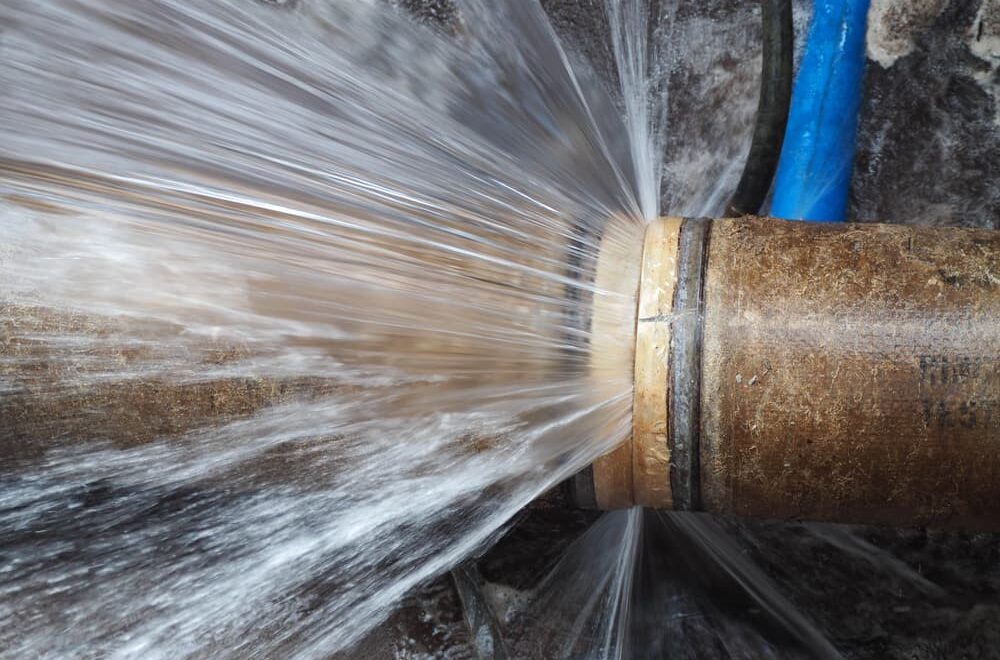
Handling a cast iron pipe insurance claim can be challenging, especially when homeowners discover leaks, structural issues, or significant damage caused by deteriorating plumbing.
Many older homes have cast iron plumbing systems, which were widely used up until the 1970s. These pipes are known for their durability, but they have a limited lifespan, and over time, they can corrode and cause extensive damage. When these problems arise, homeowners often look to their insurance policies to cover repair costs. However, insurance companies may dispute a cast iron pipe damage claim, especially when they attribute issues with cast iron pipes to gradual deterioration rather than a sudden loss.
Taking the right steps can help you handle a cast iron pipe insurance claim more effectively. If your claim is denied, delayed, or underpaid, a cast iron pipe claim lawyer can explain your legal options and help protect your rights.
What Are Cast Iron Pipe Problems?
Cast iron pipes were a common choice for residential and commercial plumbing systems in homes built before the 1980s, before PVC became the standard material for drain and sewer lines. However, these pipes are susceptible to deterioration, corrosion, and eventual failure over time due to factors like moisture, humidity, and natural wear and tear.
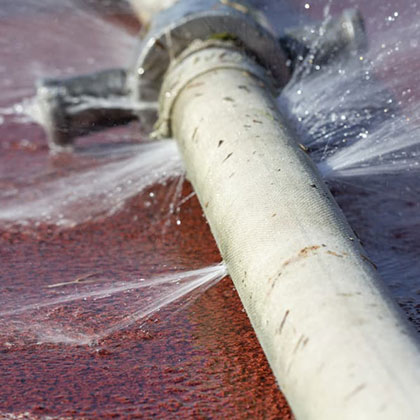
Wastewater and sewer gases can produce hydrogen sulfide inside the pipes. Over time, the hydrogen sulfide reacts with moisture to form sulfuric acid, which corrodes cast iron from the inside out. The typical lifespan of cast iron pipes ranges from 50 to 100 years, but many homeowners find that their pipes start causing problems much earlier.
Pipe wall thickness can also vary throughout the plumbing system, meaning one section may fail years before the rest of the pipes. In Louisiana and Texas, high humidity and Gulf Coast conditions can accelerate corrosion, causing cast iron pipes to fail sooner than expected.
Common issues that arise from cast iron pipe systems include:
- Leaking Pipes: Corroded pipes develop cracks or holes, leading to water leaks. These leaks can damage walls, floors, and ceilings.
- Sewage Backups: When the interior of cast iron pipes becomes clogged or damaged due to rust, corrosion, or debris buildup, sewage can back up into the home. This is both a health hazard and a costly repair issue.
- Water Contamination: Corroded cast iron pipes can introduce contaminants like rust into the water supply, affecting the water quality.
- Foundation Damage: Leaking or broken cast iron pipes can allow water to seep into your home’s foundation, causing structural damage.
- Foul Odors: Corroded pipes can allow sewer gases to seep into the home, causing unpleasant odors and potential health risks.
Understanding Insurance Coverage for Cast Iron Pipe Problems
When cast iron pipe problems occur, one of the first things homeowners do is review the insurance policy to see if the damage is covered. However, the extent of coverage can vary depending on the specific terms of the homeowners insurance policy and the type of damage that occurred.
In many cases, coverage depends on whether the damage resulted from a sudden and accidental pipe failure or from gradual deterioration. While a sudden break that causes water damage may be covered, long-term leaks that develop over an extended period, often 14 days or more, are commonly excluded under many policies.
What Homeowners Insurance Covers for Cast Iron Pipe
- Water Damage: If your cast iron pipes have leaked and caused water damage to your floors, walls, ceilings, or personal property, the water damage may be covered under your homeowners insurance policy. However, coverage often depends on whether a sudden and accidental event caused the damage.
- Sewer Backups: Some insurance policies offer optional coverage for sewer backups, which can result from cast iron pipe failure. If your policy includes this additional coverage, you may be compensated for the cleanup and repairs associated with a sewer backup. Sewer line failures can also release Category 3 (contaminated) water, which contains harmful contaminants and typically requires professional remediation before restoration work begins.
- Damage to the Home’s Foundation: In some cases, insurance policies cover damage to the home’s foundation caused by leaking cast iron pipes.
- Tear-Out and Access Costs: Some policies may cover the cost of opening floors, walls, or concrete slabs to access a damaged pipe, even if they do not cover replacing the pipe itself. Review your policy carefully to understand whether tear-out or access coverage applies.
What Homeowners Insurance Might Not Cover for Cast Iron Pipe
- Wear and Tear: Many insurance policies do not cover damage that results from the normal wear and tear of cast iron pipes. If your pipes are corroded or deteriorating due to age, your insurance company may deny your claim, arguing that it falls under general maintenance responsibilities.
- Pipe Replacement Costs: In most cases, insurance policies will not cover the cost of replacing the cast iron pipes, only the damage caused by leaking pipes. This means you may have to pay for the pipe replacement out of pocket.
- Voluntary Whole-House Re-Piping: Insurance generally does not cover replacing an entire plumbing system simply because the pipes are aging or homeowners want to prevent future problems.
- Policy Exclusions and Endorsements: Some insurers in Louisiana and Texas exclude or limit coverage for cast iron drain lines through endorsements. Before filing a claim, review your policy to understand any exclusions or limitations that may apply.
What Homeowners Often Leave on the Table
Even when a claim is covered, homeowners sometimes overlook benefits that may be available under their policy.
- Recoverable Depreciation: Some policies pay Actual Cash Value (ACV) initially and release recoverable depreciation after covered repairs are completed and properly documented.
- Matching Materials: Where the policy allows, you may be eligible for matching flooring, tile, or other continuous finishes if replacing only the damaged area would leave a noticeable mismatch.
Should You File a Cast Iron Pipe Insurance Claim? Key Considerations

Not every cast iron pipe insurance claim makes sense to file. Before contacting your insurance company, take time to understand your policy, the extent of the damage, and how a claim could affect you.
- Compare the repair cost with your deductible. If the estimated cost of repairing the damaged pipe and related property damage is close to your deductible, filing a claim may not provide much financial benefit.
- Consider your claims history. Water damage claims can affect future premiums or policy renewal, particularly if you have filed multiple claims within a short period.
- Review your policy and endorsements. Some policies exclude or limit coverage for cast iron drain lines. Review the insurance policy carefully to understand what is covered before deciding whether to file.
- File a claim when the damage is significant. Active leaks, sewage backups, foundation movement, or damage to flooring, walls, or ceilings often justify filing a cast iron pipe insurance claim, particularly when the covered damage is likely to exceed your deductible.
- Seek legal guidance if you are unsure. If you have questions about your coverage or whether filing a claim is the right choice, contact Pandit Law for a free case evaluation before making a decision.
The Process of Filing a Cast Iron Pipe Insurance Claim
(Existing pointers are converted into H3s with additional information and presented in step)
Filing a cast iron pipe insurance claim involves more than reporting the damage to your insurer. Taking the right steps in the right order can help you document the loss properly and avoid unnecessary issues during the claims process.
Step 1: Stop Use and Prevent Further Damage
If you discover cast iron pipe failure, stop using the affected plumbing fixtures whenever possible and shut off the affected water line if it is safe to do so. Take reasonable temporary measures, such as containing leaks or arranging emergency mitigation, to prevent additional damage. Most insurance policies require homeowners to take reasonable steps to protect their property from further damage after a loss. Failure to take these steps may affect your ability to recover under the policy.
Step 2: Document the Damage Before Any Repairs
Take photos and videos of any visible damage caused by the cast iron pipes, such as water stains, cracks, structural damage, sewage backups, or other affected areas. Document the damage before beginning repairs or demolition whenever possible. Only emergency mitigation needed to protect the property should occur before documentation. Keep copies of repair estimates, invoices, and any other records that support your claim.
Step 3: Get a Sewer-Camera Inspection and Preserve the Failed Pipe Section
A sewer-camera inspection can help identify the location and cause of the pipe failure without unnecessary demolition. If part of the pipe is removed during repairs, ask your plumber whether the failed section can be preserved. Camera footage and the damaged pipe may serve as valuable evidence if questions arise about the cause of the loss.
Step 4: Get an Independent Plumber’s Assessment
Have a licensed, independent plumber assess the condition of your cast iron pipes. The plumber can identify the source of the problem and provide a detailed report that supports your claim.
An independent plumber’s findings may differ from the insurance company’s inspection, making a detailed assessment an important part of documenting the damage. Independent findings can also help document the cause and extent of the damage if coverage is later disputed.
Step 5: Review Your Policy for Coverage, Exclusions, and Endorsements
Confirm how your policy applies to your claim by reviewing its coverage, exclusions, endorsements, and any tear-out provisions. Pay close attention to language addressing water damage, plumbing issues, wear and tear exclusions, sudden versus gradual damage, tear-out coverage, and any endorsements that limit coverage for cast iron drain lines.
Step 6: Notify Your Insurance Company and Open the Claim
Contact your insurance company to report the damage and begin the claims process as soon as possible. Prompt notice is typically a requirement under your policy. Be prepared to provide photographs, videos, the plumber’s report, repair estimates, and any other requested documentation.
Step 7: Respond to Information Requests and Complete the Proof of Loss
Your insurer may request additional documents, inspection reports, photographs, or repair estimates while reviewing your claim. If your policy requires a Proof of Loss, submit it accurately and within the applicable deadline to help avoid unnecessary delays.
Step 8: Know Your State’s Claim-Handling Deadlines
Louisiana and Texas have laws that establish timelines for insurers to acknowledge, investigate, and pay covered claims (as discussed below). Understanding these deadlines can help you track the progress of your claim.
Step 9: Review the Settlement Before You Accept It
Before accepting a settlement, review it carefully to confirm it addresses covered property damage, tear-out costs, remediation, recoverable depreciation where applicable, and matching materials if your policy provides that benefit. Compare the settlement with your contractor’s estimate, inspection reports, and repair documentation to confirm that all covered damage has been addressed. If you have questions about the settlement or believe covered damage has been overlooked, consider speaking with a property damage attorney before making a final decision.
Following these steps can help you build a stronger claim and reduce avoidable delays or disputes. If you encounter challenges during the process, understanding your legal options can help you make informed decisions about your claim.
Challenges You May Face When Filing a Claim for Cast Iron Pipe Problems
Even when homeowners take the right steps, a cast iron pipe insurance claim can become complicated. Insurance companies may question the cause of the damage, the extent of the loss, or the coverage available under the policy. Understanding these common challenges can help you prepare for the claims process.
Claim Denials

Insurance companies may deny your claim if they determine that the damage resulted from general wear and tear or that the pipes were not properly maintained. In some cases, insurers may rely on a combination of arguments by classifying the loss as gradual damage, applying a wear-and-tear exclusion to the resulting water damage, and treating contaminated Category 3 water from a sewer backup as clean water when evaluating the claim.
Reviewing the insurer’s written explanation for the denial can help you determine whether the decision is based on the policy language, the available evidence, or both.
Disputes Over the Cause of Damage
Your insurance company may argue that the damage was not caused by cast iron pipe failure but by another factor, such as poor construction or external environmental conditions. Insurers may also review prior home inspection reports or sewer-camera inspection records to argue that the damage resulted from a pre-existing condition rather than a sudden loss.
Low Settlement Offers
Even if your claim is approved, the insurance company may offer a settlement that does not fully reflect the covered damage. They may undervalue the extent of the damage or argue that certain repairs are unnecessary.
Some insurers initially issue Actual Cash Value (ACV) payments and withhold recoverable depreciation until covered repairs are completed and documented. Disputes can also arise when insurers pay only to replace the damaged portion of flooring or finishes instead of matching continuous materials where the policy provides that coverage.
Coverage Restrictions
Some insurers may limit or exclude coverage for cast iron drain lines through policy endorsements. In some situations, insurers may also choose not to renew policies on older homes that still have original cast iron plumbing. Reviewing your policy before filing a claim can help you understand whether these restrictions apply.
Delays in Processing Your Claim
Insurance companies may delay processing your claim, leaving you without the funds to repair the damage and restore your home. Keeping organized records and responding promptly to requests for additional information may help avoid unnecessary delays, although some disputes still require additional review.
Louisiana and Texas Laws Governing Cast Iron Pipe Insurance Claims
Insurance laws in Louisiana and Texas set important claim-handling requirements for insurers. Knowing these timelines can help you track your cast iron pipe insurance claim and understand what to expect during the claims process.
Louisiana
Many homes in Louisiana, especially across New Orleans and other Gulf Coast communities, still have original cast iron plumbing. Combined with the region’s humidity, these conditions can accelerate corrosion and cause cast iron pipes to fail sooner than their expected lifespan.
Under La. R.S. 22:1892, insurers generally must:
- Initiate loss adjustment within 14 days after receiving notice of a property damage claim
- Pay or make a written settlement offer within 30 days after receiving satisfactory proof of loss
Some Louisiana insurers also limit or exclude cast iron drain-line coverage through policy endorsements. Understanding any endorsements that limit cast iron drain-line coverage can help you set realistic expectations before filing a claim. If you and your insurer agree the loss is covered but disagree on its value, your policy’s appraisal clause may provide a way to resolve that valuation dispute.
Texas
Many Texas homes built before 1980 still contain original cast iron plumbing, making age-related pipe failures a common concern.
The Texas Prompt Payment of Claims Act (Texas Insurance Code Chapter 542) establishes claim-handling deadlines for covered property damage claims. Chapter 542A generally does not apply to cast iron pipe claims because it primarily addresses weather-related property damage claims.
Under Chapter 542, insurers generally must:
- Acknowledge the claim and request any needed information within 15 days and accept or deny the claim within 15 business days after receiving all required information
- Pay an approved claim within 5 business days
If the insurer accepts coverage but disputes the amount owed, the appraisal clause in your policy may help resolve the disagreement over the value of the covered loss.
Why and When You Need a Cast Iron Pipe Lawyer
If you are dealing with cast iron pipe problems and are unsure about your insurance coverage or the claims process, consult a cast iron pipe lawyer as soon as possible. An experienced lawyer can provide valuable guidance, help protect your rights, and help you navigate a cast iron pipe insurance claim.
It is especially important to contact a lawyer if:
- Your claim has been denied or delayed by the insurance company
- The insurance company is offering a settlement that may not fully address the covered damage
- The insurance company is disputing the cause of the damage or the extent of the repairs needed
- You are unsure about the language in your insurance policy and what it covers
A cast iron pipe claim lawyer can help navigate the insurance claims process, negotiate with the insurance company, and take legal action when appropriate to help protect your rights.
How a Cast Iron Pipe Claim Lawyer Can Help
Given the challenges associated with cast iron pipe insurance claims, it is advisable to consult a lawyer who focuses on property damage claims involving plumbing issues. Depending on the circumstances of your claim, legal guidance may help in several ways.
Reviewing Your Insurance Policy
Insurance policies often contain complex language that can be difficult to interpret. A cast iron pipe claim lawyer can review your policy, explain what may be covered, identify relevant exclusions or endorsements, and determine how the policy applies to your claim.
Communicating and Negotiating with the Insurance Company
Insurance companies may dispute the cause of the damage or the value of the loss. A lawyer can communicate with the insurer and their adjusters on your behalf, respond to coverage questions, present supporting documentation, and negotiate if you believe the settlement does not reflect the covered damage.
Proving the Cause of Damage
One of the biggest insurance disputes in these claims involves proving what caused the damage. A cast iron pipe claim lawyer may work with plumbers, engineers, or other qualified professionals to review inspection reports, sewer-camera findings, photographs, and repair estimates to support your claim.
Addressing Claim Denials and Appeals
If your insurance company denies your claim, a lawyer can evaluate the reasons for the denial, explain your legal options, and assist with the appeals process when appropriate. They can also help if your claim has been delayed or underpaid.
If the insurer acted in bad faith, such as by unreasonably denying a valid claim, causing unnecessary delays, or failing to meet its obligations under the policy, a lawyer can assess whether additional legal remedies may be available.
Protecting Your Rights During the Claims Process
Insurance companies may rely on policy exclusions, depreciation, or disagreements over the scope of repairs when evaluating a claim. A lawyer can review these issues, explain how they affect your claim, and advocate for the benefits available under your policy.
Taking Legal Action When Necessary
If a claim cannot be resolved through the normal claims process, a lawyer can advise whether legal action is appropriate based on the facts of your case. This may include filing a lawsuit for breach of contract or bad faith, where supported by the facts and applicable law, to pursue benefits that may be available under the policy.
Conclusion
Dealing with cast iron pipe problems can be stressful and costly, especially if your insurance company is reluctant to cover the damage. Hiring a cast iron pipe lawyer can help level the playing field and ensure your claim is handled properly. A seasoned lawyer can help you understand your insurance coverage, protect your rights, and advocate for the benefits available under your policy, giving you greater confidence as you navigate the claims process.
Often, each party involved in a cast iron pipe insurance dispute will have legal representation. If you encounter challenges during the claims process, understanding your legal options early can help you make informed decisions.
If you are facing cast iron pipe issues and need help with your insurance claim, contact Pandit Law for a consultation to discuss your insurance claim and better understand the legal options available for your situation. Seeking legal guidance as early as possible can help you better understand your rights and the options available under your policy.