
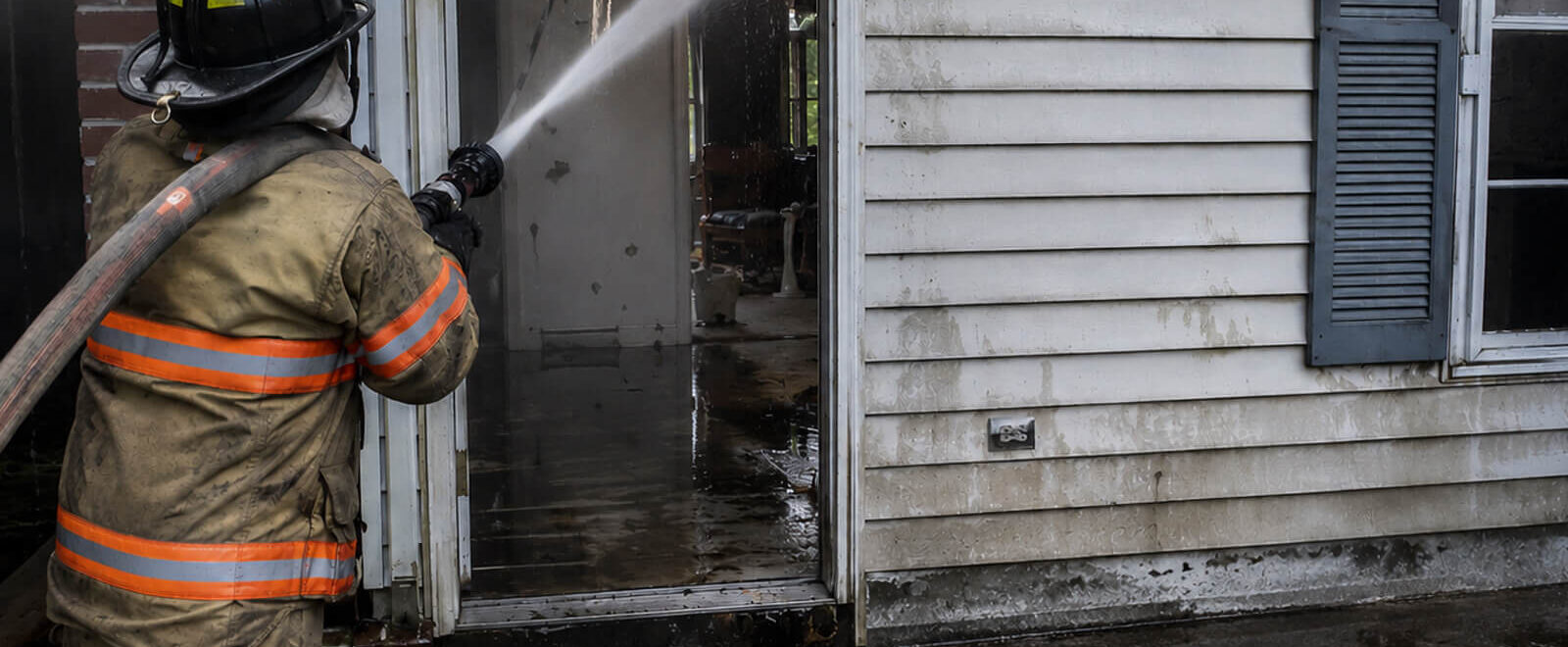
A house fire doesn’t end when the flames are out. For many homeowners, the most widespread destruction actually comes afterward, caused by thousands of gallons of water used to stop the fire. Fire hoses, sprinkler systems, and ruptured plumbing lines can soak walls, floors, ceilings, and personal belongings in minutes. This is why water damage after fire is one of the most misunderstood and frequently mishandled insurance scenarios.
What complicates matters is that homeowners are suddenly dealing with two overlapping losses: fire damage and water damage. Insurers may treat these losses as part of a single fire claim or try to separate them into different categories, each with its own rules, deductibles, and payout limits.
Here’s the critical takeaway upfront. In most cases, damage from water used to extinguish a fire should be handled under a fire damage claim, not as a standalone water loss. This guide explains why that distinction matters, how insurers analyze these situations, and how to protect yourself from underpayment when water damage follows a fire.
How Water Damage Occurs After a Fire
Water damage after a fire is not incidental. In most cases, it is unavoidable. Fire suppression methods are aggressive by design and don’t discriminate between burning materials and the rest of the home.
Common ways water damage occurs after a fire include:
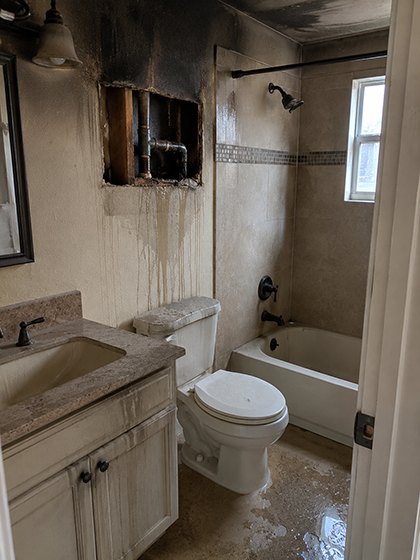
- Sprinkler System Activation: Once triggered, sprinkler heads often continue discharging until manually shut off. Water exposure can far exceed what the fire itself required, saturating ceilings, insulation, and electrical systems far from the original ignition point.
- Firefighter Hose Saturation: Fire suppression efforts prioritize speed and containment, not water conservation. As a result, water is often forced into wall cavities, beneath flooring, and through structural openings, creating widespread moisture intrusion that may not be immediately visible.
- Burst or Heat-Damaged Plumbing Lines: Intense heat can soften joints, weaken soldered connections, or distort plastic piping. These failures often lead to delayed leaks discovered hours or days later, complicating cause-of-loss analysis.
- Collapsed Ceilings or Walls: Fire-weakened structural materials may initially hold absorbed water before giving way under added weight. When a collapse occurs, it can release large volumes of trapped water at once, dramatically expanding the scope of interior damage.
- Water Pooling in Basements and Crawl Spaces: Lower areas can collect runoff from multiple floors, concentrating moisture around foundations and support systems. Because these spaces are rarely inspected immediately, water can remain long enough to compromise framing, utilities, and indoor air quality.
- Suppression Runoff from Neighboring Units or Shared Systems: In multi-unit properties, water used to extinguish a fire in an adjacent or upper unit can travel through shared walls, ceilings, and utility chases. This indirect water intrusion often causes significant damage even without visible fire exposure.
- Delayed Release from Soaked Insulation and Building Materials: Insulation, subflooring, and framing can retain large amounts of water absorbed during firefighting. As these materials slowly drain or wick moisture into adjacent areas, damage can spread well beyond the initial wet zone, extending drying time and increasing repair costs.
- Condensation from Rapid Temperature Changes: The sudden cooling of superheated air during fire suppression can cause moisture to condense on walls, ductwork, and metal components, contributing to secondary water damage even in areas that were never directly sprayed.
The consequences go far beyond surface-level wetness. Saturated materials lose structural integrity, electrical systems become unsafe, insulation loses effectiveness, and porous materials become breeding grounds for mold. Most standard homeowners policies recognize this reality and do cover water damage after a fire, but coverage details matter, especially when claims get complicated.
How to Evaluate Water Damage After a Fire
Before worrying about paperwork or policy language, safety and documentation come first. Evaluating water damage after a fire requires a different lens than a typical plumbing leak.
Fire-compromised structures combined with standing water can create serious hazards. Electrical systems may still be energized, floors may be unstable, and walls may be hiding damage. Avoid re-entering the home until professionals confirm it is safe to do so.
Professional Water Damage Inspection
Water damage after fire is often hidden behind walls, under flooring, or inside insulation. Professional inspections using moisture detection tools, such as thermal imaging, hygrometers, and targeted testing, are often necessary to identify the true extent of damage.
Key areas to evaluate include:
- Moisture trapped in wall cavities and subfloors
- Saturated insulation and framing
- Early mold conditions caused by heat and humidity
- Damage to personal property that may not look ruined but is structurally compromised
Inventory and Valuation
Creating a detailed inventory of damaged items is essential. Include not just items visibly burned or soaked, but those exposed to prolonged moisture or contaminated water. Estimating replacement value, and not just surface cleaning costs, strengthens your claim and better reflects the true loss.
When losses are substantial or insurers begin narrowing coverage, legal guidance can help ensure the water damage evaluation after a fire reflects reality, not just what’s easiest for the insurer to approve.
Should You File a Water Damage Claim or a Fire Damage Claim?
This is where many homeowners make costly mistakes. The type of claim you file affects coverage scope, deductibles, and settlement value. Insurers may not always explain which option results in the most complete recovery.
In insurance terms, the controlling factor is the cause of loss, not the type of damage. This distinction is central to any fire and water damage claim and often determines how much the insurer ultimately pays.

Immediate Steps After Fire Damage
Regardless of which claim applies, certain actions should happen right away:
- Notify your insurer promptly and document the date of notice.
- Take reasonable steps to prevent further damage without risking safety.
- Photograph and video all affected areas before cleanup or repairs begin.
- File the claim and obtain a claim number.
- Gather repair and replacement estimates from qualified professionals.
- Review and negotiate the scope of repairs proposed by the insurer.
- Consult a fire damage claim lawyer if disputes, delays, or coverage questions arise.
When to File a Fire Damage Claim
Fire is a named covered peril in nearly all homeowners insurance policies. Importantly, water used to extinguish a fire is typically considered a direct consequence of the fire itself, not a separate loss. That means:
- Fire-related water damage should be included in the fire claim.
- A single deductible typically applies.
- Replacement cost coverage is more likely to apply when determining payout.
Example: Firefighters flood a kitchen while extinguishing a stove fire. The water destroys cabinets and flooring. This damage is normally included in the fire claim, not separated into a water claim.
When to File a Water Damage Claim
A separate water claim generally applies only when the water damage is independent of the fire.
Common examples include:
- A pipe that bursts days after the fire due to unrelated freezing or pressure
- A separate plumbing failure that occurs during repairs
- A water source with no causal connection to firefighting efforts
Water claims often carry different deductibles, stricter exclusions, and mold sub-limits. Filing a water damage claim after fire without clear proof of independent cause can reduce payouts or trigger denial.
When to Be Cautious
Misclassifying water damage can backfire. Filing a water claim for firefighting damage may unnecessarily subject the loss to coverage limitations that would not apply to a fire claim.
When causes overlap, clear documentation and professional guidance become essential.
Claim Interaction and Pitfalls
Insurers watch closely for overlapping claims. “Double-dipping”, which means seeking payment twice for the same damage, can lead to the denial of one or both claims.
A practical rule to follow:
- Firefighting water – Fire claim
- Separate, sudden plumbing event – Water claim
- External flooding – Flood insurance required
How Insurers Treat Fire and Water Claims Differently
Understanding how insurers evaluate fire versus water losses helps explain why disputes are so common after combined events.
- Payout Methods: Fire claims are often paid on a replacement cost basis. Water claims may default to actual cash value, with depreciation applied aggressively.
- Coverage Rules: Only losses caused by “sudden and accidental” events are typically covered. Gradual leaks, seepage, or delayed reporting can lead to denial.
- Exclusions and Riders: Flood damage, sewer backups, and continuous moisture often require specific endorsements. Without them, insurers may exclude large portions of the loss.
- Deductible Differences: Some water losses tied to storms or weather events carry separate deductibles. Fire-related interior water damage typically does not.
- Combined Events: When a storm causes a fire and subsequent water damage, insurers may attempt to apply multiple policy sections and deductibles. This is an issue that often requires legal review in fire and water damage claims.
How Lawyers Can Help Handle Water Damage After a Fire
When insurers start narrowing coverage or splitting losses in ways that reduce payouts, legal help becomes both strategic and essential.
Lawyers assist with:

- Reviewing policy language to confirm correct cause-of-loss classification.
- Developing a claim strategy that maximizes coverage under fire provisions.
- Handling disputes over exclusions, mold limits, and depreciation.
- Accurately valuing damages, including hidden water and structural losses.
- Negotiating settlements backed by documentation and expert reports.
- Managing strict legal deadlines in states like Louisiana and Texas.
- Litigating when necessary to enforce policy obligations.
For homeowners facing insurer resistance, legal involvement often changes the trajectory of negotiations involving water damage after a fire.
Conclusion
Fire-related water damage is not a secondary issue. In many cases, it represents a significant portion of the loss. Filing the wrong type of claim, accepting a narrow interpretation of coverage, or underestimating hidden damage can cost homeowners tens of thousands of dollars.
Understanding how insurers classify fire versus water losses, documenting damage thoroughly, and seeking professional guidance early can prevent avoidable mistakes. When disputes arise, experienced legal support can help ensure your claim reflects the full scope of damage, not just what’s easiest for the insurer to pay.
If your fire claim is being delayed, reduced, or denied because of water damage issues, schedule a free claim evaluation with Pandit Law to understand your rights and options.
Frequently Asked Questions
In most cases, the damage should be included in a fire claim. Water used to extinguish the fire is usually considered a direct result of the fire itself, not a separate water loss. Filing it under the fire claim typically preserves broader coverage and avoids unnecessary limitations.
No. Filing separate claims for the same damage can backfire. Insurers closely review overlapping losses, and “double-dipping” may result in delays or outright denial. Claims must be classified based on the true cause of loss and coordinated carefully to avoid coverage disputes.
Yes. Water damage after a fire is often covered and can represent a significant portion of your total loss. Hidden moisture, structural issues, and damaged contents may not be obvious at first, but insurance coverage can help address these costs when the claim is handled correctly.