
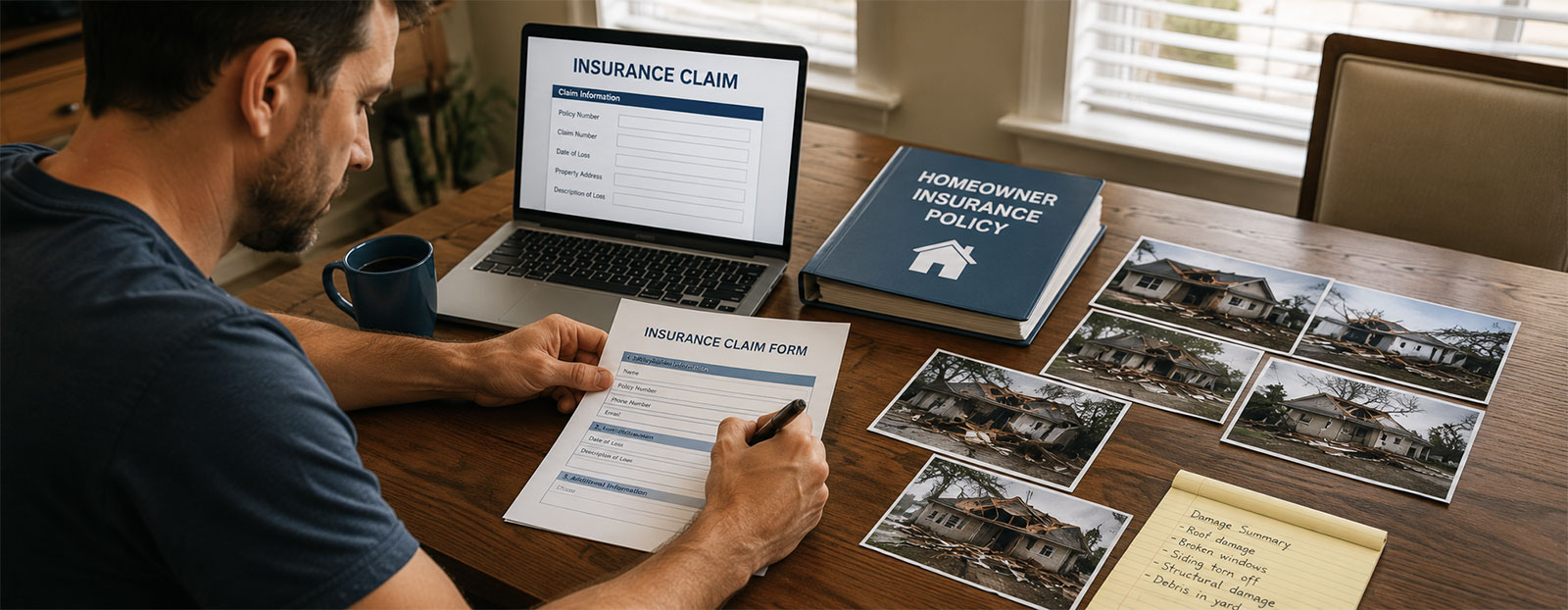
Tornadoes are among the most destructive natural disasters, leaving homeowners to deal with extensive property damage, financial uncertainty, and a complex insurance claims process. If you’ve never filed a claim before, it can be difficult to know what to do first, what your homeowners policy covers, or how to protect your rights throughout the process. Understanding how to file a tornado insurance claim can help you stay organized, avoid common mistakes, and build a stronger claim from the start.
This guide explains the key steps involved in a tornado damage insurance claim, what homeowners insurance typically covers, common challenges that may arise, and the legal rights available to homeowners in Louisiana and Texas. If your claim is delayed, denied, or underpaid, an experienced property damage attorney can help you understand your options and navigate the insurance dispute process.
Common Tornado Damage to Homes
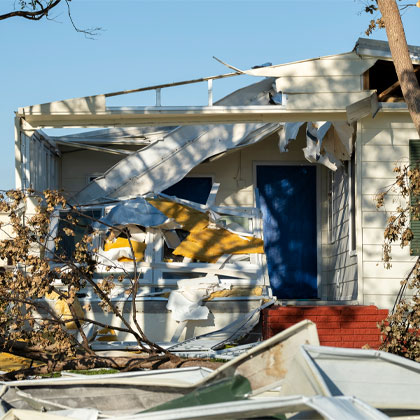
Tornadoes can cause widespread and devastating damage to homes due to their intense winds, which can range from 65 mph to more than 200 mph in the strongest storms. Depending on the extent of the damage and the terms of your homeowners policy, different types of losses may fall under separate areas of coverage, such as your dwelling, other structures, or debris removal.
Some of the most common types of tornado damage include:
- Roof Damage: High winds can tear off shingles, tiles, or even the entire roof structure, leaving the home exposed to rain and wind-driven debris. In severe cases, tornadoes can lift roofs off homes entirely. Roof damage to the main house typically falls under dwelling coverage, subject to your policy terms and deductible.
- Broken Windows: Flying debris often shatters windows, allowing wind and rain to enter the home. This can lead to additional interior water damage, cause mold growth, and weaken the home’s structural integrity if not addressed promptly.
- Wall and Structural Damage: Tornadoes can damage exterior walls, compromise load-bearing components, or cause partial collapses. In some cases, the home’s foundation may also sustain damage. Structural damage to the main residence is generally covered under dwelling coverage, while detached garages, sheds, fences, and similar structures may fall under other structures coverage.
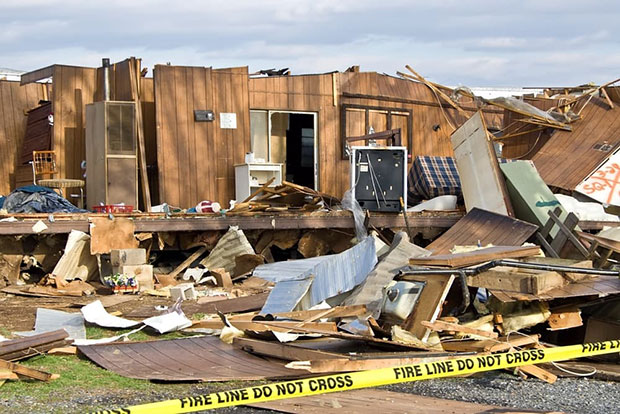
- Debris: Tornadoes frequently uproot trees or snap large branches, which can strike homes, vehicles, fences, and other property. If debris removal is necessary after a covered loss, your policy may provide debris removal coverage, although coverage limits and conditions vary by insurer.
Not all tornado damage is immediately visible. Hidden issues, such as roof leaks, water intrusion behind walls, damaged roof decking, compromised framing, or weakened structural supports, may become apparent only after a professional inspection. Documenting both visible and hidden damage early can help support your tornado damage insurance claim and reduce the risk of overlooked repairs.
Understanding Homeowners Insurance Coverage for Tornado Damage

The first step in understanding tornado damage insurance claims is knowing what is typically covered under your homeowners’ insurance policy. Tornadoes can cause different types of damage, from roof and structural damage to the destruction of property.
Most standard homeowners’ insurance policies provide coverage for tornado damage because tornadoes are generally classified under covered “windstorm” events. However, the scope of coverage depends on your policy’s terms, exclusions, endorsements, and deductibles. Before you begin the claim process, it is important to review your policy carefully so you understand what is covered and what documentation your insurer may require.
Key areas of coverage typically include:
- Dwelling Coverage: This helps cover damage to the structure of your home, including the roof, walls, foundation, and attached structures such as an attached garage.
- Personal Property Coverage: This generally covers belongings such as furniture, electronics, clothing, and appliances that were damaged or destroyed by the tornado, subject to your policy limits.
- Loss of Use Coverage: Also called Additional Living Expenses (ALE), this coverage helps pay for temporary housing, meals, and other eligible living expenses if your home becomes uninhabitable because of a covered loss.
- Debris Removal: Many homeowners policies include coverage for removing debris resulting from a covered tornado loss, although coverage limits and conditions vary by policy.
It’s also important to understand your wind deductible. Some policies have a separate deductible for windstorm damage, which may differ from your standard homeowners deductible. The amount you pay out of pocket before insurance coverage applies depends on your policy terms.
While tornado wind damage is generally covered, flood damage resulting from heavy rainfall or storm surge typically is not covered under a standard homeowners policy. Those losses are generally covered through a separate flood insurance policy, such as one issued through the National Flood Insurance Program (NFIP) or a private flood insurer. If a tornado causes both wind and flood damage, you may need to file separate claims for each type of loss.
If you’re unsure how your policy applies to your situation or encounter disputes over coverage, exclusions, or the value of your loss, an experienced property damage attorney can help you understand your rights and evaluate your legal options.
How to File a Tornado Damage Insurance Claim: Step-by-Step Guide
The moments and days following a tornado can be chaotic and stressful. However, taking the right steps immediately after the storm can help support your claim, protect your property, and reduce delays during the insurance process.
If you’re wondering how to file a tornado insurance claim, following these steps can help you stay organized from the initial damage assessment through claim resolution.
Ensure Safety
Your safety should always come first. Make sure you and your family are out of harm’s way, and wait until local authorities confirm it is safe to return to your property. Tornadoes can leave behind unstable structures, downed power lines, gas leaks, and other hazards that may not be immediately obvious. Once it is safe, carefully assess the damage before entering or beginning any cleanup.
Document the Damage
As soon as it is safe to do so, begin documenting the damage throughout your property. Take clear photos and videos of the damage, including the exterior, interior, roof, detached structures, and damaged personal belongings before moving or repairing anything.
Create a detailed home inventory of damaged personal property whenever possible. Include:
- Item descriptions and approximate purchase dates
- Serial numbers for electronics and appliances
- Available receipts, warranties, or other proof of ownership
- Photos or videos with timestamps, where available
Thorough documentation can help support your tornado damage insurance claim and make it easier to verify your losses.
Secure Your Property
Take reasonable steps to prevent additional damage after the tornado. For example, you may board up broken windows or place tarps over damaged roof sections to protect your home from further weather exposure.
When possible, avoid making permanent repairs until your insurer has inspected the damage or advised you to proceed. Keep receipts for temporary repairs, emergency supplies, and related expenses, as these documents may be important during the claims process.
Contact Your Insurance Company
Notify your insurer as soon as reasonably possible to begin your claim with your insurance company. When you report the loss, be prepared to provide basic information about the tornado, the damage, and your policy.
Ask for a claim number and keep it for future reference. Record the date you reported the claim, the name of the representative you spoke with, and any instructions your insurer provides regarding inspections, documentation, or next steps.
Request a Copy of Your Policy
If you do not already have a copy of your homeowners policy, request one from your insurer. Review it carefully to understand your coverage, deductible, exclusions, and any policy conditions that apply to your claim.
Before moving forward, verify any documentation or proof of loss requirements so you can submit the information your insurer requests within the applicable deadlines.
Get Multiple Contractor Inspection Reports and Estimates
Consider obtaining inspection reports or repair estimates from more than one reputable contractor. Independent assessments can provide a clearer picture of the full extent of the damage, especially if hidden structural issues are discovered.
Comparing repair scopes and estimates may also help you identify overlooked damage and better understand whether the insurer’s assessment accurately reflects the necessary repairs.
Prepare for the Insurance Inspection
Before the insurance adjuster visits your property, organize your documentation so it is easy to review. Gather your photos, videos, contractor estimates, receipts, and inventory of damaged belongings.
Walk through the property with the adjuster and point out every area of damage, including less visible issues such as roof leaks, attic damage, cracked foundations, or structural concerns that may not be immediately apparent.
Gather Communications and Receipts
Maintain a complete claim file from the beginning of the process. Your file should include:
- Emails and letters from your insurance company
- Phone call logs, including dates and the names of representatives
- Repair estimates and invoices
- Temporary repair receipts
- Hotel bills and other eligible temporary living expenses
- Any other claim-related correspondence or supporting documents
Keeping organized records can help if questions or disputes arise later.
Review the Settlement Offer
Before accepting a settlement, carefully review the insurer’s estimate and compare it with your contractor inspections, repair estimates, and documented losses. If you believe certain damage has been overlooked or undervalued, ask your insurer to explain the estimate and provide additional documentation if necessary.
Addressing questions before accepting a settlement can help ensure all covered damage has been properly evaluated.
Hire a Property Damage Attorney
You might be tempted to handle your claim on your own. But some tornado claims become more complicated than expected, particularly when coverage is disputed or the insurer delays, denies, or underpays the claim. In those situations, working with a property damage attorney can make a significant difference in the outcome of your claim.
Insurance companies may interpret policy provisions differently or disagree with the scope or value of covered damage. An experienced property damage attorney can review your policy, explain your legal rights, and communicate with the insurance company on your behalf. Legal guidance can also help if there are disagreements over the scope of damage or the value of covered repairs, to help ensure your claim is fully documented and that covered losses are properly evaluated under your policy.
Louisiana and Texas Insurance Rules and Deadlines for Filing Tornado Claims
Louisiana and Texas have different laws governing how insurers handle property damage claims. Knowing the applicable deadlines and policy requirements can help you protect your rights and avoid unnecessary delays after tornado damage.
Louisiana
Louisiana law establishes key deadlines for insurers handling property damage claims under La. R.S. 22:1892, including:
- Insurers generally must begin adjusting a claim within 14 days after receiving notice of the loss.
- For losses resulting from a declared emergency or disaster, insurers generally have 30 days to initiate the adjustment process.
- The Louisiana Commissioner of Insurance may extend that deadline by up to 30 additional days through an emergency rule. Any further extension requires legislative approval.
- After receiving satisfactory proof of loss, insurers generally must pay the undisputed amount of a covered claim within 30 days, or 60 days if the loss is related to a declared catastrophe.
Review your homeowners policy carefully to understand any windstorm deductibles or coverage limitations. Hurricane deductibles generally apply only when a policy’s hurricane trigger is met, while tornado damage is typically handled under the policy’s windstorm provisions.
Texas
Under the Texas Prompt Payment of Claims Act, insurers generally must:
- Acknowledge the claim, begin an investigation, and request any additional information within 15 days of receiving notice of the claim, and accept or reject the claim within 15 business days after receiving all requested information.
- Issue payment within 5 business days after approving the claim.
- Comply with standard claim-handling deadlines, which may be extended by 15 calendar days when the Texas Department of Insurance (TDI) issues a catastrophe-related extension following a declared weather event. If additional time is needed to complete the investigation, insurers may provide written notice explaining the reason for the delay and, where permitted by law, take up to 45 additional days to issue a coverage decision.
- Receive written pre-suit notice at least 61 days before certain insurance-related lawsuits are filed under Chapter 542A.
Homeowners can use TDI resources to verify insurer information and understand their consumer rights. If you live in a coastal area, review your policy for any separate windstorm deductible or applicable TWIA coverage.
FEMA and NFIP Assistance
If a tornado results in a federally declared disaster, FEMA may assist with certain uninsured or underinsured losses. However, FEMA assistance supplements, rather than replaces, insurance coverage.
Standard homeowners insurance generally covers tornado wind damage, while flood damage caused by rising water is typically covered through a separate NFIP or private flood insurance policy. If your property suffers both wind and flood damage, you may need to file separate claims under each policy.
Common Challenges in Tornado Damage Claims
Filing a tornado damage insurance claim may seem straightforward, but the process can become more complicated than many homeowners expect. Disagreements over coverage, documentation, or repair estimates can delay claim resolution. Understanding these common challenges can help you prepare and respond more effectively.
- Settlement Offers That Don’t Reflect the Full Scope of Damage: An insurer’s initial estimate may not include all necessary repairs or account for hidden structural damage. Comparing the estimate with independent contractor inspections can help identify any gaps.
- Disputes Over Coverage: Questions may arise about whether certain damage is covered under your homeowners policy. For example, if a tornado causes both wind and flood damage, separate insurance policies may apply to different portions of the loss.
- Claim Processing Delays: Following a major tornado or widespread disaster, insurers often receive a high volume of claims. While delays are sometimes unavoidable, homeowners should keep detailed records of all communications and follow up regularly on their claim’s status.
- Claim Denials: An insurer may deny part or all of a claim if it believes the damage is excluded, documentation is insufficient, or policy conditions were not met. Reviewing the denial carefully and gathering additional supporting evidence may help resolve the dispute.
Why You Need a Tornado Damage Attorney on Your Side
While many tornado claims are resolved without significant issues, some involve complex coverage questions, disputed damage assessments, or delays that require legal guidance. If your claim becomes contested, an experienced property damage attorney can help you understand your rights and protect your interests throughout the process.
Here’s how an attorney can help improve your chances of securing a fair settlement:
- Interpret Your Insurance Policy: Insurance policies often contain technical language, exclusions, and endorsements that can be difficult to understand. An attorney can explain how your policy applies to your claim.
- Communicate and Negotiate With the Insurer: If there are disagreements about the scope of damage or the value of covered repairs, an attorney can communicate with the insurance company and advocate on your behalf.
- Address Denied or Underpaid Claims: If your claim is denied or you believe covered damage has been undervalued, an attorney can review the insurer’s decision, gather additional evidence, and advise you on the available legal options.
- Represent You If Litigation Becomes Necessary: If a dispute cannot be resolved through the claims process, an attorney can represent your interests in court when appropriate. Having an attorney who is willing to go to trial can also encourage the insurance company to settle more favorably.
- Help You Avoid Costly Mistakes: Meeting policy requirements, preserving documentation, and complying with applicable deadlines can strengthen your claim. An attorney can help you navigate these requirements and reduce the risk of avoidable errors.
How a Lawyer Can Maximize Your Tornado Damage Compensation
If your tornado damage claim becomes disputed, an experienced property damage attorney can help ensure that all covered losses are properly evaluated. Here’s how an attorney can help protect your interests throughout the claims process and ensure that you recover the full amount of damages available under your policy:
Comprehensive Damage Assessment
Not all tornado damage is immediately visible. A property damage attorney can work with qualified contractors, engineers, and other professionals to help identify both visible and hidden damage, ensuring the full scope of covered repairs is accounted for in your claim.
Replacement of Personal Property
In addition to structural damage, tornadoes often damage or destroy personal belongings like furniture, appliances, electronics, and clothing. An attorney can help review whether your claim accurately reflects covered personal property losses based on your policy terms and supporting documentation.
Loss of Use
If your home is temporarily uninhabitable because of covered tornado damage, your homeowners policy may provide loss of use coverage, also known as Additional Living Expenses (ALE). An attorney can help review whether eligible temporary living expenses have been properly considered under your policy.
Potential Bad-Faith Claims
If an insurer acts in bad faith or fails to comply with applicable legal obligations, homeowners may have additional legal remedies or be entitled to punitive damages under state law. A property damage attorney can evaluate the circumstances of your claim, explain your legal rights, and advise you on the appropriate next steps.
Tips for Filing a Tornado Damage Insurance Claim
Following a few practical steps can help keep your claim organized and reduce avoidable issues during the insurance process.
- Act quickly. Report the damage promptly, document your losses early, and follow your policy’s claim reporting requirements.
- Avoid contractor scams. Work with licensed, reputable contractors and be cautious of unsolicited offers immediately after a storm.
- Obtain multiple repair estimates. Comparing estimates can help you understand the full scope of repairs and identify overlooked damage.
- Avoid large upfront payments. Review contracts carefully before making significant payments to a contractor.
- Understand your policy language. Familiarize yourself with your coverage, deductibles, exclusions, and documentation requirements.
- Maintain a documentation and communication log. Keep copies of photos, receipts, emails, letters, and notes from conversations with your insurer.
- Prepare a complete property inventory. Create a detailed list of damaged belongings and include receipts, serial numbers, and photos whenever available.
- Keep damaged property until the adjuster inspects it. Unless it creates a safety hazard, avoid disposing of damaged items before they have been documented or inspected.
- Review the settlement offer carefully. Compare the insurer’s estimate with your repair estimates and documented losses before accepting it.
- Know when to seek legal assistance. If your claim is delayed, denied, underpaid, or involves a coverage dispute, consider speaking with an experienced property damage attorney.
Conclusion
Dealing with the aftermath of a tornado can be overwhelming, but you don’t have to navigate the insurance claims process on your own. If your claim becomes delayed, denied, underpaid, or disputed, an experienced property damage attorney can help you understand your rights, review your policy, and guide you through the available legal options.
When filing a tornado damage insurance claim, it’s important to act promptly, document your losses thoroughly, and keep detailed records throughout the process. While many claims are resolved without significant issues, some involve coverage disputes or disagreements over the scope or value of the damage. In those situations, legal guidance can help you protect your interests and communicate effectively with the insurance company.
If a tornado has damaged your home or business in Louisiana or Texas, contact Pandit Law to schedule a free case evaluation. Pandit Law’s experienced property damage attorneys can assess your situation, explain your legal options, and help you navigate complex insurance claim disputes.