
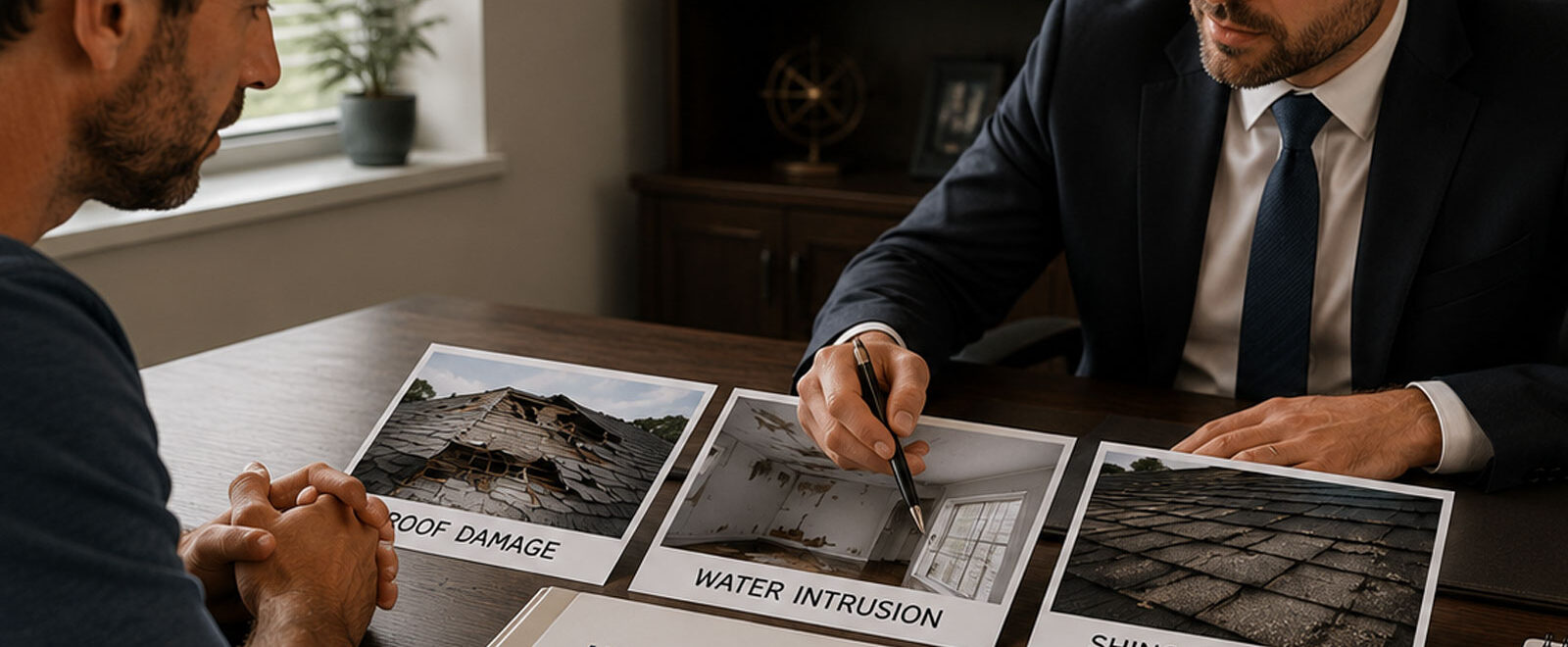
The hours after a hurricane can feel chaotic. You may be dealing with roof damage, broken windows, standing water, scattered belongings, and the uncertainty of what comes next. In the middle of that chaos, it is easy to overlook one of the most important steps: documenting the damage.
Strong hurricane damage documentation helps create a clear record of what happened and supports your insurance claim. In many cases, the quality of the evidence matters just as much as the severity of the damage itself. This guide explains how to document damage, organize records, preserve critical evidence, and avoid common mistakes that can complicate the claims process.
Step 1: Confirm Safety Before Documenting Hurricane Damage
Before you start taking photos or creating a damage inventory, make sure the property is safe to enter. Hurricanes can leave behind hidden hazards that are not immediately obvious, even if the damage appears minor from the outside. Watch for things like downed power lines, standing floodwater, gas leaks or damaged utility lines, unstable structural components (roofs, ceilings, or walls), exposed electrical wiring, and damaged electrical panels.
If local authorities have restricted access to the area or declared structures unsafe, wait until officials confirm it is safe to return. Avoid climbing onto damaged roofs or entering areas that show signs of structural instability.
Once you can safely access the property, begin documenting damage as soon as possible. Conditions can change quickly after a storm, especially if cleanup efforts begin or additional weather causes further deterioration. Prioritizing safety first helps protect you and ensures you can collect accurate evidence without creating additional risks.
Step 2: Photograph Hurricane Damage Before Cleanup Begins
Photographs and videos often become some of the most important pieces of evidence in a hurricane insurance claim. Before removing debris, discarding damaged items, or making temporary repairs, take time to thoroughly document the condition of the property.
Strong hurricane damage documentation starts with capturing the damage exactly as it appears after the storm. While it is important to prevent additional damage where it is safe to do so, try to preserve evidence before significant cleanup activities begin.
What Is the Best Way to Photograph Hurricane Damage for an Insurance Claim?

Many homeowners focus only on the most obvious damage. Instead, create a complete visual record that shows the overall condition of the property as well as specific areas of loss.
You should capture:
- Wide shots showing entire rooms, building elevations, or affected areas
- Mid-range shots showing the damaged components and surrounding areas
- Close-up images highlighting specific damage such as cracks, punctures, water intrusion, or broken materials
Videos can also provide valuable context by showing the extent of the damage throughout the property.
To strengthen your documentation, you should:
- Enable timestamps and location services when possible
- Preserve original image files and videos
- Include scale references, such as a ruler or common household object, when documenting cracks or damaged materials
- Take photographs in adequate lighting and from multiple angles
- Avoid editing or altering images
Modern smartphones automatically store EXIF metadata, which may include the date, time, and location where a photo was taken. This information can help establish when damage was documented. However, some messaging apps, social media platforms, and file-compression tools remove metadata during sharing. To preserve original files, store copies in cloud storage, external drives, or secure folders before sending them to others.
Exterior Hurricane Damage Documentation Checklist
After documenting the overall property, inspect exterior areas systematically. Working through a checklist can help you ensure important evidence is not missed.
Be sure you have documented the following:
- Roof Damage: Photograph missing shingles, punctures, lifted flashing, exposed underlayment, and any impact from fallen trees or debris.
- Exterior Walls and Siding: Capture cracks, dents, displaced siding, water staining, and impact damage.
- Windows and Doors: Document broken glass, damaged frames, failed seals, and signs of wind-driven rain entering the structure.
- Gutters and Soffits: Photograph detached sections, bending, separation, and overflow-related damage.
- Foundation and Driveway: Record cracks, shifting, settlement, erosion, or ground movement around the structure.
- Detached Structures: Inspect garages, sheds, fences, pergolas, outdoor kitchens, and similar structures for visible damage.
- Trees and Debris: Photograph fallen trees, debris paths, and damage involving utility lines or nearby structures.
A methodical inspection and documentation of exterior damage helps create a clear picture of how the storm affected the property as a whole.
Interior Hurricane Damage Documentation Checklist
Once the exterior has been documented, move indoors and inspect each area carefully. Working from the attic downward can help identify how water or wind entered the structure and affected different parts of the home.
Pay close attention to:
- Ceilings: Photograph water stains, discoloration, sagging areas, and visible signs of moisture-related damage or mold growth.
- Walls: Document water lines, cracks, buckling, peeling finishes, and other signs of structural damage.
- Floors: Capture standing water, warping, staining, swelling, and deterioration of flooring materials.
- Water Intrusion Evidence: Photograph waterline marks, measure water heights where possible, and document suspected entry points.
- Attic Areas: Record damaged insulation, exposed roof decking, moisture intrusion, and signs of mold development.
- Mechanical Systems: Photograph damage to HVAC units, water heaters, electrical panels, generators, and other major systems.
- Personal Property: Create photos and videos of damaged furniture, electronics, clothing, appliances, and valuables before disposal.
A thorough interior inspection helps connect visible damage to the broader story of how the hurricane affected the property and supports later stages of the claims process.
Step 3: Create a Written Hurricane Damage Inventory
Photos and videos provide valuable visual evidence, but they rarely tell the entire story. After documenting the damage visually, create a written inventory that identifies exactly what was affected and how it was impacted.
For each damaged item, record:

- Item description
- Brand, make, model, or serial number
- Approximate purchase date
- Estimated value
- Original purchase price, if known
- Location within the property
- Available receipts, warranties, or proof of purchase
Include details that may not appear clearly in photographs. For example, note when the damage was first discovered, unusual odors, sounds from damaged systems, recurring leaks, or changes in the property’s condition over time.
Comprehensive hurricane damage documentation combines visual evidence with detailed written records. A well-organized damage inventory can help support proof-of-loss requirements and provide a clearer basis for evaluating the extent of the damage.
How to Document Temporary Repairs
Emergency repairs may be necessary to prevent additional damage after a hurricane. If you tarp a roof, board up windows, remove standing water, or take other mitigation measures, document those efforts carefully.
Be sure to record:
- What repairs were performed
- When the work was completed
- Why were the repairs necessary
- Who performed the work
- Any materials used
Take photographs before repairs begin, during the repair process, and after completion. These records help demonstrate the property’s condition immediately following the storm and explain why temporary measures were required.
Proper documentation of temporary repairs can help preserve important evidence while showing that reasonable steps were taken to protect the property from further damage.
Step 4: Save Every Receipt and Financial Record
Financial records often become just as important as photographs during the claims process. Expenses can accumulate quickly after a hurricane, and maintaining organized records helps create a complete picture of storm-related losses.
Save receipts and supporting documentation for:
- Emergency repairs
- Temporary housing
- Food and essential supplies
- Transportation expenses
- Cleanup services
- Equipment rentals
- Debris removal
In addition to receipts, keep copies of contractor estimates, inspection reports, invoices, and written assessments related to the damage. These documents can help verify the work performed and support the extent of the loss being claimed.
Consistent recordkeeping helps support your documentation efforts and reduces the risk of losing important information during an already stressful recovery process. Store both physical and digital copies of important records. Creating a dedicated folder for hurricane-related expenses can make it easier to locate documents if questions arise later.
Step 5: Notify Your Insurance Company and Create a Communication Log
While you continue documenting damage, notify your insurance company as soon as it is safe to do so. This initial report is commonly known as the First Notice of Loss (FNOL) and begins the claims process. Do not wait until every photograph, receipt, or inventory item has been collected before reporting the loss. Early notice allows the insurer to begin evaluating the claim while you continue gathering supporting documentation.
As soon as a claim is opened, keep track of:
- Claim number
- Adjuster information
- Dates and times of communications
- Names of representatives involved
- Summaries of discussions
- Requests for additional information
Whenever possible, follow important phone conversations with email correspondence. These written records help create a clear timeline and reduce misunderstandings about what was discussed. A detailed communication log can become an important reference point if questions or disputes arise later in the claims process.
Homeowners should also carefully consider any request for a recorded statement. Because statements can affect how a claim is evaluated, it is important to understand the purpose of the interview and ensure the information provided is accurate.
Step 6: How to Prepare for the Insurance Adjuster’s Inspection
The insurance adjuster’s inspection is an important opportunity to present the evidence you have gathered and ensure all visible damage is reviewed. Preparation can help make the inspection more productive and reduce the risk of important details being overlooked.
Insurance adjusters typically evaluate the cause of the damage, the scope and extent of the loss, the areas affected by wind, water, or debris, the condition of the property before the storm, and whether any damage may have existed before the hurricane. If possible, attend the inspection and walk through the property with the adjuster. Have your photos, videos, receipts, estimates, and damage inventory organized and readily available to answer any questions they may have. In some situations, additional evaluations from contractors, engineers, roofing professionals, or other qualified experts may also help clarify disputed damage issues.
A well-prepared inspection allows you to present your documentation clearly and helps create a more complete record of the property’s condition following the storm.
What Insurance Adjusters Actually Look for and What Your Documentation Must Prove
Insurance adjusters do more than confirm that damage exists. They evaluate how the damage occurred, whether it is consistent with the reported event, and whether the evidence supports the claim being presented.
Your documentation should help establish:
- When the damage was discovered
- What areas of the property were affected
- How extensive the damage is
- The likely cause of the damage
- The property’s condition before the hurricane
Pre-storm evidence can be especially valuable in strengthening hurricane damage documentation. Inspection reports, real estate listing photos, maintenance records, and personal photographs may help demonstrate that certain damage did not exist before the storm.
Documentation can also become important when disputes arise regarding the source of damage. For example, questions sometimes arise about whether damage resulted from wind, flooding, or a combination of both. Chronological photographs, timestamped videos, and consistent records can help create a clearer timeline of events.
The stronger and more organized the evidence, the easier it becomes to demonstrate the extent of the damage and support the claim.
Step 7: Organize and Back Up Your Documentation
By this stage, you may have hundreds of photos, videos, receipts, estimates, and claim-related documents. Keeping everything organized can make it easier to respond to information requests and track the progress of your claim.
Effective claim documentation depends not only on collecting evidence but also on organizing and preserving it. Create separate folders for property photos and videos, damage inventories, receipts and expenses, contractor estimates, inspection reports, and insurance correspondence. Back up important files in multiple locations, such as cloud storage, external hard drives, and secure digital folders.
Keep original photos and videos whenever possible. Original files often retain metadata that may help verify when and where documentation was created. Physical documents should also be protected. Store receipts, invoices, estimates, and written correspondence in a secure folder or binder to prevent loss or damage.
An organized documentation system can save time, reduce stress, and help ensure important evidence remains available throughout the claims process.
Step 8: Digital Tools and Resources for Hurricane Damage Documentation
Technology can make it easier to collect, organize, and preserve evidence after a hurricane. Several resources are available to help homeowners create more complete and organized records of storm-related damage.
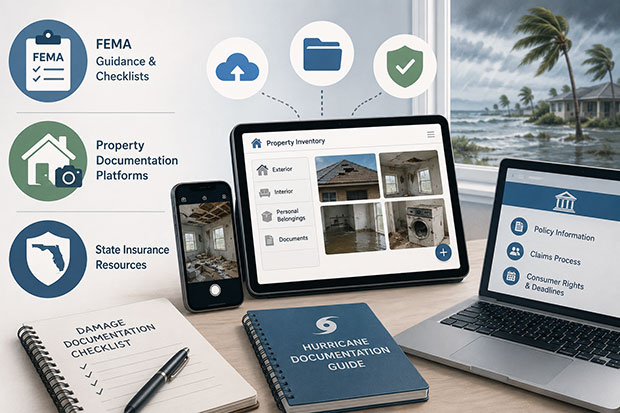
Useful resources for homeowners include:
- FEMA Damage Documentation Resources: FEMA provides guidance and checklists that can help homeowners document damaged property, personal belongings, flood impacts, and other relevant evidence.
- Property Documentation Platforms: Hurricane inspection and property documentation tools can help track damage, organize photos, create inventories, and maintain pre-storm property records.
- State Insurance Resources: State insurance departments often provide educational materials about policy requirements, claim procedures, consumer rights, and important deadlines.
These resources can complement your documentation efforts and help you maintain a clear, organized record of hurricane-related losses. Using available tools effectively can make it easier to track information and manage the claims process in the weeks and months following a storm.
Louisiana and Texas Hurricane Insurance Claim Laws Homeowners Should Know
Insurance claim deadlines and procedural requirements can affect how a hurricane damage claim is handled. Homeowners in Louisiana and Texas should understand the rules that may apply to their claims, especially after major storms along the Gulf Coast.
Louisiana Hurricane Claim Rules
Louisiana homeowners in hurricane-prone areas such as New Orleans, Lake Charles, Houma, Lafayette, and Baton Rouge often face complex claims involving wind, flood, and storm surge damage.
Louisiana homeowners should be aware of:
- Louisiana’s Bad-Faith Protections: Louisiana RS 22:1892 requires insurers to handle claims fairly and in good faith throughout the claims process.
- Louisiana’s Valued Policy Law: This law may affect how covered total-loss claims are evaluated under certain circumstances.
- Wind vs. Flood Disputes: Hurricanes can cause both wind and flood damage, which may involve different insurance coverages and create disputes over the cause of loss.
Under Louisiana insurance law, many property insurance policies require a proof of loss to be submitted within 180 days after a federally or state-declared disaster. However, homeowners should always review their specific policy requirements. For many residential property insurance bad-faith claims arising from catastrophic losses, Louisiana law also generally requires the policyholder to provide the insurer with a written 60-day Cure Period Notice before filing suit, giving the insurer an opportunity to resolve the dispute.
Louisiana law also includes important consumer protections. Under Louisiana’s insurance claims statutes, insurers generally must adjust claims promptly and make payment after receiving satisfactory written proof of loss within 30 days. For catastrophic residential property losses, payment obligations may extend to 60 days after receipt of satisfactory proof of loss.
According to the Insurance Research Council, Louisiana homeowners spend a substantially larger share of household income on homeowners insurance than the national average, making proper claim handling especially important for property owners in the state. If claim disputes arise, homeowners should contact a Louisiana hurricane damage claim lawyer to understand their rights and evaluate available legal options.
Texas Hurricane Claim Rules
Texas coastal communities such as Houston, Galveston, Corpus Christi, Port Arthur, and Beaumont regularly face hurricane and tropical storm risks.
Most Texas policies require homeowners to provide prompt notice of damage after a loss. Once a claim is reported, Texas law generally requires insurers to acknowledge the claim within 15 days of receipt, and begin an investigation and issue a coverage decision within 15 days after receiving all reasonably requested information. If the claim is approved, payment must generally be issued within 5 business days.
Other important considerations Texas homeowners need to understand include:
- Texas Insurance Code Chapter 542A generally requires written notice at least 61 days before filing certain weather-related property damage lawsuits.
- Homeowners in certain coastal areas may obtain windstorm and hail coverage through Texas Windstorm Insurance Association (TWIA) when it is not available in the private insurance market. Understanding eligibility requirements, coverage limits, and claim procedures can be important after a hurricane.
- Texas bad-faith laws require insurers to investigate and evaluate claims fairly.
Because hurricane damage can involve overlapping coverage issues and procedural requirements, homeowners facing disputes can benefit from speaking with a Texas hurricane damage claim attorney to better understand the claims process and applicable legal deadlines.
When a Hurricane Damage Lawyer Can Help
Even with thorough documentation, hurricane insurance claims do not always proceed smoothly. Disputes over coverage, claim value, or the cause of damage can create significant challenges for homeowners. When these issues prevent a fair resolution, legal guidance may help clarify your rights and available options.
Situations Where Legal Help May Be Necessary
Homeowners should consider speaking with a property damage attorney when:
- A claim is denied in whole or in part.
- The insurer’s payment does not appear to reflect the documented damage.
- Disputes arise over whether damage was caused by wind, flooding, or both.
- The insurer unreasonably delays the claim or makes repeated requests for information.
- Concerns arise regarding recorded statements or other claim-related communications.
Addressing these issues early can help homeowners better understand the claims process and avoid costly mistakes.
How Attorneys Challenge Underpaid Hurricane Claims
When a claim is underpaid, attorneys often begin by reviewing the insurance policy and comparing its terms to the insurer’s evaluation of the loss. They may also work with contractors, engineers, roofing specialists, or other experts to assess the extent of the damage and identify overlooked losses.
Additional steps may include reviewing repair estimates, evaluating damage valuations, analyzing claim communications, and investigating whether the insurer complied with its legal obligations during the claims process. These efforts can help homeowners better understand whether the claim was evaluated fairly and what options may be available moving forward.
Conclusion
Recovering from a hurricane involves more than repairing physical damage. It also requires creating a clear, organized record of what happened to your property. From photographs and damage inventories to receipts and communication logs, strong hurricane damage documentation can help support your claim and reduce disputes during the recovery process.
Homeowners in Louisiana and Texas should also remain mindful of important policy requirements, claim deadlines, and state-specific insurance laws that may affect their rights after a storm. Missing key documentation or waiting too long to act can create unnecessary challenges when seeking coverage for hurricane-related losses.
If you are dealing with a denied, delayed, or underpaid hurricane damage claim, an experienced property damage attorney can review your situation, explain your options, and help you navigate complex insurance disputes. Contact Pandit Law for a free case evaluation to learn how we may be able to assist with your hurricane damage claim.