
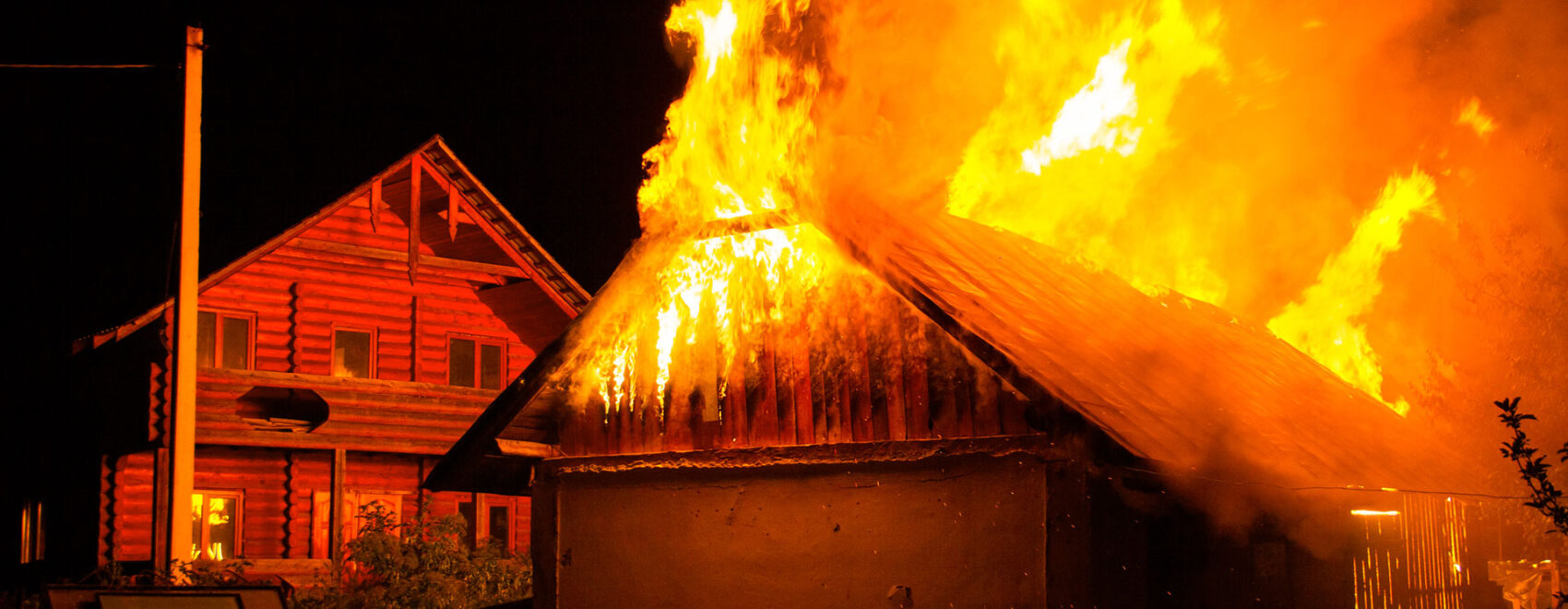
Filing a fire damage insurance claim can be overwhelming, especially after the emotional and financial toll a fire can take. Yet, it’s the most important step in rebuilding your home and recovering your losses.
The process can be confusing and frustrating – claims are often delayed, denied, or underpaid. Knowing how to navigate it confidently can help you secure the compensation you deserve.
What to Do After a House Fire?
Experiencing a house fire can be devastating, but your safety and recovery must always come first. Here’s what you should do when filing a fire damage insurance claim:
- Contact Your Insurance Company: Notify your insurer as soon as possible to start the claims process. Review your coverage limits, exclusions, and deadlines so you know what compensation you’re entitled to.
- Document the Damage: Take clear photos and videos of all affected areas before any cleanup or repairs.
- Make Temporary Repairs: Only perform essential fixes, like boarding up windows, to prevent further damage, and keep receipts for reimbursement.
- Track All Expenses: Keep records of temporary housing, meals, and repairs that may be covered under your policy.
- Consult a Fire Damage Attorney: An experienced lawyer can help you navigate claim disputes and ensure you receive fair fire compensation.
Understanding Fire Insurance Claims for Home and Personal Property

A fire damage insurance claim is a formal request made to your insurer for financial compensation after a fire damages your home or belongings. It typically covers repairs, replacements, and sometimes temporary living expenses
Understanding how these claims work is essential. If you’ve experienced a fire, knowing what your policy covers and how to document your losses can make the claims process smoother and help you avoid costly mistakes.
What Homeowner Policies Typically Cover for Fire Damage
Most homeowners’ insurance policies offer comprehensive protection for both the physical structure of your home and the personal property inside. This typically includes repairs or rebuilding costs for walls, roofs, and fixtures damaged by fire, with the goal of restoring your property to its pre-loss condition. It also covers replacement or reimbursement for furniture, clothing, electronics, and other personal items lost in the blaze.
In many cases, policies also include “loss of use” coverage or Additional Living Expenses (ALE) coverage, which helps pay for temporary housing, meals, and other living costs if your home becomes uninhabitable during repairs. Depending on your policy terms, ALE coverage may also provide comparable housing accommodations until your home is restored. Some policies may also extend protection to detached structures, like garages or sheds, and cover smoke or water damage resulting from firefighting efforts.
Common causes of fire covered by most policies include:
- Electrical malfunctions or short circuits.
- Kitchen or cooking fires.
- Fireplace or heater accidents.
- Lightning strikes.
- Wildfires or neighboring fires spreading to your home.
- Accidental fires caused by appliances, candles, or wiring issues.
Step-by-Step Guide to File a Fire Damage Insurance Claim
Filing a fire damage insurance claim after a house fire can feel confusing, but following a clear, step-by-step approach not only helps protect your rights but also maximizes your recovery. From notifying your insurer to negotiating a settlement, each step plays a critical role in ensuring your losses are properly documented and compensated.
Step 1: Notify Your Insurer Immediately
Contacting your insurance company as soon as possible is the first and most crucial step. Prompt notification ensures your claim is officially recorded and helps prevent delays that could affect your payout. Acting quickly also establishes a clear timeline for your claim, which can be important if disputes arise later.
- Contact Your Insurance Company: Call the claims department or your agent to report the fire. Provide basic details like the date, time, and extent of the fire.
- Have Your Policy Number Ready: Keep your insurance policy accessible. This speeds up the claim process and ensures accurate reference.
- Ask About the Claim Process: Request information on required documentation, deadlines, and the timeline for adjuster visits. Confirm whether temporary repairs are allowed before an inspection.
Step 2: Mitigate Further Damage
Insurers expect policyholders to take reasonable steps to prevent additional loss. Mitigating further damage not only protects your property but also demonstrates that you acted responsibly. This can strengthen your claim and prevent reductions due to negligence.
- Secure the Property: Board up broken windows, lock doors, and restrict access to prevent theft or vandalism.
- Document Temporary Repairs: Take photos and videos of all temporary fixes. Keep receipts for materials and services, as these may be reimbursable. Temporary repairs can include tarping a damaged roof or boarding broken doors.
Step 3: Document Everything
Thorough documentation strengthens your fire damage claim and helps avoid disputes with your insurer. Detailed records ensure nothing is overlooked and provide the evidence needed to get a fair payout from your insurance company. Good documentation also protects against future discrepancies in your claim.
- Take Extensive Photos and Videos: Capture all damaged areas, including walls, floors, appliances, and personal belongings. Include wide-angle shots and close-ups to show the full extent of the loss.
- Create a Detailed Inventory List: List every damaged item with descriptions, purchase dates, and approximate value. Organize by room for clarity and include any unique or high-value items.
- Obtain Supporting Documents: Collect receipts, warranties, appraisals, and repair records to validate your losses. These documents can make a significant difference if coverage is disputed.
Step 4: File Your Claim
Once you have gathered documentation, it’s time to formally file your fire damage insurance claim. Filing properly ensures your claim is processed efficiently and accurately, preventing unnecessary delays or confusion. Be thorough and precise in all submissions.
- Complete the Claim Form: Fill out all sections carefully, providing detailed information about damages and losses. Double-check for accuracy before submission.
- Submit Supporting Documents: Attach photos, inventory lists, and receipts to substantiate your claim. Clearly label and organize files for easy reference.
- Keep Copies: Retain copies of everything submitted, including forms, emails, and letters, for your records and reference. These copies are crucial if questions arise later.
Step 5: Work with the Claims Adjuster
A fire claims adjuster evaluates the damage and helps determine the settlement. Building a cooperative relationship while being thorough and detailed helps ensure they fully understand the extent of your losses. Clear communication can also help prevent underestimations or overlooked damages.
- Schedule Adjuster Visit: Coordinate a convenient time for the adjuster to inspect your property thoroughly. Ensure all areas are accessible.
- Verify the Adjuster’s Identity: Confirm they are officially appointed by your insurer before granting access. Scammers sometimes pose as adjusters to exploit you in a vulnerable state.
- Show All Damaged Areas: Walk the adjuster through your home, highlighting structural damage, personal property loss, and temporary repairs. Explain any repairs already made.
- Document Adjuster Communication: Keep notes of conversations, emails, and any instructions given by the adjuster. This creates a record in case of disputes.
- Ask Key Questions: During the inspection, ask clarifying questions, such as whether all areas have been fully assessed, how depreciation was calculated, and what costs or repair standards are being applied. This helps you identify any overlooked or underestimated damage early in the process.
Step 6: Get Repair and Replacement Estimates
Accurate estimates are essential to ensure your settlement covers actual costs. Collecting multiple estimates helps demonstrate the true cost of repairs and prevents the insurer from undervaluing your claim. It also supports negotiations if needed.
- Obtain Multiple Contractor Quotes: Collect at least two or three estimates for structural repairs and reconstruction. This ensures you have a fair market comparison and helps identify missing or undervalued line items, such as single-coat paint or low-cost materials.
- Understand Replacement Cost vs Actual Cash Value: Know whether your policy reimburses for the full replacement cost or the depreciated value of items, as this directly affects your settlement amount.
- Get Specialized Estimates for Unique or High-Value Items: Hire professionals to assess valuable items such as artwork, antiques, or custom fixtures. These may require appraisals to confirm accurate value.
- Review Before Signing a Proof of Loss: Before signing, compare the insurer’s estimate with your contractors’ bids. Confirm that all known damages are included and ensure nothing has been omitted or undervalued. Avoid signing too early; once you do, it can limit your ability to recover additional costs later.
Step 7: Negotiate and Follow Through
Many homeowners make the mistake of accepting the initial offer that is often lower than what they deserve. Understanding your coverage and actively negotiating can significantly improve your claim outcome. Be prepared to provide evidence and make a compelling case for additional compensation.
- Understand Your Coverage: Review your policy carefully to know what damages and losses are covered. Clarify any exclusions.
- Review the Settlement Offer: Examine the insurer’s offer in detail. Compare it to your documentation and estimates.
- Consider Getting Additional Estimates: If the offer seems low, seek more contractor quotes or expert evaluations to strengthen your position.
- Negotiate for a Fair Settlement: Communicate discrepancies with your insurer, providing evidence and supporting documents. Persistence and documentation are key to achieving a fair payout.
Step 8: Consult a Fire Damage Claim Lawyer
Even with careful preparation, some claims encounter disputes, delays, or underpayments. An experienced fire damage lawyer can guide you through the process, ensuring your rights are protected and your claim is fully supported.
- When to Seek Legal Help: If your claim is denied, delayed, underpaid, or involves any complications – such as unclear policy language, multiple types of damage, high-value items, or disputes with the insurer – a fire damage lawyer can offer guidance and advocate on your behalf.
- How a Lawyer Helps: An experienced attorney reviews your policy, documents your losses, communicates with the insurer, and can negotiate or litigate to maximize your claim payout. Early legal consultation often prevents mistakes that could cost you significant compensation.
Following these steps methodically ensures that your fire damage insurance claim is thorough, well-documented, and positioned for the best possible outcome. Acting quickly, documenting losses, and seeking professional advice where needed can significantly reduce stress and increase the likelihood of a fair settlement.
Fire Damage Insurance Claim Tips to Maximize Your Settlement

Maximizing your fire damage insurance claim settlement is essential to cover your repair and recovery costs fully. Acting quickly, staying organized, and keeping detailed records can greatly improve your payout.
Here’s what you can do to strengthen your claim:
- File your claim promptly to avoid processing delays and protect your eligibility.
- Don’t settle too soon. Decline initial low offers that don’t reflect your full losses.
- Know your state’s laws and deadlines to avoid missing important claim milestones.
- Keep all receipts for temporary repairs, hotel stays and living expenses.
- Be cautious with statements – avoid downplaying the damage on record or when speaking with insurance adjusters.
- Keep paying your premiums to ensure your coverage remains active throughout the process.
- Document all damage thoroughly with clear photos, videos, and detailed notes.
Following these steps can help you strengthen your fire damage insurance claim and secure a fair settlement that fully covers your losses.
Reasons Insurance Companies Deny, Delay, and Underpay Fire Damage Insurance Claims
Just filing a fire damage insurance claim doesn’t always guarantee a smooth process. Many homeowners face frustrating delays, denials, or low settlement offers that make recovery even harder. Understanding why these issues happen and knowing when to seek professional help can make a significant difference.
Only a law firm, and in some states, a public adjuster, can interpret your insurance policy. At Pandit Law, we leverage the experience gained from handling thousands of claims and work with experts to analyze your policy and damage estimates. Our team handles all communication with your insurance company and advocates for the full value you deserve.
Denied Fire Insurance Claims
Insurance companies may deny claims for several reasons, such as:
- Missing documentation.
- Late filing.
- Alleged policy exclusions.
In some cases, they might argue that the fire resulted from negligence or an uncovered cause. Careful recordkeeping and timely filing are key to avoiding unfair denials. Having a law firm like Pandit Law by your side can help identify and challenge improper denials.
Delayed Fire Insurance Claims
Even valid claims can get stuck in review. Insurers may drag out the process by:
- Requesting extra documents.
- Waiting on inspections.
- Citing administrative backlogs.
Consistent communication and organized documentation can help reduce unnecessary delays. If your claim stalls, we can step in to communicate directly with your insurer and push for a timely resolution.
Underpaid Fire Insurance Claims
Sometimes, insurers approve your claim but undervalue it significantly. Adjusters might overlook hidden damage or use low repair estimates. Comparing quotes and seeking professional guidance ensures your payout truly reflects your losses. Pandit Law collaborates with independent experts to verify damage estimates and advocate for fair compensation on your behalf.
By recognizing these challenges early, you can respond proactively and protect your right to full compensation.
Conclusion
Filing a fire damage insurance claim can be overwhelming, but knowing what you should do makes a big difference. Document everything, file your claim as early as possible, and review the settlement offer carefully before agreeing.
If your insurer delays, denies, or underpays your claim, you deserve someone by your side who will fight for you. At Pandit Law, we understand what’s at stake after a fire. Our experienced team works tirelessly to protect your rights and secure the compensation you’re owed.
Contact Pandit Law today for a free fire claim evaluation to protect your right to a fair settlement and start rebuilding with confidence.
Frequently Asked Questions
The average payout depends on your policy limits and the extent of damage. In many cases, payouts range from tens to hundreds of thousands of dollars, covering structural repairs, personal belongings, and temporary living expenses.
Most fire damage insurance claims are processed within 30 to 90 days. However, complex cases involving extensive damage or disputes can take longer, especially if additional inspections or documentation are required.
Deadlines vary by policy and state regulations, but typically range from 30 days to one year after the fire. Always review your policy and file as soon as possible to avoid delays or denial.
Avoid speculating about the cause of the fire, discussing, or minimizing the damage. Stick to verified facts, provide accurate documentation, and consult a lawyer if you’re unsure what to share.
Contact your insurer immediately, secure temporary housing, and gather proof of loss. You may qualify for full policy limits if the damage is a total loss. Consult a fire damage claim lawyer to ensure you receive maximum compensation and to have an advocate for your claim throughout the process.
Yes, and this is the most underpaid and undervalued damage associated with fire claims. Most policies cover smoke and soot damage, including cleaning, deodorizing, and restoring affected areas. This often extends to your HVAC systems, interior walls, and attic insulation, which can trap lingering smoke and odor particles. In many cases, proper restoration requires taking affected areas down to the framing, scrubbing thoroughly, and removing all remnants to ensure your home is safe and fully restored.
Document everything and include it in your fire damage insurance claim to ensure full reimbursement. It takes a claim expert and restoration companies to restore your property to pre-loss condition.
Expect the adjuster to visit the property soon after the incident, inspect damage, review your documentation, and assess repair costs. Be present during the visit, share all evidence, and keep detailed notes of every interaction to protect your claim’s accuracy and value.