

A house fire can turn life upside down in a matter of minutes. Beyond the emotional shock and loss, homeowners often face another challenge – navigating the insurance claim process. According to the National Fire Protection Association, U.S. fire departments respond to over 350,000 home structure fires annually, resulting in billions of dollars in property losses.
Once the flames are out, the next person you’ll likely meet from your insurance company is the fire insurance adjuster. Their job is to assess the damage and determine what your policy covers. While adjusters play a crucial role, knowing how to communicate and prepare for their visit can make the difference between a fair payout and a frustrating underpayment.
This guide is a tool to prepare you for this important step in the claims process. You’ll learn what a fire insurance adjuster does, how to prepare for their visit, what questions to ask, and when to seek professional help – all to ensure your claim is handled fairly and efficiently.
Understanding Fire Insurance Adjusters and What They Do
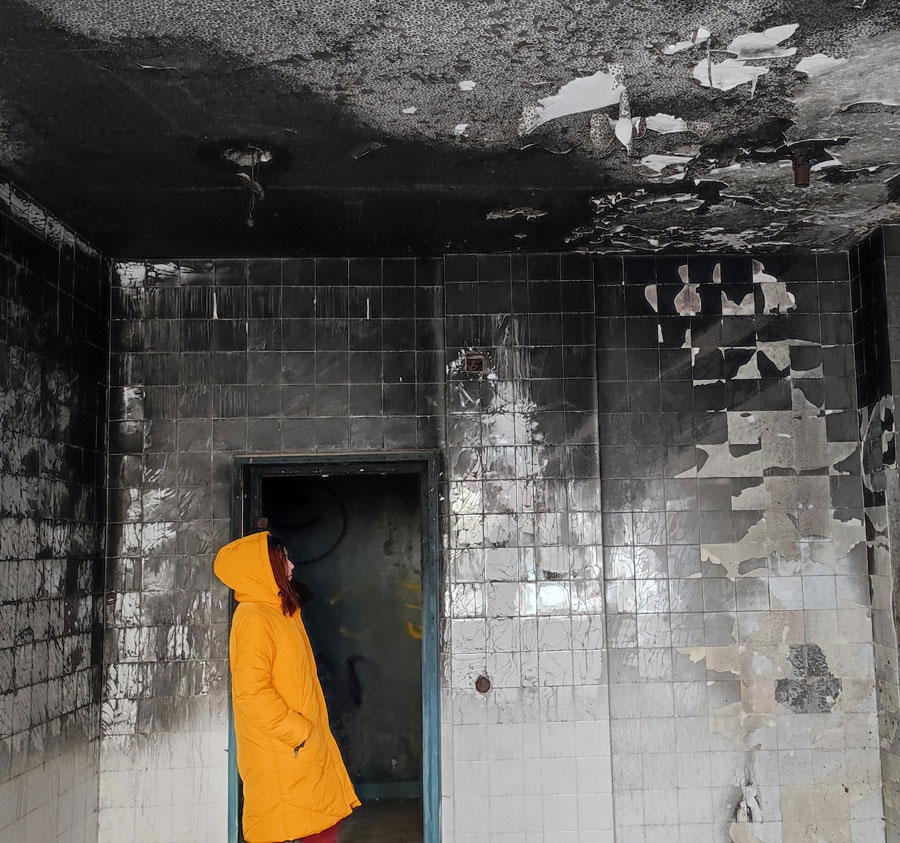
A fire insurance adjuster is the person assigned by your insurance company to inspect your property, document losses, and recommend how much compensation should be paid under your policy. Think of them as the link between your insurer and your claim, but remember, they ultimately work for the insurance company, not for you.
This means their evaluation is guided by the insurer’s internal policies, claim limits, and cost-control measures, rather than what it will take to fully restore your home or replace your belongings. While most adjusters aim to be fair, their priority is to minimize the company’s payout exposure.
As a result, certain damages might be undervalued, overlooked, or categorized in a way that limits reimbursement. Understanding this helps you approach the process with realistic expectations, thorough documentation, and the confidence to question anything that doesn’t seem right.
Types of Adjusters
- Company adjusters: Direct employees of the insurance company. Their evaluations feed into the insurer’s settlement offer.
- Independent adjusters: Contractors hired by the insurer to perform inspections when local staff are unavailable.
- Public adjusters: Licensed professionals hired by policyholders (you) to represent your best interests and negotiate a fair claim.
The Adjuster’s Role and Objectives
A fire insurance claim adjuster typically:
- Inspects the damaged property to determine the extent of loss.
- Review your policy to identify what’s covered and what isn’t.
- Collects documentation, such as photos, repair estimates, receipts, and more, to support the final valuation.
- Submits a detailed report to the insurer recommending settlement amounts.
How Adjusters Evaluate Fire Damage
Fire damage insurance adjusters follow a structured process when assessing a claim. Knowing how they operate helps you anticipate what they’ll look for and prepare accordingly.
Here’s how a fire insurance claim adjuster typically evaluates damage:
- Initial inspection: They’ll examine the structure for visible fire, smoke, and water damage. This includes walls, roofing, flooring, and electrical systems.
- Documentation review: Adjusters will review any photos, receipts, or inventories you provide to verify losses.
- Estimation tools: Many use software to generate cost estimates for materials and labor based on regional pricing.
- Timeline: The inspection may take a few hours to several days, depending on the extent of damage. A formal report is usually submitted within two weeks.
- Follow-up requests: Adjusters may ask for additional proof or clarification on specific items, such as high-value possessions or temporary repair costs.
Understanding this process helps you prepare detailed documentation and ensure nothing gets overlooked.
Prepare Yourself for Questions Asked by the Fire Damage Insurance Adjuster
Handling the queries of a fire insurance adjuster after such a traumatic event can feel overwhelming. Preparation is key, as it helps you stay calm, organized, and confident when answering their questions. The more precise your responses, the smoother the process will be.
What Questions Can a Fire Insurance Adjuster Ask You?
Here are some common questions you may encounter during the inspection or interviews:
- When did the fire occur, and how was it discovered?
- Was anyone at home at the time of the fire?
- What areas of the house sustained the most damage?
- Do you have a recent inventory of household items?
- Have you made any temporary repairs since the incident?
- Do you suspect any faulty wiring, appliances, or equipment caused the fire?
- What steps have you taken to prevent further damage?
- Have you contacted contractors for repair estimates?
- Are there any previous claims filed on this property?
Gather all relevant information – dates, receipts, photos, and an inventory list. Be factual and concise; never guess or speculate about causes unless confirmed by investigators.
Questions to Ask the Insurance Adjuster After a Fire
You also have the right to ask questions to stay informed and protect your interests. Asking questions keeps communication transparent and ensures you remain aware of each step, from inspection to payment. It also helps you spot red flags early, such as delays or inconsistent explanations. Here are smart questions to consider:
- Have you documented and acknowledged all visible and hidden fire damage, including structural and smoke-related areas?
- Is this a complete scope of loss, or do you anticipate a supplement later? If a supplement is needed, why wasn’t it included initially?
- Did you take detailed photos and notes of every affected area, including behind walls, ceilings, and insulation?
- How did you calculate depreciation, and what percentage or method did you apply to each item?
- What pricing database or unit costs are you using for repairs, and do they reflect current market rates for this area?
- What does my policy cover for structural damage and personal property, and what are the applicable limits and deductibles?
- Will you provide a complete copy of your inspection report and written estimate?
- How will differences be handled if a licensed contractor submits a higher or more accurate estimate?
- What are the next steps and timeline? When should I expect the next update or a settlement decision?
Critical Preparation Steps Before the Adjuster Arrives

Preparation before meeting an insurance adjuster for fire damage can significantly strengthen your claim. This isn’t just about having paperwork ready. It’s about ensuring the adjuster sees the full scope of your loss.
Immediate Actions After a Fire
- Find temporary shelter: Contact family, friends, or local disaster relief programs for housing support.
- Notify your insurer promptly: Reporting the fire as soon as possible establishes an official claim record.
- Ensure safety first: Wait for authorities to declare your home safe before re-entering.
- Prevent further damage: Secure the property with tarps or boards to avoid vandalism or weather exposure.
Documentation Essentials
- Take photos and videos: Capture all affected areas from multiple angles, including structural damage, furniture, and personal belongings.
- Create an inventory list: Record each damaged item, its estimated value, and when you purchased it.
- Save all receipts: Keep proof of expenses for lodging, meals, and emergency repairs — these may be reimbursable.
- Obtain preliminary estimates: Ask licensed contractors for repair quotes to compare with the insurer’s valuation.
Understanding Your Policy
- Locate your policy documents: Have both digital and hard copies accessible.
- Check coverage limits: Review sections on fire damage, personal property, and additional living expenses (ALE).
- Understand policy terms: Know the difference between replacement cost (new value) and actual cash value (depreciated).
- Note exclusions and deductibles: Understanding these helps prevent surprises later.
Effective Communication Strategies During the Adjuster’s Visit
When the adjuster arrives, how you handle the visit can influence your claim outcome. Clear, respectful communication goes a long way, but so does assertiveness when necessary.
Setting the Right Tone
Stay polite and cooperative, but confident in your rights. Avoid letting stress or frustration lead the conversation. Emotional reactions can sometimes be misinterpreted as uncertainty. Keep your focus on facts and documentation.
Walking Through the Damage Together
Accompany the adjuster throughout the inspection. Point out every damaged area, including smoke and water damage that might not be obvious. Show photos taken immediately after the fire, as this helps establish a timeline and prevents overlooked losses. Ask questions if something seems skipped or under-assessed.
What to Say and What to Avoid
Stick to factual statements. Avoid speculation like “I think it started here” or “maybe I forgot to turn something off.” These remarks could later complicate your claim. Also, don’t accept any settlement offers during the first visit. You have the right to review all assessments before signing or agreeing to anything.
If the adjuster asks uncomfortable questions, stay calm. Redirect to verified facts or refer them to the official fire report.
Taking Notes and Documenting the Visit
Keep a written log of:
- The adjuster’s name and contact information
- Date and time of the visit
- Topics discussed and any agreements made
- Next steps or deadlines they mention
Immediately after the visit, summarize everything in an email and send it to the adjuster. This creates a written record you can refer to later.
Following Up and Reviewing the Report After the Adjuster’s Visit
Once the inspection ends, the process continues behind the scenes. Staying proactive during this phase ensures your claim doesn’t fall through the cracks.
Documentation Follow-up
Send a concise follow-up email summarizing your meeting and attach any additional documents the adjuster requested. Keep copies of all communication – phone calls, texts, and emails. Organized records build a timeline that can be invaluable if disputes arise later.
Reviewing the Adjuster’s Report
When the report arrives, read it line by line. It should detail the extent of damages, estimated repair costs, and any exclusions. Compare these with your own notes and contractor estimates. If you notice missing rooms, undervalued items, or miscalculations, flag them immediately.
Typically, you should receive the report within two to three weeks after the inspection. The sooner you review it, the faster discrepancies can be corrected.
Handling Disagreements
Request a written explanation if you disagree with the adjuster’s findings or settlement amount. You can also ask for a reinspection, especially if new evidence (like structural assessments) emerges. Each insurer has a formal appeals process, so use it if necessary.
Settlement Negotiations
Before signing any settlement documents:
- Verify that all categories of loss – structure, contents, and living expenses – are covered.
- Compare their offer with multiple contractor estimates.
- Don’t hesitate to counter with supporting evidence if the offer seems low.
Remember, partial payments can be issued for immediate repairs without closing your claim. Accepting a final settlement means you can’t reopen it later, so review every detail carefully.
When to Seek Help from a Fire Damage Lawyer
Sometimes, even a well-prepared claim can face unfair treatment. If your insurer delays responses, pressures you to accept a low settlement, or denies valid damages, it may be time to seek legal help.
These can be signs of bad-faith insurance practices when insurers intentionally undervalue, delay, or deny legitimate claims. Legally, “bad faith” means an insurer failed to act honestly or fairly in handling your claim.
You should consider contacting a Louisiana fire damage lawyer if
- Your claim is denied or significantly underpaid.
- The insurer gives unclear or shifting explanations for delays.
- You’re pressured to settle quickly for less than your documented loss.
- The fire caused both property and business interruption losses.
At Pandit Law, we help clients protect their rights, review policy language, negotiate with insurers, and pursue fair compensation when bad faith tactics arise. Having legal support early in the process can prevent months of frustration and financial strain.
For those dealing with fire damage in Texas, consulting a Texas fire damage attorney can help protect your rights.
Conclusion
Dealing with an insurance adjuster after a house fire can feel like navigating a maze, but preparation, clarity, and persistence are your best tools. Understand the adjuster’s role, keep detailed documentation, communicate professionally, and review every document carefully before agreeing to a settlement.
If you encounter delays, denials, or low offers, don’t face them alone. Pandit Law helps homeowners and business owners across Louisiana, Texas, and the Gulf Coast handle complex fire damage claims with confidence.
Contact Pandit Law today for a free claim evaluation and let our experienced team help you recover what you’re rightfully owed.
Frequently Asked Questions
Avoid guessing about the fire’s cause. Stick to confirmed facts and let the investigation determine the details.
Most insurers assign an adjuster within a few days of receiving your claim. In disaster-affected areas, it might take longer due to high claim volume.
They inspect your home, evaluate losses, verify documentation, and recommend a settlement amount to your insurer.
Yes. You can present evidence like contractor estimates or expert assessments to support your counteroffer and request a higher settlement.
Not without reviewing it carefully. Initial offers are often lower than what you deserve. Compare it with your documentation or consult a lawyer before signing.