
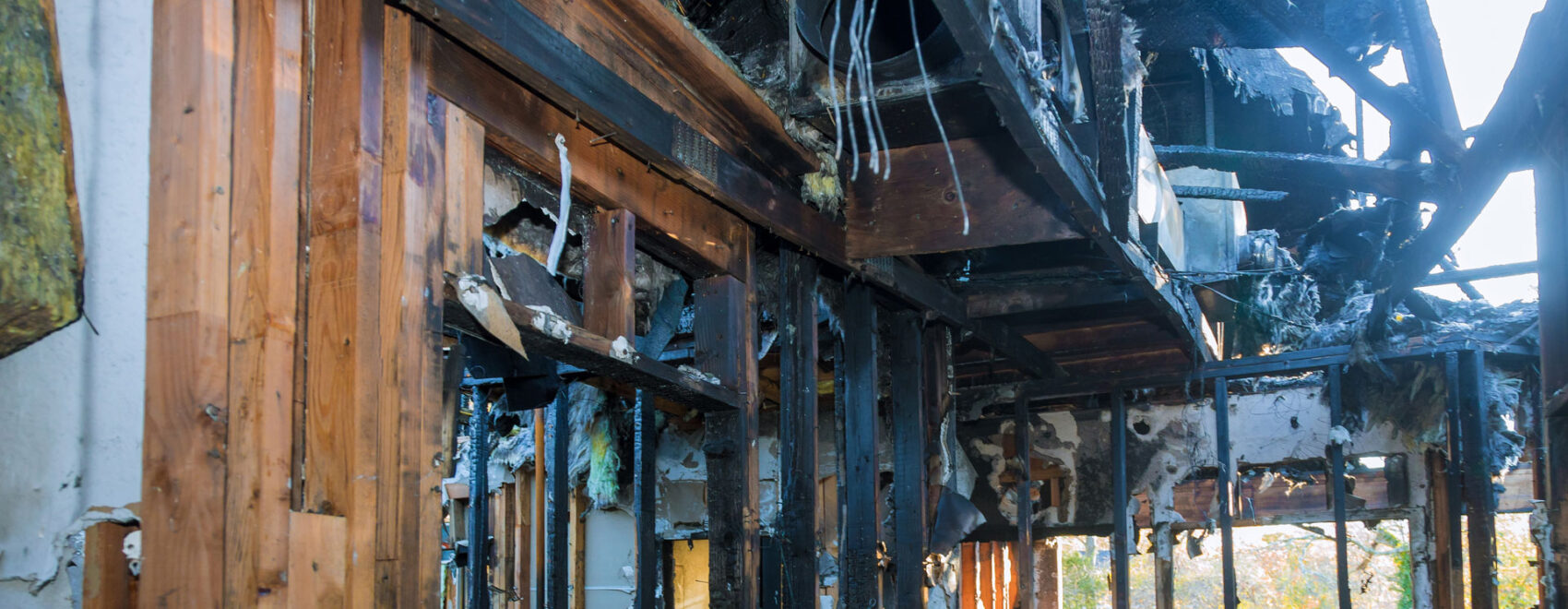
A house fire can turn your world upside down in minutes, leaving behind not just damage but uncertainty about what comes next. Getting fair compensation for fire damage is key to rebuilding your home, replacing what you’ve lost, and moving forward. Yet many homeowners find their claims delayed, underpaid, or unfairly denied by insurance companies.
That’s where legal guidance makes all the difference. At Pandit Law, we help homeowners understand their policy, document their losses, and fight for the full amount they deserve so they can focus on restoring what matters most.
Understanding Fire Damage Compensation
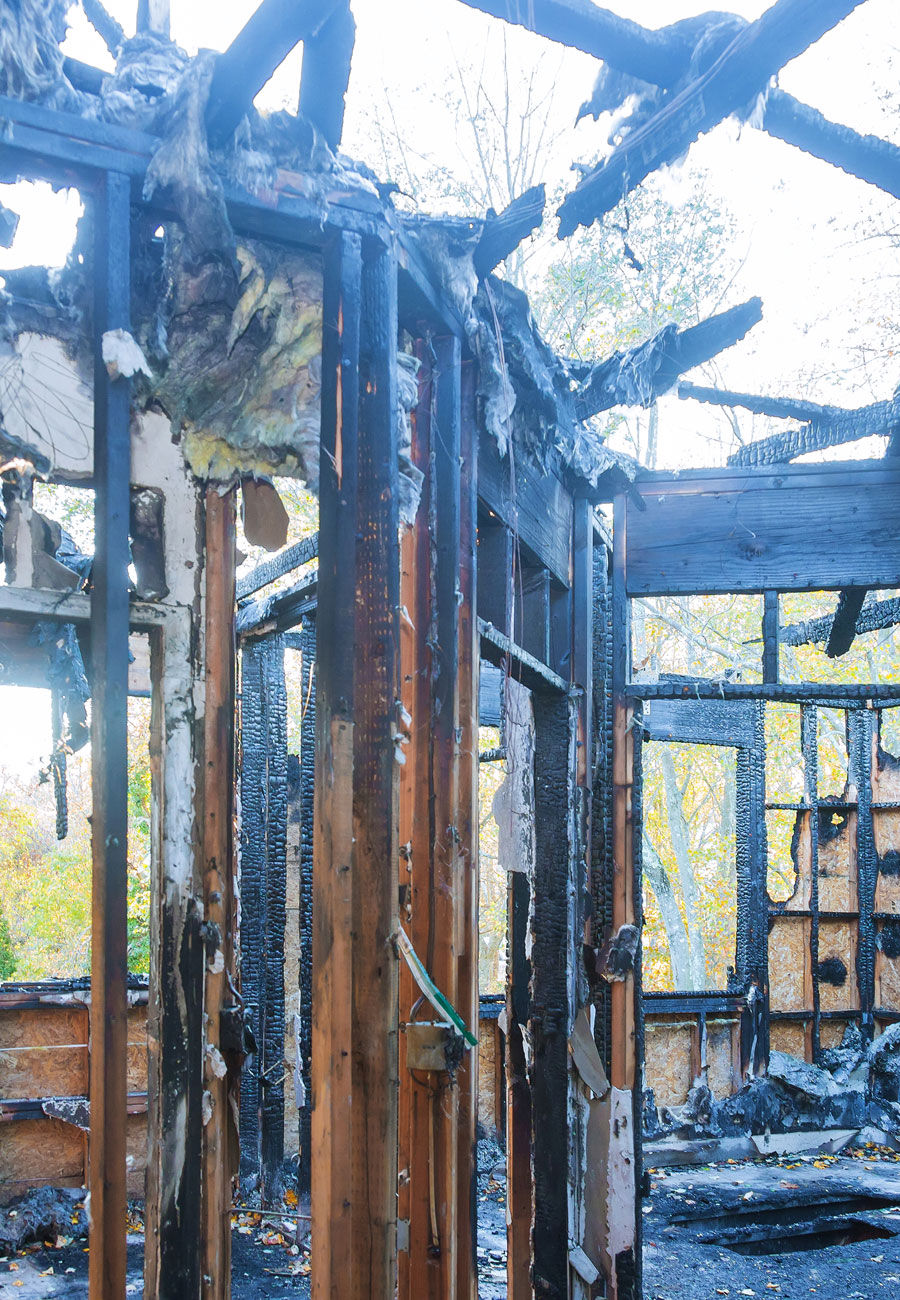
When a fire damages your home, you have the right to seek compensation for damage due to fire under your homeowners insurance policy. But many homeowners don’t realize how much that truly includes. This compensation is meant to cover more than just visible burns or broken structures; it includes all losses tied to the fire. That means damage to your home’s structure, personal belongings, furniture, and appliances, as well as smoke and water damage caused during firefighting efforts.
Depending on your policy terms, you may be entitled to:
- Repair or replacement costs for your home and personal property.
- Temporary housing expenses or Additional Living Expenses (ALE) if you can’t live in your home during repairs.
- Loss of income or business interruption for rental or commercial properties.
- Cleanup and restoration costs to remove debris and odor.
Knowing what’s covered helps you avoid settling for less than you deserve. Pandit Law helps homeowners uncover every eligible loss and pursue the full compensation needed to rebuild and recover.
Know Your Homeowners Policy and Coverage for Fire Damage Compensation
Before filing a claim for fire damage compensation, it’s essential to understand what your homeowners policy actually covers and where it may fall short. Each policy has its own coverage limits, exclusions, and conditions that directly impact how much you can recover. Reading the fine print carefully can save you from costly surprises later.
Understanding your policy is the first step toward securing fair compensation for damage due to fire. Many homeowners assume they’re fully covered, but key details often hide behind technical terms and clauses.
Key areas you should review in your policy include:
- Fire damage clause: Explains what types of losses are covered, typically including structural damage, personal property, and smoke or water damage.
- Coverage limits: Define the maximum payout your insurer will make for each category of loss.
- Deductibles: Outline the amount you must pay out of pocket before insurance coverage kicks in.
- Exclusions and Caps: Define restrictions or limitations on compensation for certain high-value items like jewelry, collectibles, or detached structures.
- Claim Conditions: Outline the conditions that must be met, including timely reporting, proof of loss, or specific documentation requirements, before the claim can be processed.
What Homeowners Should Expect for Fire Damage Compensation
When you file a claim, fire damage compensation you may be entitled to typically includes:
- Repairs or rebuilding costs for the home’s structure.
- Replacement of damaged items like furniture, appliances, or personal belongings.
- Cleanup and restoration expenses to remove smoke, debris, and water damage.
However, the final payout can vary depending on several factors, such as:
- Whether your policy covers replacement cost or actual cash value.
- The extent of the fire damage and the accuracy of your documentation.
- Your policy’s limits, exclusions, and deductibles.
Insurance companies rarely offer the full amount upfront. Negotiations backed by thorough documentation and expert insights are often essential to get the compensation you truly deserve. Pandit Law helps homeowners interpret complex policy language, identify coverage gaps, review offers, gather strong evidence, and advocate for the maximum compensation their policy allows.
Understand How a Fire Damage Claim is Calculated to Secure Maximum Compensation
Understanding how insurers calculate compensation for damage due to fire is key to ensuring you’re not shortchanged. Many homeowners assume the payout is based only on visible damage, but insurers actually weigh several variables, each affecting your final settlement. Knowing how these factors work helps you challenge low estimates and negotiate more confidently.
Here’s what typically influences your payout:
- Policy Type: Whether you have a Replacement Cost Value (RCV), Actual Cash Value (ACV), or Extended Replacement policy determines whether depreciation is deducted and affects how much is reimbursed.
- Extent of Damage: The more severe and widespread the structural, smoke, or water damage, the higher the potential claim value.
- Documentation Quality: Detailed photos, repair estimates, professional assessments, and receipts strengthen your case.
- Regional rebuilding costs: Local labor and material prices impact how insurers calculate repair expenses.
- Coverage limits and exclusions: Your policy’s maximum payout caps what you can recover.
Understanding these elements helps homeowners better evaluate insurer offers, spot and challenge unfair assessments, and push for fairer settlements.
Step-by-Step Claims Process for Fire Damage Compensation

After a devastating fire, filing an insurance claim can feel overwhelming. But it’s the most important step in rebuilding your home and recovering your losses. Understanding how to file a fire damage claim can be the difference between a smooth claim and one that gets delayed or underpaid.
The process involves more than just notifying your insurer; it requires careful documentation, communication, and follow-through to secure the compensation for fire damage you deserve. Here’s a quick overview of what the process typically looks like:
- Notify your insurer immediately. Call your insurer or agent as soon as possible to report the fire, initiate the claim process, and ask about next steps.
- Ensure safety and secure the property. Only perform temporary repairs (board up windows or tarp exposed areas) to prevent further damage and keep receipts.
- Document everything. Photograph and video all damage before performing any repairs. Create an itemized inventory of lost or damaged belongings with dates and estimated values.
- Keep records of all expenses. Save receipts for temporary housing, meals, emergency repairs, essentials you purchased, and any out-of-pocket costs tied to the fire.
- Schedule the adjuster’s inspection. Be present during inspections, point out hidden damage (smoke, water, wiring), and provide supporting documentation to ensure all damages are accounted for.
- Get repair estimates. Obtain multiple detailed repair and replacement quotes to compare with the insurer’s valuation.
- Review and negotiate the insurer’s offer. Don’t rush to accept the first offer; compare it to your evidence and push back if items are missing or undervalued.
- Seek professional help when needed. If you face delays, denials, or low offers, consult a fire damage lawyer to hold the insurance company accountable.
Following these steps ensures your claim is well-documented and supported from the start.
Understand the Role of a Fire Insurance Adjuster to Get the Desired Compensation
After a fire, one of the first people you’ll interact with from your insurance company is the fire insurance adjuster. Their assessment plays a crucial role in determining how much compensation for fire damage you ultimately receive.
A fire insurance adjuster typically:
- Inspects your home and notes visible and hidden damage after the fire.
- Reviews your policy coverage limits and exclusions.
- Collects supporting evidence like repair estimates, receipts, and photos.
- Submits a report to your insurer recommending a settlement amount.
While their evaluation shapes the outcome of your claim, it’s important to remember that the adjuster ultimately works for the insurer – not you. They aim to minimize the insurer’s liability, and their evaluation may not always reflect the full cost of your recovery. That’s why preparation and documentation are critical before and during their visit – and understanding how to deal with insurance adjusters after a house fire can help you protect your rights and ensure your claim is handled fairly.
Tips and Best Practices to Maximize Compensation for Fire Damage
Securing fair compensation for fire damage takes more than just submitting a claim. It requires careful documentation, persistence, and informed decision-making. Homeowners can strengthen their claims by following these best practices:
- Keep detailed records of everything related to the loss, including photos, receipts, contractor estimates, and all communication with your insurer.
- Get multiple repair estimates to compare costs and identify undervalued offers.
- Avoid accepting quick settlements before the full extent of damage and repair costs is assessed.
- Document all out-of-pocket expenses, including temporary housing, meals, and emergency repairs, as these may qualify for reimbursement.
- Follow up consistently with your insurance company to prevent unnecessary delays.
- Seek legal help if your claim is delayed, denied, or undervalued.
How an Attorney Can Help with Fire Damage Compensation
When fire damage turns your life upside down, dealing with insurance claims can feel overwhelming. An experienced Louisiana fire damage lawyer can make the process smoother and more effective by protecting your rights and ensuring your losses are fully evaluated.
A lawyer can:
- Review your insurance policy to identify coverage gaps or exclusions.
- Handle all communication and negotiations with the insurer.
- Challenge lowball offers or denied claims backed by evidence and expert assessments.
- Represent you in disputes or litigation if the insurer acts in bad faith.
Experienced fire damage attorneys at Pandit Law can help you review and understand your policy, negotiate on your behalf, and help you pursue the fair compensation you deserve. With their guidance, you can focus on rebuilding your home and life while they handle the complexities of your claim.
If you’re navigating a fire insurance claim in Texas, a Texas fire damage attorney can guide you through the process.
Conclusion
Recovering after a house fire takes strength, patience, and the right support. Securing fair compensation for fire damage starts with understanding your policy, documenting every loss, and filing your claim as early as possible to avoid delays or disputes. Preparation, persistence, and proper guidance can make all the difference between a minimal payout and a full recovery.
At Pandit Law, we understand that rebuilding after a fire isn’t just about repairing a house – it’s about reclaiming your peace of mind. If your insurer delays, denies, or undervalues your claim, don’t face it alone. Pandit Law’s experienced fire damage attorneys can help you navigate the process, negotiate fair settlements, and protect your rights every step of the way.
Contact Pandit Law today for a free claim evaluation.