
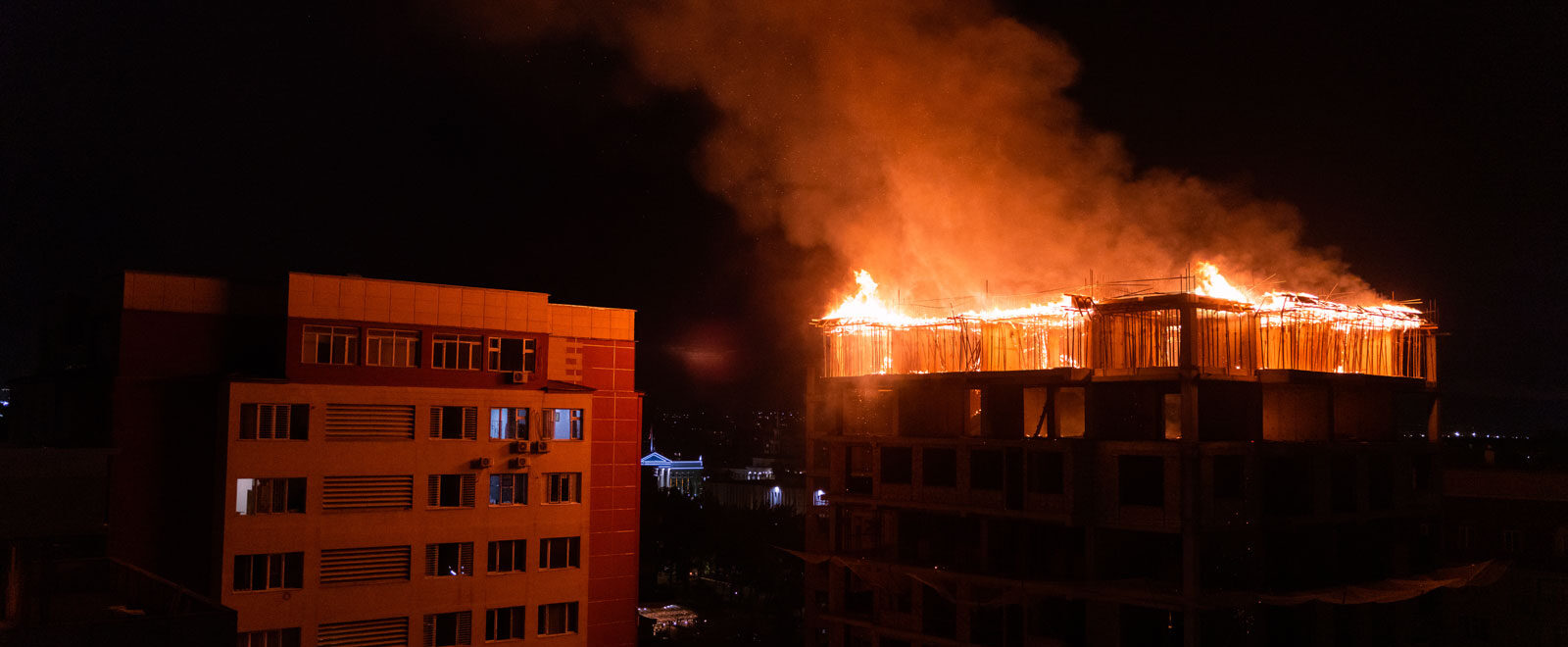
A condo fire can raise one urgent question almost immediately: who is actually responsible for the damage? Unlike a single-family home, a condo fire claim often involves two separate insurance policies working at the same time. The HOA’s master policy may cover parts of the building, while the unit owner’s HO6 policy typically applies to the interior and personal belongings.
Because coverage is divided, understanding policy responsibilities, coverage boundaries, and the proper order for filing claims is critical when a fire starts in your unit or spreads from a neighbor’s unit. Without that clarity, condo owners can face delays, coverage disputes, and insurers pointing fingers at each other when time matters most.
This blog explains how condo fire insurance works, who pays for what when a unit or neighboring unit burns, and how HOA and HO6 policies interact. It also covers liability issues, common disputes, and practical steps to help you protect your claim after a condo fire.
How Condo Fire Damage Claims Are Different from House Fire Claims
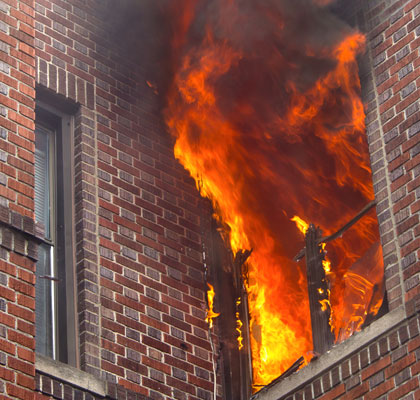
Condo fire damage claims work very differently from house fire claims because condo owners do not insure the entire structure. Instead, coverage is split between two policies. The HOA’s master policy typically insures the building and shared areas, while the unit owner’s HO6 policy focuses on the interior of the unit and personal belongings.
Responsibility for repairs depends heavily on the condominium’s bylaws and the exact language in each policy. Many disputes arise over where coverage begins and ends, especially when damage crosses those boundaries. Common distinctions include:
- Studs-out vs studs-in vs all-in coverage, which determines whether the HOA or the unit owner handles walls and structural components.
- Interior finishes versus common elements, such as cabinets, flooring, hallways, and shared systems.
- Personal property responsibility, which almost always falls on the unit owner.
Because of these layers, condo fire damage claims often involve more coordination, documentation, and negotiation than single-family home fire claims.
What Does Condo Fire Insurance Cover

Condo fire insurance coverage usually depends on how responsibility is divided between the homeowners association and the individual unit owner. In most cases, condo and HOA fire insurance work together, but they do not cover the same things. Understanding where one policy stops and the other begins can prevent confusion and costly disputes after a fire.
HOA Master Policy Typically Covers
The HOA’s master policy, often called HOA fire insurance, generally focuses on the structure and shared portions of the building. While coverage varies by association and policy type, it commonly includes:
- Structural damage to the building itself, including load-bearing walls and foundational components
- The roof, framing, and exterior walls affected by fire, heat, or firefighting efforts
- Common and shared areas such as hallways, stairwells, elevators, and shared mechanical rooms
- Fire suppression systems, including sprinklers, alarms, and other shared safety infrastructure
Depending on whether the policy is “studs-in”, “studs-out,” or “all in,” coverage may stop at unfinished walls or extend further. Condo bylaws usually clarify this boundary, but insurers often rely on the policy wording when disputes arise.
Unit Owner’s HO6 Policy Typically Covers
The unit owner’s HO6 policy fills the gaps left by the master policy. It generally applies to everything inside the unit that makes it livable, including:
- Interior finishes such as drywall, cabinets, flooring, countertops, and fixtures
- Personal property like furniture, clothing, electronics, and appliances
- Smoke damage inside the unit, including staining and odor issues
- Loss of use expenses, such as temporary housing if the unit is uninhabitable
- Personal liability if the unit owner’s actions caused or contributed to the fire
- Loss assessment coverage for shared HOA deductibles or fire-related special assessments
HO6 policies have coverage limits, deductibles, and exclusions that can significantly affect recovery. Underinsurance is common, especially when owners underestimate the cost of rebuilding interior finishes.
Fire, Smoke, Water, and Heat Damage in Condos Insurance: How Each Is Treated
Condo fires rarely cause just one type of damage. Insurers often evaluate each category separately:
- Fire and burn damage usually receives the most straightforward coverage.
- Smoke and soot damage can be disputed, especially if insurers argue the damage is cosmetic or excluded by policy language. HVAC contamination and persistent odors often become points of contention.
- Water damage from sprinklers or firefighting efforts may trigger separate policy provisions or exclusions.
- Heat damage to windows, doors, appliances, and nearby materials may not be immediately visible but can still impair functionality.
- Secondary mold risk can develop if water damage is not addressed promptly, creating additional coverage challenges.
Liability After a Condo Fire: Who Is Responsible?
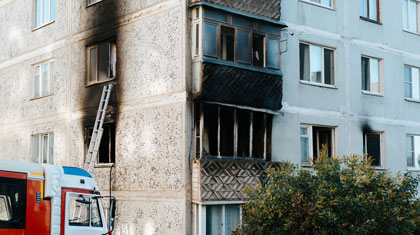
Liability after a condo fire often determines which insurance policy ultimately pays. Condo fire damage insurance disputes frequently arise when multiple parties share responsibility.
When the Condo Owner Is Liable
A condo owner may be responsible if their negligence caused the fire. For example, leaving a stove unattended or using faulty personal appliances can trigger liability claims from neighbors or the HOA.
When a Neighbor Is Liable
If a fire starts in a neighboring unit and spreads, that owner’s liability coverage may apply. For instance, an electrical fire caused by improper wiring inside another unit can shift responsibility to that owner’s insurer.
When the HOA Is Liable
The HOA may bear responsibility if the fire resulted from poorly maintained common elements, such as shared electrical systems or neglected fire safety equipment. In those cases, the master policy often becomes central to the claim.
What to Do After a Condo Fire? Filing a Condo Fire Damage Claim
Filing a condo fire damage claim requires careful coordination and documentation. Taking the right steps early can help protect your rights and avoid unnecessary delays.
Once everyone is safe and authorities have allowed access to the unit:
- Notify the HOA immediately and request a copy of the master policy and bylaws.
- File a claim under your HO6 condo insurance as soon as possible.
- Document all interior and personal property damage with photos, videos, and inventories.
- Obtain fire department and incident reports to support the claim.
- Take reasonable steps to prevent further damage, such as drying wet areas.
- Track temporary living expenses if you need alternative housing.
- Avoid permanent repairs before full documentation and insurer inspection.
- Review and negotiate settlement offers carefully.
- Consult a fire damage claim lawyer if coverage disputes, delays, or underpayments arise.
These steps help preserve evidence, clarify coverage, and strengthen your position throughout the claims process.
Common Condo Fire Claim Disputes
Condo fire claims often trigger disputes because multiple policies, parties, and responsibilities overlap. These issues can slow down or reduce a condo fire damage insurance claim if they are not addressed early.
Common disputes in condo fire damage claims include:
- HOA and HO6 Insurers Blaming Each Other: Each insurer may argue the damage falls outside its coverage, leaving the unit owner stuck in the middle.
- Deductible Disputes: Some HOA master policies carry high deductibles that owners may be asked to cover, even when they did not cause the fire.
- Coverage Denial Based on Policy Wording: Small differences in definitions, exclusions, or endorsements can lead to partial or full denials.
- Smoke Damage Denial: Insurers sometimes downplay smoke and odor damage, calling it cosmetic despite lingering contamination or health concerns.
- Master Policy Coverage Gaps: Certain structural or system-related damages may fall in the coverage gap between the HOA policy and the HO6 policy.
- Uninsured or Underinsured Unit Owner: If a neighbor caused the fire but lacks adequate coverage, recovering losses can become more complicated.
- Special HOA Assessments: After major fire losses, HOAs may pass repair costs to unit owners through special assessments.
These disputes are common in condo fire cases and often require careful policy review, legal guidance, and negotiation to resolve.
When to Hire a Condo Fire Insurance Claim Lawyer

Some condo fire claims resolve smoothly, but others raise red flags that signal the need for legal guidance. Speaking with a Louisiana fire insurance claim lawyer early can help prevent costly mistakes and protect your claim
You may want to consult a condo fire insurance claim lawyer if:
- Your claim is denied, delayed, or underpaid.
- The HOA and insurers disagree about who should cover the damage.
- The fire caused significant structural damage or widespread smoke issues.
- Subrogation disputes arise between insurers after the loss.
- Neighbors or the HOA assert liability claims against you.
- High deductibles or special assessments create unexpected financial pressure.
Legal guidance can help clarify responsibilities, challenge improper denials, and navigate complex coverage disputes without unnecessary escalation.
If your property is located in Texas, our experienced Texas fire damage attorney can help you pursue maximum compensation.
Conclusion
Condo fire claims often require careful coordination between two separate insurance policies, not just one. Understanding how the HOA’s master policy and your HO6 coverage work together can make a real difference in how smoothly a claim moves forward. Liability questions and subrogation between insurers can also affect who ultimately pays.
When coverage boundaries are unclear or disputes arise, legal guidance can help prevent costly mistakes and delays. If you are facing uncertainty after a condo fire, request a free claim evaluation with Pandit Law to better understand your options and next steps.
Frequently Asked Questions
Yes. While the HOA insures parts of the building, a condo owner still needs an HO6 policy. That policy typically covers interior finishes, personal belongings, loss of use, and liability. Without it, you may have no coverage for damage inside your unit or temporary living expenses after a fire.
You may be able to pursue legal action if another party’s negligence caused the fire. This could include a neighbor, a contractor, or even the HOA in certain situations. Lawsuits often arise alongside insurance claims, especially when liability or coverage disputes prevent full recovery.
You should notify your insurer as soon as possible after a fire. Most policies require prompt notice, even if damage details are still emerging. Early reporting helps preserve evidence, avoids policy compliance issues, and allows inspections to take place before repairs begin.
Subrogation allows an insurer that paid a claim to seek reimbursement from the party responsible for the loss. In condo fires, this often happens between HOA and HO6 insurers or against a negligent unit owner. Subrogation can affect timelines and settlements, even if you are not directly involved.