
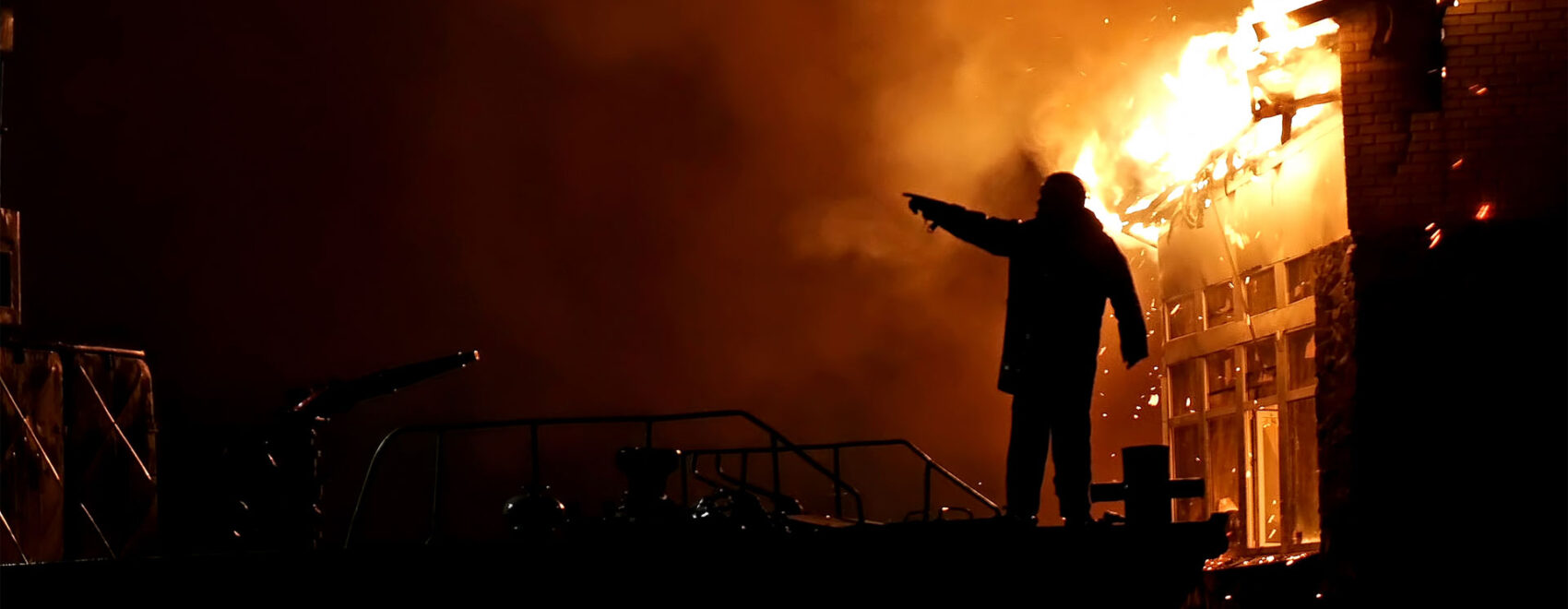
Fire can spread in seconds, and when it does, the damage doesn’t just stop at what’s visibly burned. The financial fallout can be staggering. Across the United States,fire-related property damage costs over $15 billion each year. States like Louisiana and Texas, where storms, aging electrical systems, and high humidity can worsen fire risks, routinely see thousands of residential and commercial fire claims annually.
Understanding fire legal liability is crucial because not every fire is covered the same way, and not every loss is automatically paid for by insurance. Depending on the situation, you could be held financially responsible for damages, even if the fire wasn’t intentional.
This article explains what fire legal liability means and who needs fire legal liability coverage. It also discusses when someone can be legally responsible for fire damage, what typical policies include or exclude, and how you can strengthen your protection and respond effectively after a fire.
What Is Fire Legal Liability?
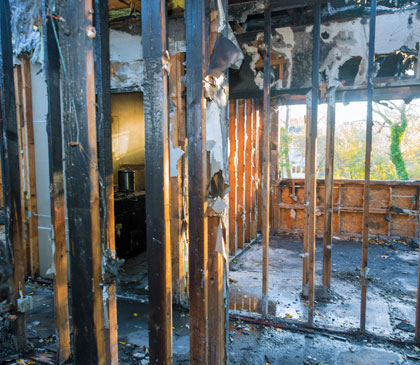
Fire legal liability refers to the responsibility someone may have when a fire damages property they do not own, particularly property they lease, rent, or temporarily control. In these cases, the person or business occupying the space can be held legally and financially responsible for the damage.
This type of protection, often called fire damage legal liability coverage, is usually included as a part of a Commercial General Liability (CGL) policy or a renters/business insurance policy. It’s designed to pay for fire damage to property you are legally responsible for, helping to limit your financial exposure if a fire occurs.
However, it’s different from standard liability insurance. A general liability policy might cover injury or accidental damage to others, but fire legal liability deals specifically with damage from fire to property you use but do not own.
Key Components of Fire Damage Legal Liability
Several key aspects impact this kind of coverage, including:
- Basic Liability Limit: Many commercial liability policies include a standard $100,000 fire damage legal liability limit for rented or leased premises. For large structures or commercial facilities, this amount is often not enough.
- Negligence Requirements: To trigger coverage, there typically must be proof that the fire resulted from negligence, such as failing to maintain equipment, ignoring safety hazards, or mishandling heat sources.
- Policy Exclusions: Some policies exclude certain causes of fire, including electrical faults or equipment failures, unless specifically added back through endorsements.
- Property Insurance Interaction: Fire legal liability complements broader insurance packages but does not replace full property insurance or contents coverage.
It is important to consider that in serious fire events, $100,000 barely scratches the surface, making it critical to review coverage limits before a loss occurs.
Examples of Fire Legal Liability Insurance in Action
Seeing how fire legal liability insurance applies in real situations helps make the concept more concrete:
Tenant-Caused Kitchen Fire
A tenant leaves a pot of oil heating on the stove and steps out “for just a minute.” The oil ignites, the cabinets catch fire, and smoke spreads throughout the unit and into the hallway. In this case, the tenant’s renter’s policy with fire legal liability coverage may pay for the landlord’s repair costs.
Restaurant Grease Fire
Grease buildup in a restaurant’s kitchen hood system gradually accumulates when cleaning schedules are pushed back during busy seasons. Eventually, high heat ignites the grease, causing the fire to climb into the exhaust duct and damage multiple parts of the building. The restaurant could be liable because the maintenance failure was preventable.
Space Heater Damage in a Rental Home
A renter uses a portable space heater to warm a bedroom during a cold spell. The heater is placed too close to the bedding, which catches fire during the night. Flames damage the bedroom and cause smoke damage throughout the unit.
Industrial Warehouse Machinery Fire
A manufacturing business operating in a leased warehouse fails to replace worn insulation on machinery wiring. The wiring shorts, sparks, and ignites nearby packaging materials, resulting in a fire that spreads across the facility floor. Fire legal liability insurance may apply, but if the insurer determines the neglect was severe, coverage disputes can arise.
These examples illustrate a few consistent principles:
- Liability depends on who had control over the space or equipment.
- Fires caused by preventable hazards often place responsibility on the tenant or occupant.
- Insurance may help, but coverage depends on maintenance, documentation, and specific policy terms.
Who Needs Fire Legal Liability Coverage?

Fire legal liability coverage is essential for anyone who could be held responsible for fire damage to property they do not own. Whether you’re a property owner, tenant, or business operator, this coverage helps protect you from costly repairs and legal expenses that can arise after a fire.
Property Owners and Landlords
Landlords need fire legal liability coverage to protect against:
- Damage caused by tenants’ negligence.
- Failures in shared building systems, such as electrical or HVAC systems.
- Liability disputes between the tenant and insurance carriers.
If a landlord fails to maintain smoke alarms, electrical systems, or escape routes, they may also share liability for resulting fire damage. Having the right coverage ensures they’re not solely burdened with these costs.
Tenants and Renters
Tenants are often surprised to learn they can be held financially responsible for fires that occur in their unit, even if the fire spreads beyond it.
Lease agreements frequently state:
- The tenant is responsible for damage caused by negligence.
- The landlord’s insurance can pursue reimbursement from tenants through subrogation.
This makes having your own fire legal liability coverage essential. Without it, tenants could face significant out-of-pocket expenses for damage to a property they don’t own.
Business Operators
Businesses that operate in leased or shared commercial spaces face distinct liability risks because they do not own the building but still control daily activities within it. A single accidental fire can halt operations, damage valuable equipment, and lead to conflicts with the property owner over responsibility for repairs.
For example, if a retail shop overloads electrical outlets to run displays, or a salon uses heat tools near flammable cleaning supplies, a fire could occur due to everyday business activities. In these situations, fire legal liability coverage helps protect the business from having to pay out-of-pocket for damage to the landlord’s property.
High-Risk Industries
Certain industries face inherently greater fire exposure due to the materials, heat sources, or production processes they use. In these environments, fire is a known operational hazard that must be managed proactively.
For example:
- Commercial kitchens routinely deal with open flames, hot oil, and ventilation systems that accumulate grease. National data shows that thousands of restaurant kitchen fires occur each year, many of which result in structural damage.
- Manufacturing and warehouse facilities often store large quantities of raw materials, packaging, finished goods, or chemicals. A small spark or equipment malfunction in these settings can cause extensive property loss, not just from fire but also from smoke, soot, and water damage from suppression systems.
Because the scale of potential damage is significantly higher in these industries, reviewing and adjusting fire legal liability limits regularly becomes part of responsible risk management.
What Does Fire Legal Liability Coverage Include?
Fire legal liability coverage typically pays for damage to buildings or spaces you don’t own but are responsible for. It can also cover legal defense if claims are disputed. Understanding what’s included helps ensure you’re adequately protected when it matters most.
Property Damage Coverage
This part of the policy covers costs to repair or restore damaged structures after a fire, including:
- Structural repairs, such as walls, ceilings, and floors.
- Attached fixtures and built-in systems like HVAC or electrical wiring.
- Smoke, soot, and water damage remediation following fire suppression efforts.
These help restore the property and limit financial strain when the damage extends beyond visible fire loss.
Legal Defense Coverage
If fire damage leads to a lawsuit, the policy may also cover essential legal expenses, such as:
- Attorney fees
- Expert inspections
- Court costs and filing fees
- Settlement or judgment amounts (within policy limits)
Legal defense alone can cost tens of thousands of dollars, often more than the actual property repairs, making this part of the policy especially valuable.
Fire Legal Liability Limits
Most CGL policies start with a $100,000 fire legal liability limit, but:
- Large buildings or commercial settings may require limits of $500,000 to $1 million or more.
- Coverage levels should be based on property replacement cost, not perceived risk.
A low policy limit can leave you personally responsible for covering the difference after a major fire. Reviewing your policy regularly ensures your coverage aligns with the property’s true value and your exposure level.
Common Exclusions in Fire Legal Liability Policies
Even with comprehensive fire and liability insurance, not every fire-related loss is covered. Understanding policy exclusions is crucial; it helps prevent unpleasant surprises later and ensures you know where additional protection might be needed.
Intentional Acts and Criminal Activity
If an individual intentionally sets the fire, coverage will not apply. Intentional or criminal actions fall outside the scope of coverage because insurance is designed to address accidents, not deliberate acts.
Wear and Tear
Slow deterioration – such as faulty wiring ignored over time – may not be covered if the insurer determines the issue should have been repaired before the fire occurred. Regular maintenance and inspections are critical to maintaining eligibility for coverage.
Building Code Violations
If fire damage results from violations of building or safety codes, coverage can be reduced or denied entirely. Common examples include:
- Disabled sprinkler systems
- Blocked fire exits
- Uninspected electrical systems
Noncompliance with fire codes not only increases risk but can also give insurers grounds to dispute or deny a claim.
Other Common Exclusions
Some policies also exclude:
- Explosions unrelated to the fire’s ignition source.
- Damage to the policyholder’s own property (this requires a property or contents insurance policy).
These exclusions highlight the importance of reviewing your coverage to ensure it matches your operational and ownership risks.
Does Fire Insurance Cover Negligence?
Negligence is central to determining liability and whether your policy will respond to a claim.
Proving negligence involves establishing:
- Duty of Care: The person had a legal responsibility to maintain safe conditions.
- Breach of Duty: They failed to uphold that responsibility.
- Causation: This failure led directly to the fire.
- Damages: The fire caused measurable loss or property damage.
For example, ignoring a known faulty outlet that later sparks a fire could meet all four criteria.
However, coverage varies depending on the degree of negligence involved:
- Ordinary negligence is often covered under fire legal liability insurance.
- Gross negligence (knowingly ignoring a severe fire hazard) may be excluded.
Fire Legal Liability for Businesses vs. Rented Premises
The financial impact of fire damage can vary widely depending on whether the property is commercial or residential. Understanding these differences helps business owners and tenants ensure their coverage matches their level of exposure.
Commercial Property Considerations
Businesses face broader and often more complex risks when it comes to fire-related liability. In addition to direct property damage, a single fire event can cause:
- Loss of inventory and valuable equipment.
- Business interruption, halting operations and revenue.
- Liability exposure to neighboring tenants or properties.
Because the financial stakes are higher, business owners should review policy terms closely and confirm that their fire legal liability coverage includes sufficient limits and protection for business-related losses.
Residential Rental Considerations
In residential scenarios, lease agreements often assign responsibility to tenants for damage caused within their unit. However, landlords may still be responsible, especially if they failed to maintain major systems, such as wiring, smoke alarms, or heating equipment.
Both parties should understand their respective responsibilities and ensure their insurance coverage properly aligns with those obligations.
How to Enhance Your Fire Legal Liability Coverage
Enhancing your coverage can reduce financial exposure and strengthen your ability to recover after a fire. Reviewing your limits, adding supplementary policies, and implementing prevention measures can make a significant difference in both protection and cost savings.
Increasing Policy Limits
If the space you occupy has high replacement value, upgrading coverage is critical. A standard $100,000 limit may not be enough to cover structural or legal costs in a major fire. Evaluating the replacement cost of the property and potential loss scenarios helps determine the right level of protection.
Additional Coverage Forms
You can supplement fire legal liability insurance with additional policies to create broader protection, including:
- Business interruption insurance to cover income lost during repairs.
- Contents replacement coverage to cover personal property, furniture, or business equipment destroyed in the fire.
- Equipment breakdown endorsements to cover fires resulting from mechanical or electrical failures.
These additions help fill coverage gaps and prevent unexpected financial strain after a fire.
Risk Mitigation Strategies
Taking preventive steps not only reduces fire risk but can also help lower your insurance premiums. Effective strategies include:
- Regularly maintaining electrical and HVAC systems.
- Installing and testing fire alarms, smoke detectors, and extinguishers.
- Training staff or family members on fire safety procedures.
Consistent fire prevention efforts demonstrate responsibility and may even strengthen your case if a claim arises.
Steps to Take After a Fire Incident
After a fire, taking the right steps quickly can protect both your safety and your insurance claim.
- Contact your insurance company as soon as possible to report the incident.
- Document all damage with clear photos and videos before cleanup begins.
- Make temporary repairs to prevent additional loss, such as covering exposed areas or securing the property.
- Track all expenses, especially relocation costs or business downtime.
- Consult a fire damage attorney if your claim is delayed, denied, or undervalued.
Prompt and thorough action not only supports your recovery but also strengthens your position during the claims process.
How an Attorney Can Help with Fire Insurance Claims
Dealing with fire insurance claims can be complex, especially when insurers dispute liability or coverage. A skilled Louisiana fire insurance claim lawyer can help you:
- Review policy language to clarify coverage and identify exclusions.
- Challenge denied or underpaid claims to help secure the compensation you deserve.
- Negotiate directly with insurers to streamline resolution.
- Represent you in disputes or litigation if negotiations fail.
Pandit Law has extensive experience handling fire-related insurance claims across Louisiana, Texas, and the Gulf Coast, helping property owners recover fair settlements and rebuild with confidence.
If you’re navigating a fire insurance claim in Texas, a Texas fire insurance claim attorney can guide you through the process.
Conclusion
Understanding fire legal liability is essential for anyone who owns, leases, or operates property. The financial impact of fire damage can be significant, but the right coverage and guidance can make the difference between a manageable recovery and an overwhelming loss.
Pandit Law helps homeowners, renters, and business owners pursue fair claim outcomes and protect their rights every step of the way.
Contact Pandit Law today for a free fire claim evaluation and take the first step toward securing the compensation you deserve.
Frequently Asked Questions
Responsibility depends on the cause of the fire, the lease terms, and maintenance conditions. Tenants are typically liable for negligence within their unit, while landlords may share responsibility if safety systems were not properly maintained.
Often yes, but only up to the fire damage legal liability limit unless the policy has been extended or endorsed for higher coverage.
General liability insurance covers bodily injury or accidental property damage caused to others. Fire legal liability specifically covers fire damage to property you use but don’t own.
You should carry enough to cover the full cost of rebuilding or repairing the structure, which is often more than the default $100,000 limit included in many policies.
Yes, you can still be held liable if conditions under your control, such as faulty wiring, poor maintenance, or blocked exits, contributed to the spread or severity.
Industries with higher fire risks, such as restaurants, manufacturers, repair shops, and any business operating in leased commercial property, benefit most from legal liability coverage.