
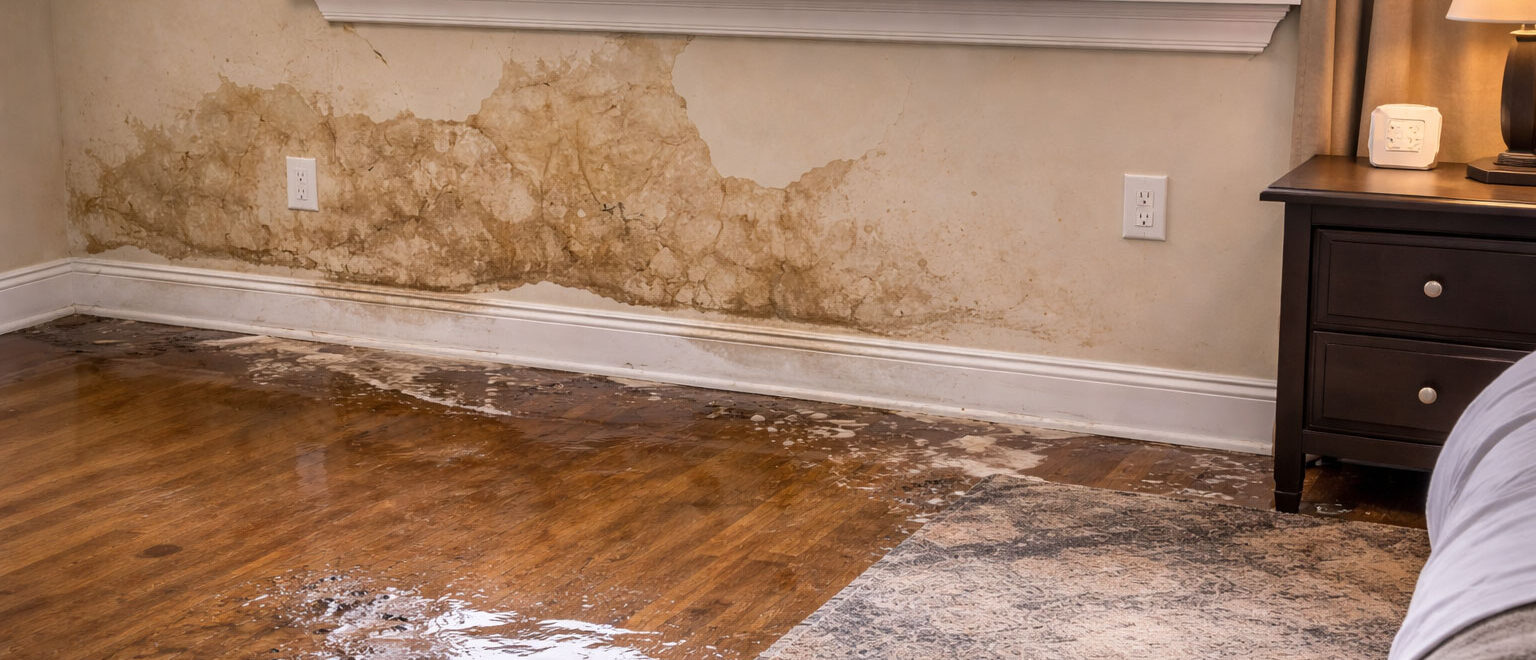
Water damage is one of the most frequent and confusing issues homeowners face when filing an insurance claim. Whether it’s a burst pipe, storm-driven rain, or appliance leak, understanding water damage homeowner insurance coverage comes down to how the water entered your home and what your policy actually protects.
Across the U.S., roughly 1 in 67 insured homes files a water or freezing-related claim each year, making it one of the most common property-insurance claims in the country. In Texas and Louisiana, where severe weather, aging plumbing, and heavy storms are common, clarifying what your policy covers before disaster strikes can make all the difference. This guide breaks down what homeowners insurance typically covers, what it often excludes, and how water damage claims are handled in these high-risk states.
What Is Considered Water Damage Under a Homeowners Insurance Policy?
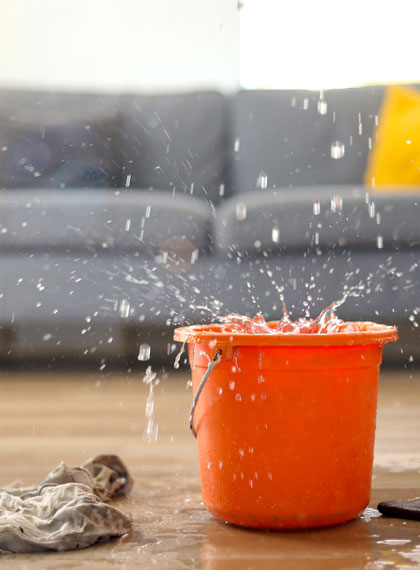
Under a homeowners insurance policy, water damage typically refers to damage caused by water entering your home in places it shouldn’t be. This can include damage from leaking pipes, overflowing fixtures, or water entering living spaces and damaging the structure or personal belongings. However, water damage coverage is not automatic. Insurance companies look closely at how and where the water originated before deciding whether a claim qualifies for coverage.
Water damage can impact a home in several ways, including:
- Structural damage to walls, ceilings, flooring, and foundations
- Damage to personal property such as furniture, electronics, and clothing
- Mold growth resulting from moisture that is not quickly addressed
- Electrical issues caused by water reaching wiring, outlets, or appliances
The key question for homeowners is whether the damage to their home falls under a standard homeowners insurance policy or into common exclusions. That answer often depends on the specific cause of the water damage, which requires a closer look at what types of losses are typically covered.
Types of Water Damage Typically Covered by Homeowners Insurance
Most homeowners insurance policies provide water damage insurance coverage when the loss is sudden, accidental, and originates from inside the home. Insurers focus less on the amount of damage and more on how it occurred. When the incident is unexpected and not tied to long-term neglect or maintenance issues, coverage often applies.
Here are some common scenarios where homeowners insurance coverage may apply:
Sudden and Accidental Plumbing Leaks
Insurance policies commonly cover water damage caused by unexpected plumbing failures. These events happen without warning, not the result of gradual wear that went unaddressed, and typically include:
- Burst pipes caused by pressure changes or freezing
- Broken plumbing lines inside walls or under floors
- Sudden hose or connector failures linked to sinks, toilets, or appliances
In these situations, insurers often cover the resulting damage to walls, flooring, and personal property, even though they may not cover replacing the faulty pipe itself.
Water Damage Caused by Appliance Malfunctions

Water damage from household appliances is generally covered when the malfunction occurs suddenly. When a line or internal component failure in appliances like dishwashers, washing machines, refrigerators, and air conditioners leads to water entering unexpected places, homeowners insurance often covers the resulting damage. However, coverage usually applies to the damage caused by escaping water, not the cost to repair or replace the appliance.
Rainwater Damage Due to Storm-Related Openings
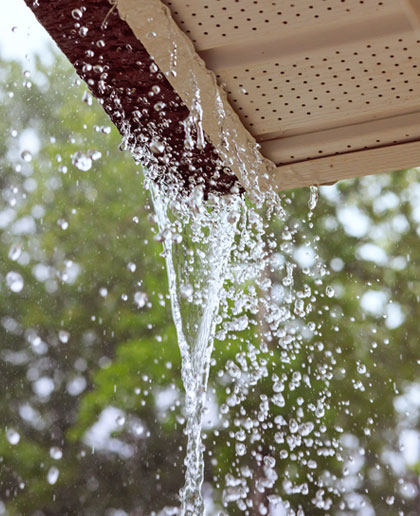
Rain-related water damage may be covered when a covered storm event creates an opening in the home. For example, wind or hail damage to a roof, window, or wall can allow rainwater inside, resulting in water damage. The presence of rain alone does not determine coverage; the key factor is whether a covered peril caused the opening. This distinction often matters after hurricanes and severe storms in Texas and Louisiana.
Accidental Overflows Inside the Home
Sudden and accidental overflows inside the home may qualify for coverage. This may include toilet overflows or bathroom flooding caused by a sudden blockage or plumbing failure. However, coverage applies only to incidents that are not tied to ongoing clogs, poor maintenance, or neglect.
Emergency Mitigation and Temporary Repairs
Homeowners insurance often covers reasonable steps taken to limit further damage after a water loss. This includes:
- Water extraction, drying, and dehumidification
- Temporary repairs to prevent additional water intrusion
Insurers often expect homeowners to take proactive steps to limit water damage. Acting quickly can help protect both the property and the integrity of the insurance claim.
Types of Water Damage Usually NOT Covered by Homeowners Insurance
While homeowners insurance may help in certain situations, many types of water damage fall outside standard water damage insurance coverage, even when the damage is extensive. These exclusions often catch homeowners off guard because the damage feels sudden or severe, but insurers focus on the source of the water and whether the loss fits within policy definitions. Understanding these common exclusions can help homeowners avoid costly surprises.
Flooding and Surface Water
Standard homeowners insurance policies typically exclude damage caused by flooding and surface water. This includes:
- Rising water from heavy rainfall
- Storm surge during hurricanes
- Overflow from rivers, lakes, or nearby bodies of water
Even when flooding causes severe interior damage, coverage usually requires a separate flood insurance policy. This distinction is especially important in flood-prone areas of Texas and Louisiana.
Gradual Leaks and Long-Term Water Damage
Damage caused by slow or ongoing leaks is generally not covered under standard homeowners insurance coverage. This may include:
- Hidden pipe leaks behind walls
- Moisture buildup under floors or cabinets over time
- Damage resulting from worn seals or aging plumbing
Insurance companies often view these issues as maintenance-related rather than accidental, placing responsibility for repairs on the homeowner.
Sewer Backups and Drain Overflows
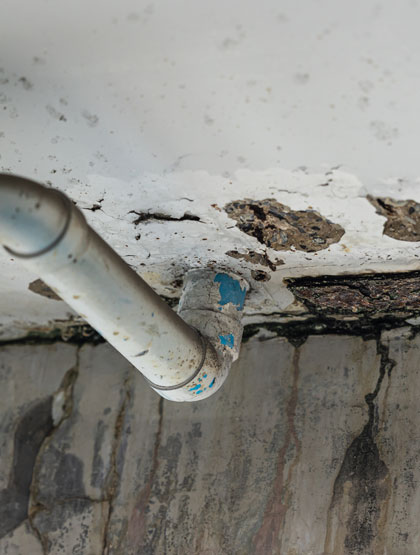
Water damage from sewer line backups or drain overflows is usually excluded under a standard policy. This can include situations like:
- Sewage backing up into the home
- Sump pump failures during heavy rainfall
In many cases, coverage applies only if the homeowner has purchased a specific endorsement or rider that adds protection for sewer or drain backup losses.
Mold and Mildew Damage
Mold and mildew damage is commonly excluded from homeowners insurance policies, especially when it develops over time due to ongoing moisture or delayed repairs. Insurers often deny these claims by classifying mold as a maintenance issue rather than a sudden loss.
In limited situations, coverage may apply when mold results directly from a covered water event, but even then, policies often include strict limits or specific exclusions that can significantly restrict what the insurer will pay.
Water Damage Insurance Coverage in Texas and Louisiana
For homeowners in Texas and Louisiana, water damage claims often involve added challenges due to weather risks like hurricanes, flooding, and freezes, along with stricter insurer scrutiny, making coverage especially complex.
Water Damage Coverage in Louisiana
Louisiana homeowners face a higher risk of water-related losses due to frequent storms, hurricanes, and low-lying geography. While standard homeowners policies may offer water damage insurance coverage for sudden, accidental losses inside the home, many water-related events fall outside basic protection.
Key considerations Louisiana homeowners should be aware of include:
- Flooding and storm surge damage typically require a separate flood insurance policy.
- Hurricane-related water damage may be covered only when wind or another covered peril creates an opening that allows water inside.
- Many policies apply named storm or hurricane deductibles, which can significantly increase out-of-pocket costs.
- Common coverage gaps involve surface water intrusion, gradual leaks, and mold limitations.
High-risk areas such as coastal parishes, New Orleans, Baton Rouge, and regions impacted by hurricanes like Katrina, Ida, and Laura often see water damage claims denied when flood exclusions apply.
Water Damage Coverage in Texas
In Texas, water damage claims often receive close scrutiny, particularly around how the damage developed. Insurers generally distinguish sharply between sudden events and gradual issues when evaluating water damage coverage.
Texas homeowners often need to consider factors like:
- Freeze-related pipe bursts, which may be covered if homeowners took reasonable steps to maintain heat.
- Denials tied to slow leaks or long-term moisture that insurers classify as maintenance issues.
- Flood damage exclusions that require separate flood insurance, especially in coastal and low-lying areas.
- Fast claim timelines and detailed insurer investigations following storms or widespread freeze events.
High-risk areas such as Houston, the Gulf Coast, and flood-prone inland regions frequently face coverage disputes tied to flood exclusions and causation questions.
What Homeowners Should Do After Water Damage Occurs
After water damage, the first steps you take can affect both the extent of the damage and how your insurance claim unfolds. Acting quickly helps protect your home and reduces the risk of disputes later.
Start by focusing on these immediate actions:
- Stop the source of the water, if it is safe to do so, to prevent further damage.
- Take photos and videos of all visible damage before cleanup or repairs begin.
- Remove standing water and take reasonable steps to dry the area to limit additional harm.
- Avoid permanent repairs until your insurance company has had a chance to document the loss.
Once the situation is under control, notify your insurance company as soon as possible. Prompt reporting helps preserve your rights under the policy and avoids questions about delays or worsening damage.
For a detailed, step-by-step explanation of what comes next, including how to file a claim, what documentation insurers typically require, and how the claims process works in Texas and Louisiana, refer to Pandit Law’s comprehensive guide on water damage insurance claims.
How a Lawyer Can Help When Water Damage Coverage Is Unclear

It may be time to involve a water damage insurance lawyer when a claim stalls, coverage explanations feel unclear, or the insurer disputes the cause or scope of the damage. Many homeowners accept reduced payments or claim denials simply because they are unsure what their policy actually covers or how to challenge the insurer’s position.
Legal guidance can help level the playing field by:
- Reviewing the policy language to clarify what should be covered and what exclusions truly apply.
- Identifying whether the insurer’s denial or partial payment aligns with policy terms and state insurance laws.
- Gathering documentation and expert support to strengthen the claim.
- Communicating directly with the insurance company to address delays or disputes.
- Protecting the homeowner’s rights when claim handling appears unfair or inconsistent.
Having an experienced advocate can help ensure the claim is evaluated fully and fairly at every stage.
Conclusion
Water damage insurance claims often come down to details that are easy to overlook. Coverage depends on how the damage occurred, the policy language, and how the claim is handled from the start. Homeowners should review their insurance policies carefully and avoid assuming that all water damage is covered.
When a claim is denied, delayed, or underpaid, homeowners still have options to recover what their policy allows. Schedule a free claim evaluation with Pandit Law to understand your policy and coverage details, identify next steps, and decide how to move forward with confidence.
Frequently Asked Questions
Homeowners insurance may cover basement water damage when it results from a sudden, accidental event inside the home, such as a burst pipe or appliance failure. Damage caused by flooding, groundwater seepage, or long-term moisture issues is usually excluded unless separate flood coverage applies.
Groundwater damage is typically not covered under a standard homeowners insurance policy. This includes water that seeps into the home from the ground due to heavy rain or rising water tables. Coverage generally requires a separate flood insurance policy.
Water damage from sump pump failure is usually excluded unless the homeowner has purchased a specific endorsement or rider. Without that added coverage, insurers often deny claims related to basement flooding caused by pump malfunctions or power outages.
Interior water damage resulting from a sudden and accidental event, such as a plumbing failure or appliance leak, is often covered. Damage tied to gradual leaks, poor maintenance, or excluded causes like flooding is typically excluded.
Standard homeowners insurance may cover water damage to floors when the damage results from a covered water event, such as a burst pipe. Coverage may vary depending on the flooring type, depreciation, and whether the water damage developed suddenly or over time.
Water damage to siding may be covered if it results from a covered peril, such as wind-driven rain entering through storm-related damage. Damage caused by long-term exposure, poor drainage, or flooding is usually excluded from standard coverage.