
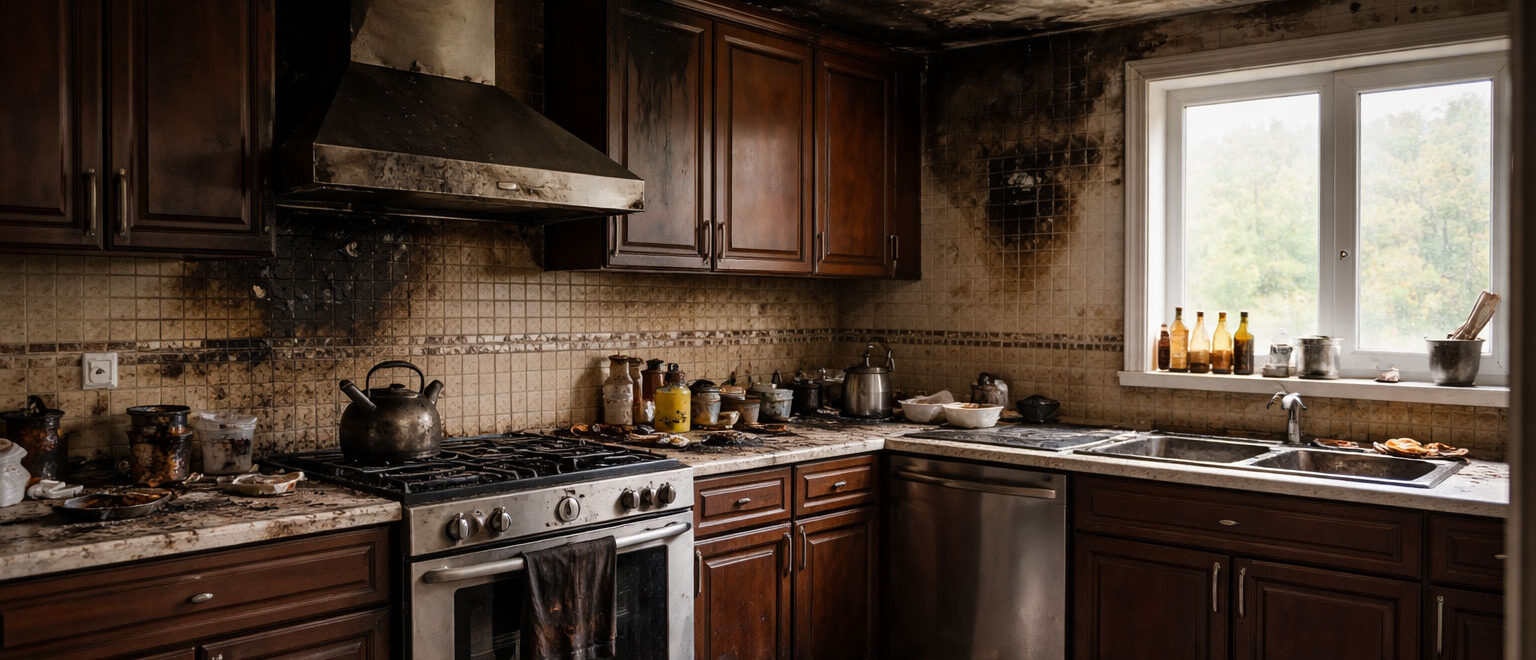
Kitchen fires are one of the most common causes of residential fire losses in the United States, and they are often among the most emotionally jarring. The kitchen is the heart of the home and is packed with appliances. When a fire starts there, even a small one, the damage rarely stays contained to a single appliance or cabinet. Smoke travels. Water spreads. Systems get compromised. What looks minor at first often turns into a far more complex insurance claim.
In the midst of that chaos, it can be reassuring to learn that most kitchen fire damage is covered under homeowners insurance. However, many homeowners quickly discover that kitchen fire insurance claims are frequently disputed, underpaid, or narrowed far beyond the true scope of loss. Coverage depends on how the fire started, how the damage is documented, and how the insurer classifies what happened.
If you’re dealing with kitchen fire damage, understanding how insurers evaluate these claims and where disputes arise can make a critical difference in your outcome.
How Kitchen Fires Start, What They Damage, and How Insurance Responds
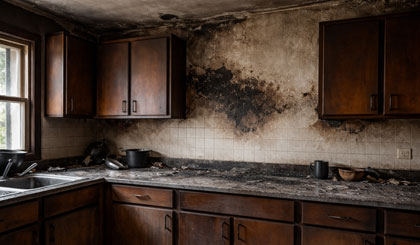
The cause of a kitchen fire is not just a technical detail. It directly affects how insurers investigate the claim, the level of scrutiny they apply, and how they value the resulting damage.
Common Causes of Kitchen Fires
Most kitchen fires are accidental, but insurers still analyze the cause carefully when evaluating coverage. Common causes include:
- Grease Fires: These typically begin when cooking oils or degraded grease buildup are heated beyond their smoke point, allowing vapors to ignite rapidly. Insurers often examine whether the fire spread was sudden and unavoidable or tied to unsafe cooking practices, which can affect how the loss is classified and valued.
- Electrical Fires: Often originating behind walls or inside cabinets, these fires can be caused by aging wiring, loose connections, short circuits, or overloaded circuits powering multiple kitchen appliances. Because these fires may smolder before igniting, insurers frequently investigate whether the issue was hidden or linked to deferred electrical maintenance.
- Faulty or Malfunctioning Appliances: Electrical appliances, such as ranges, microwaves, or dishwashers, can spark fires due to manufacturing defects, worn components, or internal electrical failures. Insurers may request appliance inspection reports or recall information to determine whether the failure was accidental or related to long-term equipment deterioration.
- Overheated Cooking Oil: Cooking oil ignites extremely quickly and can send flames upward into cabinets, range hoods, and ceilings. Claims involving oil ignition are closely reviewed because the intensity of heat often causes widespread secondary damage beyond the initial burn area.
- Unattended Cooking: This is the most common cause of kitchen fires nationwide, and it occurs when burners or ovens are left on without supervision. Insurers analyze timelines, witness statements, and fire reports to determine whether the event qualifies as an accidental loss or raises questions of negligence affecting fire insurance payout scope.
While these causes are typically covered, some, especially electrical issues, may trigger deeper investigation. Insurers look for signs of improper installation, code violations, or long-standing defects that could be used to limit coverage.
Types of Damage Caused by Kitchen Fires
Kitchen fires almost never cause just one type of damage. Even when flames are contained quickly, secondary damage often accounts for a significant portion of the loss.
- Direct Fire Damage: This includes visible destruction such as charring, blistered finishes, warped cabinetry, and melted appliances caused by intense heat and open flames. Even areas that appear only partially damaged may still be structurally weakened, requiring full replacement rather than cosmetic repair to meet safety and code standards.
- Water Damage: This often results from extinguishing efforts by occupants or firefighters and can be as costly as the fire itself. Saturated drywall, flooring, insulation, and subflooring may deteriorate quickly, leading to swelling and hidden decay. Insurers sometimes undervalue or misclassify this as unrelated moisture damage.
- Structural and Systemic Damage: This kind of damage occurs when extreme heat compromises framing, wiring, plumbing, or HVAC components hidden behind walls and ceilings. Electrical insulation can become brittle, ducts can trap smoke particles, and pipe joints may weaken. All these are issues that require professional inspection, but are frequently minimized in early claim evaluations.
- Smoke and Soot Damage: Often the most underestimated category of loss, smoke and soot damage is discussed in greater detail below.
Smoke and Soot Damage in Kitchen Fire Claims
Smoke does not stay in the kitchen. It travels through HVAC systems, wall cavities, ceilings, insulation, and ductwork. Even rooms that never saw flames can suffer long-term odor, staining, corrosion, and material degradation.
Smoke damage claims are often undervalued because:
- Smoke particles are microscopic and not always visible.
- Odor remediation requires specialized testing and cleaning.
- Insurers may classify smoke damage as “cosmetic” rather than structural or systemic.
This potential for disputed claims makes professional evaluation and thorough documentation critical. Smoke-only damage can render cabinets, drywall, insulation, and HVAC components unusable even when they look intact. Without proper evidence, insurers often minimize or overlook these losses.
This is why a fire-damaged kitchen claim can rarely be limited to what you can see on the surface.
Why the Cause and Type of Damage Matter for Insurance Claims
Insurance companies do not treat all kitchen fires the same. The cause of the fire determines how aggressively the claim is investigated, what exclusions may be raised, and how narrowly the insurer interprets coverage.
Fires classified as accidental, such as those caused by sudden electrical failures or cooking mishaps, are generally covered. But when insurers allege negligence, improper maintenance, or intentional conduct, they often escalate scrutiny, bring in origin-and-cause experts, and look for reasons to limit or deny payment.
When the cause is unclear, for example, whether the fire started from faulty wiring or overheated cooking oil, insurers may delay the claim while disputing responsibility. This uncertainty allows them to question coverage, argue exclusions, or shift blame to pre-existing conditions, reducing the settlement or prolonging negotiations.
Equally important is how different types of damage are documented. Fire damage, smoke damage, water damage, and structural or systemic damage each follow different valuation standards and repair protocols. If these losses are grouped together without distinction, insurers can minimize secondary damage, especially smoke and water intrusion that spreads beyond the kitchen. They may end up shifting the focus to only visible fire damage. Separating and substantiating each category of loss strengthens the overall kitchen fire insurance claim and helps prevent underpayment.
Homeowners Insurance Coverage for Kitchen Fire Damage
Homeowners insurance typically treats fire as a covered peril. That means coverage is usually available when a kitchen fire occurs. However, that coverage is not unlimited. Insurers carefully distinguish between what they consider a sudden, accidental loss and what they label as maintenance issues, pre-existing problems, or excluded causes.
Understanding that distinction early helps homeowners set realistic expectations and avoid surprises once the claim process begins.
What Does Homeowners Insurance Cover for Kitchen Fire Damage?
Kitchen fire damage is not limited to visible flames. From an insurance perspective, it includes any physical loss or damage caused directly or indirectly by a fire that starts in the kitchen.
Most homeowners policies provide coverage for:
- Structural Damage: Walls, ceilings, cabinets, countertops, flooring, and built-in fixtures may suffer damage from flames, extreme heat, smoke infiltration, or water used during firefighting efforts. This often requires full replacement, not just surface-level repairs.
- Personal Property Losses: Damage to items, such as appliances, electronics, furniture, cookware, and household goods, is typically covered when fire, heat, smoke, or suppression efforts render them unsafe, nonfunctional, or beyond professional restoration.
- Smoke and Soot Damage: This affects the kitchen and surrounding rooms and includes persistent odors, staining, chemical residue, and corrosion that can compromise air quality, contaminate surfaces, and damage materials even where flames never reached.
- Additional Living Expenses (ALE): These may cover temporary housing, meals, increased transportation, and other necessary costs when fire damage makes the home unsafe or impractical to occupy during repairs.
Fire is a named peril in standard homeowners policies, which means insurers generally cannot deny coverage simply because a fire occurred. That said, policy limits, deductibles, and documentation requirements still apply, and they play a significant role in influencing the final settlement.
This is where many disputes in kitchen fire damage insurance claims arise. Insurers may acknowledge coverage while disputing the scope of damage or how much they owe.
What Homeowners Insurance Does NOT Cover After a Kitchen Fire
While coverage for fire damage in the kitchen is broad, it is not absolute. Insurers often rely on specific policy exclusions to reduce or deny parts of a kitchen fire claim, including:
- Wear and Tear or Poor Maintenance: These exclusions are commonly used when insurers claim the fire resulted from aging wiring, corroded outlets, grease buildup, or outdated appliances. They often argue that the damage was preventable through routine upkeep rather than a sudden, accidental event.
- Pre-Existing Electrical Defects: These may be cited when insurers rely on inspection reports or expert opinions suggesting faulty wiring, overloaded circuits, or non-code-compliant installations existed before the fire and materially contributed to ignition, even if the homeowner was unaware of the issue.
- Intentional Acts or Arson: When an insurer suspects foul play, these exclusions trigger heightened scrutiny. Investigations may include fire origin analysis and financial reviews, and coverage may be denied unless the homeowner can demonstrate the fire was accidental and that they had no involvement or motive.
- Building Code Upgrades: These disputes are common. Repairs often require compliance with current safety or electrical standards, but the insurers may only pay to restore pre-loss conditions (not necessarily pay for new or upgraded versions) unless ordinance or law coverage is specifically included in the policy.
Insurers examine fire origin reports, maintenance records, and inspection histories closely. If they believe the loss resulted from neglect rather than accident, they may limit coverage, even when flames were involved.
What to Do Next After a Kitchen Fire? Filing a Fire Insurance Claim
What you do in the days following a kitchen fire plays a critical role in strengthening your kitchen fire insurance claims from the outset.
Key steps include:
- Contact Your Insurer Promptly to Report the Loss: Most policies require timely notice of a fire loss. Prompt reporting establishes the date of loss, triggers the claims process, and prevents insurers from later arguing that delays worsened the damage or violated policy conditions.
- Document Everything: Including Photos, Videos, and Receipts: Photograph and record all visible fire, smoke, water, and heat damage before cleanup begins. Include damaged appliances, cabinets, walls, ceilings, and adjacent rooms. Keep receipts for emergency repairs, temporary housing, and replaced items, as insurers require proof to support reimbursement.
- File Your Claim Carefully: Ensuring Accuracy and Completeness: The initial claim submission sets the tone for the entire process. Incomplete descriptions or underestimated damage can lock in lower valuations. Clearly describe all affected areas, types of damage, and losses to prevent insurers from narrowing the scope later.
- Obtain Repair and Replacement Estimates from Qualified Professionals: Independent estimates from licensed contractors or restoration experts help establish the true cost of repairs. These estimates can counter insurer-prepared numbers that may exclude hidden damage, code compliance requirements, or full replacement of custom cabinetry and finishes.
- Understand Additional Living Expenses (ALE) if Displacement is Required: If fire or smoke damage makes the home temporarily uninhabitable, ALE coverage may pay for housing, meals, and essential living costs. Track these expenses carefully, as insurers often scrutinize or limit ALE without detailed documentation.
- Negotiate and Follow Through: Responding to Insurer Requests Strategically: Insurers may request additional documents, statements, or inspections. Responding promptly and consistently keeps the claim moving, but unnecessary or duplicative requests should be questioned. Strategic follow-through prevents delay tactics from stalling the claim.
- Consult a Fire Damage Claim Lawyer if Disputes Arise: When claims are delayed, underpaid, or partially denied, legal guidance helps challenge improper exclusions, valuation disputes, or minimized damage assessments. An experienced Louisiana fire damage claim lawyer can protect your rights and pursue the full compensation owed under the policy.
Common Disputes in Kitchen Fire Damage Claims
Kitchen fire claims are rarely denied outright, but they are frequently disputed in part. Insurers may accept that a fire occurred while arguing that certain damage pre-existed the fire, resulted from excluded causes, or falls outside the covered scope of losses. Homeowners can respond through negotiation, legal representation, or state insurance complaints. However, partial denials are often harder to challenge than full denials without guidance.
Common disputes in these claims include:
- Underpayment: Insurers may acknowledge coverage but undervalue repairs or replacements by using low-cost materials, depreciation, or incomplete estimates. Cabinets, countertops, appliances, and finishes may be priced below market rates, leaving homeowners responsible for higher out-of-pocket costs to restore the kitchen to its pre-loss condition.
- Cause-of-Fire Disputes: These happen especially in electrical or appliance-related fires, where insurers may argue the loss stems from pre-existing defects or poor maintenance rather than a sudden, covered event. By questioning the fire’s origin, insurers attempt to invoke exclusions or reduce liability, even when the fire itself is undisputed.
- Scope of Repair Disagreements: Insurers may limit repairs to visibly burned areas while ignoring heat damage, hidden charring, compromised wiring, or affected systems behind walls and ceilings. This narrow approach allows insurers to minimize repair obligations despite industry standards requiring full restoration of all fire-impacted components.
- Smoke Damage Disputes: This is particularly applicable when insurers restrict coverage to the kitchen itself and deny damage in adjoining rooms. Smoke travels through HVAC systems, wall cavities, and insulation, causing lingering odors and corrosion that insurers often dismiss without proper testing or professional evaluation.
How Lawyers Help with Kitchen Fire Insurance Claims

Legal guidance helps ensure insurers are held to their obligations under the policy and the law. Legal support is often critical when kitchen fire insurance claims become complex or contentious.
Lawyers help homeowners:
- Challenge denied or underpaid kitchen fire claims
- Interpret policy language and coverage limits
- Identify improper exclusions or misclassifications
- Negotiate with insurers using documented evidence
- Pursue legal action when necessary
- Navigate state-specific laws, including Louisiana and Texas regulations
If you’re dealing with fire damage in Texas, a Texas fire damage attorney can guide you through state-specific liability laws.
Conclusion
Kitchen fires may start small, but their impact is rarely minor. While homeowners insurance generally covers kitchen fire damage, disputes over cause, scope of repairs, smoke damage, and valuation are common and often unexpected.
When a claim becomes delayed, underpaid, or difficult to resolve, homeowners do not have to navigate the process alone. A professional review can identify overlooked damage, uncover missed coverage, and strengthen your position during negotiations.
If you are facing challenges after a kitchen fire, request a FREE Claim Evaluation to better understand your rights and options.
Frequently Asked Questions
When the cause is unclear, insurers rely on fire investigations, inspection findings, and expert reports to classify the loss. Coverage often depends on whether the fire is deemed accidental. Disputes may arise if insurers attribute the fire to excluded conditions like pre-existing electrical defects or maintenance issues.
Yes. Even minor fires can cause smoke, soot, heat, and water damage that is covered under most policies. Claims are not limited to structural losses, but proper documentation is essential to demonstrate the full extent of damage.
Not always. However, if your claim is delayed, underpaid, or disputed, legal guidance can help ensure the insurer evaluates the loss fairly, applies the policy correctly, and complies with its obligations.