

An electrical fire does more than damage a home. It can disrupt routines, strain finances, and shatter the feeling of comfort and peace in a matter of minutes. One moment, everything is normal. The next moment, there is smoke in the air, fire trucks outside, power shut off, and uncertainty about what comes next. For many homeowners, the confusion intensifies when the insurance process begins. What seems like a straightforward fire claim often turns into a technical dispute over wiring, maintenance, and responsibility.
Electrical fire damage claims are especially complex because insurers focus not only on what burned, but why it burned. In Louisiana and Texas, where older housing stock, storm exposure, and extreme weather place extra stress on electrical systems, these claims are frequently underpaid or denied based on technical interpretations of policy language. Understanding how insurers evaluate electrical fire damage and where disputes commonly arise helps homeowners better position themselves for recovery under their policy and avoid unnecessary frustration.
This guide explains how electrical fire damage claims work, what’s typically covered, why insurers push back, and when legal help becomes critical.
What Is an Electrical Fire? Causes and Damage That Can Impact Your Insurance Claim
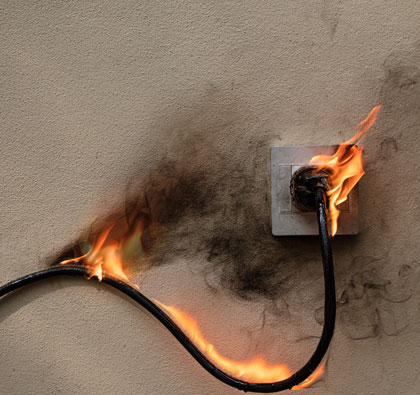
An electrical fire is a fire caused by failures or malfunctions in a home’s electrical system or connected devices. Unlike fires triggered by open flames, cooking accidents, or candles, electrical fires often begin out of sight, behind walls, inside breaker panels, or within appliances. They can then spread rapidly to surrounding structures
What sets electrical fires apart is how aggressively insurers investigate them. Because electrical systems degrade over time, insurers often question whether the fire resulted from a sudden, accidental event or from long-standing issues like outdated wiring or deferred maintenance. This distinction is central to whether electrical fire damage is covered or challenged.
From an insurance perspective, electrical fire damage raises questions about building code compliance, prior repairs, and whether the homeowner should have known about a potential hazard. This heightened scrutiny makes these claims more vulnerable to denial or underpayment than many other fire losses.
Common Causes of Electrical Fires
Electrical fires rarely happen from a single issue. Insurers often analyze multiple contributing factors when determining the cause of electrical fire damage. How the cause is identified, framed, and evaluated can directly affect coverage decisions.
- Faulty or Outdated Wiring: Aging wiring, deteriorated insulation, or improperly spliced connections can overheat over time, eventually igniting surrounding materials. Insurers often argue that these conditions existed long before the fire.
- Overloaded Circuits and Breaker Failures: Older electrical systems may not support the power demands of modern households, allowing excessive heat to build up silently if breakers fail to trip.
- Electrical Panel Malfunctions: Defective breaker panels, loose bus bars, or internal arcing can spark internally, causing fires that spread behind walls before detection.
- Appliance or HVAC Electrical Failure: Dishwashers, dryers, air conditioners, and furnaces contain electrical components that can fail suddenly, especially during heavy use or heat waves.
- Power Surges, Lightning, and Storm-Related Electrical Issues: Sudden voltage spikes can damage wiring or appliances, creating ignition points that lead to fires hours or days later.
- Loose Outlets, Switches, or Connections: Poorly secured electrical components can arc over time, generating heat behind walls or receptacles that eventually ignites nearby materials.
- Extension Cords and Power Strips Misuse: Overloading cords or using them as permanent wiring can cause overheating, insulation breakdown, and ignition.
- Improper or Non-Code Electrical Installations: Unpermitted or non-compliant electrical work can create unsafe conditions that may be labeled preventable, even when the homeowner was unaware of the defect.
- Deterioration from Moisture or Corrosion: Long-term exposure to humidity, leaks, or condensation can corrode wiring and terminals, increasing resistance and heat buildup that ultimately triggers an electrical fire.
- Lighting Fixture Failures: Recessed lighting, improperly rated bulbs, or overheated fixtures can ignite insulation or framing, particularly in attics or enclosed ceiling spaces.
Types of Damages Caused by Electrical Fire
Electrical fire damage often extends well beyond visible burn marks. Even a small electrical fire can result in widespread, costly losses.
- Structural Damage: Heat and flames can weaken framing, damage walls, and compromise load-bearing elements, even if the fire appears localized.
- Smoke and Soot Damage: Electrical fires produce dense, toxic smoke that spreads through wall cavities and HVAC systems, contaminating areas far from the fire’s origin.
- Electrical System Damage: Wiring, outlets, breakers, and panels often require full replacement to prevent future hazards, not just spot repairs.
- Damage to Personal Property: Electronics, furniture, clothing, and household items may be destroyed by heat, smoke, or firefighting efforts.
- Secondary Water and Fire Suppression Damage: Water used to extinguish the fire can warp floors, soak insulation, and create mold risks.
- Additional Living Expenses (ALE) or Loss of Use: Temporary housing, storage, and increased daily expenses may be necessary when the home is uninhabitable.
- Smoke Odor and HVAC Contamination: Lingering odors and residue in ductwork can make a home unsafe without specialized remediation.
- Hidden Damage behind Walls or Cavities: Electrical fires often burn internally, leaving concealed damage that surfaces months later if not properly addressed.
Does Homeowners Insurance Cover Electrical Fire Damage?
In most cases, homeowners insurance does cover fire damage. However, electrical fires often fall into a gray area where coverage depends on why the fire started, not just the fact that it occurred. Insurers closely investigate whether the electrical failure was sudden and accidental or the result of long-standing conditions they consider preventable.
Electrical fire damage insurance claims are often approved only in part. While insurers may acknowledge coverage for charred materials, smoke staining, or destroyed belongings, they often dispute the cost of replacing wiring, breaker panels, or entire electrical systems. The rationale is predictable; insurers argue that heat-damaged wiring was already unsafe, outdated, or non-compliant before the fire, even when no prior issues were documented.
This is where many homeowners get caught off guard. Electrical components hidden behind walls can be compromised by heat without obvious burn marks. Yet insurers may refuse full replacement unless damage is conclusively proven. Code upgrades, safety requirements, and future fire-prevention measures are also commonly excluded unless the policy includes specific endorsements.
Understanding how insurers look at electrical fire losses, what they accept, what they minimize, and what they exclude outright, is critical before agreeing to a settlement that may leave serious hazards unresolved.
What’s Typically Covered for Electrical Fire
When the electrical fire results from a sudden, accidental event rather than long-term deterioration, coverage often includes:
- Structural Damage: Walls, ceilings, roofs, and permanently installed electrical systems
- Smoke, Soot, and Odor Damage: Covering even areas not directly affected by flames
- Damaged Personal Property: Electronics, appliances, furnishings, and household items
- ALE or Business Interruption: Costs incurred when the property is temporarily uninhabitable
When Electrical Fire Damage Is Not Covered
Coverage disputes arise when insurers argue that the fire resulted from excluded conditions, such as:
- Wear and Tear or Poor Maintenance: Aging electrical systems that were not updated
- Outdated or Non-Code-Compliant Wiring: Commonly cited in older homes
- Unpermitted or DIY Electrical Work: Installations insurers may label unsafe or non-compliant
- Allegations of Homeowner Negligence: Claims that warning signs were ignored
- Pre-Existing Electrical Issues: Problems documented in prior inspections or claims
For example, if an electrical panel shows signs of overheating years before the fire, an insurer may argue the damage was foreseeable and therefore excluded from coverage.
What to Do After an Electrical Fire: How to File a Fire Damage Claim
What you do immediately after an electrical fire can shape the outcome of your electrical fire damage claim. The following steps help protect your position if the insurer challenges the cause or scope of electrical fire damage:
- Contact your insurer promptly to report the loss and initiate the claim.
- Document everything before temporary repairs begin, including photos, videos, and damaged components.
- Create a detailed inventory of damaged personal property and electrical systems.
- File your claim carefully, ensuring accuracy and consistency.
- Request fire and electrical inspection reports to establish the cause and extent of damage.
- Understand Additional Living Expenses (ALE) if temporary relocation is required.
- Negotiate and follow through, responding strategically to insurer requests.
- Consult a fire damage claim lawyer if coverage is disputed, delayed, or denied.
Why Electrical Fire Claims Get Denied
Electrical fire insurance claims are often denied or underpaid due to technical arguments rather than clear policy exclusions. Common reasons insurers cite for electrical fire claim denial include:
- Blaming Maintenance Instead of Sudden Failure: Insurers may reframe an accidental event as long-term neglect.
- Lowball Repair Estimates: Adjusters may minimize the scope of electrical system replacement.
- Ignoring Code-Upgrade Requirements: Necessary upgrades may be excluded without proper justification.
- Delays during Cause-and-Origin Investigations: Prolonged reviews can stall payments and pressure homeowners to settle.
- Shifting Blame to Third Parties: Insurers may point to electricians, builders, or property owners to avoid responsibility.
These strategies are common in disputed electrical fire insurance claims.
How Lawyers Help with Electrical Fire Insurance Claims

Legal representation can level the playing field when insurers dispute electrical fire damage. An experienced Louisiana fire damage lawyer understands how insurers evaluate electrical fire damage and how to respond to disputed denials by:
- Challenging denied or underpaid claims resulting from misclassifications or improper exclusions.
- Interpreting complex policy language tied to electrical systems and fire coverage.
- Identifying unsupported negligence allegations used to justify denials.
- Negotiating directly with insurers on the scope and valuation of damages.
- Pursuing legal action when bad faith claim handling is suspected.
- Handling complex smoke and odor damage disputes unique to electrical fires.
- Applying state-specific laws that govern insurance claims in Louisiana and Texas.
For those dealing with fire damage in Texas, consulting a Texas fire damage attorney can help protect your rights.
Conclusion
Electrical fire damage coverage depends on the cause of the fire, the quality and thoroughness of documentation, and how the claim is framed from the beginning. When insurers dispute electrical fire damage or undervalue losses, homeowners don’t have to navigate the process alone.
If your electrical fire damage claim is delayed, denied, or underpaid, legal guidance can help protect your rights and pursue full recovery. Schedule a FREE claim evaluation with Pandit Law to understand your options.
FAQs About Electrical Fire Damage Claims
Electrical fires caused by rodents are often disputed. Insurers may argue maintenance or wear-and-tear exclusions. Coverage may still apply if the damage was sudden and there were no prior warning signs. These claims often require detailed inspection reports and careful policy interpretation.
Yes. Water intrusion from a leaking roof can damage wiring, outlets, and electrical panels, leading to short circuits or electrical fires. Coverage depends on whether the leak was sudden and accidental or the result of long-term neglect, which insurers often scrutinize during claim evaluations.
Most electrical fires are considered accidental. However, insurers may challenge this classification if they believe the risk was foreseeable or preventable due to outdated wiring, prior issues, or poor maintenance. Whether the fire is deemed accidental often plays a key role in coverage decisions.
Tenants may have legal claims if an electrical fire resulted from the landlord’s failure to maintain safe wiring or electrical systems. Liability depends on local laws, the lease agreement, inspection records, and whether the landlord knew or should have known about hazardous conditions.
Yes. Water exposure can corrode wiring, damage outlets, and compromise electrical components, increasing the risk of fire. This is especially common after storms, flooding, or roof leaks. Whether insurance coverage applies depends on how the water intrusion occurred and the policy terms.