
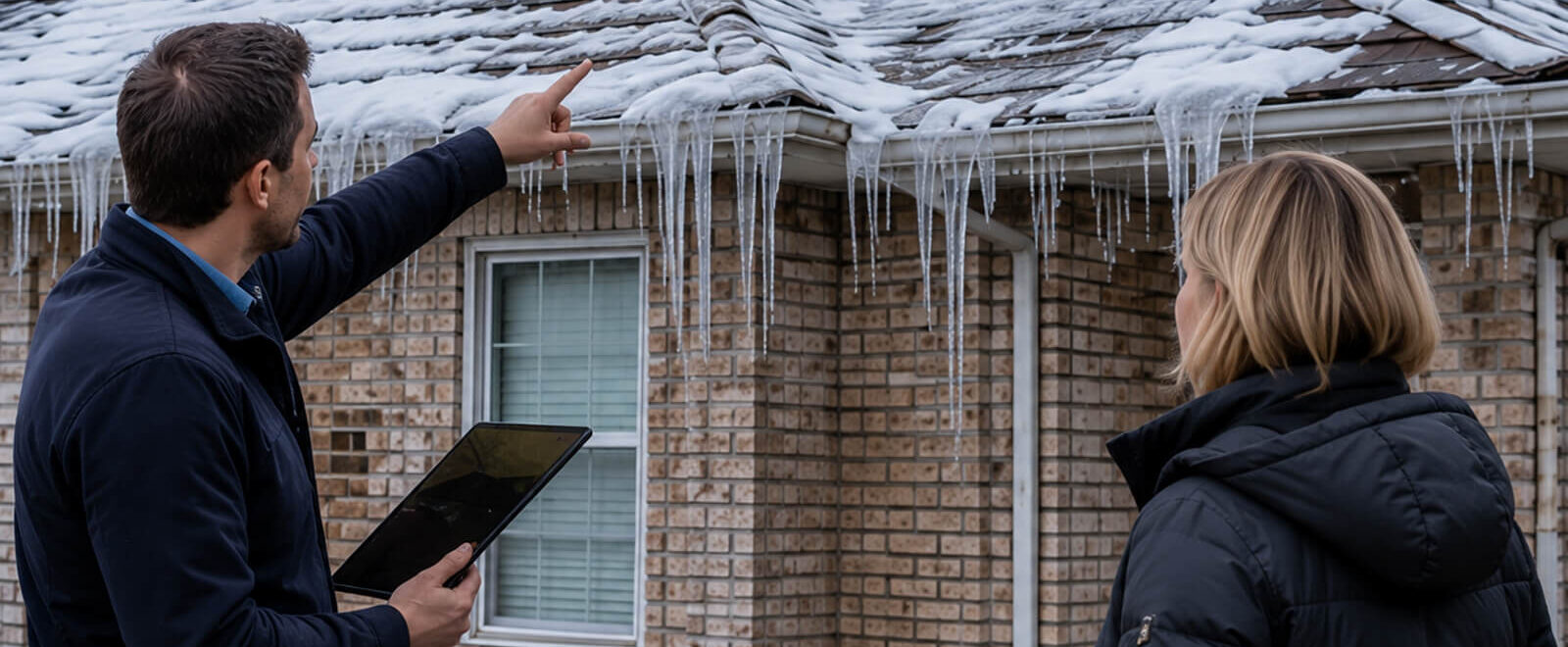
Ice storms can cause serious property damage, including burst pipes, roof leaks, and fallen tree limbs. Homeowners often file ice storm insurance claims to recover the cost of repairs after these events.
Imagine waking up to find your home encased in ice, with tree branches snapped and your roof covered in a thick layer of frozen buildup. Inside, you discover burst pipes flooding parts of your home. The immediate question many homeowners ask is: Will insurance cover the damage?
While this may sound extreme, homeowners in Louisiana and Texas are all too familiar with the impact of severe winter storms. The 2021 Texas winter storm alone caused billions in property damage, and freezing temperatures also disrupted homes and plumbing systems in Louisiana.
So, does homeowners insurance cover the damage caused by ice storms in states where homes aren’t built to withstand such prolonged freezing conditions? The answer in most situations is yes. However, coverage often depends on the cause of the damage, policy exclusions, and whether proper maintenance requirements were met.
This guide explains how ice storm insurance claims work, what damage is typically covered, and the steps homeowners should take to document losses and file a claim effectively.
What Does Your Homeowners Insurance Cover for Ice Storm Damage?
Ice storms can cause multiple types of property damage, from roof stress caused by heavy ice buildup to burst pipes and interior water damage. Most homeowners insurance policies include protection for certain types of winter storm damage, but coverage varies depending on policy language, exclusions, and maintenance requirements.
Understanding what is typically covered and what may be excluded can help homeowners evaluate their ice storm damage coverage before filing a claim.
Here’s what homeowners insurance typically covers:

- Frozen or burst pipes that cause interior water damage from ruptured plumbing
- Interior water damage from roof breaches or burst pipes that flood living spaces
- Falling trees or large limbs that damage your home or attached structures
- Additional Living Expenses (ALE), if the home becomes temporarily uninhabitable due to covered ice storm damage
Damage typically not covered under a standard policy includes:
- Flooding from external sources like snowmelt, rising groundwater, or surface water
- Damage caused by neglect, such as failing to maintain heat or properly winterize the home
- Certain outdoor structures, such as fences, patios, or pools, may have limited or separate coverage depending on the policy
Understanding these coverage limits can help homeowners determine whether insurance may apply after an ice storm. If you’re uncertain about your coverage or the terms of your policy, consulting an ice storm claim expert can help clarify your options and next steps.
Step-by-Step Guide to Filing an Ice Storm Damage Insurance Claim
Filing an ice storm insurance claim can feel overwhelming, especially when homeowners are dealing with property damage and urgent repairs after a severe winter storm. Following the right steps can help you document the damage properly, avoid common mistakes, and move your claim forward more efficiently.
Step 1: Ensure Safety and Prevent Further Damage
The priority after an ice storm is safety and preventing additional damage to your property.
- If your pipes have burst, promptly turn off the main water supply to stop further flooding.
- If water has reached electrical outlets or wiring, turn off the power to reduce the risk of electrical shock.
- Use temporary measures like tarps or plastic sheeting to cover roof leaks and prevent additional water from entering the home.
Most insurance policies require homeowners to take reasonable steps to mitigate further damage. Keep receipts for any emergency repairs or temporary fixes, as these costs may be reimbursed as part of your ice storm insurance claim.
Step 2: Document All Ice-Related Damage Thoroughly
Strong documentation is essential when filing an ice storm insurance claim.
- Take clear, timestamped photos and videos of all visible damage, including burst pipes, ice dams, leaks, and affected areas like flooring or drywall.
- Create a written list of damaged areas and affected property, noting the extent of the destruction and any items that may require repair or replacement.
Keep this documentation organized and stored safely. These records may be important if questions arise or if there’s a dispute with your insurance company. The more thorough your documentation, the stronger your claim will be.
Step 3: Review Your Homeowners Policy
Before filing your claim, carefully review your homeowners policy to understand your coverage.
- Start with the declarations page to confirm coverage limits, deductible, and policy details.
- Check whether your policy includes coverage for water damage caused by frozen or burst pipes. Some policies may contain exclusions or conditions related to winter maintenance.
- Review any requirements related to heating or home maintenance. Insurers may require homeowners to maintain heat or take reasonable precautions during freezing temperatures to qualify for coverage.
Understanding these terms will help you know what is and isn’t covered in your ice storm insurance claim.
Step 4: Notify Your Insurance Company Promptly
Once you understand your coverage, notify your insurance company promptly to begin the claims process. Early reporting helps initiate the claim process and allows the insurer to begin evaluating the damage.
You can usually report the damage by phone, through the insurer’s online portal, or through a mobile app. When reporting the claim, clearly explain that the damage was caused by an ice storm and describe the specific issue, such as burst pipes or interior water damage.
Be sure to request a claim number and record the name and contact details of the assigned adjuster.
Step 5: File the Ice Storm Insurance Claim
When submitting your ice storm insurance claim, include all supporting documentation you have gathered. This may include photos, videos, written damage inventories, and preliminary repair estimates.
Carefully review your claim before submitting it to ensure that all affected areas are listed. This includes areas that may not be immediately visible, such as moisture behind walls or damage above ceilings.
Submitting complete documentation can help reduce delays and allow the insurer to evaluate your ice storm insurance claim more efficiently.
Step 6: Obtain a Licensed Contractor Estimation for Damages
A detailed repair estimate from a licensed contractor can strengthen your claim. The estimate should outline the scope of repairs, required materials, and expected labor costs related to the ice storm damage.
An independent estimate provides a useful point of comparison when reviewing the insurer’s assessment of the damage. If the insurer’s estimate differs significantly, the contractor report can help support your position when discussing repair costs.
Step 7: Review Settlement Offer Carefully
When the insurance company provides a settlement offer, review it carefully. Compare the insurer’s estimate with the contractor’s estimate to confirm that all damage has been accounted for.
Pay close attention to exclusions, depreciation deductions, or repair items that may have been omitted. If anything appears unclear, request a written clarification from the insurance company.
Understanding how the settlement was calculated can help you determine whether the offer reflects the full scope of the damage.
Step 8: Call an Ice Storm Claim Expert
If your ice storm insurance claim is delayed, denied, or significantly underpaid, you may need professional assistance. An ice storm claim expert can help evaluate the claim and identify potential issues.
Professional guidance may be helpful if the insurer attributes damage to maintenance issues, disputes the cause of the loss, or fails to respond within the required state timelines. Professional guidance can help homeowners evaluate claim disputes, understand their rights, and pursue a fair resolution.
Laws to Consider in Louisiana and Texas for Ice Storm Insurance Claims
Filing an ice storm insurance claim in Louisiana or Texas requires understanding state laws and timelines that can affect how insurers handle your claim. Both states provide protections that require insurers to respond within certain deadlines and treat policyholders fairly during the claims process.
Below are key laws homeowners should be aware of when pursuing an ice storm insurance claim.
Louisiana Insurance Laws Affecting Ice Storm Insurance Claims
- Insurer Payment Deadline: In most cases, Louisiana law requires insurers to pay undisputed claims within 30 days after receiving satisfactory proof of loss from the homeowner. This deadline can extend to 60 days in instances of catastrophic events.
- Bad Faith Penalties: If the insurer unreasonably delays payment or fails to act in good faith, homeowners may be entitled to statutory penalties and additional damages.
- Supplemental Claims: Homeowners may file supplemental claims if additional damage is discovered after the initial claim is processed.
- State Insurance Department Complaints: If issues arise during the claim process, homeowners may file a complaint with the Louisiana Department of Insurance.
- Documenting Communication: Policyholders must keep records of all communications with the insurer, including emails, letters, and phone calls. This documentation can help support a claim if disputes arise.
Texas Insurance Laws Affecting Ice Storm Insurance Claims
- Acknowledgment Rule: Under the Texas Insurance Code, insurers must acknowledge receipt of a claim within 15 business days.
- Claim Acceptance or Denial Timeline: After acknowledging the claim, insurers generally must accept or deny it within 15 business days after receiving the required documentation.
- Payment Deadlines: Once a claim is approved, insurers must issue payment within 5 business days.
- Interest Penalties for Delays: If an insurer fails to comply with required timelines, interest penalties may apply under Texas law. However, for major weather events, insurers may receive a limited extension to process claims.
- Complaint Process: Homeowners who experience claim handling issues may file a complaint with the Texas Department of Insurance.
Ice Storm Damage Claim Denied or Underpaid
Insurance companies may deny or underpay ice storm insurance claims for several reasons. Some of the most common reasons include:
- Improper documentation or insufficient evidence of damage
- Policy exclusions, such as damage caused by freezing when required heating or maintenance was not maintained
- Delays in reporting the damage or submitting the claim
- Disputes about the cause of loss, such as claims that the damage resulted from neglect rather than the ice storm
- Underestimating the extent of the damage or using inaccurate repair estimates
If your claim is denied or underpaid, the next step may involve seeking professional assistance. An ice storm claim expert can help review the insurer’s decision, evaluate the damage, and assist in addressing disputes with the insurance company.
Tips for Filing an Ice Damage Insurance Claim
Staying organized during the claim process can help prevent delays and strengthen your ice storm insurance claim. Consider the following tips when filing your claim:
- Photograph and Record Damage Immediately: Take clear, timestamped photos and videos as soon as it is safe after the storm.
- Save All Receipts and Bills: Keep records of emergency repairs, inspections, and other expenses related to the damage.
- Maintain a Claim Communication Log: Document all communications with the insurance company, including dates, names, and summaries of conversations.
- Respond Promptly to Insurer Requests: Provide requested documentation or information promptly to help avoid unnecessary delays.
- Do Not Discard Damaged Property before Inspection: Keep damaged items until the insurer or adjuster inspects them.
- Request Written Explanations for Denials: If the insurer denies any part of your claim, ask for a written clarification outlining the reason.
- Consider Professional Help if the Claim is Disputed: Contact an ice storm claim expert if your claim is delayed, denied, or significantly underpaid.
How an Ice Storm Claim Expert Can Help
Here are several ways they can help:
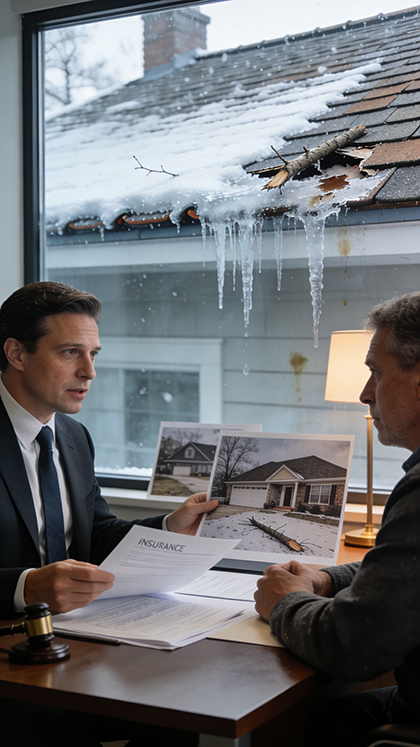
- Negotiating Directly with the Insurance Company: They can assist with communication and negotiations with your insurer to help address claim disputes.
- Strengthening Documentation: Experts can help organize and improve claim documentation so the damage and repair costs are clearly presented.
- Challenging Wrongful Denials: If your claim is denied, an ice storm claim expert can help evaluate the insurer’s reasoning and assist in appealing the decision.
- Enforcing Texas and Louisiana Claim Deadlines: They can help ensure important claim deadlines and procedural requirements are met under state law.
- Protecting against Unfair Settlement Tactics: Professional guidance can help homeowners identify settlement offers that fail to account for the full extent of the damage.
Conclusion
Filing ice storm insurance claims correctly can help support a smoother claims process and improve the likelihood of a fair outcome. Acting quickly, documenting damage thoroughly, and understanding the laws that apply in Texas and Louisiana can all influence how your claim is handled.
Taking the right steps early can help you avoid unnecessary delays, disputes, or underpayment of a claim. If you have questions about the process or believe your claim has been unfairly delayed, denied, or underpaid, seeking guidance may help clarify your options.
Contact Pandit Law for a FREE Claim Evaluation to better understand your rights and the next steps available to you.
Frequently Asked Questions
In Louisiana and Texas, homeowners should report an ice storm insurance claim as soon as possible after discovering damage. Policy deadlines can vary, but most insurers require prompt notice of loss. Filing early helps reduce delays and allows the insurer to begin evaluating the claim.
If your insurer delays payment without a valid reason, state laws in Louisiana and Texas may allow homeowners to pursue additional remedies and penalties. An ice storm claim expert can help evaluate the delay and determine possible next steps.
Yes. Homeowners can file a supplemental claim if additional damage is discovered after the initial claim is filed. This often happens when hidden damage, such as moisture behind walls or structural issues, becomes visible during repairs.
Ice dam damage may be covered if it is sudden and accidental, such as when melting ice causes water to enter the home. Coverage depends on the specific policy language, exclusions, and maintenance requirements outlined in a homeowners insurance policy.