
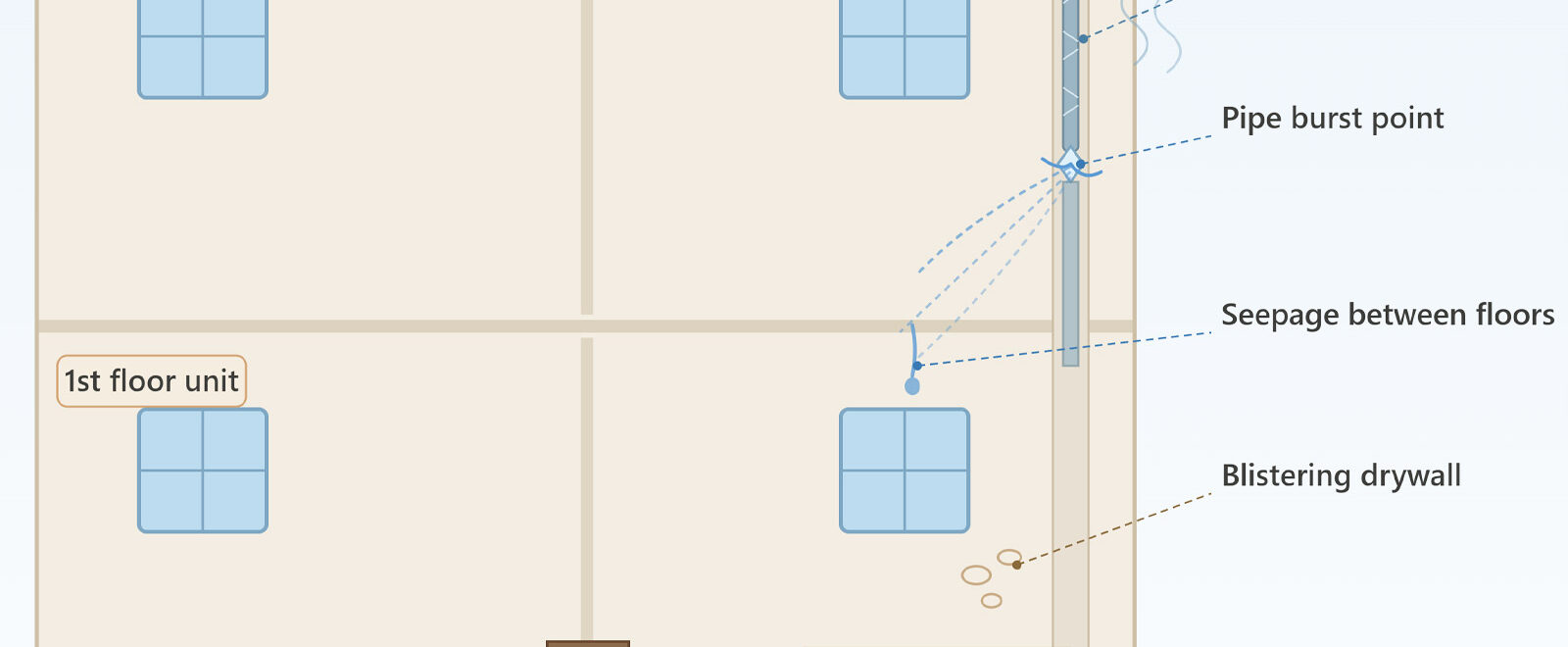
Imagine waking up to dozens of calls from tenants reporting water pouring through ceilings, flooded hallways, and damaged units. Overnight freezing temperatures can turn a routine winter weather event into a costly emergency for apartment owners. A single burst pipe can affect multiple units, disrupt rental operations, and trigger complex insurance issues that continue long after the water is removed.
Apartment buildings across Texas and Louisiana face unique risks during freeze events. Many Gulf Coast properties were not designed for prolonged cold weather, leaving plumbing systems vulnerable when temperatures drop unexpectedly. Winter Storm Uri demonstrated how quickly a freeze event can trigger widespread apartment-building losses, contractor shortages, and insurance claim disputes across Texas. Similar cold-weather events continue to expose vulnerabilities in Gulf Coast multifamily properties.
Given these risks, apartment owners should be prepared not only for the physical damage caused by freezing temperatures but also for the insurance and legal issues that may follow. If you are dealing with frozen pipes in apartment building properties, understanding your rights and responsibilities is critical. This guide explains the damage frozen pipes can cause, available insurance coverage, landlord obligations, the claims process, and when legal guidance may help protect your interests.
Why Apartment Owners Face the Biggest Financial Exposure
When a freeze damages a multifamily property, apartment owners often absorb the largest share of the financial impact. Unlike a single-family home, an apartment building contains interconnected systems, multiple occupants, and ongoing rental obligations. As a result, even a relatively small plumbing failure can quickly become a large and expensive problem.
Several factors increase the financial risks associated with frozen pipe losses in apartment buildings:
- Apartment owners are typically responsible for the building structure, plumbing systems, and many liabilities arising from property damage.
- A single burst pipe can affect multiple units, resulting in widespread water damage throughout the property.
- Vacant or damaged units may reduce rental income while repairs are underway.
- Tenants may allege negligence if they believe inadequate maintenance contributed to the damage.
- Following major freeze events, increased demand for contractors and restoration services can drive repair costs higher and create delays.
The financial consequences of a freeze often extend well beyond replacing a damaged pipe. Understanding the full scope of potential losses can help apartment owners better prepare for the insurance claim process and recovery efforts.
What Damage Can a Frozen Burst Pipe Cause in an Apartment Building?
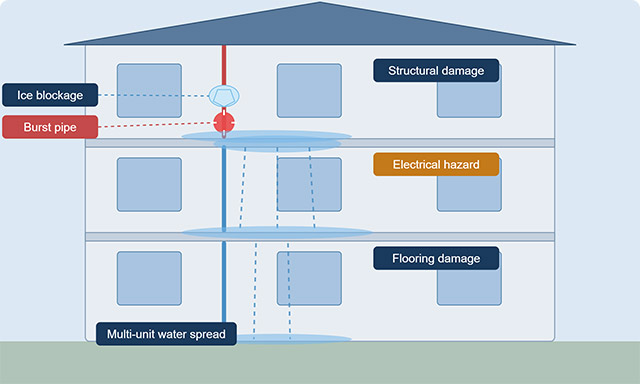
The damage caused by frozen pipes in an apartment building often extends far beyond the plumbing system itself. Water can spread rapidly through walls, ceilings, and shared building systems, creating problems that affect both the property and its day-to-day operations.
A frozen burst pipe may lead to:
- Structural Damage: Water can damage drywall, insulation, ceilings, flooring, wall coverings, and other structural components.
- Plumbing System Damage: Burst pipes, cracked fittings, damaged fixtures, and compromised risers may require extensive repairs.
- Electrical Hazards: Water intrusion can affect wiring, outlets, breaker panels, and other electrical components.
- HVAC and Appliance Damage: Water may impact HVAC equipment, water heaters, and other building systems.
- Common Area Damage: Hallways, lobbies, laundry facilities, storage areas, and shared plumbing infrastructure can suffer significant losses.
- Tenant Displacement and Operational Disruptions: Damaged units may become temporarily uninhabitable, affecting occupancy and rental operations.
- Long-Term Property Value Concerns: Unresolved damage can complicate future appraisals, refinancing efforts, and property transactions.
Because water often travels far from the original pipe failure, the visible damage may represent only a portion of the overall loss. A thorough inspection and prompt response can play an important role in identifying affected areas and supporting a comprehensive insurance claim.
What Does Landlord Insurance Cover for Frozen Pipes?
A frozen pipe loss can affect nearly every part of an apartment building, from the plumbing system itself to rental operations and potential liability claims. While coverage varies by policy, landlord insurance often provides protection for certain types of sudden and accidental freeze-related damage. Understanding what may be covered and where coverage limitations can arise can help apartment owners identify potential gaps in recovery before accepting a settlement offer.
Building Coverage
Building coverage typically protects the physical structure of the apartment building when covered damage occurs. If a frozen pipe bursts and causes water damage, this portion of the policy may help cover repairs to affected building components.
Depending on the policy language, covered repairs may include:
- Walls, ceilings, and drywall
- Flooring and insulation
- Built-in fixtures and finishes
- Roofing components affected by water intrusion
- Common areas and shared facilities
Coverage generally focuses on restoring damaged portions of the structure rather than addressing maintenance issues that existed before the loss.
Plumbing System Coverage
Landlord insurance may also cover damage to the plumbing system when a pipe freezes and bursts due to a covered event. Coverage often applies to:
- Burst water supply lines
- Damaged pipe fittings and joints
- Plumbing fixtures connected to the affected system
- Water damage resulting from the sudden pipe failure
However, insurers frequently investigate whether reasonable steps were taken to protect the plumbing system during freezing weather. The cause of the loss can play a significant role in coverage decisions.
Loss of Rental Income Coverage
When damaged units cannot be occupied during repairs, some policies provide coverage for lost rental income through fair rental value or loss-of-rents provisions. This coverage may help when:
- Units become temporarily uninhabitable
- Repairs prevent normal occupancy
- Covered property damage interrupts rental operations
Common limitations may apply if the loss is not covered under the policy or if certain conditions and documentation requirements are not met. Apartment owners should carefully review policy language relating to business income, fair rental value, waiting periods, and documentation requirements, as these provisions often become points of dispute during large apartment-building claims.
Liability Coverage
Freeze-related losses can sometimes lead to liability claims if others allege that property damage or injuries resulted from the incident. Depending on the circumstances, liability coverage may help address claims involving:
- Water damage affecting neighboring property
- Injuries related to unsafe conditions created by the loss
- Allegations that property conditions contributed to damages
Coverage depends on the specific facts of the claim and the terms of the policy.
Common Policy Exclusions
Not every frozen pipe claim receives coverage. Insurance policies often contain exclusions and limitations that insurers may rely upon when evaluating a claim.
Common policy exclusions include:
- Failure to maintain heat within the property
- Inadequate maintenance of plumbing systems
- Long-term leaks or ongoing water intrusion
- Extended vacancy or occupancy-related restrictions
- Failure to take reasonable steps to protect the property
Understanding these provisions before a loss occurs can help apartment owners identify potential coverage concerns.
DP-1 vs. DP-3 Policies
The type of landlord policy you carry can significantly affect available coverage. DP-1 policies generally provide more limited protection and often cover only specifically listed causes of loss. DP-3 policies typically offer broader protection for the building structure, subject to policy exclusions and conditions. Because policy forms vary, apartment owners should review their coverage carefully to understand how freeze-related losses may be handled under their specific policy.
Frozen pipe claims often involve multiple categories of damage and competing interpretations of policy language. A careful review of the policy, the cause of the loss, and the resulting damages can help apartment owners better understand the coverage available after a freeze event.
Your Legal Responsibilities as an Apartment Owner During a Freeze Event
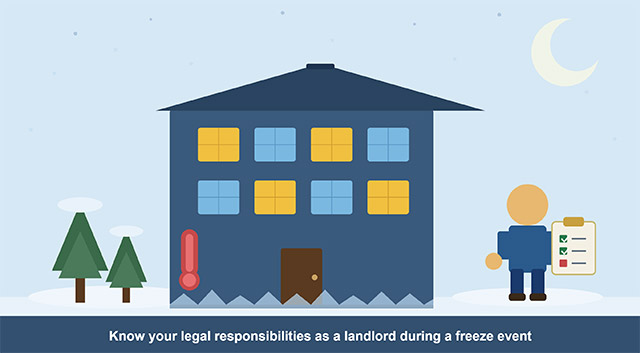
Preventing freeze-related damage is not just a property management concern. Apartment owners also have legal obligations to maintain safe and habitable premises. Failing to take reasonable precautions before or during a freeze event can create liability issues and complicate an insurance claim involving frozen pipes in an apartment building.
Apartment owners should focus on several key responsibilities, including:
- Maintaining habitable conditions by providing adequate heat, weatherproofing vulnerable areas, and taking reasonable steps to protect plumbing systems from freezing
- Complying with applicable state laws, including repair and maintenance obligations under Texas Property Code Chapter 92 and Louisiana Civil Code Articles 2688–2692
- Addressing known plumbing, insulation, or heating issues before severe weather arrives
- Communicating freeze-prevention measures and emergency procedures to occupants
- Keeping thorough records of maintenance activities, inspections, repair requests, and notices related to freeze preparation
In some situations, actions by occupants may affect liability considerations. For example, ignoring freeze warnings, leaving windows open during extreme cold, or failing to report known issues could become relevant when determining responsibility for the damage.
Strong documentation often provides one of the best defenses during both insurance disputes and liability claims. Maintenance records, inspection logs, and written communications can help demonstrate that reasonable steps were taken to protect the property.
How to File an Insurance Claim for Frozen Pipes in an Apartment Building
When dealing with frozen pipes in an apartment building, the actions you take during the first few days after the loss can significantly affect the insurance claim. Proper documentation, timely communication, and thorough preparation can help create a stronger record of the damage and reduce avoidable disputes during the adjustment process.
Step 1: Mitigate Damage Immediately
Insurance policies generally require property owners to take reasonable steps to prevent additional damage after a loss occurs. Important actions landlords should take include:
- Shutting off the water supply
- Contacting emergency mitigation professionals
- Protecting undamaged portions of the property
- Preserving invoices, receipts, and service records
These efforts can help demonstrate that you acted promptly to limit further damage.
Step 2: Document Every Affected Area
Before major cleanup or repairs begin, create a detailed record of all visible damage throughout the property. Documentation should include:
- Photos and videos of damaged areas
- Images of burst pipes and water intrusion
- Damage to common areas and individual units
- Damaged equipment and building systems
Comprehensive documentation can provide important support for the claim later in the process.
Step 3: Notify Your Insurer Promptly
Most policies require timely notice of a loss. Delayed reporting can create unnecessary complications and may affect the insurer’s investigation.
When notifying the insurer, be prepared to provide basic information about:
- The date of the loss
- The suspected cause of damage
- Areas affected within the property
- Emergency measures already taken
Prompt notice helps start the claims process and allows inspections to be scheduled.
Step 4: Prepare Your Proof of Loss
Large apartment-building claims often require substantial supporting documentation. Helpful records may include:
- Rent rolls
- Lease agreements
- Maintenance records
- Contractor estimates
- Repair invoices and mitigation costs
Organized records can help establish the scope and impact of the loss.
Step 5: Prepare for the Adjuster Inspection
The adjuster will inspect the property to evaluate the damage and determine how the policy applies to the loss. Before the inspection:
- Identify all affected areas
- Gather maintenance and repair records
- Prepare documentation of emergency response efforts
- Create a list of known damages
A thorough presentation can help ensure less-visible damage, such as water intrusion behind walls, damaged insulation, or affected building systems, is not overlooked during the inspection process.
Step 6: Review the Settlement Offer Carefully
After the insurer completes its evaluation, it may issue a coverage determination and settlement offer. Apartment owners should review:
- The scope of approved repairs
- Actual cash value versus replacement cost calculations
- Depreciation deductions
- Any excluded or disputed damage categories
Careful review can help identify omitted damage, disputed depreciation calculations, or coverage positions that may affect the overall value of the claim.
Step 7: What to Do if Your Claim Is Denied or Underpaid
A denial or partial payment does not always mean the matter is closed. Additional options may be available depending on the circumstances.
Potential next steps include:
- Requesting a detailed explanation of the decision
- Providing additional supporting documentation
- Seeking a reinspection
- Exploring appraisal procedures, if available under the policy
- Evaluating potential bad-faith insurance issues where appropriate
The right approach will depend on the facts of the claim and the policy language involved.
Step 8: Contact a Property Damage Lawyer
Insurance disputes can become more complex when large losses, multiple damaged units, or significant coverage questions are involved.
A property damage lawyer can help by:
- Reviewing policy provisions
- Identifying overlooked coverage opportunities
- Evaluating claim denials or underpayments
- Communicating with the insurer regarding disputed issues
- Protecting the apartment owner’s rights throughout the process
Taking a structured approach to the claims process can improve documentation, reduce delays, and place apartment owners in a stronger position when coverage disputes arise.
Can You Hold a Tenant Responsible for Frozen Pipes in an Apartment Building?
Not every freeze-related loss automatically falls on the apartment owner. In certain situations, a tenant’s actions may contribute to the damage and become a factor when responsibility is evaluated.
A tenant may potentially be held responsible when evidence shows they:
- Turned off the heat during freezing temperatures
- Left windows or exterior doors open for extended periods
- Ignored property management freeze warnings
- Failed to report leaks or plumbing issues that worsened the damage
However, responsibility often remains with the landlord when the damage stems from building-related issues such as poor insulation, inadequate maintenance, aging plumbing systems, or heating equipment failures.
To support a claim involving tenant-caused damage, apartment owners should preserve:
- Lease provisions
- Written notices and freeze warnings
- Inspection records
- Maintenance documentation
- Relevant communications regarding the incident
Insurance recovery may also involve subrogation. If an insurer pays a covered loss and later determines another party caused or contributed to the damage, it may seek reimbursement from that party or their insurer.
Because liability questions can become complex, apartment owners should carefully document all facts before assigning blame.
Texas and Louisiana Insurance Claim Rights Every Apartment Owner Should Know
Understanding your rights under state insurance laws can help you respond more effectively when a frozen pipe claim encounters delays, disputes, or unexpected coverage issues. Both Texas and Louisiana have laws that establish claim-handling requirements for insurers and provide remedies when those obligations are not met.
Texas Prompt Payment Deadlines
Texas law imposes claim-handling deadlines through the Texas Prompt Payment of Claims Act, found in Texas Insurance Code Chapter 542.
For most property insurance claims, insurers generally must acknowledge and begin investigating the claim within 15 days, then accept or deny it within 15 business days after receiving all required information. They must also issue payment within 5 business days after notifying the policyholder that the claim will be paid.
In certain circumstances, Texas law allows an insurer to extend the deadline for accepting or rejecting a claim by up to 45 additional days. To do so, the insurer must notify the policyholder in writing and explain the reasons additional time is needed to complete its investigation.
Apartment owners should maintain detailed records of claim submissions, insurer correspondence, inspection dates, and payment timelines, as these records may become important if a dispute later arises regarding compliance with Texas claim-handling requirements.
Louisiana Claim Payment Requirements
Louisiana Revised Statute § 22:1892 establishes important claim-handling requirements for insurers and provides protections against unreasonable claim delays. For most property claims, insurers generally must initiate adjustment of the claim within 14 days after receiving notice of the loss and pay any undisputed amount owed within 30 days after receiving satisfactory proof of loss. Louisiana law also requires insurers to fairly evaluate claims and make coverage and payment decisions in accordance with their statutory duties.
If an insurer receives satisfactory proof of loss and fails to make timely payment in a manner that is arbitrary, capricious, or without probable cause, Louisiana law may allow the policyholder to seek additional remedies, including statutory penalties and attorney’s fees. These protections help safeguard apartment owners and other property owners from unnecessary delays during the claims process.
Bad-Faith Insurance Penalties
Both Texas and Louisiana provide legal remedies when insurers fail to meet their claim-handling obligations. Examples of bad faith conduct may include:
- Missing statutory deadlines without a valid reason
- Unreasonable delays in claim investigation or payment
- Misrepresentations regarding policy provisions or coverage
- Failure to conduct an adequate investigation
- Unreasonable denial of covered claims
- Failure to pay undisputed amounts owed under the policy
Whether an insurer acted improperly depends on the specific facts of the claim, the policy language, and the insurer’s conduct throughout the adjustment process.
Catastrophe Declarations and Freeze Events
Major freeze events can create challenges that affect both repairs and claim processing. Widespread damage may lead to contractor shortages, material delays, and increased demand for inspections.
Although catastrophe conditions can affect how quickly repairs are completed, insurers generally remain subject to applicable claim-handling requirements. Apartment owners should continue documenting losses, preserving evidence, responding promptly to information requests, and monitoring claim activity throughout the process.
Anti-Price-Gouging Protections
Following a severe freeze, demand for emergency repairs often increases dramatically. Texas and Louisiana have laws that may restrict unfair pricing practices during declared emergencies.
Apartment owners should:
- Obtain multiple estimates when possible
- Review emergency service contracts carefully before signing
- Preserve invoices and contractor communications
- Compare pricing for emergency mitigation services
- Report suspected price gouging to the appropriate state authorities
Knowing your rights under Texas and Louisiana insurance laws can help you identify potential claim issues early, track important deadlines, and make informed decisions if disputes arise during the recovery process.
When Should Apartment Owners Contact a Property Damage Lawyer?
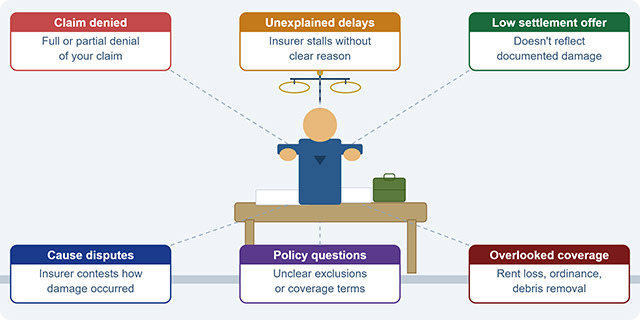
Many frozen pipe claims proceed without major disputes. However, large apartment-building losses often involve multiple coverage issues, significant repair costs, and disagreements regarding the cause or extent of damage. When those issues arise, legal guidance can become valuable.
Apartment owners should consider speaking with a property damage lawyer when they encounter situations such as:
- A claim denial or partial denial
- Unexplained delays during the claims process
- Settlement offers that do not appear to reflect the documented damage
- Disputes involving the cause of the loss
- Questions regarding policy interpretation
Legal review can also help identify coverage that may otherwise be overlooked, including loss-of-rents benefits, ordinance and law coverage triggered by code-compliance requirements, or demolition and debris-removal expenses that may apply under the policy.
In addition, a lawyer can evaluate whether the insurer’s handling of the claim raises concerns involving unreasonable delays, misrepresentations, or other claim-handling issues. Legal representation may also assist during negotiations with adjusters, engineers, appraisers, and other parties involved in evaluating the loss.
The earlier coverage concerns are identified, the easier it may be to preserve evidence, address disputes, and protect your rights throughout the claims process.
Conclusion
A frozen pipe loss can create challenges that extend far beyond repairing damaged plumbing. Apartment owners often face business interruptions, liability concerns, coverage disputes, and complex insurance requirements at a time when they are already managing property repairs and tenant issues. Acting quickly after a freeze event can help limit additional damage, preserve important evidence, and strengthen your insurance claim.
It is also important to look beyond the most obvious losses. Coverage for building repairs may be only one part of the claim. Depending on the policy and circumstances, apartment owners may also have rights involving rental income losses, code-upgrade requirements, debris removal costs, and other benefits that are not always fully evaluated during the initial adjustment process.
If your frozen pipe claim has been delayed, denied, or underpaid, or if you have questions about your rights under the policy, the experienced property damage attorneys at Pandit Law can review your situation and help you understand your legal options. Contact Pandit Law today for a free case evaluation.