
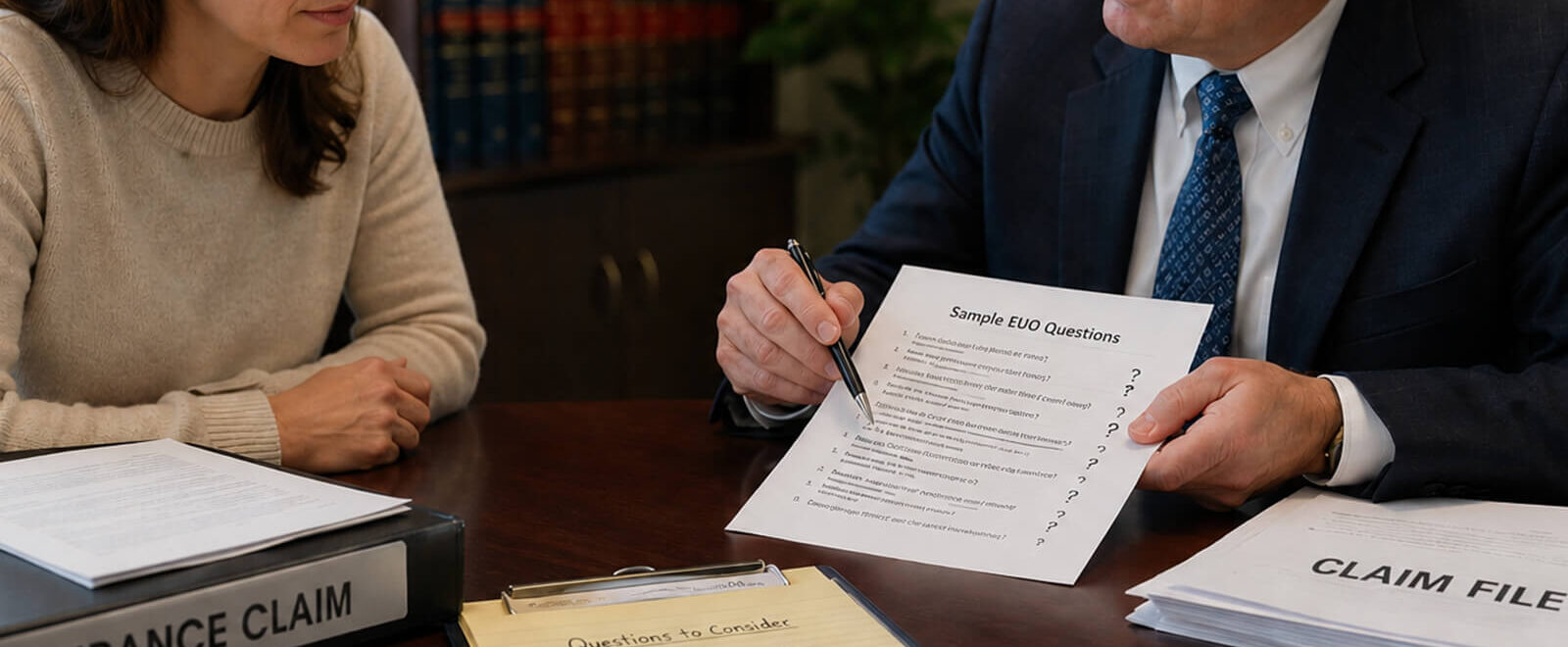
If your insurance company has asked you to attend an Examination Under Oath (EUO), it can feel intimidating. You may not know what to expect or how your answers could impact your claim. While an EUO is a formal and significant step in your claim, it becomes much easier to navigate when you are well prepared.
This guide breaks down how to prepare effectively for an examination under oath, what insurers typically look for, and how to approach your answers. You will also find practical insights, including common EUO sample questions, so you can move forward with clarity and confidence.
How to Prepare for an Examination Under Oath: Step-by-Step Guide
Preparing for an EUO is not about having perfect answers. It’s about being clear, consistent, and well-organized. When you understand what to expect and how to respond, you reduce the risk of confusion or misstatements that could affect your claim.
The steps below walk you through a practical, structured way to prepare with confidence.
Step 1: Understand What an EUO Really Is
An EUO is a formal process where you answer questions about your insurance claim under oath. The insurance company’s representative or attorney asks detailed questions about the incident, your property, and your claim, and your responses become part of the official record.
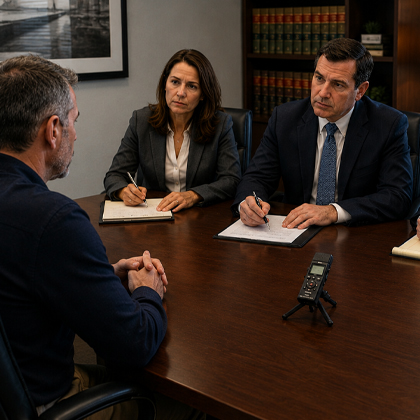
This means:
- Your answers can be reviewed alongside your claim documents and prior statements.
- Inconsistencies or unclear responses may raise concerns about the claim.
Understanding how EUO process works can help you prepare more effectively.
Step 2: Know Why Your EUO Is Being Requested
Insurance companies request EUOs for several reasons, and not all of them imply a problem. However, the goal is often to gather more detailed information and verify the claim.
Common reasons your insurer might request an EUO include:
- The insurer needs clarification on how the damage occurred.
- There are gaps or inconsistencies in the claim file.
- The claim involves high-value losses or complex damages.
- Additional documentation or background information is required.
Knowing why the EUO was requested helps you anticipate the types of questions you may face and prepare accordingly.
Step 3: Build Your “Case Timeline”
One of the most effective ways to prepare is to create a clear, chronological timeline of your claim.
Your timeline should include:
- What happened and how the damage occurred
- When you reported the claim to your insurance company
- What documents you submitted and when
- Key communications, including emails, calls, or letters
This timeline acts as your reference point during the EUO. Your answers should align closely with this timeline. If your responses drift from it, even unintentionally, it can create confusion or raise follow-up questions.
Step 4: Reconcile Prior Statements
Before the EUO, review everything you have already shared with the insurance company. This step is critical because the questions you are asked will often be compared to your earlier statements.
Before answering any questions under oath, review:
- Claim forms you submitted
- Emails or written correspondence with the insurance company or their adjusters
- Recorded statements, if any
- Repair estimates or independent contractor reports
The goal is not to memorize details, but to ensure your understanding matches what is already on record. This reduces the risk of contradictions because inconsistencies can create issues in your claim.
Step 5: Gather and Organize Documents
A well-organized set of documents makes a significant difference during preparation and questioning. It allows you to refer to accurate information instead of relying on memory.
Before your EUO, gather and organize key documents, including:
- Your insurance policy documents
- Photos or videos of the damage
- Receipts, invoices, and repair estimates
- Communication records related to the claim
- Financial records, if they are relevant to the questions
As you prepare this documentation, keep a few things in mind:
- Provide all the documents you have available.
- Clearly state if something is not available rather than ignoring the request.
- Ask for clarification if a document request is unclear.
Being organized shows cooperation and helps keep your answers grounded in documented facts.
Step 6: Practice Answering Questions
Practice can help you stay calm and clear during the EUO. Instead of trying to memorize responses, focus on explaining your answers naturally and accurately.
You can work with your lawyer to prepare by:
- Speaking your answers out loud to get comfortable with the format
- Reviewing common question areas such as the incident, timeline, damages, financial background, prior claims, and property changes
- Understanding how questions may be framed and what the insurer is looking for
When practicing, keep your answers:
- Direct and easy to follow
- Focused on the specific question
- Based on facts rather than assumptions
This approach can help you avoid over-explaining or drifting away from the question.
Step 7: Understand the Rules of Answering
How you answer matters as much as what your answers are. Following a simple framework can help you stay composed and accurate.
Keep these principles in mind when answering the questions:
- Listen fully to each question before responding.
- Pause briefly to think before answering.
- Answer only what is asked, without adding extra details.
- Do not guess if you are unsure.
- Say “I do not recall” when you genuinely cannot remember.
This structure can help you maintain control of your responses and reduce the risk of conflicting or unclear responses.
Step 8: Prepare Mentally and Logistically
An EUO is a formal setting, and preparation goes beyond documents and answers. Review these tips for examination under oath to better prepare for the overall experience
Important considerations when appearing for an EUO include:
- The examination may last several hours.
- You should dress professionally to reflect the seriousness of the process.
- Maintaining a calm and respectful tone throughout is essential.
Treat this like a formal interview or court appearance. Your demeanor, patience, and clarity all contribute to how your responses are received.
Step 9: Consider Legal Guidance
Having legal guidance can make a meaningful difference in how you prepare and respond during an EUO. An experienced attorney can help you understand the process, review your materials, and prepare for the types of questions you may face.
An attorney may assist by:
- Reviewing your claim file and identifying areas that need clarification
- Conducting preparation sessions to practice responses
- Attending the EUO with you to provide support and guidance
This support helps you approach the process with greater confidence and structure.
Step 10: Give Yourself Enough Time to Prepare
Preparing for an EUO requires time to review documents, organize details, and practice your responses.
As a general guideline:
- Allow at least 2 to 4 weeks to prepare when possible.
- Adjust your preparation time based on the volume of documents and the complexity of your claim.
Working with an attorney can help you set a realistic preparation timeline. They can guide you on what to prioritize first, how to structure your review, and when you are ready to proceed.
Taking a step-by-step approach helps you stay organized, reduces uncertainty, and improves the quality of your responses. With the right preparation, you can approach your EUO in a structured and well-prepared manner.
Examination Under Oath Sample Questions for Property Damage Claims
Preparing for the types of questions you may face can make a significant difference in how you respond during an EUO. While every case is different, most insurers follow similar lines of questioning to verify details, assess consistency, and evaluate supporting evidence. Reviewing typical examination under oath sample questions can help you understand what to expect and how to answer with clarity.
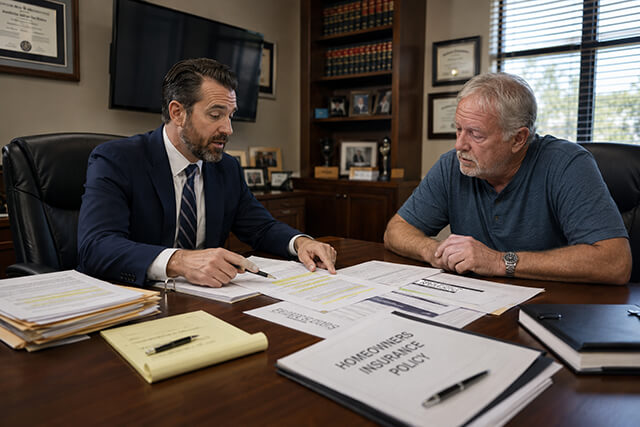
Questions About the Incident
This is usually where the EUO begins, with questions about the events leading up to and following the damage.
Sample Questions:
- What exactly happened?
- When and where did it occur?
- Who was present at the time?
- What did you do immediately after the incident?
- How did you first discover the damage?
- Did anything unusual happen before the incident?
What the Insurer Is Checking:
Insurers look for timeline consistency and accuracy of details across your statements and documents.
How to Answer:
Stick to facts, avoid speculation, and keep your answers concise. If you are unsure about a detail, it is better to say so than to guess.
Questions About Damages
Once the incident is covered, the focus shifts to the specific losses you are claiming.
Sample Questions:
- What items were damaged?
- What was their condition before the incident?
- Do you have proof of ownership?
- Have repairs been completed or started?
- Who inspected or evaluated the damage?
- Are there any items you have not yet documented?
What the Insurer Is Checking:
They want to confirm the accuracy of the claimed damage and whether it is supported by documentation.
How to Answer:
Refer to your records whenever possible and avoid estimating values from memory. Keep your answers aligned with the submitted documents.
Questions About Financial Background
In some cases, you may be asked broader questions that go beyond the property itself.
Sample Questions:
- What is your occupation and source of income?
- Have there been any recent financial challenges?
- Have you made any large purchases or transactions recently?
- Do you own other properties or assets?
What the Insurer Is Checking:
These questions help assess financial consistency and whether there are factors that require further review.
How to Answer:
Answer honestly and stay focused on the question asked. Do not provide unnecessary details beyond what is relevant.
Questions About Previous Claims
You may also be asked about your history with insurance claims.
Sample Questions:
- Have you filed any prior insurance claims?
- What were those claims related to?
- When were they filed?
- How were they resolved?
What the Insurer Is Checking:
Insurers review claim history to identify patterns and better understand your background.
How to Answer:
Be truthful and keep your responses straightforward. Consistency with past records is important.
Questions About Property Changes
Finally, expect questions about the condition and history of your property before the incident.
Sample Questions:
- Have there been any recent repairs or renovations?
- Was there any prior damage to the property?
- What maintenance has been done recently?
- What security measures were in place?
- Who had access to the property before the incident?
What the Insurer Is Checking:
They are evaluating pre-existing conditions and possible causes of the damage.
How to Answer:
Provide clear, factual answers based on your knowledge and records. Avoid assumptions about causes unless supported by evidence.
These sample questions are designed to test consistency, accuracy, and documentation. Preparing your responses in advance can help you stay focused, avoid confusion, and present your claim clearly during the EUO.
Quick Tips for Answering EUO Questions
Even with solid preparation, how you respond in the moment can shape how your answers are understood. These practical tips can help you stay clear, consistent, and in control during questioning:
- Use the 5-second Rule: Listen carefully, pause, and think before answering. This helps you avoid rushed or unclear responses.
- Answer Only What Is Asked: Be truthful and complete, but do not add extra details that were not requested.
- Expect Repeated Questions: The same question may be asked in different ways to check consistency. Stay steady in your responses.
- Stay Consistent: Do not change your answers unless you are correcting a clear mistake, and if you do, explain it clearly.
- Do Not Guess: If you are unsure, say “I do not recall at this time” or “I would need to check my records”.
- Avoid Overusing Memory Gaps: Too many uncertain answers may raise concerns, so rely on your documents where possible.
- Keep Answers Short and Clear: Avoid long explanations or storytelling that may create confusion.
- Stick to Your Documents: Your responses should align with what you have already submitted.
- Stay Calm and Professional: Even if questions feel repetitive or uncomfortable, maintain a composed tone.
- Ask for Clarification When Needed: If a question is unclear, it is better to ask than to assume and answer incorrectly.
Common Mistakes That Can Hurt Your Claim
Certain responses can unintentionally weaken your claim or create avoidable issues, such as:
- Guessing answers can lead to inaccuracies that may conflict with documents or earlier statements
- Over-explaining or providing too much detail can introduce inconsistencies or unnecessary information.
- Differences between your answers and prior records may raise credibility concerns.
- Getting defensive or reacting emotionally can affect how your answers are perceived.
- Ignoring document requests may delay the process or create doubt.
- Speaking in absolutes without certainty, with statements like “always” or “never”, can be challenged if exceptions exist.
- Interrupting or rushing responses can lead to incomplete or misunderstood answers.
Staying disciplined in how you answer is just as important as the information you provide. Clear, consistent, and thoughtful responses help support your claim and reduce unnecessary complications.
How an Attorney Helps in Preparing for an EUO
Preparing for an EUO can feel complex, especially when questions become detailed and technical. A property damage attorney can help you approach the process with structure and clarity, so you are not navigating it alone.

An attorney for EUO can support you by:
- Reviewing your claim file and identifying areas that may need clarification
- Helping you organize documents and build a consistent timeline
- Conducting preparation sessions to practice responses
- Explaining how to handle difficult or unclear questions
- Attending the EUO with you to provide guidance during the process
This preparation helps you stay confident, consistent, and focused on presenting accurate information.
Conclusion
An EUO is a formal step insurers use to better understand and verify your claim. While the process can feel demanding, preparation makes a meaningful difference. By organizing your information, practicing your responses, and staying consistent, you can approach the examination with greater control. Having a property damage attorney by your side can further strengthen your preparation and help you avoid common pitfalls. If you have been asked to attend an EUO, reach out to the Pandit Law team for guidance and a clear path forward.