
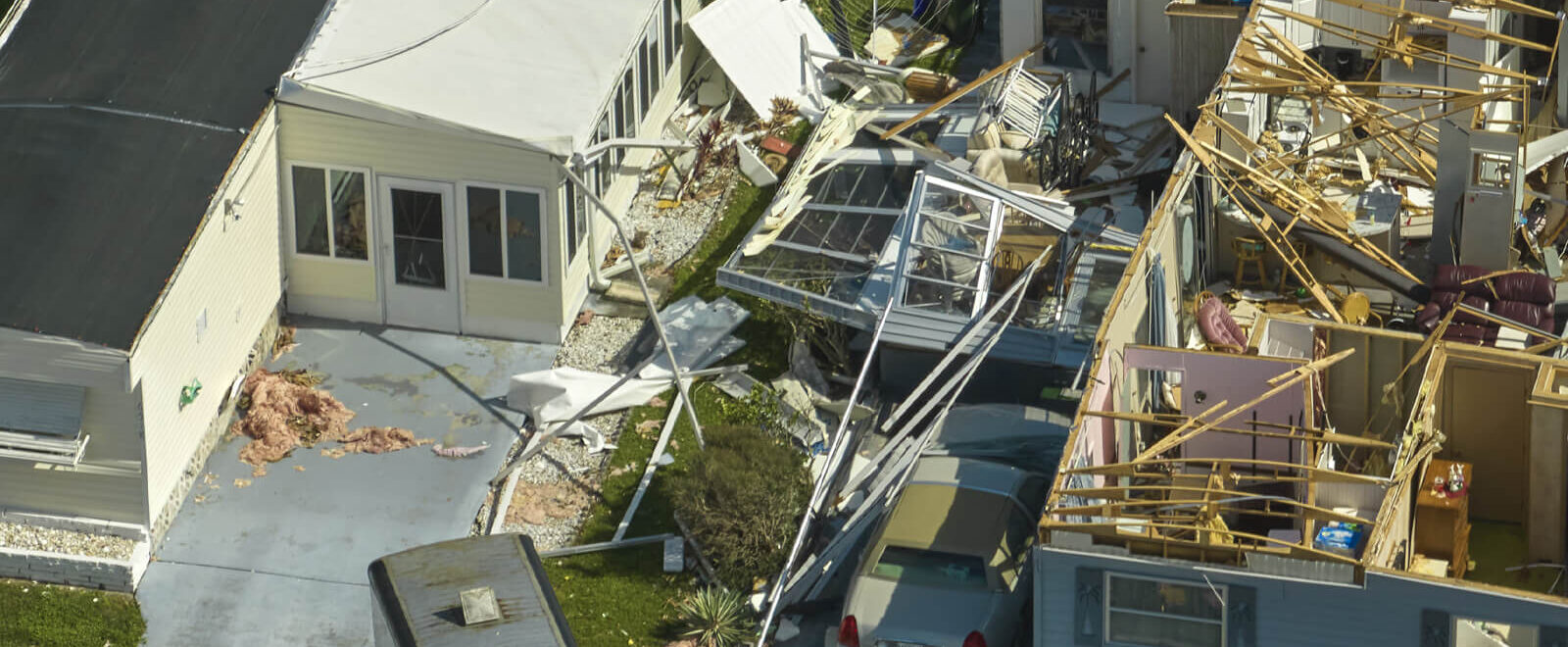
A tornado is one of the most destructive wind events a homeowner can face, with rotating winds powerful enough to rip off roofs, shatter windows, and level entire structures in minutes. If you’re asking, does homeowners insurance cover tornado damage? The short answer is: in most cases, yes.
But not every situation is treated the same. Coverage depends on your specific policy, deductibles, and exclusions. In most cases, tornado damage falls under windstorm coverage. However, details can vary, especially in states like Texas and Louisiana, where policy terms and deductibles differ. Texas alone averages over 130 tornadoes each year, among the highest in the U.S., while Louisiana sees frequent severe storms during peak seasons.
When damage is severe, and policy language becomes difficult to interpret, many homeowners find themselves unsure of what is actually covered or how to move forward with a claim. Having the right legal guidance can make a meaningful difference in understanding your options and addressing challenges with the insurance company. This guide explains what tornado insurance coverage typically includes, common limitations, and how the claims process works, so you know what to expect and when legal guidance may help protect your rights.
What Does Homeowners Insurance Typically Cover for Tornado Damage?
In most cases, tornado damage is covered under the “windstorm” peril in a standard HO-3 homeowners insurance policy. Coverage generally applies when the damage is sudden and accidental, which is typically how tornado-related losses occur. So, when homeowners ask, does homeowners insurance cover tornado damage, the answer is often yes. But the scope of that coverage depends on how the damage happened and what your policy includes.
Structural Damage to the Home (Dwelling Coverage)
Dwelling coverage protects the physical structure of your home when it is damaged by a covered event like a tornado. This is often the most significant portion of a claim.
Typical covered structural damage includes:

- Roof damage, such as uplift, missing shingles, or partial collapse, caused by high winds
- Damage to walls, windows, and even foundation cracks, if caused by wind pressure or flying debris
- Attached structures like garages, decks, and porches that are physically connected to the home
For coverage to apply, the damage must be directly linked to tornado winds or debris, not pre-existing issues or wear and tear.
Personal Property Damage
Homeowners insurance also covers personal belongings inside the home when they are damaged by a tornado.
Coverage may include:
- Furniture, electronics, appliances, and clothing damaged by wind or debris
- Items affected by rainwater entering through openings created by storm damage
- Belongings blown away or damaged off-premises, which may still be covered under certain policy terms
It’s important to review policy limits, as coverage amounts can vary depending on the type of property.
Other Structures Coverage
Structures that are not attached to your home are typically covered under a separate portion of your policy.
This may include:
- Detached garages
- Fences and sheds
- Outdoor structures like gazebos
Coverage for these structures is usually capped at a percentage of your dwelling coverage, which means limits may apply.
Additional Living Expenses (ALE / Loss of Use)
If a tornado leaves your home uninhabitable, your policy may cover the cost of temporary living arrangements.
This can include:
- Hotel stays or rental housing
- Increased food and daily living expenses
- Other necessary costs while repairs are underway
Coverage duration and limits depend on your specific policy terms.
Debris Removal
After a tornado, cleanup can be extensive. Many policies include coverage for debris removal.
This may cover:
- Removing fallen trees from insured structures
- Clearing debris from the property to make repairs possible
These benefits are often subject to specific limits within the policy.
Tree Damage
Tree damage is handled differently depending on the situation.
In general:
- Coverage applies if a tree falls due to a tornado and damages an insured structure.
- Removal may be limited if the tree does not hit a covered structure.
According to the Texas Department of Insurance, tree removal is often only covered if it blocks access to the home or damages insured property.
Overall, homeowners insurance may cover structural damage, personal belongings, detached structures, temporary living expenses, and debris removal after a tornado, provided the damage meets policy conditions and falls within coverage limits.
What Types of Tornado Damage Are NOT Covered by Homeowners Insurance?
While many tornado-related losses are covered, there are important exclusions homeowners should understand. Even though homeowners insurance often covers tornado damage, certain types of damage fall outside standard policy protection.
Flood Damage from Storm Surge or Heavy Rain
Flooding is one of the most common gaps in coverage.
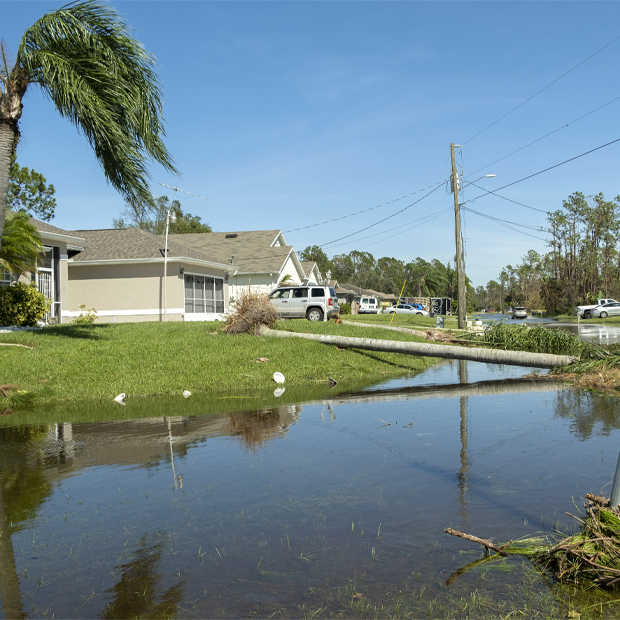
Standard homeowners insurance does not cover flood damage. This includes water from storm surge, overflowing rivers, or heavy rainfall accumulation. Separate flood insurance through the National Flood Insurance Program (NFIP) or private insurers is required to cover flood damage.
Gradual Damage or Neglect
Insurance is designed to cover sudden events, not long-term issues.
Claims may be denied if:
- Roof damage existed before the tornado and worsened over time.
- The property was not properly maintained.
- Damage is attributed to wear and tear rather than the storm itself.
High-Value Items Beyond Limits
Certain personal belongings have coverage limits, even during a tornado. For example, jewelry, artwork, and collectibles often have sub-limits. So, even if damaged during a storm, reimbursement may be capped.
The Texas Department of Insurance notes that you might need to purchase additional coverage for more comprehensive protection.
Indirect Losses
Not all storm-related losses are directly covered. For example, food spoilage due to power outages may have limited coverage and damage caused solely by utility failure is typically excluded unless specifically endorsed.
Detached Tree Removal Without Property Damage
Tree removal is not always covered. In most cases, if a tree falls but does not damage a covered structure, removal costs may not be reimbursed. However, limited exceptions may apply if access to the home is blocked by the fallen tree.
Ordinance or Law Upgrades (Unless Endorsed)
Rebuilding after a tornado may involve updated building codes. However, standard policies may not fully cover the cost of upgrades required by current laws. Additional endorsements are often needed for full protection in such cases.
Understanding these exclusions is just as important as knowing what is covered. It can help you avoid surprises and better prepare for potential gaps in your tornado insurance coverage.
Understanding Windstorm and Hail Deductibles for Tornado Damage
When a tornado damages your home, the deductible that applies is often different from a standard homeowners insurance deductible. In many policies, tornado-related losses fall under windstorm or hail deductibles, which can significantly affect how much you pay out of pocket.
So, if you’re asking, does wind and hail insurance cover tornado damage? The answer is generally yes, but the deductible structure plays a major role in your claim.
Percentage-Based Deductibles
Unlike flat deductibles, windstorm and hail deductibles are often calculated as a percentage of your dwelling coverage.
Here’s how they typically work:
- The deductible is usually 1% to 5% of your home’s insured value.
- For example, a $300,000 home with a 2% deductible means you pay $6,000 before insurance applies.
- Higher deductibles can lower premiums but increase out-of-pocket costs during a claim.
This structure is common in storm-prone states like Texas and Louisiana.
Hurricane vs Tornado Deductibles
It’s also important to understand how different storm deductibles apply.
In most cases:
- Tornado damage falls under the windstorm deductible, not the hurricane deductible.
- Hurricane deductibles typically apply only to named storms declared by the National Weather Service.
- If a tornado occurs outside of a named hurricane event, the standard windstorm deductible usually applies.
Understanding which deductible applies can help you better anticipate your financial responsibility after a tornado.
Understanding Windstorm and Hail Deductibles for Tornado Damage
Another key factor in tornado claims is how your insurance policy values damaged property. Policies typically use either Actual Cash Value (ACV) or Replacement Cost Value (RCV), and the difference can directly impact your payout.
Here’s a clear comparison to help you understand:
| Factor | Actual Cash Value (ACV) | Replacement Cost Value (RCV) |
| What It Is | Pays the value of items after depreciation | Pays the cost to replace items at current prices |
| Roof Coverage Differences | Older roofs may receive reduced payouts based on age and wear | Roof replacement is typically covered at full cost (subject to policy terms) |
| Payout Structure | Lower initial payment due to depreciation deductions | Higher payout, often released in stages as repairs are completed |
| Out-of-Pocket Costs | Higher, since you cover the depreciation gap | Lower, though deductibles still apply |
| Policy Cost (Premiums) | Generally lower premiums | Typically higher premiums for broader coverage |
Why This Matters for Tornado Claims
After a tornado, repair and rebuilding costs can add up quickly. Whether your policy uses ACV or RCV can influence how much you receive and how much you need to pay out of pocket. Understanding this distinction helps you set realistic expectations and better prepare for the financial side of recovery.
How Does Tornado Coverage Work in Texas and Louisiana?
Tornado insurance coverage can vary depending on state-specific rules, policy structures, and legal protections. Homeowners in Texas and Louisiana face different risks and insurance frameworks, which directly affect how claims are handled after a tornado.
Texas Tornado Damage Coverage
In the Lone Star State, tornado damage is typically covered under windstorm provisions in a homeowners policy. However, high-risk geography and legislative timelines can make coverage more complex.
Here’s how tornado insurance coverage generally works in Texas:
- Standard policies usually include windstorm coverage, but homeowners in 14 coastal counties (and parts of Harris County) may require separate coverage through the Texas Windstorm Insurance Association (TWIA).
- Windstorm deductibles are often percentage-based (1%–5%), which can significantly affect how much a homeowner pays before coverage applies.
- Some policies may apply actual cash value to roofs, meaning depreciation may reduce the payout.
Texas law also outlines clear timelines insurers must follow under the Texas Prompt Payment of Claims Act:
- Insurers have 15 days to acknowledge a claim.
- They must accept or deny the claim within 15 business days after receiving all required information.
- Once approved, payment is generally required within 5 business days.
If insurers fail to meet these deadlines, penalties may include interest on the claim amount and additional damages, depending on the specific circumstances. However, for major weather events, insurers may receive a limited extension to process claims.
Damage from “rising water” is excluded from windstorm policies. So, if wind and flood damage occur together, the insurer may dispute the claim unless the damages are clearly segregated.
Texas experiences some of the highest tornado activity in the U.S. This high claim severity has led to rising premiums and stricter policy terms regarding roof age and maintenance across the state.
Louisiana Tornado Damage Coverage
In Louisiana, tornado damage is also typically covered under the wind peril in standard homeowners policies. However, the way deductibles and claims are handled differs from Texas.
Key aspects of tornado insurance coverage in Louisiana include:
- Tornado damage is generally included under standard wind coverage in most policies.
- Policies often separate hurricane (named storm) deductibles from standard wind deductibles. So, a tornado from a spring thunderstorm might trigger the lower wind deductible, while one during a tropical event would trigger the much higher hurricane deductible.
- Flood damage remains excluded and requires separate coverage.
- If a tornado causes a “total loss,” Louisiana law may require the insurer to pay the full policy limit.
Louisiana law provides specific consumer protections under Louisiana Revised Statutes 22:1892:
- In most cases, insurers must initiate loss adjustment within 14 days and pay or deny claims within 30 days of receiving satisfactory proof of loss.
- This deadline can extend to 60 days in instances of catastrophic events which typically require homeowners to send a 60-day Cure Period Notice, giving the insurer a final opportunity to resolve the claim.
- Failure to comply can result in penalties plus reasonable attorney fees in certain cases.
Louisiana’s seasonal severe weather patterns often create “mixed-peril” events where tornadoes occur alongside heavy rain events or flash flooding. This combination makes proof of “wind-first” damage critical to avoiding the standard flood exclusion.
What to Do After Tornado Damage? Step-by-Step Guide to Filing a Claim
The aftermath of a tornado can feel overwhelming, especially when you’re dealing with property damage and uncertainty about your insurance coverage. Taking the right steps early can help protect your claim and avoid unnecessary delays.

Here’s a practical step-by-step guide to help you move forward:
- Ensure Safety and Evacuate If Needed: Prioritize your safety and the safety of your family. Leave the property if it is unsafe or structurally unstable.
- Document Damage With Photos and Videos: Once safe, capture clear images of all visible damage, including the roof, interior, personal belongings, and surrounding areas.
- Prevent Further Damage: Make temporary repairs, such as covering broken windows or exposed roofs, to limit additional loss.
- Contact Your Insurance Company: Notify your insurer as soon as possible to begin the claims process.
- Review Your Policy Coverage: Understand what your policy includes, especially windstorm deductibles and exclusions.
- Keep Receipts for Expenses: Save records of emergency repairs, temporary housing, and other related costs.
- Schedule an Inspection: Contact your insurer to schedule an inspection where an adjuster will assess the damage.
- Get Independent Repair Estimates: Get independent repair estimates from reconstruction experts to better understand the scope of repairs.
- Track Your Claim Progress: Keep records of communications, deadlines, and any updates from your insurer.
- Contact a Tornado Damage Claim Lawyer: If your claim is delayed, denied, or underpaid, get legal guidance to better understand your options.
Following these steps can make a meaningful difference in how smoothly your claim process unfolds and how well your damages are documented.
How a Lawyer Helps with Tornado Damage Claims
When dealing with storm-related damage, policy language and claim handling can quickly become complex. A property damage attorney can help you better understand your coverage and address challenges that arise during the claims process.
Here’s how legal support may assist with tornado or hail-related claims:
- Review Your Policy for Coverage and Deductibles: A lawyer can identify how windstorm provisions and deductibles apply to your situation.
- Collect and Document Strong Supporting Evidence: Your lawyer can organize damage reports, photos, and repair estimates to strengthen your claim.
- Calculate the Full Value of Your Claim: An attorney ensures all covered losses, including structural, personal property, and additional living expenses, are properly considered.
- Negotiate With the Insurer: Legal representation can help address disputes over damage assessments or coverage interpretations.
- Dispute Denials or Underpayments: If your claim is not handled fairly, a lawyer can challenge the insurer’s decision.
- Address Bad Faith and Meet Deadlines: Attorneys help ensure insurers follow applicable laws and timelines while protecting your rights.
Having experienced legal guidance can provide clarity and support when navigating the complexities of tornado and hail damage claims.
Conclusion
Tornado damage is often covered under homeowners insurance, but the details matter. Small differences in policy wording and deductibles can significantly impact what is covered, especially in states like Texas and Louisiana.
Understanding how your policy applies before and after a storm can help you avoid surprises and better protect your financial recovery. When questions arise about coverage, delays, or claim disputes, having the right guidance can make a meaningful difference in how your claim is handled.
If you’re facing challenges with a tornado damage claim, contact Pandit Law to better understand your options and next steps.
Frequently Asked Questions
Yes, most homeowners insurance policies cover roof damage caused by tornado winds or flying debris. Coverage typically applies if the damage is sudden and accidental. However, older roofs or policies with actual cash value terms may reduce the payout due to depreciation.
In most cases, you do not need separate tornado insurance because tornado damage is usually included under windstorm coverage in a standard policy. However, you may need additional coverage for related risks like flooding, which is not included in homeowners insurance.
Water damage is covered if it results directly from storm damage, such as rain entering through a torn roof or broken window. However, flooding from rising water or storm surge is not covered and requires a separate flood insurance policy.
Yes, many policies include additional living expenses coverage if your home becomes uninhabitable after a tornado. This may help pay for temporary housing, meals, and other necessary living costs, subject to policy limits and conditions.
Filing deadlines vary by policy and state law, but you should notify your insurance company as soon as possible after the damage occurs. Delays can complicate the process or impact your ability to recover under your policy.
If your home is severely damaged or destroyed, your policy may cover rebuilding costs and replacement of personal belongings, depending on your coverage type and limits. The claim process will involve inspections, documentation, and settlement based on policy terms.
Insurance may deny wind damage claims if the damage is linked to exclusions, lack of maintenance, or disputes over the cause of loss. For example, if flooding is involved, the insurer may limit or deny coverage for certain portions of the damage.