
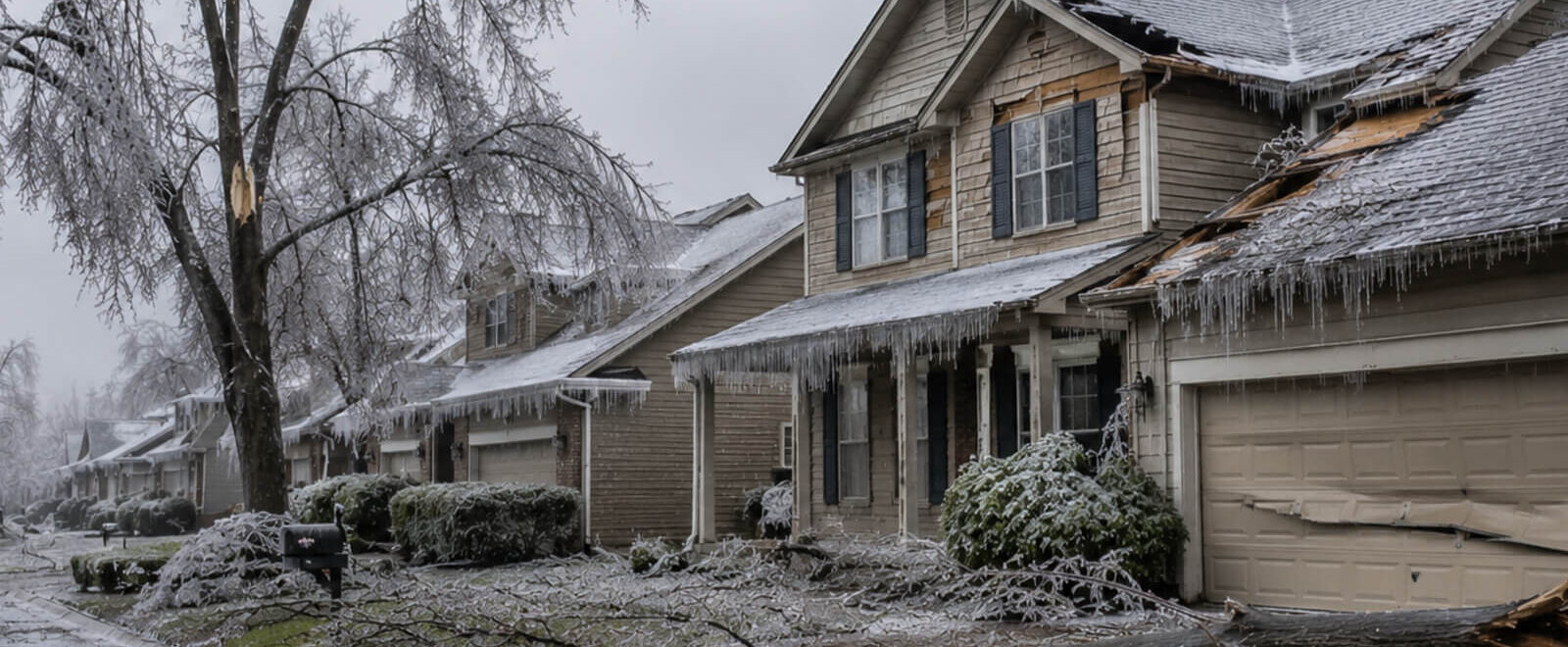
Winter storms can cause serious damage in a matter of hours. Burst pipes, ice-damaged roofs, and structural issues can disrupt your home and daily life. When you file a claim, you expect support. Instead, a denial can leave you dealing with repairs, expenses, and uncertainty on your own.
What many policyholders don’t realize is that some denials can be challenged with the right legal approach. Working with an attorney experienced in denied winter storm claims can help you understand your policy, address the insurer’s reasoning, and take the right steps to protect your claim.
This guide explains why winter storm claims get denied and how an attorney can step in to review your situation and help you pursue the compensation available under your policy.
Common Reasons Winter Storm Insurance Claims Are Denied
A denied claim often comes down to how the insurer interprets your policy and the evidence you provide. Understanding the most common reasons behind denials can help you identify gaps in your claim and respond more effectively.
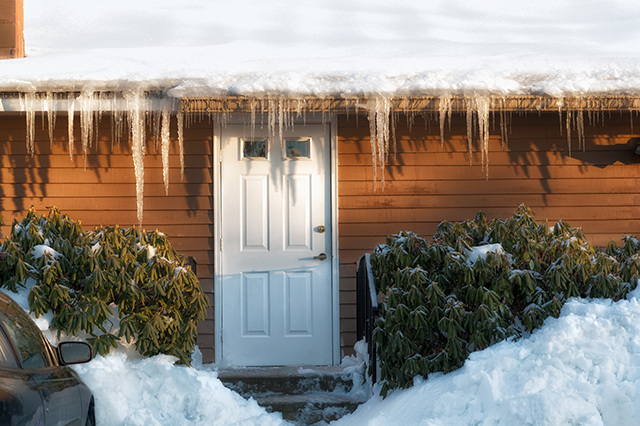
Lack of Proper Documentation
Insurance companies rely heavily on documentation to verify both the damage and its cause. When key evidence is missing or incomplete, they may deny the claim.
Missing or unclear photos, along with the lack of repair estimates or inspection reports, can make it difficult to prove the extent of damage. It can also raise doubts about how and when the damage occurred.
Even if the damage is real, insufficient documentation can make it harder to connect it directly to the winter storm.
Policy Exclusions and Coverage Gaps
Not all winter-related damage is covered the same way. Many denials stem from confusion around what the policy actually includes.
Damage caused by flooding may not be covered under a standard homeowners insurance policy. Certain types of ice or water damage may fall under specific exclusions. Policy language may include limitations that are easy to overlook in the fine print.
These gaps often become an issue when insurers interpret coverage narrowly.
Pre-Existing Damage Allegations
Insurers frequently argue that the damage existed before the storm, especially in older properties.
They may claim the issue was due to wear and tear rather than sudden storm damage. Maintenance-related problems can be used to justify denial. Additionally, a lack of prior inspection records can make it harder to dispute these claims.
This type of denial often comes down to proving when and how the damage occurred.
Late Claim Filing
Most policies include a requirement to report damage promptly. Delays can raise concerns for insurers.
Missing deadlines or delaying reporting can lead to denial, as insurers may argue that delayed reporting made it harder to assess the damage accurately. Such “prompt notice” clauses are commonly enforced in both Louisiana and Texas policies.
Acting quickly after a storm can help avoid these complications.
Failure to Maintain or Mitigate Damage
Policyholders are generally expected to take reasonable steps to prevent further damage after a loss.
Not addressing leaks or exposed areas can worsen the condition of the property. Delays in temporary repairs may be viewed as neglect, and insurers may argue that additional damage could have been avoided.
This does not mean you must make full repairs immediately, but reasonable steps matter.
Causation Disputes
One of the most common reasons for denial is disagreement over what caused the damage.
Insurers may argue that frozen pipes burst due to maintenance issues, not the storm. Roof damage may be attributed to aging rather than ice accumulation. Moreover, multiple contributing factors can complicate the claim.
Causation disputes often require strong evidence to show that the winter storm was the primary cause.
Understanding these denial reasons can help you identify where your claim may need stronger support and what steps to take next.
What to Do If Your Winter Storm Claim Is Denied
A denial does not mean your claim is over. In many cases, you can take additional steps to challenge the decision and strengthen your position. Acting quickly and strategically can make a meaningful difference.

1. Review the Denial Letter Carefully
Start by understanding exactly why your claim was denied.
- Identify the specific reasons listed in the denial letter.
- Compare those reasons with your policy terms and coverage details.
- Look for any inconsistencies or vague explanations.
This step sets the foundation for everything that follows.
2. Gather Additional Evidence
If documentation was lacking or unclear, strengthening your evidence can help support your claim.
- Collect photos and videos that clearly show the damage.
- Obtain detailed contractor estimates or repair reports.
- Consider independent inspections from qualified professionals.
Stronger evidence can directly address the insurer’s concerns.
3. Request a Re-Evaluation or File an Appeal
Once you have additional documentation, you can ask the insurer to take another look.
- Submit supplemental evidence along with a clear explanation.
- Request a reinspection if needed.
- Follow the insurer’s formal appeal process carefully.
A well-supported appeal can lead to a different outcome.
4. Maintain Proper Documentation
Keeping organized records can protect your claim and support your position.
- Save all emails, letters, and claim-related communications.
- Document phone calls, including dates and key details.
- Send a pre-suit notice when appropriate to formally raise your dispute.
Clear records help establish a consistent timeline and strengthen your case.
5. Consider Legal Assistance Early
Handling a denied claim on your own can become challenging, especially when insurers dispute key issues like coverage or causation.
Legal guidance can help you avoid missteps that may weaken your claim. An experienced winter storm claims attorney can review your denial and identify gaps. Their early involvement often leads to a more structured and strategic approach.
Taking the right steps after a denial can improve your chances of moving your claim forward and protecting your rights.
How a Denied Winter Storm Claims Attorney Helps
When a claim is denied, the process can quickly become complex. An attorney can step in to clarify your options, address insurer concerns, and build a stronger path forward based on the facts of your case.

Policy Interpretation and Coverage Analysis
Insurance policies often include detailed language that can be difficult to interpret.
An attorney can review policy terms to identify overlooked coverage and clarify how exclusions apply to your specific situation. They can also spot potential misinterpretations in the insurer’s reasoning.
This helps ensure your claim is evaluated under the correct terms.
Building a Strong Evidence-Based Case
A strong claim relies on clear and credible evidence.
Your attorney can develop a clear causation narrative that ties the damage directly to the winter storm using technical and supporting evidence. They work with professionals to support causation arguments and organize documentation in a way that strengthens your position.
This structured approach can make your claim more persuasive.
Handling Communication with Insurance Companies
Miscommunication can sometimes lead to further complications.
An attorney experienced in denied winter storm claims can handle discussions with insurers on your behalf. They help prevent statements that could be misunderstood or used against you and manage negotiations in a clear and professional manner.
This allows you to focus on recovery while your claim is handled strategically.
Filing Appeals and Legal Claims
If an appeal is necessary, having legal support can make the process more effective.
Your attorney will prepare and submit formal appeals with supporting evidence. They ensure all required documentation is included and properly presented, and, if needed, pursue further legal action to challenge the denial.
Each step is handled with attention to detail and procedural requirements.
Identifying Bad Faith Insurance Practices
In some cases, insurers may not handle claims fairly. Delays, inadequate investigations, or unsupported denials may raise concerns.
A property damage attorney can evaluate whether the insurer followed proper claims practices. They can also outline available legal options if issues arise.
This helps ensure accountability in the claims process.
Maximizing Compensation
A denied claim may overlook certain categories of damage.
Your attorney can review the full scope of loss, including structural damage, and identify additional covered expenses, such as temporary living costs when applicable. They also work to ensure all eligible damages are properly considered.
This approach focuses on recovering what your policy covers.
Providing State-Specific Guidance for Louisiana and Texas Claims
Claims in Louisiana and Texas must follow specific legal and procedural requirements.
An experienced attorney ensures compliance with state-specific deadlines and claim processes. They apply local legal knowledge to challenge denials effectively and tailor strategies based on how insurers operate in these regions. This local insight can play an important role in strengthening your claim.
Working with an attorney can bring clarity and structure to a denied claim, helping you move forward with a more informed and strategic approach.
Conclusion
A denied winter storm claim can feel like a setback, but it does not mean your options are exhausted. Many denials involve issues that can be challenged with a structured and well-supported approach. With a clear strategy and strong supporting evidence, it is often possible to challenge the decision and move your claim forward.
If you are facing a denial, speaking with a property damage attorney can help you better understand your rights and next steps. Contact Pandit Law for a free case evaluation and learn how you can challenge a denied claim with confidence.
Frequently Asked Questions
Start with an appeal if the issue involves missing evidence or policy interpretation. A lawsuit may be considered if the insurer continues to deny a valid claim or fails to address your appeal fairly.
You should consider contacting an attorney soon after receiving a denial letter, especially if the reason is unclear or disputed. Early legal guidance can help you avoid mistakes and take the right steps to strengthen your claim.