
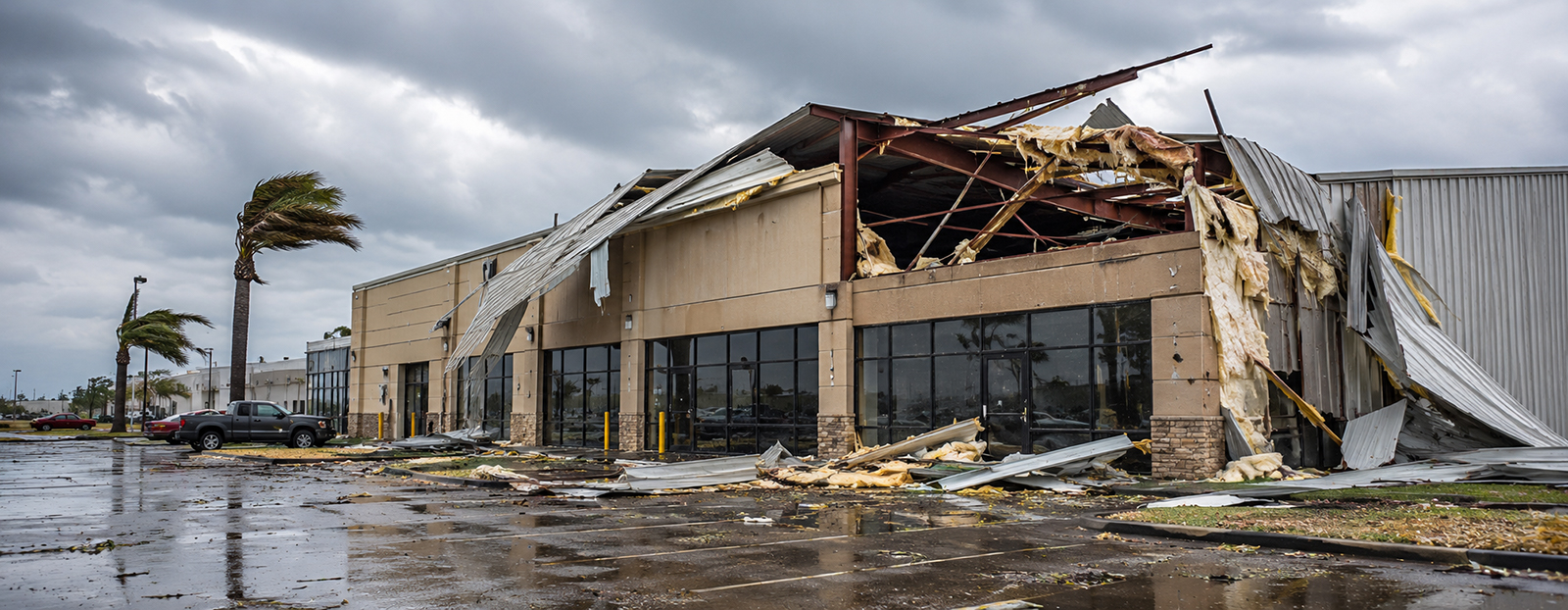
When strong winds hit the Gulf Coast, they don’t just damage buildings; they can bring business operations to a sudden What Does Commercial Wind Insurance Actually Cover?halt. High winds can damage roofs, compromise building structures, and allow water to enter interiors, leading to costly repairs and operational disruptions.
According to the National Oceanic and Atmospheric Administration, billion-dollar weather disasters, including wind-driven storms, have become more frequent in recent years across Louisiana and Texas. For business owners, these events and the resulting claims often involve more than property damage. They can impact daily operations, delay reopening, and reduce revenue.
Understanding how these claims work, what is typically covered, and the steps to take after a loss can help you protect your property and respond effectively when damage occurs.
Common Commercial Wind Damages to Look For
After a windstorm, damage is not always obvious at first glance. A thorough inspection helps you identify both visible and hidden issues that may affect your property and operations directly.
Here are the most common types of damage business owners should look for:
- Roof Damage: High winds can tear membranes, lift roofing materials, or remove shingles, leaving the building exposed to further damage.
- Structural Damage: Strong gusts may weaken walls, facades, or framing, affecting the overall stability of the structure.
- Broken Windows and Glass Damage: Flying debris can shatter windows and doors, creating entry points for wind and rain.
- Water Intrusion and Interior Damage: Wind-driven rain can enter through compromised areas, damaging ceilings, walls, and flooring.
- HVAC and Rooftop Equipment Damage: Rooftop units are especially vulnerable to uplift, impact, or displacement.
- Exterior Damage: Siding, signage, gutters, and doors may loosen, detach, or break under pressure.
- Debris Impact Damage: Trees, branches, and airborne objects can cause sudden and severe property damage.
- Electrical and Power-Related Issues: Wind damage can affect wiring, panels, or external connections, leading to outages or safety concerns.
- Inventory and Stock Damage: Water exposure or structural compromise can ruin stored goods and materials.
- Equipment and Machinery Damage: Critical business equipment may be damaged by moisture, debris, or power disruptions.
Identifying these issues early helps support accurate documentation and stronger commercial wind damage claims.
What Does Commercial Wind Insurance Actually Cover?
Understanding what your policy includes and excludes can make a significant difference when handling commercial wind claims. Coverage often depends on how the damage occurred and how your policy is written, especially in storm-prone states like Texas and Louisiana.
What Is Typically Covered
Most commercial policies cover direct physical damage caused by wind. However, the scope of coverage often hinges on specific conditions outlined in your policy.
A standard commercial policy may cover:
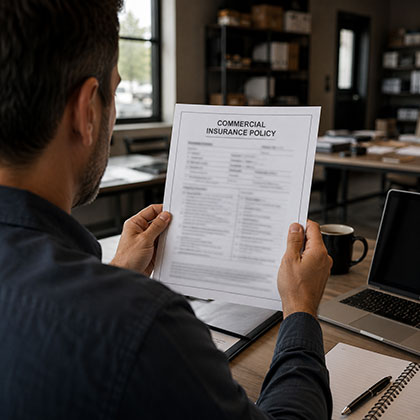
- Structural Damage: Policies generally cover damage to the building itself, including roofs, walls, and framing, when wind is the direct cause.
- Wind-Driven Rain Through Storm-Created Openings: Interior damage is often covered if wind first creates an opening, such as a torn roof or broken window, allowing rain to enter.
- Equipment and Inventory Damage: Many policies extend coverage to business personal property, including machinery, equipment, and stored goods damaged during the event.
- Business Interruption Losses: Coverage may apply if storm damage forces your business to pause operations. This can include lost income and certain ongoing expenses, depending on policy terms.
What Is NOT Covered (Common Exclusions)
Key commercial policy exclusions can significantly affect your claim outcome, including:
- Flood Damage: Standard policies do not cover flooding. Businesses typically need separate flood insurance for rising water events.
- Wear and Tear or Poor Maintenance: Insurers may deny claims if damage results from long-term deterioration rather than a sudden wind event.
- Pre-Existing Damage: Damage that existed before the storm may not qualify for coverage.
- Concurrent Causation Issues: If both wind and flood contribute to damage, insurers may limit or deny coverage based on policy language.
Texas and Louisiana-Specific Coverage Issues
State-specific rules and coastal risks can directly impact coverage availability and claim handling.
Texas (TWIA and Coastal Exclusions)
In designated coastal counties, standard insurers may exclude windstorm coverage. Businesses often rely on the Texas Windstorm Insurance Association (TWIA) for wind and hail protection. Eligibility requires meeting specific building code and inspection standards.
Louisiana (High-Risk Zones and State-Backed Coverage)
In high-risk areas, businesses may need coverage through the Louisiana Citizens Property Insurance Corporation when private insurance is limited. These policies can carry stricter terms and higher deductibles for wind events.
How to File a Commercial Wind Damage Insurance Claim
Filing commercial wind insurance claims requires a clear, well-documented approach. Taking the right steps early can help support your claim and reduce the risk of disputes later.
Step 1: Assess Visible and Hidden Damages
Start with a thorough inspection of your property. Look beyond obvious damage and identify less visible issues such as moisture intrusion or structural weakening. Early assessment helps ensure nothing is overlooked when initiating your claim.
Step 2: Document the Damage Immediately
Capture detailed evidence before any cleanup begins.
- Take clear photos and videos of all affected areas.
- Document damaged inventory, equipment, and structural components.
- Maintain records of operational disruptions, including lost revenue and downtime.
Step 3: Prevent Further Damage
Most policies require you to take reasonable steps to limit additional damage. Use temporary measures like tarping roofs or boarding windows. Be sure to keep all receipts and records of emergency repairs for your claim file.
Step 4: Notify Your Insurance Company
Report the loss as soon as possible. Prompt notice helps initiate the claims process and establishes a timeline for your commercial wind insurance claim.
Step 5: Get Independent Estimates
Consider obtaining estimates from qualified contractors or third parties. Independent evaluations can help validate the scope and cost of repairs, especially in larger losses.
Step 6: Submit Detailed Proof of Loss
Prepare a comprehensive submission that includes:
- Repair estimates and supporting documentation
- Photographic evidence and inspection reports
- Financial records supporting operational losses and downtime
Step 7: Work with an Attorney
For complex or disputed claims, a property damage attorney can help:
- Interpret policy language
- Address delays, denials, or underpayments
- Advocate for a fair evaluation of your losses
Common Problems Businesses Face with Wind Damage Insurance Claims
Even well-prepared commercial wind damage claims can run into challenges. Understanding common issues can help you respond more effectively and protect your interests.
Claim Denials
Insurers may deny claims for several reasons, including:
- Allegations that damage was not caused by wind
- Claims of pre-existing damage or lack of maintenance
- Policy exclusions that limit or eliminate coverage under specific conditions
Underpayment of Claims
Some approved claims may be undervalued because:
- Repair estimates may not reflect the full scope of damage.
- Insurers may approve partial replacements instead of full system repairs.
- Operational losses may be calculated conservatively.
Wind vs. Flood Disputes
In storm-prone regions, insurers often dispute the cause of damage. Insurers may attribute damage to flooding rather than wind, which can significantly restrict or eliminate coverage under standard commercial policies.
Delays and Bad Faith Tactics
Delays can disrupt recovery and prolong business interruption through:
- Slow responses or extended investigations
- Repeated requests for documentation already submitted
- Lack of clear communication during the claims process
If your commercial wind insurance claim is delayed, underpaid, or denied, a property damage attorney can help you evaluate your situation and determine the most effective next steps for your claim.
What to Do If You Have a Denied Wind Damage Insurance Claim for Commercial Property
A denial does not always mean the process is over. If you’re dealing with a denied commercial wind damage claim, taking a structured approach can help you reassess your options and strengthen your position.
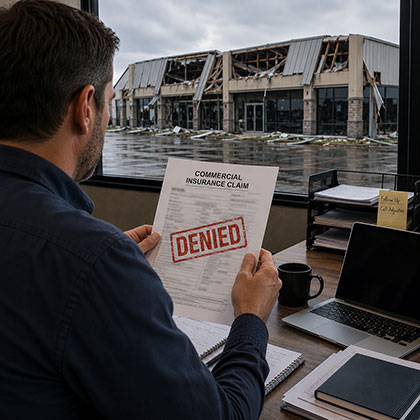
- Review the Denial Letter Carefully: Understand the insurer’s reasoning, including cited exclusions, policy language, and any stated gaps in evidence.
- Gather Independent Evidence: Obtain inspections, repair estimates, and expert opinions to support the cause and extent of damage.
- File a Supplemental or Reopened Claim: If new damage or overlooked losses are identified, you may be able to submit additional documentation for reconsideration.
- Understand Your Legal Rights: Review the state-specific laws in Texas and Louisiana that provide protections around claim handling, timelines, and insurer conduct.
- Contact a Wind Damage Claim Attorney: A property damage attorney can help evaluate the denial and identify potential next steps.
Taking timely action can help you move forward with greater clarity.
Tips to Protect and Maximize Your Commercial Wind Insurance Claims
Proactive planning can make a meaningful difference when handling commercial wind damage claims. Here are key practical tips that can help strengthen your claim and reduce potential disputes:
- Review Your Policy Annually: Regular reviews help you stay aware of coverage limits, exclusions, and any changes that may affect future claims.
- Ensure Adequate Coverage Limits: Confirm that your policy reflects current property values, equipment costs, and operational needs.
- Document Assets Regularly: Maintain updated records of inventory, equipment, and property conditions to support claim documentation.
- Understand Your Deductibles: Knowing how wind deductibles apply can help you prepare for claim scenarios.
- Invest in Mitigation Measures: Improvements like reinforced roofing or storm shutters can reduce damage and support your claim.
- Maintain Maintenance Records: Keeping detailed logs can help address disputes related to wear and tear or upkeep.
- Track Business Operations Consistently: Accurate financial records can support business interruption components of your claim.
Being prepared before a storm can make the claims process more manageable and better supported.
How a Wind Insurance Claim Lawyer Can Help Your Business
Commercial wind claims often involve layered policy terms, particularly in high-value losses or disputed claims. A property damage attorney can provide guidance at different stages of the process, including:
- Policy Interpretation: Reviewing your policy to clarify coverage, exclusions, and how specific provisions apply to your claim
- Claim Valuation: Assessing the full scope of damage, including structural issues, equipment losses, and business interruption
- Negotiation with the Insurer: Communicating with the insurance company to address disputes, delays, or disagreements in valuation
- Litigation (If Needed): Representing your business if the claim cannot be resolved through negotiation
- Handling Complex Claims: Managing claims involving multiple properties, extensive damage, or significant operational losses
- Documentation Review and Strategy: Identifying gaps in evidence and strengthening the overall claim presentation
The right legal guidance can help you assess your position and approach the claims process with greater clarity and direction.
Conclusion
Commercial wind insurance claims often involve multiple types of damage and policy conditions that can complicate recovery. Many businesses face challenges with incomplete assessments or underpaid claims, which can impact recovery and operations. Taking early action, documenting losses thoroughly, and understanding your coverage can make a meaningful difference.
If you’re dealing with storm-related damage or facing challenges with your claim, speaking with a property damage attorney can help you evaluate your claim and determine the most effective next steps. Contact Pandit Law for a free claim evaluation and guidance tailored to your situation.
Frequently Asked Questions
Wind damage typically includes direct physical damage caused by strong winds, such as roof damage, broken windows, or structural issues. Interior damage may also be covered if wind first creates an opening that allows rain to enter the building.
Wind deductibles in commercial policies often differ from standard deductibles and may be based on specific policy terms. They can vary depending on location, especially in coastal areas, and are usually outlined clearly in your insurance policy documents.
Yes, in some cases, you may be able to reopen or supplement a claim if additional damage is discovered after the initial filing. This typically requires supporting documentation and depends on your policy terms and applicable state laws.
You may not always need a lawyer, but legal guidance can help if your claim involves significant losses, disputes, or delays. A property damage attorney can review your policy and help you better understand your rights and next steps.