

Many Texas and Louisiana homeowners carry insurance, believing it will cover the types of losses most common in the region – hurricanes, flooding, shifting foundations, plumbing failures, and mold. The reality is far more complicated. The region’s weather extremes, coastal exposure, and soil conditions create real vulnerabilities that a standard policy simply doesn’t account for. They exclude some of the most expensive types of property damage, and those exclusions drive many of the denied and underpaid claims we see at Pandit Law.
Too often, families find out the hard way that the protection they were counting on quietly stops right where they need it most.
- Floodwater that destroys a home? Not covered.
- Foundation that shifts after weeks of heat or rain? Not covered.
- Windstorm damage from a named hurricane? Covered, but only sometimes.
Understanding what homeowners insurance does not cover is more than reading every line of your policy. It is the first step in recognizing the high-risk areas insurers routinely refuse to cover and avoiding costly surprises.
This guide walks you through each major homeowners insurance exclusion so you can understand why they exist, spot vulnerabilities early, strengthen your coverage, and close gaps before a sudden loss leaves you unprotected.
Does Your Homeowners Insurance Actually Cover Flood Damage Completely?

No. Flooding is the single biggest homeowners insurance exclusion, the one that catches many families off guard.
The Universal Flood Exclusion
Standard policies across the U.S. define “flood” in a very narrow, specific way:
- Rising water from outside your home
- Storm surge
- Overflowing rivers, bayous, or drainage systems
None of this is covered under a regular homeowners policy. In Texas and Louisiana, where hurricanes, storm surges, and heavy rain events are routine, this gap leaves many homeowners at enormous risk.
To be protected, homeowners must purchase flood insurance, often through the National Flood Insurance Program (NFIP) or a private insurer. Without it, even a few inches of water can lead to losses your policy simply won’t pay for.
Groundwater and Seepage Exclusion
Insurers often classify slow seepage or groundwater intrusion as a maintenance issue, not a sudden event. The following are usually excluded:
- Water entering through cracks
- Moisture rising through the foundation
- Underground water leaks
To a homeowner, that may seem unfair, but insurers argue that seepage occurs over time and should be prevented through routine upkeep. Unfortunately, soil conditions in Louisiana and Texas make seepage incredibly common, leaving homeowners with damage that is expensive to repair and almost always uninsured.
The Wind-Water Controversy
After hurricanes, which are primarily wind events, insurers sometimes try to assign more damage to the flood portion of the loss, since that’s the part the homeowners policy won’t cover.
When wind tears off part of the roof, but a storm surge arrives later, the cause of damage becomes a battleground, and insurers may try to shift as much of the loss as possible to the excluded flood category. This is why many families receive dramatically smaller payouts than expected after a storm.
Are Foundation Cracks, Shifting Soil, or Earth Movement Covered Under Your Homeowners Insurance Policy?
No. Anything that involves the ground beneath your home is usually excluded from standard homeowners insurance, even when it happens after severe weather.
Standard Earth Movement Exclusions
Most policies explicitly exclude losses caused by:
- Landslides
- Shifting soil
- Settling or shrinking
- Sinkholes (unless you have special coverage)
Even if the movement was triggered by storms or nearby construction, these losses fall under the provisions that homeowners insurance does not cover. The result is that homeowners are often left paying for extensive structural repairs with little or no insurance support.
Texas-Specific Soil Expansion and Contraction
Texas clay soils swell when wet and shrink when dry. This movement can crack slabs, shift walls, or create gaps around windows and doors. Despite how widespread this problem is, insurers treat soil-related foundation movement as natural and gradual, which makes it excluded. This can be financially devastating, with repairs often exceeding tens of thousands of dollars, especially when structural stabilization or foundation replacement is required.
Does Your Policy Homeowners Insurance Cover Coastal Windstorms or Are You Missing Critical Coastal Coverage?
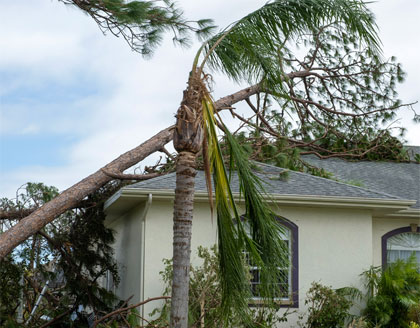
Not fully. Homeowners near the coast face unique exclusions, special deductibles, and coverage requirements that can leave them exposed in severe weather.
TWIA (Texas Windstorm Insurance Association)
In many Texas coastal counties, insurers exclude wind and hail altogether from standard policies. Homeowners must buy a separate TWIA policy to cover:
- Windstorm damage
- Hail damage
- Named storm losses
TWIA also requires certain inspections and building code compliance as a condition of coverage. Without these, many homeowners unknowingly have no wind coverage at all.
Louisiana’s Named Storm and Hurricane Deductibles
Louisiana policies often include special deductibles that apply only when:
- A hurricane watch or warning is issued
or - A named storm makes landfall
These deductibles are a percentage of the home’s insured value, commonly 2% to 5%. For example, for a $300,000 home, that’s a $6,000-$15,000 out-of-pocket cost before coverage starts.
This is a major area where homeowners insurance does not cover what people assume it does, and many families discover this gap only after a hurricane causes substantial damage.
Will Your Homeowners Insurance Policy Pay for Slow Leaks, Long-Term Water Damage, or Gradual Deterioration?
No. Water damage is one of the most heavily litigated policy areas because insurers draw a hard legal line between sudden accidental damage (usually covered) and gradual, long-developing issues (almost always excluded). For many homeowners, this is where unexpected claim denials begin.
The Sudden vs. Gradual Damage
Insurers rely heavily on this distinction when evaluating claims:
- Sudden, accidental discharge – such as a pipe that bursts overnight, an AC line that snaps, or a water heater that fails unexpectedly – is generally covered because the damage happens instantly and couldn’t reasonably be prevented.
- Gradual or long-term water exposure – like a tiny supply-line leak behind a wall, roof seepage over multiple rainy seasons, or plumbing joints that deteriorate over time – is routinely excluded. Insurers classify this type of damage as a maintenance issue, arguing that a homeowner should have spotted warning signs such as discoloration, musty odors, swollen baseboards, or unusual water bills.
A homeowner may not see the water damage until it becomes visible, but insurers often examine the pattern of damage (staining rings, mold progression, wood softness, rust development) to claim it happened over weeks or months, and then deny the claim based on policy exclusions.
Exclusion by Neglect
Most home policies contain a broad “neglect” clause. Insurers increasingly use this as a catchall reason to deny water-related claims, asserting that the homeowner failed to take reasonable care of the property.
They may deny claims for conditions like:
- Rot in beams or subflooring
- Deterioration of drywall, insulation, or cabinetry
- Repeated seepage around showers, windows, or exterior walls
- Long-standing leaks behind appliances or in attics
What homeowners don’t realize is that insurers often treat any water damage that shows signs of aging, even a few days or weeks, as evidence of neglect. In hurricane-prone and humid regions like Louisiana and Texas, conditions can worsen quickly, making it even easier for insurers to argue the damage wasn’t “sudden” or accidental.
A slow leak that went unnoticed can cost thousands to repair, and without the right add-ons (like water seepage or foundation water coverage), homeowners are left paying for those repairs entirely out of pocket.
Are Plumbing Backups, Sewer Overflows, or Line Failures Covered by Home Insurance?
Typically not, unless you have purchased special endorsements. Standard homeowners policies exclude most losses caused by sewer or drain issues because insurers classify them as preventable, mechanical failures rather than sudden, accidental events.
Why Sewer and Drain Backups Aren’t Covered
Damage caused by the following is usually excluded from standard homeowners insurance:
- Backed-up sewers
- Blocked drains
- Overflowing sump pumps
Insurers argue that these events are caused by wear, clogs, or system failure rather than an unexpected accident. Because of this, homeowners must purchase a sewer backup endorsement to close the gap and avoid paying for cleanup, remediation, and repairs themselves.
External Water Line Failures
Breaks or leaks in water lines outside the home, such as between your house and the street, are rarely covered. These lines are often considered the homeowner’s responsibility, and repairs can cost several thousand dollars. Homeowners often assume they are covered, and are shocked when their claim is denied.
Mitigation Requirement
Even when limited coverage applies, insurers expect swift cleanup to prevent further damage. Delays may lead to denials based on mold growth, contamination, or what insurers may label “failure to mitigate.” In states like Louisiana and Texas, where heat and humidity speed up deterioration, small delays can become expensive disputes with insurers.
Does Homeowners Insurance Cover Wear and Tear?
Absolutely not. Maintenance-related exclusions are some of the broadest in every policy. They often lead to disputes when homeowners file claims for damage caused by aging systems, worn materials, or general deterioration.
Wear, Tear, and Deterioration
Most routine issues are not covered under standard policies, including:
- Aging roofing
- HVAC breakdowns
- Worn appliances
- Rust, corrosion, or rot
Insurers classify these as “normal aging,” not a covered loss, placing financial responsibility on the homeowner.
Pest Damage Exclusion
Insurers treat pest damage as a preventable maintenance issue, and damage from the following is often excluded:
- Termites
- Carpenter ants
- Rodents
- Other infestations
Property owners are expected to take proactive steps to mitigate this damage, and they are often left to pay out of pocket for any structural damage caused by pests.
Role of Maintenance Clauses
Policies often contain vague phrases like “neglect” or “failure to maintain.” These give insurers broad discretion to deny claims tied to deterioration. These clauses help insurers argue that damage occurred because the homeowner failed to keep the property in reasonable condition.
Does Homeowners Insurance Cover Mold or Fungus Infestation?
Not usually. When it does, the coverage is extremely limited. Since mold often reflects underlying moisture issues, insurers classify it as preventable.
Mold Exclusion by Cause
Mold is covered only when it results directly from a covered peril, such as a sudden pipe burst. Mold resulting from long-term humidity, leaks, or poor ventilation is excluded because insurers categorize it as a maintenance issue.
Low Sub-limits
Even when mold is covered, many policies cap reimbursement at a few thousand dollars, which is far less than the typical cost of remediation. Mold removal often requires tearing out drywall, flooring, insulation, or cabinetry, so expenses escalate quickly. These caps are one of the most misunderstood homeowners insurance limitations, leaving many families paying thousands out of pocket after a covered water loss.
Does Homeowners Insurance Cover Code Upgrades or Legal Requirements?
No. These costs fall into legal and compliance exclusions. Without ordinance or law coverage, homeowners may face major out-of-pocket expenses to complete mandatory work.
Ordinance or Law Exclusion
If repairs require your home to be brought up to current building codes, the extra expense is often not covered.
For example:
- Elevating a structure after a flood
- Updating wiring to meet code
- Replacing older materials with compliant ones
This can dramatically increase repair costs, especially in older homes.
High-Risk Hazard Exclusions
Policies also exclude losses resulting from:
- War
- Nuclear hazards
- Intentional damage
- Government seizure
These exclusions are standard nationwide and reflect risks that insurers view as unpredictable, catastrophic, or preventable.
Does Homeowners Insurance Cover All Personal Property?

Not exactly. Many categories of personal property have low sub-limits, which means the policy pays only a limited amount regardless of actual value.
Personal Property Limits and Sub-Limits
Policies commonly apply strict caps to categories like:
- Jewelry
- Firearms
- Collectibles
- Cash
- Art
If the item’s value exceeds the sub-limit, you won’t be fully reimbursed unless you scheduled it separately. Without added coverage, the high-value items may only be partially reimbursed, even when the loss itself is covered.
Functional Exclusions
Some costs aren’t covered even during a valid claim, including:
- Moving undamaged items.
- Replacing outdated materials.
- Upgrading finishes.
Insurers view them as operational or beyond the scope of restoring the property to its pre-loss condition. These subtle exclusions contribute to major homeowners insurance coverage gaps, especially during large restoration projects.
How Can Homeowners Close These Gaps?
For families in Texas and Louisiana, closing coverage gaps requires proactive planning. Because many of the most expensive losses are excluded, homeowners must add targeted protections to reduce financial risk.
Depending on the home, location, and construction types, homeowners should consider adding:
- Flood insurance
- Windstorm coverage (TWIA or private)
- Sewer backup endorsements
- Scheduled personal property coverage
- Ordinance or law coverage
- Extended dwelling coverage
Review deductibles closely, especially named storms, wind/hail, and hurricane deductibles, to understand real out-of-pocket exposure. A policy that appears comprehensive may still leave you responsible for thousands of dollars before coverage kicks in.
Working with a local insurance expert can help tailor policies to local risks, soil conditions, and storm patterns, which vary widely across Texas and Louisiana.
How a Lawyer Can Protect You When Homeowners Coverage Fails

Even when exclusions apply, insurers sometimes deny claims incorrectly or underpay based on a misinterpretation of policy language. A property damage lawyer in Louisiana and Texas can help homeowners understand their rights, challenge unfair decisions, and secure the compensation they are owed.
Legal support becomes especially valuable when the damage is complex, documentation is disputed, or the insurer uses exclusions broadly to limit payouts. An attorney can:
- Review the insurance policy
- Identify improper exclusions
- Gather evidence to support the claim
- Negotiate with the insurer
- Challenge denials or low settlements
- Represent homeowners in disputes or litigation
Pandit Law helps homeowners understand what is genuinely excluded and when insurers are misusing exclusions to avoid paying valid claims. With legal guidance, families can navigate complicated claim disputes, secure fair compensation, and avoid being overwhelmed by financial losses after a disaster.
Conclusion
Homeowners insurance is often assumed to be a comprehensive safety net, but as this guide shows, standard policies contain significant limitations that leave families exposed to costly risks. Understanding these exclusions is critical because many of the losses most common in Texas and Louisiana fall outside traditional coverage.
Major homeowners insurance exclusions covered in this guide:
- Flood damage
- Seepage and groundwater
- Earth movement and soil issues
- Coastal windstorm exclusions
- Slow leaks and gradual damage
- Sewer backups and exterior line failures
- Wear and tear
- Pest damage
- Mold limitations
- Ordinance or law exclusions
- Personal property sub-limits
- Functional exclusions
Property damage claims are stressful and financially disruptive, especially when insurers minimize losses based on technicalities and confusing policy language. If you’re facing a denied, delayed, or underpaid claim, Pandit Law can help you understand your exclusions, fight unfair decisions, and protect your rights.
Frequently Asked Questions
The 80% rule requires homeowners to insure their property for at least 80% of its replacement cost to receive full reimbursement for a covered loss. If coverage is below this threshold, insurers may pay only a portion of the claim.
When speaking with your insurance company, avoid speculating about the cause of damage, downplaying losses, providing incomplete information, or making statements that minimize the severity of the loss. Insurers may use unclear or inconsistent statements to deny or underpay claims. Stick to facts, provide documentation when possible, and avoid guessing.
Flooding is the most common and expensive type of damage excluded from all standard policies and requires separate flood insurance.
Mold is covered only when it is the direct result of a covered peril. Mold from long-term leaks, humidity, or maintenance issues is usually excluded.