

Imagine walking into your home and finding water spreading across the floor from a burst pipe or a leaking appliance. In that moment, your focus is on stopping the damage. But soon after, you are faced with the insurance process. A water damage insurance claim is meant to help cover your losses, yet many claims end up underpaid or denied due to strict policy terms and insurer efforts to limit payouts.
Situations like burst pipes, roof leaks, appliance failures, or storm-related water intrusion are more common than most homeowners expect. However, even when coverage applies, small mistakes like missing documentation, delayed reporting, or unclear statements can reduce the value of your claim. Understanding how the claim process works is important to avoid these mistakes.
This guide covers water damage insurance claim tips designed to help you avoid costly errors, strengthen your claim, and position yourself for a more accurate payout.
Top 10 Water Damage Insurance Claim Tips
Handling a claim after water damage can feel overwhelming, especially when you are trying to recover while navigating a complex insurance process. Knowing what steps to take and what mistakes to avoid can make a significant difference in how your claim is evaluated. The following water damage insurance claim tips focus on practical actions that help protect your claim and support a more accurate assessment of your damages.
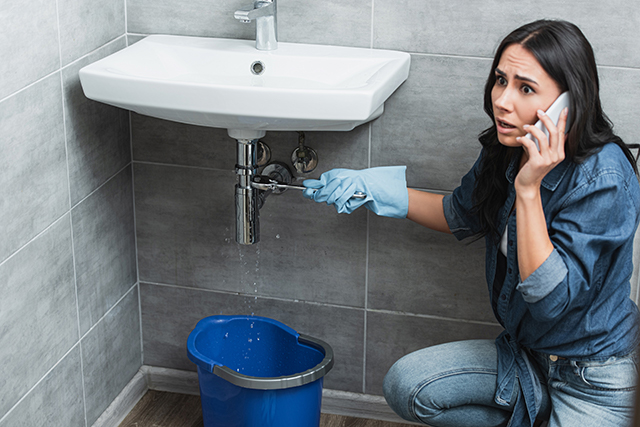
Act Immediately to Prevent Further Damage
Acting quickly is one of the most important steps you can take. Insurance policies typically require property owners to take reasonable steps to prevent additional damage after an incident. If you delay mitigation, the insurance company may argue that part of the damage could have been avoided. This can lead to a reduced payout or a partial denial.
To protect your claim:
- Take immediate steps such as shutting off the water source and removing standing water.
- Arrange for emergency repairs to stabilize the property.
- Keep all receipts for materials, labor, and services related to these repairs.
From a legal perspective, delayed action is often used as a reason to limit coverage. Acting promptly helps demonstrate that you fulfilled your responsibilities under the policy.
Document Everything Thoroughly (Before Cleanup Begins)
Strong documentation is the foundation of a successful claim. Among the most effective water damage claim tips is to capture clear evidence before any cleanup or repairs begin.
Start by creating a detailed record of the damage:
- Take photos and videos from multiple angles.
- Include timestamps whenever possible.
- Document all affected areas, including walls, flooring, ceilings, and personal property.
- List damaged items with descriptions and estimated values.
It is also important to capture less visible damage. Water can seep into insulation, behind walls, and under flooring, which may not be immediately obvious.
Documenting the condition before, during, and after cleanup strengthens your claim. Incomplete or unclear records often lead to undervaluation by the insurer.
Review Your Insurance Policy in Detail
Understanding your policy is critical when dealing with insurance adjusters after water damage. Many claim issues arise from confusion about what is actually covered.
Take time to review key sections of your policy:
- Coverage type, including whether it applies to sudden and accidental damage or excludes gradual issues
- Exclusions such as flooding, long-term leaks, or lack of maintenance
- Coverage limits and sub-limits for specific types of damage
It is also important to understand the difference between water damage and flood damage. Standard policies often treat these separately, and flood-related losses may require additional coverage.
Look for endorsements that expand protection, such as sewer backup or sump overflow coverage. Misinterpretation of policy language is a common issue in disputes, and having clarity early can prevent complications later.
Notify Your Insurance Company Promptly
Timely reporting is another key part of effectively navigating a water damage insurance claim. Most policies require prompt notification after damage occurs. Delays in reporting can raise concerns with the insurer and may lead to questions about when and how the damage happened.
When contacting your insurance company:
- Report the incident as soon as possible.
- Provide clear, factual information about what occurred.
- Avoid speculation or making assumptions about the cause.
It is important to stick to what you know and avoid statements that could be misinterpreted. Clear and accurate communication helps prevent unnecessary complications. Legal guidance can also help ensure that communication stays consistent and aligned with your best interests.
Get a Professional Damage Assessment
Relying solely on the insurer’s evaluation can put you at a disadvantage. One of the more strategic steps you can take is to obtain an independent damage assessment.
Insurance estimates may not always reflect the full extent of the damage, especially when underlying issues are involved. Water damage can affect structural components, electrical systems, and other areas that are not immediately visible.
A professional assessment can:
- Identify hidden damage that may be overlooked
- Provide a detailed and itemized repair estimate
- Offer a second opinion to compare with the insurer’s findings
If there is a significant difference between assessments, this documentation can support a dispute and strengthen your position during negotiations.
Keep All Receipts and Track Expenses
Maintaining accurate financial records is essential when building a strong water damage insurance claim. Many costs related to water damage may be eligible for reimbursement, but only if they are properly recorded and supported.
Common reimbursable expenses include:
- Temporary repairs to prevent further damage
- Cleanup and restoration services
- Hotel stays or other necessary living arrangements under the Additional Living Expenses (ALE) provisions
To stay organized:
- Save all receipts, invoices, and payment confirmations.
- Create a log of expenses with dates and descriptions.
- Keep both digital and physical copies of records.
Missing or incomplete documentation can result in reduced reimbursement. A well-maintained record helps demonstrate the full scope of your losses.
Don’t Accept the First Settlement Offer
Insurance companies often present an initial settlement that may not reflect the full value of the claim. One of the most important water damage claim tips is to review any offer carefully before accepting it.
Instead of accepting the first offer:
- Request a detailed breakdown of how the estimate was calculated.
- Compare it with independent contractor estimates.
- Identify any missing items or undervalued repairs.
Negotiation is a normal part of the claims process. Taking the time to review and question the offer can help ensure that important aspects of the damage are not overlooked. Professional support can be particularly valuable when addressing discrepancies or pushing for a fair evaluation.
Understand Depreciation and Replacement Cost Value
Understanding how your policy calculates value is a key part of a water damage insurance claim. Insurance policies often use two methods: actual cash value and replacement cost value.
Actual cash value takes depreciation into account, which reduces the amount paid based on the age and condition of the property. Replacement cost value covers the cost to repair or replace damaged items at current prices, subject to policy terms.
To maximize your claim:
- Review how your policy handles depreciation.
- Understand whether you can recover withheld depreciation after completing repairs.
- Keep records of repair work to support additional reimbursement.
Many policyholders lose part of their claim value by not following through on recoverable depreciation. Knowing how this process works helps ensure you receive what your policy allows.
Work With Licensed Contractors
Choosing the right contractor can directly impact your claim. Always work with licensed and experienced professionals who can provide detailed documentation.
Qualified contractors can:
- Identify the full scope of damage.
- Provide clear, itemized repair estimates.
- Document findings in a way that supports your claim.
Using unverified or low-cost contractors may result in incomplete assessments or poor documentation. This can weaken your claim and create complications during the review process.
Detailed contractor reports can also serve as important evidence if there is a dispute over the extent of the damage or the cost of repairs.
Stay Organized and Follow Up Consistently
Water damage claims often involve multiple steps and ongoing communication. Staying organized is one of the most practical ways of keeping your claim on track.
To manage the process effectively:
- Keep a record of all emails, calls, and correspondence.
- Track submitted documents and deadlines.
- Maintain a timeline of key events and updates.
Following up regularly helps prevent unnecessary delays and ensures that your claim continues to move forward. Lack of follow-up can result in stalled progress or missed opportunities to address issues early. Consistency and attention to detail often make a meaningful difference in how smoothly the claim is handled.
Applying these water damage insurance claim tips can help you avoid common pitfalls and stay in control throughout the claims process. By taking proactive steps, documenting carefully, and staying engaged, you can better protect your interests and work toward a fair resolution.
Tips to Avoid Water Damage Claim Denials
Even valid water damage claims can be denied if certain requirements are not met. Understanding why insurers reject claims is important, especially if you want to avoid preventable setbacks.
Insurance companies often rely on specific justifications when denying claims. Common reasons include:
- Delayed reporting, which may raise questions about when the damage occurred
- Lack of maintenance, particularly in cases involving gradual leaks or long-term issues
- Inadequate documentation that fails to clearly show the extent of the damage
- Policy exclusions, especially confusion between water damage and flood-related losses
- Failure to take reasonable steps to prevent further damage after the incident
Another common issue arises when insurers classify damage as “wear and tear” instead of sudden damage. Insurers may argue that damage developed over time rather than resulting from a covered event. These distinctions often rely on technical interpretations of the policy.
In many cases, denials are based on narrow readings of policy language or minor inconsistencies in the claim. Legal guidance can help identify when a denial may be challenged and support efforts to pursue a more accurate evaluation. Being proactive and informed helps reduce the risk of denial and keeps your claim on a stronger footing from the start.
Dealing with an Insurance Adjuster After Water Damage
Navigating interactions with an adjuster can directly impact the outcome of your claim. Knowing what to expect when dealing with an insurance adjuster after water damage helps you stay prepared and avoid common pitfalls.
How Adjusters May Mislead or Undervalue Water Damage Claims

An insurance adjuster is responsible for evaluating your claim, but it is important to remember that they represent the insurance company’s interests. Their assessment plays a key role in determining how much the insurer is willing to pay.
In some cases, adjusters may use tactics that reduce the perceived value of the claim. These can include:
- Minimizing visible damage or overlooking affected areas
- Ignoring or downplaying hidden damage behind walls or under flooring
- Rushing inspections without a thorough review
- Using technical language that can be difficult to interpret
- Encouraging quick settlements before the full scope of damage is known
Because their role is tied to the insurer, there can be a natural bias toward limiting payouts. Being aware of these practices is essential when dealing with an insurance adjuster after water damage.
Red Flags to Watch Out For
Certain behaviors may indicate that your claim is not being evaluated fairly. Pay close attention to patterns like:
- The adjuster provides a low estimate that does not reflect the visible or documented damage.
- Contractor reports or independent assessments are dismissed without clear reasoning.
- Communication is delayed or inconsistent, especially during key stages of the claim.
- Portions of the claim are approved or denied without a clear written explanation.
- The inspection feels rushed or incomplete, with limited attention to all affected areas.
- Hidden or secondary damage is not acknowledged or investigated.
- You are encouraged to accept a quick settlement before receiving full documentation.
- Technical terms are used without proper explanation, creating confusion about coverage.
- Requests for written confirmation or documentation are avoided or ignored.
Noticing these red flags early can help you respond more effectively and take steps to protect your claim.
Tips to Deal With an Insurance Adjuster After Water Damage
Taking a structured approach can help you stay in control of the process. Consider the following when communicating with the adjuster to protect your position:
- Stick to verified facts and avoid speculation about the cause or extent of the damage.
- Do not agree to recorded statements without preparation or a clear understanding of the questions.
- Be present during inspections to ensure all damage is properly observed.
- Provide your own documentation, including photos, videos, and contractor estimates.
- Request all decisions, estimates, and communications in writing.
Verbal assurances can be difficult to rely on later, so written records are essential. Maintaining professional and consistent communication helps reduce misunderstandings and supports your claim.
When to Push Back or Escalate
There are situations where further action may be necessary to protect your claim. You may need to push back if:
- Estimates seem incomplete
- Damage is overlooked
- Responses are delayed without explanation
Escalation options can include requesting a re-inspection, asking for a supervisor review, or pursuing an independent appraisal. Legal support can become important when disputes persist or when the claim requires a more structured negotiation approach.
How a Lawyer Helps with Water Damage Claims
Water damage claims can quickly become complex, especially when there are disagreements over coverage or valuation. Having experienced legal support can provide clarity and structure throughout the process.
A property damage attorney can assist in several ways:

- Interpreting policy language and explaining what coverage applies to your situation
- Identifying potential underpayments or wrongful denials based on the facts of the claim
- Managing communication with the insurance company to ensure consistency and accuracy
- Supporting negotiations by addressing gaps in estimates or disputed damage
- Gathering expert documentation and evidence to strengthen the claim
- Addressing unfair claim practices that may impact the outcome
- Taking legal action when necessary to pursue a more complete evaluation
These steps help level the playing field and ensure that your claim is reviewed thoroughly. With the right guidance, you can better navigate challenges, respond to disputes, and move forward with greater confidence in the claims process.
Conclusion
Water damage claims require more than just filing paperwork. They demand careful attention, timely action, and a clear understanding of how insurers evaluate losses. Even small oversights in documentation, communication, or follow-up can significantly affect the outcome of your claim.
Taking a strategic approach that combines strong documentation with informed decision-making can help you protect the full value of your claim. When challenges arise or the process becomes unclear, having experienced legal guidance can make a meaningful difference.
If you are facing delays, disputes, or underpayment, reach out to Pandit Law for clear, reliable support with your property damage claim.
Frequently Asked Questions
Stick to clear, factual information about what happened and what you can verify. Describe the damage you observed without guessing the cause. Provide documentation such as photos and receipts. Keeping your statements accurate and consistent helps avoid misunderstandings during the claim review process.
Avoid speculation about the cause of damage or making assumptions about coverage. Do not exaggerate or downplay the situation. It is best not to provide recorded statements without preparation. Keep communication focused on verified facts to prevent misinterpretation that could affect your claim.
You can strengthen your claim by documenting all damage thoroughly, acting quickly to prevent further loss, and keeping detailed records of expenses. Independent inspections and organized communication also reduce the risk that something important is overlooked during evaluation, supporting a more accurate assessment of your damages.
For complex or disputed claims, working with a property damage attorney can provide clarity and support. An attorney can interpret policy language, handle communication with the insurer, and address underpayments or denials. This can be especially helpful when the claim involves disagreements over coverage or valuation.
Yes, insurance settlements can be negotiated. If the initial offer does not reflect the full extent of your damage, you can request a detailed breakdown and present supporting documentation. Comparing estimates and addressing gaps can help you pursue a more accurate evaluation of your claim.