
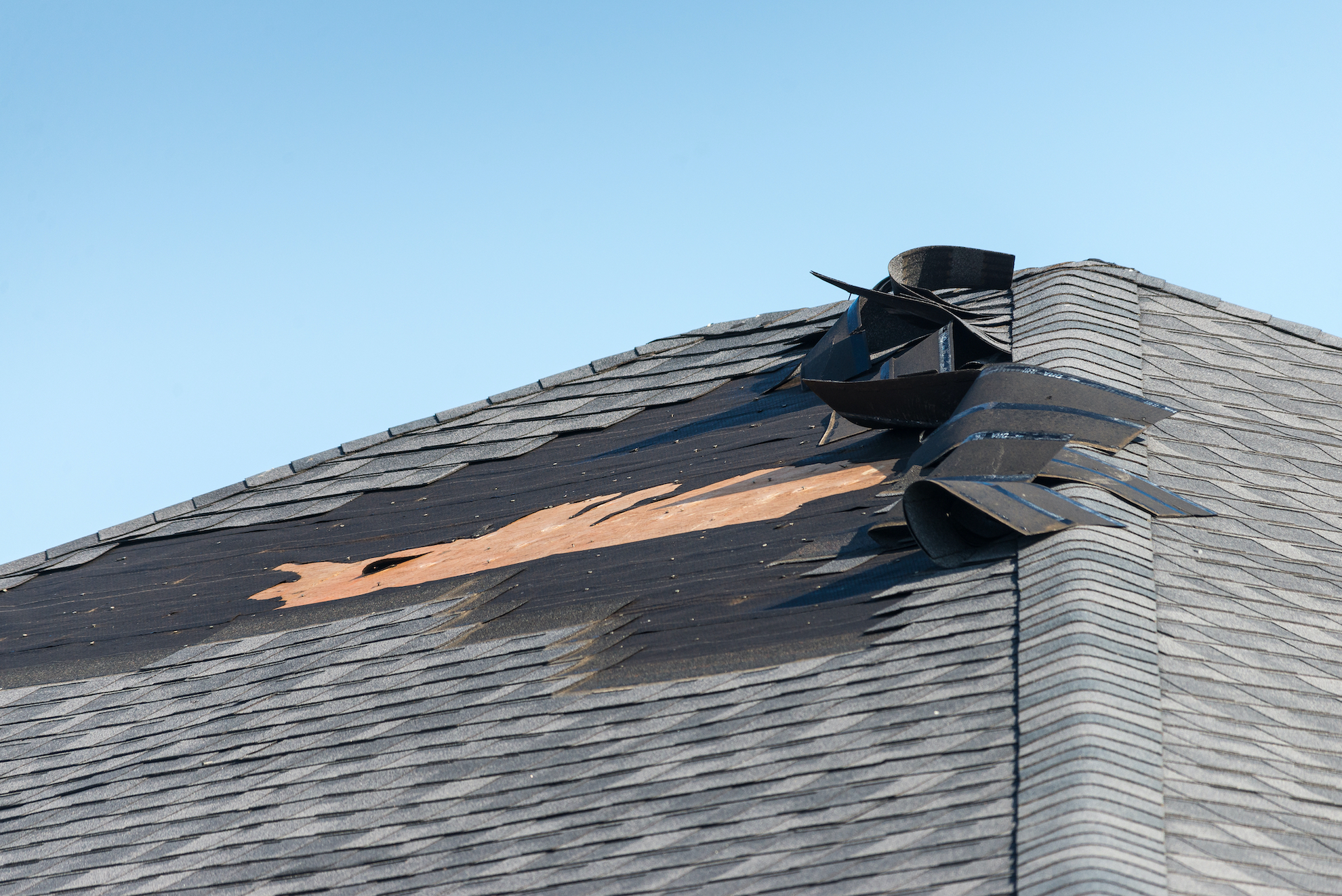
Water Damage Attorney
Helping Texas Property Owners with Water Insurance Claims
Water damage can turn your life upside down – whether it’s caused by a burst pipe, a Gulf Coast storm, or a winter freeze. Texas property owners often face expensive repairs, business interruptions, and frustrating delays from insurance companies that undervalue or deny valid claims.
At Pandit Law, our team of Texas water damage attorneys helps homeowners and business owners navigate every stage of the insurance claim process. We make sure your insurer treats your claim fairly, explain your rights clearly, and fight for the compensation you deserve.
Contact Pandit Law today for a free consultation with a trusted Texas water damage attorney ready to stand by your side.
What Do I Do if I Find Water Damage on My Property?
Finding water damage in Texas can be stressful, especially when you’re unsure where to begin. No matter the cause of water damage, it’s important to act quickly. Texas Insurance Code §542.056 requires insurers to acknowledge your claim within 15 days and approve or deny it within 15 business days after receiving all necessary documentation – so timing matters.
Document the Damage
Start by documenting the damage. Strong documentation is key to a successful claim.
- Take clear photos and videos of all visible water damage, including walls, ceilings, furniture, and personal items.
- Keep all receipts for emergency repairs or mitigation work.
- Store your records safely, as you may need them if your insurance company challenges the claim.
Thorough documentation helps demonstrate the full extent of your losses and ensures your Texas water damage lawyer can build a strong case on your behalf.
Locate Your Policy
Your insurance policy is your guide through the claims process.
- Locate the complete policy document – not just the summary or declarations page.
- Review coverage limits, exclusions, and deductibles, especially for flood or frozen pipe damage.
- Pay attention to required claim timelines, as Texas law enforces strict deadlines for submission and insurer responses.
Understanding your policy helps you and your attorney determine what compensation you may be entitled to under Texas law.

Contact a Water Damage Dispute Lawyer
Once you’ve documented the damage and reviewed your policy, reach out to an experienced water damage lawyer in Texas. A local attorney understands how insurers operate and how to navigate state-specific regulations and claim procedures.
Your legal team can:
- Explain your policy terms and help you file your claim correctly.
- Communicate directly with your insurance company.
- Collect and organize all necessary evidence.
- Challenge claim delays or denials under Texas Insurance Code §542.056 and related statutes.
- Protect your rights and pursue fair compensation for your losses.
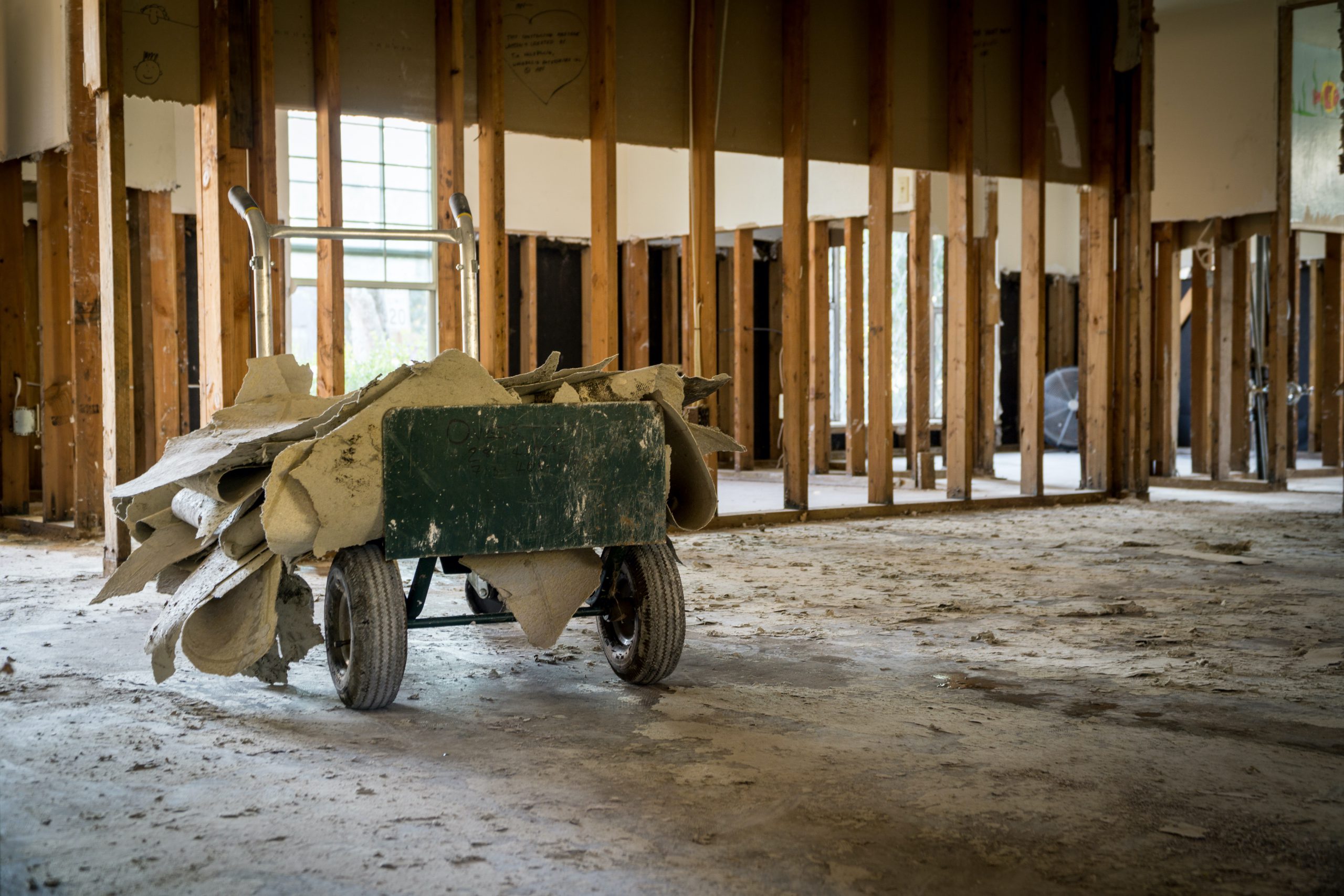
Water damage can worsen quickly. Get help from a Texas water damage lawyer today to protect your claim.
Awards and Recognitions





Google Reviews
What You Need to Know About Water Damage Claims in Texas
When water enters your home or business, it can cause extensive and costly destruction. From rotting wood and weakened foundations to ruined furniture and electronics, water damage impacts nearly every part of your property. It can also create serious health risks, as stagnant moisture leads to mold, bacteria, and other contaminants.
The National Flood Insurance Program (NFIP) defines flooding as an overflow of water onto normally dry land that affects at least two properties or acres. Unlike water damage from internal issues like leaks or plumbing failures, flood damage stems from natural events, such as heavy rainfall or major storms. These events occur outside of the property and cause water levels to rise past the property’s threshold.
Flooding is generally not covered under homeowners or commercial property insurance and requires an additional flood insurance policy. The National Association of Insurance Commissioners (NAIC) advises property owners and renters to acquire coverage under a flood insurance policy, citing that one inch of water can result in tens of thousands of dollars in property damage.
It can be disheartening and frustrating when insurance companies deny your claim or don’t provide the level of compensation you feel you’re entitled to.
If your insurer delays, underpays, or denies your claim, it’s important to understand your rights under Texas Insurance Code §542.056, which sets strict timelines for insurer responses.
Common Types of Water Damage
In Texas, water damage often results from Gulf Coast storms, hurricanes, flash floods, and winter freezes that burst pipes and overwhelm drainage systems. Texas homeowners and business owners often face several forms of water damage, including:
- Property and Structural Damage: Warped floors, cracked walls, and foundation weakening caused by prolonged moisture exposure.
- Mold and Mildew Growth: Rapid mold spread within 24–48 hours after water intrusion, posing serious health risks.
- Damage to Personal Belongings: Loss of furniture, electronics, clothing, and important documents.
- Plumbing and Pipe Failures: Burst pipes during Texas freezes or leaks from old plumbing systems.
- Storm and Flood Damage: Water intrusion from hurricanes, flash floods, or tropical storms common to the Texas Gulf Coast.
Even a small leak can escalate into major property damage if not addressed immediately.
Don’t face your insurer alone – contact a trusted Texas water damage insurance claim lawyer at Pandit Law for a free consultation.
Can I Receive Compensation for Water Damage in Texas?
Water damage can cause serious destruction to your home or business, often leading to high repair costs and lost property value. In Texas, you may be entitled to compensation through your homeowners or commercial property insurance policy if the damage falls within your coverage terms.
However, understanding what your policy includes – and how to file your claim correctly – is essential. Many policyholders lose out on rightful compensation simply because of missed deadlines or incomplete documentation.
Under Texas Insurance Code §542.056, insurance companies must acknowledge a claim within 15 days and approve or deny it within 15 business days after receiving all necessary information. If your insurer fails to comply, you may have grounds to pursue additional remedies.
Working with a skilled Texas water damage attorney can help you:
- Protect your rights throughout the claims process.
- Meet strict state-mandated claim deadlines.
- Challenge unfair denials, delays, or low settlement offers.
- Maximize your recovery under Texas law.
At Pandit Law, we help Texas property owners navigate complex insurance rules and fight for fair compensation when insurers fall short. Contact our experienced water damage lawyers today to learn how we can support your claim from start to finish.
Does Your Homeowners Insurance Policy Cover Water Damage?
Water damage is more common than many realize across the United States, including Texas. According to the Insurance Information Institute, water damage and freezing constitute about 23% of losses incurred under homeowners insurance, with an average claim value of about $15,400. These numbers highlight how devastating even a single incident can be.
Homeowners insurance can cover certain types of water damage, but coverage depends on the cause and how the damage occurred.
- Typically Covered: Sudden and accidental incidents such as burst pipes, appliance malfunctions, or plumbing leaks.
- Usually Excluded: Flooding, sewer backups, and gradual leaks that develop over time.
- Conditions and Requirements: Policyholders must report damage promptly, take reasonable steps to prevent further harm, and maintain clear documentation when filing a claim.
It’s also important to know that standard homeowners insurance does not cover flood damage. To protect against flood-related losses, Texas homeowners must purchase a separate flood insurance policy through the National Flood Insurance Program (NFIP).
If your insurer delays or denies your claim, remember that Texas law allows one year to file a lawsuit for certain water damage insurance disputes.

Not sure if your insurance covers all the damage? Get a FREE water claim evaluation.
How Does a Water Damage Attorney Assist with Delayed, Denied, or Underpaid Insurance Claims?
When your insurance company delays, denies, or underpays your claim, a Texas water damage attorney can make all the difference. These attorneys carefully evaluate the true extent of water damage, review your policy for coverage details, and ensure insurers follow Texas Insurance Code §542.055, which requires prompt acknowledgment and investigation of claims.
A skilled attorney will:
- Assess inspection reports, photos, and expert repair estimates to determine the full extent of your losses.
- Organize and submit complete documentation early to prevent unnecessary disputes or delays.
- Communicate directly with adjusters to clarify details and avoid misinterpretation.
- Take legal action if your insurer fails to comply with Texas insurance laws or undervalues your claim.
Timely filing is critical. Under Texas law, policyholders generally have two years from the date of denial to file a lawsuit against their insurer. Early legal representation helps preserve your rights and strengthens your case for full compensation.
Leveraging the Texas Prompt Payment Act Against Delayed Water Claims
Water claims can be delayed for several reasons, often leaving property owners frustrated and unsure of next steps:
- Incomplete or inaccurate claim documentation.
- Requests for excessive additional information from the insurer.
- Miscommunication between the policyholder and the insurance company.
Insurance companies may delay payment for your water damage claim even when coverage should apply. Common reasons include:
- The insurer is disputing the cause of damage.
- Missed filing deadlines or paperwork errors.
- Misinterpretation of the insurance policy terms.
When an insurance company stalls after you’ve submitted all required documentation, the Texas Prompt Payment of Claims Act protects you. This law holds insurers accountable for unnecessary delays by setting strict deadlines to investigate and pay valid claims.
If your insurer fails to meet these deadlines, they may owe you:
- An 18% statutory interest penalty on the amount due, and
- Reasonable attorney’s fees for enforcing your rights.
A skilled water damage claim lawyer helps speed up the process by:
- Reviewing and organizing all documentation to meet insurer requirements.
- Communicating directly with the insurance company to clarify details.
- Following up persistently to keep the claim moving.
- Holding the insurer accountable under the Texas Prompt Payment of Claims Act if unnecessary delays occur.
Fighting Unreasonable Denials of Water Claims
Claims may be denied even when coverage should apply. Common reasons include:
- The insurer is disputing the cause of damage.
- Missed filing deadlines or paperwork errors.
- Misinterpretation of the insurance policy terms.
A water damage attorney can challenge denials by:
- Reviewing the policy and denial letter thoroughly to identify coverage gaps or errors.
- Gathering evidence to support the claim, including photos, repair estimates, and expert reports.
- Negotiating with the insurer or pursuing legal action if necessary.
Challenging Lowball Offers and Unfair Depreciation in Water Claim
Insurers often undervalue water damage claims, leaving policyholders with insufficient compensation. A water damage dispute lawyer helps by:
- Documenting the full extent of damages, including hidden or long-term effects.
- Working with experts to provide accurate repair and replacement estimates.
- Advocating to recover the full insurance payout owed to the policyholder.
Bad Faith Insurance Practices in Texas Water Claims
After a major water damage event, Texas homeowners trust their insurance companies to respond fairly. Unfortunately, some insurers engage in bad-faith practices, delaying, denying, or underpaying valid water damage claims. Understanding how these tactics work can help you protect your rights.
In Texas, bad faith can take two main forms:
- Statutory Bad Faith: When insurers violate the Texas Insurance Code, such as by failing to promptly investigate or pay valid claims.
- Common Law Bad Faith: When an insurer intentionally acts unfairly or without a reasonable basis for denying or underpaying a claim.
Both laws exist to protect policyholders from deceptive or dishonest claim handling. If your insurer fails to meet its legal obligations, a Texas water damage insurance attorney can help you hold them accountable under state law.
Identifying Bad Faith in Water Claims Under Texas Law
Bad faith isn’t always obvious, but there are warning signs to watch for, such as:
- Unreasonable delays in communication or claim decisions.
- Denying coverage without a proper investigation or explanation.
- Offering unfairly low settlements that don’t match repair estimates.
- Refusing to share policy details or claim documentation.
- Pressuring you to accept a quick settlement before a full damage evaluation.
If you notice any of these red flags, contact an experienced water damage insurance attorney in Texas to review your claim and protect your legal rights.
How Water Damage Attorneys Help with Bad Faith Insurance Claims?
When your insurer acts in bad faith, a Texas water damage attorney can step in to safeguard your interests and pursue the compensation you’re owed. These attorneys can:
- Investigate and document every instance of insurer misconduct.
- Communicate directly with adjusters to demand compliance with Texas insurance laws.
- Negotiate for a fair payout or file a lawsuit when necessary.
Pandit Law fights to hold insurance companies accountable and ensures your claim is handled with honesty and fairness every step of the way.
Why Choose Pandit Law: Your Experienced Partner for Water Claims in Texas
Pandit Law is a trusted choice for property owners facing water damage claims in Texas. Our team combines deep expertise, local knowledge, and a commitment to securing fair compensation for every client.
Working with water damage lawyers at Pandit Law, you gain an advocate who understands both the complexities of insurance claims and the urgency of recovering from property damage.
Here’s what sets us apart:
- Experienced in Water Damage Claims: Our attorneys have handled numerous water damage insurance claims, ensuring clients receive guidance tailored to their situation.
- Proven Track Record of Success: We have a history of helping Texas property owners recover fair compensation for their losses.
- Aggressive Advocate Against Bad Faith: We take a firm stand when insurers act in bad faith, protecting your rights and interests.
- Personalized Case Evaluation: Each claim receives individualized attention to maximize potential recovery.
- Local Knowledge, National Expertise: We bring national legal expertise while serving Texas communities and the Gulf Coast region.
If your water damage claim was delayed, denied, or underpaid, call now to understand your legal options.
FAQs on Water Damage Claim in Texas
Can I file a lawsuit against my neighbor for water runoff in Texas?
Yes, you can. Under Texas nuisance and negligence laws, a property owner may be held liable if their actions – or modifications to their property – cause water runoff that damages a neighbor’s home or land.
You may have a valid claim if your neighbor:
- Altered the grading or drainage of their property.
- Installed gutters or pipes directing water toward your home.
- Ignored known drainage issues causing recurring damage.
A Texas water damage attorney can help determine liability and pursue compensation for your losses.
What is the average cost of a water damage claim in Texas?
According to the Insurance Information Institute, the average water damage claim costs around $15,400. Costs depend on factors like property size, water source, and repair scope.
Because water damage can worsen over time, filing promptly and accurately is key to recovering the full amount you deserve.
Is water damage considered a liability claim?
It depends on the cause.
- If the damage results from your negligence, like a burst pipe you ignored, your liability coverage may apply to third-party claims.
- If the damage is accidental and affects your own home, your property or dwelling coverage generally applies.
Your insurance policy’s fine print determines how the claim should be classified, so it’s smart to have a water damage insurance attorney in Texas review it before filing.
Are homeowners responsible for paying for water damage?
Homeowners are typically responsible for preventable or maintenance-related damage, such as gradual leaks or roof neglect. However:
- Sudden and accidental events, like pipe bursts or appliance malfunctions, are usually covered under standard homeowners insurance.
- Flood-related damage requires a separate policy through the National Flood Insurance Program (NFIP).
If your insurer disputes responsibility, a Texas water damage attorney can help you understand your policy and assert your rights.
What are the three main categories of water damage?
Water damage is classified into three categories based on contamination levels:
- Category 1 (Clean Water): From a clean source, like a broken water line.
- Category 2 (Gray Water): Contains some contaminants, often from appliances or sump pumps.
- Category 3 (Black Water): Heavily contaminated water, such as sewage or floodwater.
Identifying the correct category helps insurers determine cleanup costs and coverage eligibility.
How can I prove water damage occurred?
Strong documentation is the foundation of a successful claim. You should:
- Take clear photos and videos of all damage.
- Keep repair estimates, receipts, and inspection reports.
- Save emails or letters exchanged with your insurer.
- File your claim quickly to comply with Texas Insurance Code §542.056, which requires insurers to respond promptly.
Your attorney can help organize this evidence and ensure your insurer follows legal timelines.
What advice do you have for resolving a water damage dispute?
If your insurer delays, denies, or underpays your claim:
- Review your policy carefully to confirm coverage.
- Maintain written communication with your insurer.
- Avoid signing settlement offers until an attorney reviews them.
- Consult an experienced water damage insurance claim lawyer in Texas to challenge unfair treatment or underpayment.
Early legal guidance can prevent costly mistakes and strengthen your position in negotiations or court.
Who is liable for property damage caused by poor city drainage systems?
Liability for city drainage issues can be complex. In some cases, a municipality or government entity may be responsible if:
- Negligent maintenance of drainage systems caused the flooding.
- A construction or design defect contributed to property damage.
However, suing a government body in Texas involves strict notice and filing deadlines. A Texas water damage attorney can assess whether your claim qualifies and ensure it’s filed within the required time frame.
Contact a Water Insurance Lawyer in Texas
Gaining the help of a compassionate and experienced Texas water damage attorney during an infuriating and burdensome insurance claim will ease the stress on you and your loved ones while navigating the aftermath of water damage to your home or business. Allow our legal team to handle the complicated insurance claim process so you can focus on getting your properties and your lives back on track.
Contact our diligent team at Pandit Law today for your free claims evaluation. Let us give you and your loved ones the help you deserve.
Pandit Law
25722 Kingsland Blvd Suite 103-A,
Katy, TX 77494
Office visits by appointment only
Call at: (504) 323-1057