

Tornado Damage Attorney
Helping Texas Property Owners with Tornado Insurance Claims
Every year, Texas faces more tornadoes than any other state in the U.S. From powerful storms in North Texas and the Panhandle to sudden twisters across Central and Southeast Texas, these disasters leave homes, businesses, and vehicles in ruins.
While most insurance policies cover tornado damage, many Texas property owners still find their claims delayed, underpaid, or unfairly denied. Navigating this process alone can be overwhelming, especially when you’re trying to rebuild. That’s where a Texas tornado damage attorney can make a difference.
At Pandit Law, we help Texas homeowners and business owners review and understand their policies, gather evidence, challenge delays, lowball offers, or wrongful denials, and pursue fair compensation under Texas insurance laws.
If your tornado insurance claim has been delayed or underpaid, contact Pandit Law today for a free tornado insurance claim evaluation.
How to Deal with Damage after a Tornado in Texas?
Your safety always comes first. Once the storm has passed and it’s safe to enter your property, take immediate steps to prevent further damage and protect your insurance claim. In Texas, policyholders are required to act quickly to minimize additional losses. Otherwise, insurers may use inaction as a reason to reduce or deny your claim.
Here’s what you should do after a tornado:
- Call your insurance company right away. Report the damage as soon as possible to start your tornado insurance claim.
- Turn off utilities if needed. Shut off gas, water, or electricity if you suspect leaks or damage that could pose safety hazards.
- Gather and document evidence. Take clear photos and videos of all damage, inside and outside your property, before making repairs.
- Make temporary repairs to prevent further damage. Cover roof holes, board up broken windows, and move wet belongings to a dry area. Keep all receipts for repair materials.
- Keep a record of all communication. Write down dates, names, and details from every call or visit with insurance adjusters.
- Avoid discarding damaged property too soon. The insurance adjuster may need to inspect items before approving replacements.
- Save every receipt. Costs for temporary fixes, lodging, and cleanup may be reimbursable under your policy.

Taking these steps helps protect your property and strengthens your tornado damage insurance claim. If your insurer delays, underpays, or unfairly denies your claim, a Texas tornado damage attorney can help you assert your rights and recover the compensation you deserve.
What Texas Homeowners Need to Know About Tornado Damage Claims
Texas experiences more tornadoes than any other state in the country, with regions like North Texas, Central Texas, the Panhandle, and the Houston area facing the highest risk. Tornadoes can cause massive destruction – damaged roofs, shattered windows, and even complete structural collapse.
While filing a tornado insurance claim may seem simple, many Texas homeowners encounter delays or disputes over coverage. Insurers may question the cause of damage, apply windstorm deductibles, or deny parts of a claim based on exclusions in the policy. Knowing how the process works can help you protect your rights and recover fair compensation.
Under the Texas Insurance Code, insurers must follow specific timelines when handling property damage claims:
- 15 days to acknowledge your claim after it’s filed.
- 15 days to investigate and request additional information.
- 15 days to approve or deny your claim after receiving all required documents.
Understanding these deadlines ensures that your insurer is held accountable and helps you recognize when delays become unreasonable.
If you’re struggling with a delayed or disputed claim, a tornado damage insurance claim lawyer in Texas can help guide you through the process, ensure compliance with state law, and fight for your rightful payout.
Common Types of Tornado Damage
Tornado damage in Texas ranges from light roof repairs to complete property destruction. Whether you’re in Dallas, Austin, Houston, or the Texas Panhandle, it’s important to identify all visible and hidden damage before filing your claim.
Common tornado-related damage Texas property owners face includes:
- Roof and Siding: Missing shingles, torn or lifted roofing, and punctures from flying debris.
- Windows and Doors: Shattered glass, warped frames, and damaged garage or entry doors.
- Structural Damage: Cracked walls, weakened framing, or foundation separation caused by high winds.
- Water and Electrical Damage: Roof leaks, soaked insulation, short circuits, and damaged panels.
- Outdoor Structures: Broken fences and debris damage to outdoor structures.
Addressing these issues promptly protects your property and strengthens your insurance claim. Pandit Law’s experienced attorneys can help document every loss, ensure accurate claim valuation, and negotiate fair compensation.
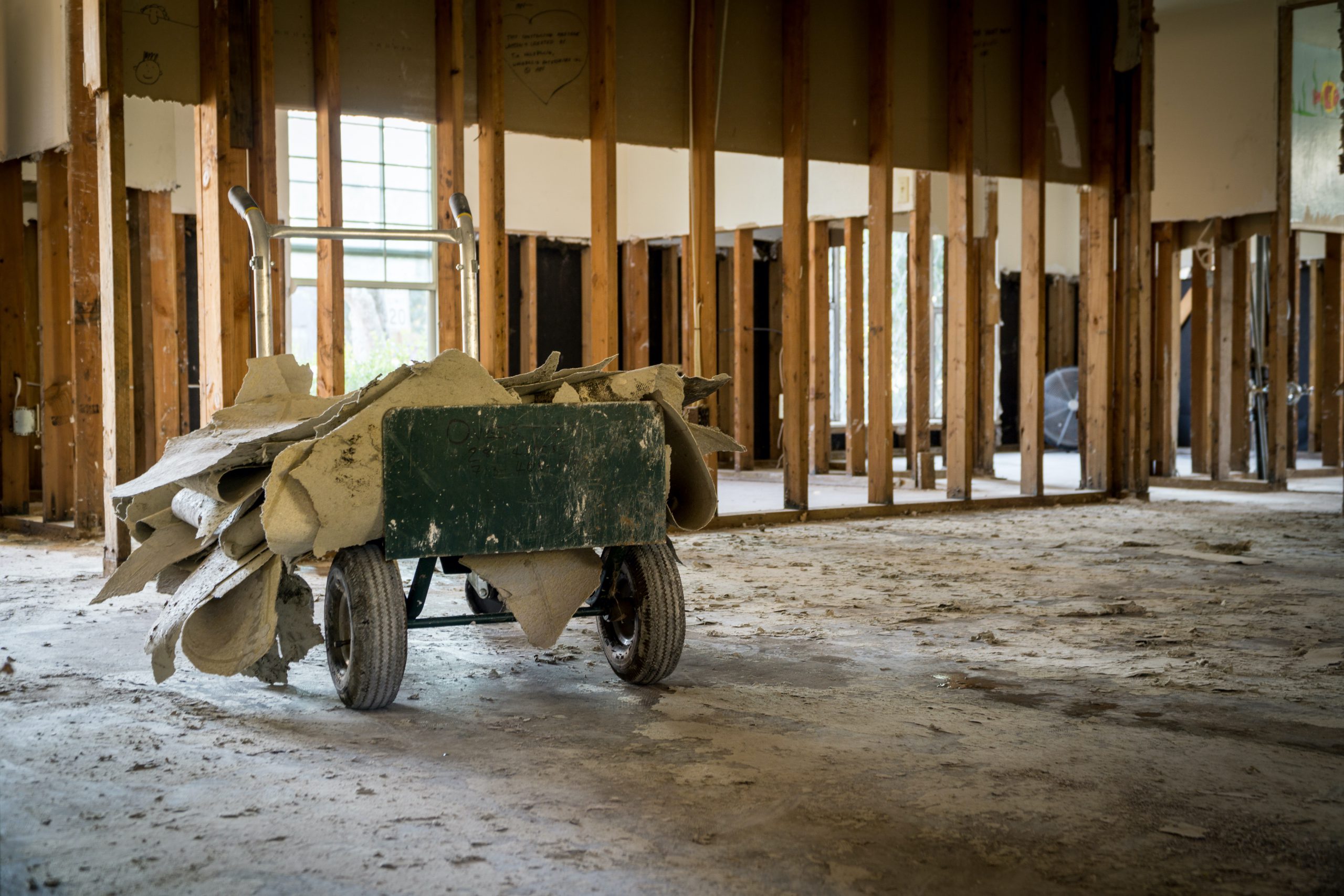
What you do after a tornado hits can affect your claim. Get help from a Texas tornado damage lawyer to protect your claim.
Awards and Recognitions





Google Reviews
Impact of Tornado in Louisiana and How a Tornado Damage Attorney Can Help
Texas is the most tornado-prone state in the U.S., averaging about 155 tornadoes each year. The state has witnessed some of the country’s most destructive storms, such as the May 2019 tornado and the 2022 storm season, which caused widespread property loss across multiple counties.
High-risk regions include Houston, Dallas, Fort Worth, Austin, San Antonio, Plainview, and Galveston County, where tornadoes often strike between March and June; though storms can occur year-round. In coastal and inland areas alike, strong winds often combine with hail and heavy rain, increasing the risk of roof collapse, flooding, and electrical hazards.
Tornadoes are measured on the Enhanced Fujita (EF) scale, ranging from EF0 (minor damage) to EF5 (catastrophic destruction), and even moderate EF2 storms can devastate homes and businesses. To stay safe and minimize losses, Texas property owners should:
- Keep an emergency plan for family and employees, including designated shelter areas.
- Ensure insurance policies are up to date, with adequate wind and storm coverage.
- Document property conditions regularly to support future claims.
Even with preparation, tornado recovery can be overwhelming. A Texas tornado damage attorney can help you document all losses, negotiate with insurers, and pursue fair compensation when claims are delayed or underpaid.
Does Homeowners Insurance Cover Tornado Damage?
A standard Texas homeowner’s policy generally covers tornado-related damage to your property, including your home and personal belongings inside. This coverage typically includes destruction caused by wind, lightning, rain, or hail, all of which often accompany a Texas twister. If your home is so badly damaged that it becomes unlivable, your policy likely covers temporary housing or living expenses while repairs are made.
Most insurance policies require the insurer to cover the actual replacement cost of your damaged home. Even if your house doesn’t appear catastrophically damaged, you may still qualify for roof replacement or structural repairs.

In Texas, where many homes are brick or wood-frame constructions, subtle but significant damage often goes unnoticed. For example:
- The sealant strips that hold roof shingles together may tear due to powerful winds.
- Strong tornado winds can loosen roof decking, nails, or clips, affecting long-term stability.
- Hidden cracks in walls or foundations may not be visible immediately, but can worsen over time.
After a tornado, especially in high-risk areas like Dallas, Houston, or Austin, your home should be thoroughly inspected by qualified professionals. Failing to identify hidden damage could lead to costly repairs months or years later.
Always make sure your insurance adjuster inspects for less obvious tornado damage, such as structural shifts or wind-driven water intrusion. If these are not properly addressed, you may have legal recourse with a tornado insurance attorney to ensure fair coverage.
Keep in mind that some Texas homeowners policies include anti-concurrent clauses. These clauses allow insurers to deny coverage if two causes of damage, like flooding and tornado winds, occur simultaneously, and one is excluded under your policy.
Ideally, your policy should include replacement cost value (RCV) coverage, which reimburses you for repairs or replacements using materials of similar quality and kind.
By understanding your policy details and documenting all damage carefully, Texas homeowners can protect themselves from underpaid or denied tornado claims and ensure full recovery.
Not sure if your insurance covers all the damage? Get a FREE tornado claim evaluation.
How does a Tornado Damage Attorney Assist with Delayed, Denied, or Underpaid Insurance Claims?
Tornado insurance claims in Texas are governed by Texas Insurance Code §542 (Prompt Payment of Claims Act) and §541 (Unfair Claims Practices Act). When insurers delay, underpay, or deny claims without a reasonable investigation, a tornado damage attorney steps in to enforce these laws.
Your attorney ensures the insurance company follows Texas law by:
- Pursuing statutory interest and penalties when insurers fail to pay on time.
- Compelling compliance with policy terms and coverage obligations.
- Filing breach-of-contract or bad faith actions when claim handling violates Texas insurance codes.
These protections are vital for homeowners across Dallas, Austin, Houston, and other tornado-prone areas, where claim disputes can significantly delay recovery and repairs.
Leveraging the Texas Prompt Payment Act Against Delayed Tornado Claims
Under the Texas Prompt Payment of Claims Act (§542), insurance companies must acknowledge, investigate, and pay valid claims within specific timeframes. If they fail to do so, policyholders may be entitled to an 18% statutory interest penalty plus attorney’s fees.
This law gives Texas homeowners powerful leverage against insurers who stall or delay tornado-related claims.
Payment for tornado claims may be delayed due to incomplete documentation, complex damage assessments, or insurer backlog. A tornado damage attorney helps accelerate the process by gathering evidence, documenting all damage, and directly communicating with the insurance company.
Attorneys also handle delayed claims by:
- Reviewing your policy for full coverage.
- Identifying insurer errors or unjustified delays.
- Filing formal demands and, if necessary, legal actions to hold insurers accountable.
With an experienced tornado claim attorney, even delayed claims can be resolved efficiently, helping homeowners recover compensation without unnecessary stress.
Fighting Unreasonable Denials in Tornado Claims
Tornado claims are often denied based on technicalities, policy exclusions, or narrow interpretations of what caused the damage. Insurers may point to anti-concurrent causation clauses, allege pre-existing issues, or argue that interior or structural damage was unrelated to the tornado.
A skilled tornado damage claim attorney can help you challenge these unfair denials by:
- Analyzing denial letters, policy terms, and coverage triggers to identify errors or unsupported conclusions.
- Reconstructing the storm timeline, gathering expert reports, and documenting all structural, interior, and roof-related damage.
- Preparing and submitting a comprehensive appeal that addresses each reason for denial.
- Negotiating with the insurer or filing legal action when the denial reflects bad faith claim handling under the Texas Insurance Code.
With focused legal support, homeowners can challenge unreasonable denials and fight for the tornado coverage they paid for.
Challenging Lowball Offers and Unfair Depreciation in Tornado Claims
Insurance companies sometimes attempt to minimize payouts, even when homeowners have faithfully paid premiums for months or years. A common tactic is underpaying for interior damage by arguing it was unrelated, even though the tornado’s exterior damage directly caused it.
A tornado damage lawyer ensures policyholders receive the full value of their claims by reviewing coverage terms, calculating accurate losses, and holding insurers accountable for fair payment.
Attorneys assist with underpaid claims by:
- Reviewing the policy to confirm coverage for storm, tornado, windstorm, or weather-related damage.
- Comparing insurer estimates against independent assessments.
- Challenging partial or lowball settlements.
- Taking legal action if the insurer acts in bad faith.
With the support of a skilled tornado damage attorney, homeowners can pursue the compensation they rightfully deserve and avoid being shortchanged by unfair insurance practices.
Bad Faith Insurance Practices in Texas Tornado Claims
After a tornado, Texas homeowners often rely on their insurance company for swift and fair support. Unfortunately, some insurers act in bad faith, using tactics to delay, underpay, or deny legitimate tornado claims. Knowing how to recognize these practices can help you protect your rights and recover the compensation you deserve.
Texas law recognizes two types of bad faith:
- Statutory Bad Faith, covered under Texas Insurance Code §541 (Unfair Claims Practices) and §542 (Prompt Payment Act). These laws prohibit insurers from unfair claim handling, misrepresentation, or unreasonable delays in payment.
- Common-Law Bad Faith, which applies when an insurer knowingly or recklessly denies a valid claim without a reasonable basis or fails to properly investigate damages.
Typical bad-faith behaviors in Texas tornado claims include:
- Delaying payment without a valid reason.
- Failing to investigate or inspect property damage thoroughly.
- Making lowball offers or undervaluing tornado losses.
- Misrepresenting policy coverage or exclusions.
- Ignoring evidence provided by the homeowner or contractors.
If your insurance company engages in any of these tactics, you can challenge these violations through legal action under Texas law. An experienced Texas tornado damage attorney can help you enforce your rights and hold insurers accountable.
Identifying Bad Faith in Tornado Claims Under Texas Law
Insurance companies have a duty to act in good faith when handling tornado damage claims. Bad faith occurs when an insurer intentionally or recklessly fails to investigate, process, or pay a claim fairly. Key red flags to look for include:
- Unexplained delays in claim processing.
- Unjustified claim denials.
- Lowball settlements or partial payments.
- Ignoring evidence or inspection reports.
- Misrepresentation of policy terms.
Understanding how to spot bad faith is the first step in protecting your rights. If you observe any of these signs in your tornado claim, a Texas tornado damage attorney can help you hold your insurance company accountable.
How Tornado Damage Attorneys Help with Bad Faith Insurance Claims?
A Texas tornado damage lawyer from Pandit Law can hold insurers accountable, ensure all damages are properly documented, and fight to secure full compensation. They act as a dedicated advocate, guiding homeowners through appeals or litigation when necessary.
Why Choose Pandit Law: Your Trusted Partner for Tornado Claims in Texas
When facing the aftermath of a tornado, having the right legal partner can make all the difference. Pandit Law stands out as an experienced firm for Texas homeowners because of its deep expertise, proven results, and unwavering commitment to securing fair compensation. With a client-first approach, the firm ensures every property owner feels supported and confident throughout the claims process.
- Experienced in Tornado Damage Claims: Skilled in navigating the complexities of insurance policies and ensuring homeowners receive the full benefits they are entitled to.
- Proven Track Record of Success: Consistently delivering strong results for clients by recovering rightful compensation from insurance companies.
- Aggressive Advocate Against Bad Faith: Fearlessly challenging insurers when they delay, underpay, or wrongfully deny claims.
- Personalized Case Evaluation: Providing tailored legal strategies that match the unique circumstances of each client’s property damage claim.
- Local Knowledge, National Expertise: Combining insight into Texas-specific tornado challenges with the resources and strength of a national legal perspective.
If your tornado damage claim was delayed, denied, or underpaid, call now to understand your legal options.
FAQs on Tornado Damage Claim in Texas
Does the insurance cover if the property is damaged by a tornado in Texas?
Yes. Most Texas homeowners insurance policies cover tornado-related damage caused by wind, hail, or flying debris. However, coverage limits vary, so review your policy carefully or speak with a Texas tornado damage attorney if your insurer delays or underpays your claim.
What happens if a tornado destroys my car?
Auto insurance typically covers tornado damage if you have comprehensive coverage. File a claim immediately with your insurer and document the damage with photos and repair estimates.
What happens if my house is destroyed by a tornado?
If your Texas home is a total loss, your policy should cover the replacement cost of the structure and personal property. Temporary living expenses may also be included. A Texas tornado damage lawyer can help ensure you receive full compensation.
What is the average cost of tornado damage?
The cost varies depending on the storm’s strength and location. Tornadoes in Texas can cause damage ranging from a few thousand dollars to complete home rebuilds exceeding $100,000.
What can I do if my roof was damaged by a tornado, but my insurance only offered a partial payment?
You can dispute the underpayment by hiring an independent adjuster and consulting a tornado damage insurance claim lawyer in Texas to challenge low settlements and enforce fair compensation.
What should I do if my business property is damaged by a tornado?
Notify your insurer immediately, document all damage, and secure your premises to prevent further loss. A Texas tornado damage attorney can assist with business interruption claims and ensure your commercial losses are appropriately covered.
How much does it cost to repair tornado damage?
Repairs depend on the extent of damage. Minor roof or siding repairs may cost a few thousand dollars, while structural rebuilds can exceed six figures. Always obtain multiple estimates and keep all documentation for your claim.
Contact a Tornado Insurance Attorney in Texas
Was your tornado damage claim underpaid? Was it denied? A Texas tornado damage insurance claim lawyer can go over your case. They can determine if your homeowners insurance company is treating you fairly or not on your claim. We can help, call us today!
Pandit Law
25722 Kingsland Blvd Suite 103-A,
Katy, TX 77494
Office visits by appointment only
Call at: (504) 323-1057