
If you own a home in Louisiana or Texas, you already know what happens when severe weather rolls in. But do you really understand your storm damage insurance coverage before you need to file a claim? Understanding your policy early can make a significant difference in the claim process.
Most homeowners review their policy only after the damage occurs. That can add unnecessary stress. Reviewing your coverage beforehand gives you a clear advantage and helps you avoid unexpected issues later.
This guide walks you through what your policy typically covers. It explains covered perils, common exclusions, deductibles, and key state-specific considerations.
What is Storm Insurance Coverage?
Storm insurance coverage is part of your property policy that helps protect your home from severe weather. It is designed to cover repairs or rebuilding costs after sudden, storm-related damage.
This coverage typically applies to sudden, accidental damage caused by events such as strong winds, hail, or lightning. It acts as a financial safeguard against unpredictable weather.
Why Understanding Coverage Before Filing a Claim Matters
Understanding your policy in advance helps you avoid common issues during the claims process. It can reduce the risk of delays, underpayment, or claim denials.
When you know your coverage limits and exclusions ahead of time, you are better prepared to handle conversations with your insurance company and make informed decisions.
Does Homeowners Insurance Cover Storm Damage?
In many cases, yes. However, does homeowners insurance cover storm damage in every single scenario? Not always.
Standard policies usually cover damage from wind, hail, and lightning. However, storm damage coverage under standard home insurance excludes certain events, such as flooding or earth movement.
For example, damage caused by storm surge or rising water is typically not included. In those situations, you may need separate coverage.
Many homeowners in Louisiana and Texas carry additional flood or windstorm insurance to address these gaps.
What Storm Damage Is Typically Covered under Standard Home Insurance
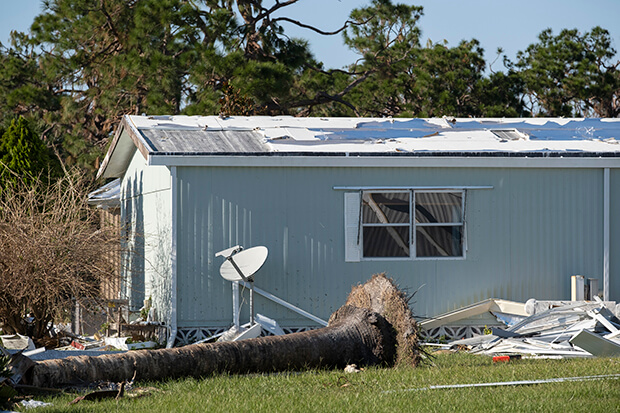
Most homeowners policies include storm damage insurance coverage for common weather-related events.
When a storm causes sudden damage, coverage typically applies to necessary repairs. Here are the most common types of damage that are typically covered.
Wind and Hurricane Damage
Policies typically cover damage caused by high winds, tornadoes, and hurricanes. This includes damage to your roof, siding, windows, and structural components of your home.
If strong winds remove shingles or damage exterior walls, repair costs are typically covered, subject to your deductible.
Hail Damage
Hail can cause significant damage in a short period. Most policies cover repairs to roofs, windows, siding, and certain outdoor structures.
Coverage generally applies when the damage is sudden and visible, such as dents, cracks, or broken materials caused by impact.
Lightning and Fire Damage
Lightning strikes can lead to fires or power surges. Standard policies generally cover both fire damage and electrical damage caused by lightning.
This may include structural repairs as well as replacement of damaged appliances, electronics, or wiring.
Water Damage from Storm-Related Events
If a storm damages your roof or windows and rain enters through those openings, the resulting damage is usually covered.
However, this applies only to sudden, storm-related entry of water. Flooding or rising water from outside the home is typically excluded.
Fallen Trees and Debris
Storms can cause trees or large debris to fall. If a tree damages a covered structure, such as your house or garage, removal and repair costs are typically covered, subject to policy limits.
Coverage may also include debris removal, but limits can apply depending on your policy.
What Storm Damage Is NOT Covered Under Standard Home Insurance
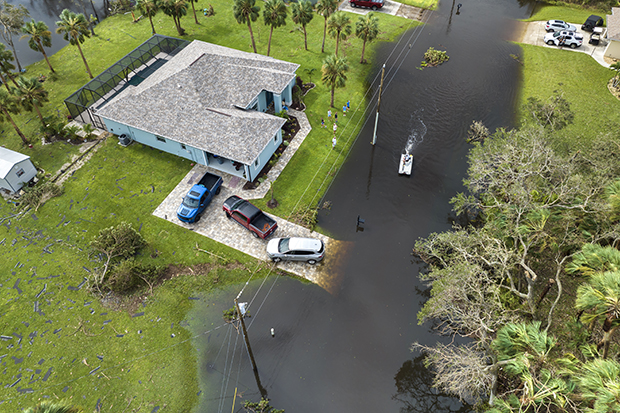
It is just as important to understand what your storm damage insurance coverage excludes. Many homeowners make the mistake of assuming everything is covered until their claim is denied.
Knowing these exclusions in advance can help you avoid costly surprises. Here are the common situations where standard policies typically do not apply:
Flood and Storm Surge Damage
Standard homeowners policies do not cover flooding. If rising water from a river, lake, or storm surge enters your home, the damage is typically excluded.
To protect against this risk, homeowners often need separate flood insurance, either through the National Flood Insurance Program (NFIP) or a private insurer.
Earthquake Damage
Most standard policies exclude damage caused by earthquakes or ground movements. If shifting soil damages your foundation or structure, your policy will not cover the loss.
In higher-risk areas, separate earthquake insurance may be necessary to protect your property.
Gradual Water Damage or Neglect
Insurance is designed to cover sudden and accidental damage. It generally excludes issues caused by long-term leaks, slow seepage, or lack of maintenance.
If a minor issue, such as a roof leak, is left unaddressed and worsens over time, the insurer may deny the claim based on neglect.
Named-Storm Deductibles: Why They Matter for Your Storm Damage Claim
When a major weather event is officially named by the National Weather Service, certain provisions in your policy may change. This is commonly referred to as a named-storm deductible, and it is important to understand how it might affect your claim and out-of-pocket costs before filing.
Instead of a standard flat deductible, your policy may apply a percentage-based deductible when a named storm or hurricane triggers this provision.
Percentage-Based Deductibles
Named-storm and hurricane deductibles are usually set as a percentage of your home’s insured value, ranging from 1% to 5% depending on your policy terms, location, and local risk factors.
This percentage applies to your total insured value, not the repair cost. For example, a 5% deductible on a $300,000 policy equals $15,000 out of pocket before coverage applies.
State guidelines determine this range. In Louisiana, deductibles often fall between 2% and 5%. In Texas coastal areas, policies issued through the Texas Windstorm Insurance Association (TWIA) commonly use similar percentage-based deductibles (1% to 5%).
When These Deductibles Apply
These deductibles do not apply to every storm. They are typically triggered only when a storm is officially named by the National Weather Service.
In many cases, the higher deductible applies even if the storm is classified as a tropical storm and has not reached hurricane status.
Why This Matters before Filing a Claim
Percentage-based deductibles can significantly reduce your final payout. Understanding this ahead of time helps you plan for potential out-of-pocket costs.
Reviewing your policy declarations page can help you confirm your exact deductible and avoid surprises during the claims process.
Storm Damage Insurance Coverage in Louisiana and Texas
Your storm insurance coverage varies by location, influenced by state regulations and regional risk factors. Homeowners in coastal or high-risk areas typically face stricter requirements than those in inland regions.
Louisiana Storm Insurance Considerations
In Louisiana, standard homeowners policies typically cover wind and hail damage. However, coverage can vary in coastal or high-risk areas, where additional or state-backed insurance may be required.
Flood damage is not covered under standard policies, so separate flood insurance is necessary for storm surge or rising water.
Deductibles in Louisiana are often percentage-based, typically ranging from 2% to 5% of your home’s insured value. Under Louisiana law, these deductibles are applied on an annual basis. If multiple named storms strike in one calendar year, you generally only pay the full hurricane deductible once.
Additionally, state law requires insurers to initiate loss adjustment within 14 days of notification, although this deadline may be extended during catastrophic events.
If you have questions about coverage, deadlines, or claim disputes, a Louisiana insurance claim lawyer can help you understand your rights and navigate the claims process.
Texas Storm Insurance Considerations
In inland Texas, standard homeowners policies usually include wind and hail coverage. However, coastal properties often require separate windstorm insurance through the Texas Windstorm Insurance Association (TWIA). To be eligible for TWIA, most coastal properties must have a Certificate of Compliance verifying the structure meets specific wind-building codes.
As in Texas, flood damage is excluded and requires separate coverage.
Homeowners should also account for percentage-based deductibles that apply to named storms or hurricanes, which can increase out-of-pocket costs before coverage begins.
Texas Prompt Payment of Claims Act gives insurers 15 days to acknowledge your claim and, once approved, 5 business days to issue payment.
If your claim is delayed, underpaid, or denied, a Texas insurance claim attorney can help protect your rights and pursue the compensation available under your policy.
How to Review Your Policy and Prepare Before Filing a Storm Damage Claim
Taking proactive steps before filing a storm damage claim can help you avoid delays and protect your financial interests. Consider the following when you navigate this process:
- Review your policy to understand covered perils and exclusions, such as wind vs. flood damage.
- Identify applicable deductibles, including hurricane or named-storm deductibles.
- Contact your insurance company or agent to clarify coverage and next steps.
- Document all damage with clear photos and videos, both inside and outside the property, and include them as part of your storm preparedness checklist.
- Keep records of temporary repairs and save all related receipts.
- Avoid making permanent repairs until your insurer completes their inspection.
- Maintain a log of all claim-related communication, including dates and details discussed.
- File your claim within the required deadlines to prevent delays or denial.
- Contact a property damage attorney if your claim is delayed, denied, or underpaid.
When to Seek Legal Help for a Storm Damage Claim

Even if you understand your storm damage coverage under standard home insurance, disputes with your insurer can still arise. In some situations, consulting a property damage attorney may be necessary to protect your rights.
Watch for these common signs that indicate you might need legal support:
- Your claim is denied without a clear or valid explanation.
- The insurer repeatedly delays inspection or payment.
- The settlement offer is significantly lower than repair estimates.
- The insurer attributes damage to an excluded peril without proper justification.
If you encounter these issues, legal guidance can help you move forward. An attorney can advocate on your behalf and help address unfair claim handling.
An experienced lawyer can review your policy to determine what coverage applies. They can also work with independent experts to support your claim and demonstrate that your storm insurance coverage should apply.
Conclusion
Understanding your storm damage insurance coverage can help you avoid unnecessary stress and financial setbacks. Reviewing your policy, including covered perils, exclusions, and deductibles, allows you to make informed decisions before filing a claim.
For homeowners in Louisiana or Texas, coverage can vary based on location and risk. Standard homeowners insurance is not always a complete safety net, especially when it comes to flood damage or named-storm deductibles.
Staying informed, keeping clear and organized storm damage documentation, and reviewing your policy regularly can help you stay prepared. Taking these steps now can make the claims process more manageable after a storm.
If your claim is delayed, denied, or underpaid, you may want to speak with a property damage attorney. You can contact Pandit Law for a free claim evaluation to better understand your options and next steps.
Frequently Asked Questions
In many cases, yes. Standard policies often cover tree removal if the tree damages an insured structure, such as your home or garage. If the tree falls without damaging a covered structure, removal costs are typically not covered.
No. Standard homeowners insurance does not cover flood damage caused by rising water or storm surges. To protect against flooding, you will need a separate flood insurance policy through the National Flood Insurance Program or a private insurer.
It depends on how the water enters your home. If a storm causes sudden damage, such as a broken roof or window, and rain enters, the damage is usually covered. However, water that enters from the ground, such as flooding, is typically excluded.
For inland properties, standard homeowners policies usually include wind and hail protection. However, in coastal areas, separate windstorm insurance may be required, often through the Texas Windstorm Insurance Association (TWIA).
Yes, in many cases. Fences are typically covered under the “other structures” portion of a homeowners policy. If a storm or fallen tree damages your fence, your policy may help cover repair or replacement costs, subject to policy limits and deductibles.