
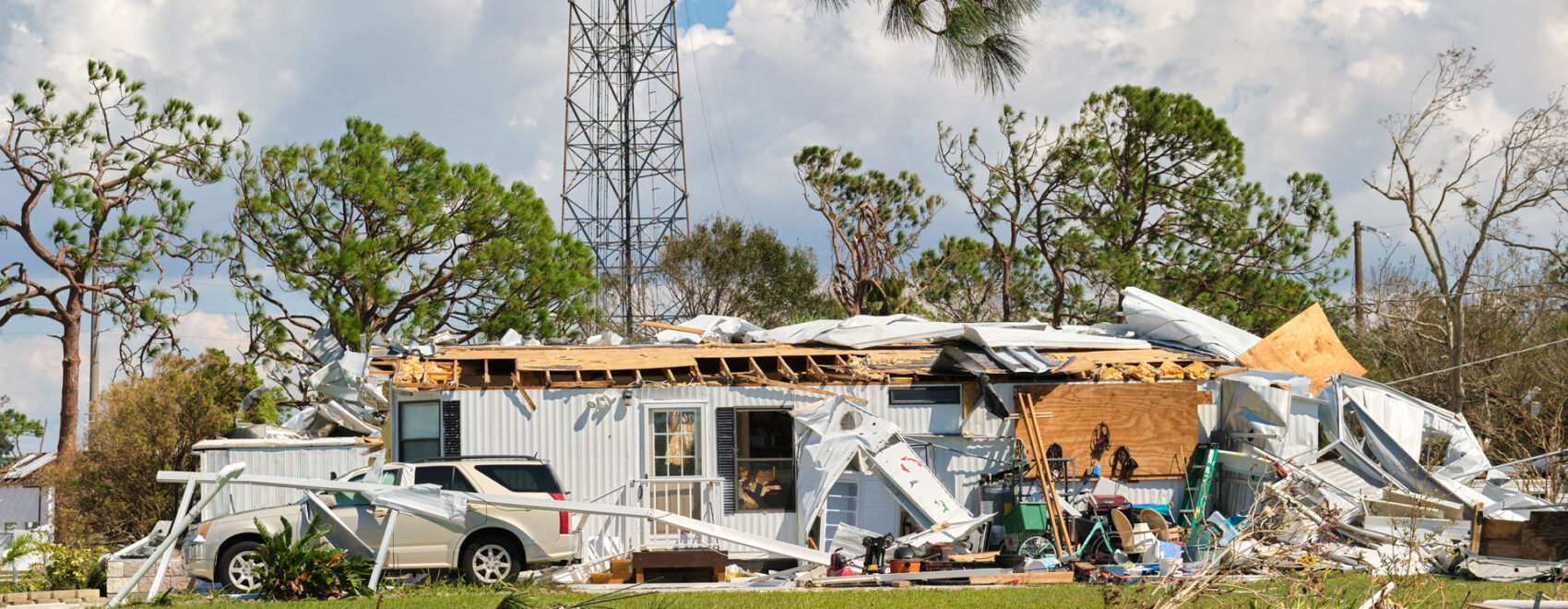
Storms in Texas, Louisiana, and across the Gulf Coast can change a homeowner’s life overnight. High winds can tear off roofs, hail can shatter windows, tornadoes can flatten structures, and hurricanes can push water into homes that have never flooded before. According to NOAA, the U.S. now faces over a dozen billion-dollar storms every year – and Louisiana and Texas consistently rank among the states hit hardest.
When you’re staring at scattered shingles, soaked floors, or a fallen tree lying across your home, filing a storm damage insurance claim becomes your lifeline to financial recovery. But insurance companies don’t always make the process easy, especially in regions where severe weather strikes repeatedly.
Preparing ahead of time makes a major difference, as you won’t get the chance to get organized once chaos hits and you need to focus on paperwork, photos, and adjuster meetings. It is important to understand exactly what your policy covers and how the storm damage claim process works from start to finish to avoid delays and protect your rights.
Does Homeowners Insurance Cover Storm Damage?

Homeowners insurance typically covers many – but not all – types of storm damage. Knowing these distinctions before you file can save time, reduce friction with your insurer, and help set realistic expectations.
What’s Usually Covered
Most standard homeowners policies include storm coverages for:
- Wind Damage: Blown-off shingles, structural uplift, damaged siding, and destruction caused by fallen trees or debris.
- Hail Damage: Punctured roofs, cracked shingles, broken skylights, dented gutters, and shattered windows.
- Water Damage (With Limitations): Water that enters because a covered peril created an opening for example, rain coming in after wind ripped off part of the roof may be covered. But water that enters from the ground is treated differently. (You will find more on that below.)
Common Exclusions and Special Provisions to Watch For
- Flooding: Standard homeowners insurance never covers flooding. Whether it’s storm surge, rising water, or overwhelmed drainage systems, you need separate flood insurance for that.
- Earthquake Damage: Typically excluded, though in hurricane-prone areas, this is rarely the main concern.
- Hurricane Deductibles and Named-Storm Deductibles: In the Gulf Coast, insurers often apply a percentage-based deductible, not a flat fee, before coverage kicks in. This percentage can be anywhere from 1% to 5% depending on your policy and location.
Storm Damage Insurance Claim Process

While every insurer has its own procedures, homeowners typically follow the same core path when filing a storm damage insurance claim from assessing damage to final settlement.
Here’s how the process usually unfolds:
Step 1 – Assess Storm Damage
After the storm, your first priority is safety. Once you’re sure the property is safe to enter, begin evaluating the storm aftermath. Even if the damage seems minor at first glance, storms often harm areas that aren’t immediately visible, so take time during this initial walk-through.
Common Types of Storm Damage
- Wind Damage: High winds can lift shingles, peel away roofing materials, damage fences, topple trees onto structures, and tear off siding. Wind may also loosen fasteners and expose your home to future water intrusion.
- Water Damage: Water can enter through roof breaches, broken windows, or compromised siding. Heavy storms can also overwhelm gutters and drainage systems, pushing water into walls, insulation, and flooring. Even a small leak can escalate into additional damages.
- Hail and Debris Damage: Golf-ball-sized hail isn’t rare in Texas and Louisiana. Hail can bruise shingles, dent metal roofing, break glass, and damage HVAC units. Wind-driven debris, branches, metal fragments, and loose outdoor items can cause similar impacts.
- Lightning Damage: Lightning strikes can trigger electrical fires, fry appliances, and overload circuitry. Sometimes, lightning damage is subtle, showing up later as flickering lights or burnt connections.
- Flooding: If rising water enters your home, look for soaked insulation, warped floors, and moisture inside walls. Keep in mind: flood-related damage is usually not covered under standard homeowners insurance.
Signs of Hidden Damage
Not all storm damage is obvious. Some issues take time to surface, but documenting them early strengthens your claim, as hidden damage often becomes the most expensive part of a storm claim.
- Foundation Problems: Cracks along walls or the slab, uneven floors, or doors that suddenly stick may signal shifting due to storm surge, standing water, or ground saturation.
- Trapped Water: Musty smells, discoloration on walls, and persistent humidity after a storm usually point to moisture trapped behind surfaces.
- Electrical Issues: Buzzing outlets, tripped breakers, flickering lights, or intermittent power loss may indicate storm-induced wiring damage.
Step 2 – Documenting Damage for Insurance Claims
Once you’ve completed a full walk-through, it’s time to create a detailed record. Good storm damage documentation can make or break the insurance claim process, especially when adjusters are overwhelmed after regional disasters.
Take clear, well-lit photos and videos of all visible damage. Capture both wide-angle shots and close-ups. Include before-and-after comparisons if you have them.
Even seemingly minor issues, such as a small ceiling stain or bent gutters, should go into your file. Insurers often require proof for every line item.
What to Include in Your Report:
- The date of the storm and when you first noticed damage.
- A description of the location and severity of each issue.
- Clear photos and videos of structural and personal property damage.
- An inventory of affected items (furniture, electronics, appliances).
- Weather details such as wind speeds or hail size.
- Receipts, appraisals, or warranty information for major items.
Thorough documentation lays a foundation you can rely on if your insurer disputes any portion of your claim.
Step 3 – Contact Your Insurance Company
Once the damage is documented, reach out to your insurer as soon as possible. When storms hit entire neighborhoods, claims departments become overwhelmed. Early filing helps you avoid long delays after the storm damage and keeps your recovery moving. Keeping your communication organized and timely will make the process smoother.
When calling:
- Ask to speak directly with the claims department.
- Request your claim number and the name of your assigned adjuster.
- Ask for a written outline of the insurer’s claim requirements.
- Confirm whether you can make temporary repairs to prevent further damage.
Step 4 – File a Storm Damage Insurance Claim
Now that you’ve documented the damage and notified your insurer, it’s time to officially file your storm damage insurance claim.
Filing the Claim
Most insurers allow claims to be filed through:
- Online portals
- Mobile apps
- Phone calls
- Email submissions
Provide as much documentation as possible upfront. Include your photos, itemized descriptions, receipts for emergency repairs, and any professional inspection reports you’ve already gathered.
How to File
- Gather your photos, videos, and damage notes
- Log in to the insurer’s portal or call their claims department
- Submit or describe the damages clearly
- Provide all supporting documents
- Request written confirmation of your claim submission
- Track all follow-up communication in writing
Addressing everything early helps prevent disputes later, especially in complicated storm aftermath claims.
Dealing with Adjusters
The adjuster plays a key role in determining the value of your storm damage. Their inspection often forms the basis for your payout.
Remember, adjusters work for the insurance company, not you. Being organized, knowledgeable, and present helps ensure nothing is overlooked.
During this inspection:
- Walk the property with the adjuster
- Point out all visible and hidden damage
- Take notes about everything they say
- Ask clarifying questions if you disagree with their assessment
Common Denied Claims
Insurance companies deny storm claims for several common reasons:
- Policy Exclusions: Flood damage, earth movement, pre-existing wear and tear, and certain types of interior water intrusion may be excluded.
- Missing Documentation: If photos, receipts, or repair records are missing, insurers may claim insufficient proof.
If your storm damage claim is denied:
- Ask for a written denial letter
- Review the cited exclusions carefully
- Request a second inspection
- Consult a storm damage attorney to challenge unfair denials
Pandit Law regularly helps homeowners appeal denied claims and secure fair compensation.
Step 5 – Get an Independent Storm Damage Assessment
For major storms, always consider obtaining your own independent assessment from roofing contractors, plumbers, structural engineers, or restoration experts. These evaluations help you understand the full scope of storm damage, beyond the adjuster’s quick walk-through.
Independent assessments are especially helpful when:
- The insurer undervalues the damage
- The adjuster misses hidden issues
- Repairs cost more than the insurer estimates
When you have professional documentation in hand, you’re better equipped to push back against lowball offers.
Step 6 – Get Legal Help for Your Storm Damage Claim
Not every claim requires legal intervention. But certain red flags indicate it may be time to speak with a property damage lawyer:
- Your insurer delays your claim for weeks or months.
- Your payout is much lower than repair estimates.
- The insurer denies the claim on questionable grounds.
- You’re offered a quick settlement that seems too low.
- The adjuster refuses to acknowledge documented damage.
An attorney can help you interpret policy language, challenge unfair decisions, negotiate with the insurer, and, when necessary, prepare for litigation. Pandit Law supports homeowners and also helps business owners file commercial storm damage claims.
Essential Tips for Navigating a Storm Damage Roof Insurance Claim
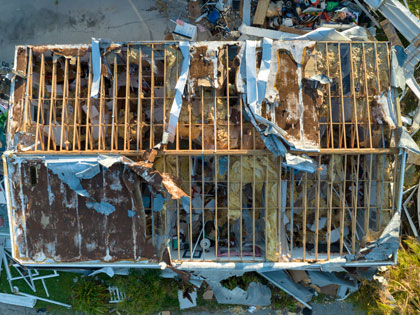
Roof damage is one of the most common and expensive results of severe storms. Hail, high winds, tornadoes, or flying debris can all compromise a roof, and problems escalate quickly if they aren’t addressed right away.
A typical storm damage roof insurance claim involves:
- A thorough roof inspection.
- Documentation of the roof’s age and condition.
- Filing the claim with photos, roofer reports, and estimates.
- Reviewing the insurer’s inspection results.
- Hiring an attorney if the insurer undervalues or disputes the damage.
Insurers often argue that roof issues stem from age or “normal wear and tear” rather than storm activity. If your roofer’s assessment contradicts the adjuster’s report, get a second opinion and consider legal support to dispute the findings.
Conclusion
Storms may last only a few hours, but the financial and emotional toll can linger for months. Following a storm preparedness checklist and filing your storm damage insurance claim the right way – thoroughly, promptly, and with strong documentation—gives you the best chance at recovering what you’re owed.
If your claim is delayed, underpaid, or denied, you don’t have to navigate the fight alone. Pandit Law helps homeowners and business owners across Louisiana, Texas, and the Gulf Coast challenge unfair claim decisions and secure the compensation needed to rebuild.
Contact Pandit Law today for a free storm damage claim evaluation.
Frequently Asked Questions
Most insurers require claims to be filed promptly, often within days or weeks. Some policies allow up to a year. Always check your policy for specific deadlines.
Damage from wind, hail, lightning, and wind-driven rain typically qualifies. Rising water or storm surge usually requires separate flood insurance coverage.
Yes. Homeowners often pay standard deductibles or hurricane/named-storm deductibles, which may be a percentage of the home’s insured value.
Adjusters inspect the property, review photos, and analyze weather data. Independent experts can also provide assessments to challenge incorrect or incomplete assessments.