
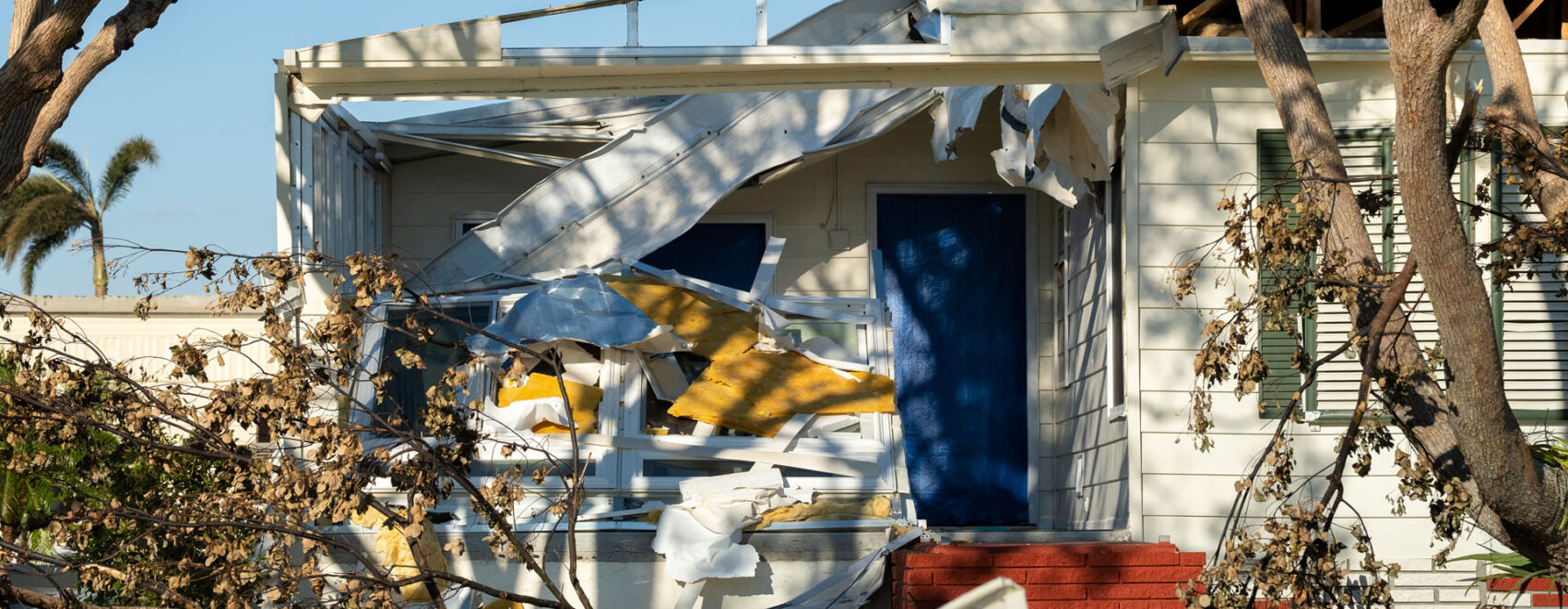
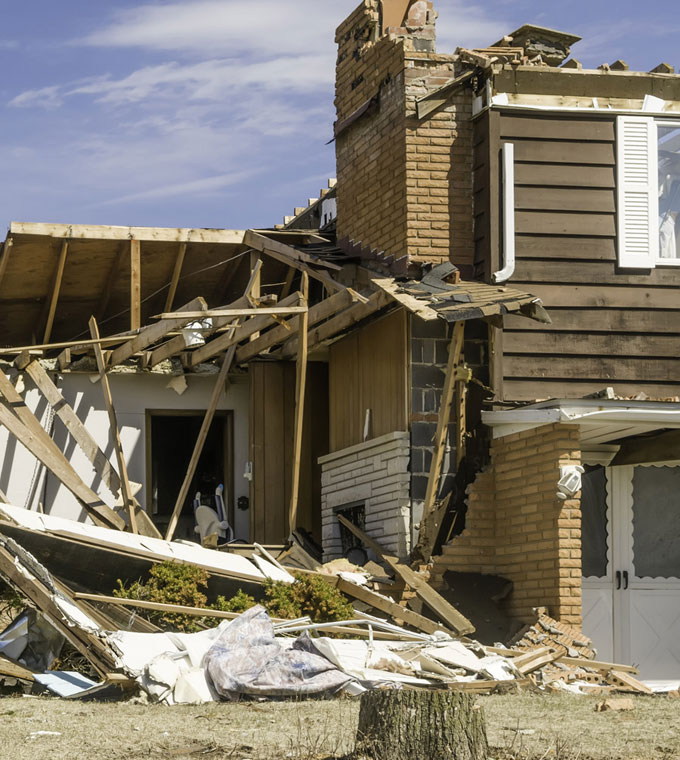
Facing the aftermath of a storm can overwhelm homeowners in Texas and Louisiana, physically, financially, and emotionally. According to the National Center for Environmental Information, Texas has endured 153 billion-dollar storm events (including tropical cyclones and winter storms) while Louisiana has endured 80 such disasters between 1980 and 2024, causing over $300 billion in damages.
You may be wondering what to do after a storm strikes your property, how to recover, and how to properly handle insurance in the chaos. This guide clarifies each step in plain terms, walking you through how you can assess damage, navigate claims, and begin rebuilding confidently. Use this resource to move forward with clarity and control in the storm recovery process.
Step 1. Ensure Your Safety
Your safety comes first after a storm damages your property. In Texas and Louisiana, storms often leave behind downed powerlines, gas leaks, and unstable structures. So, only re-enter your home when you’re sure it’s safe.
Before you step inside, keep these safety tips in mind:
- Stay clear of downed powerlines
- Avoid standing or murky water because of electrical and contamination risks
- Check for gas smells or hissing sounds
- Watch for snakes or wildlife displaced by floodwaters
Once it’s safe to do so, start your inspection from the outside and move inward.
Check the exterior:
- Look for roof shingles on the ground
- Check for broken windows or doors
- Scan for cracks in walls or foundation shifts
- Watch for standing water or flooding around the home
Inside the home:
- Avoid rooms with sagging ceilings
- Stay alert for electrical hazards
- Check for water intrusion or any unusual or musty smells
Step 2 – Assess Storm Damage
Once your home is safe to enter, take time to understand the full scope of damage caused by the storm aftermath. Different storms create different types of destruction, and noticing them early helps you plan repairs and prepare for insurance claims. Walk room by room and list everything you see.
Common types of storm damage include:
- Wind Damage: Missing shingles, loose siding, broken fences
- Water Damage: Wet drywall, ceiling stains, and leaking roofs
- Hail Damage: Dents on gutters, AC units, and vehicles
- Flooding: Warped floors and soaked insulation
- Lightning: Burnt outlets and damaged appliances
A thorough assessment gives you a clear picture of what needs immediate attention.
Step 3. Documenting Damage for Insurance Claims
Strong storm damage documentation is one of the most important steps. Use your phone or camera and make sure you capture everything clearly.
When documenting the damage:
- Take wide shots to show the full scene
- Capture close-ups for specific details
- Record videos while walking slowly through each room
- Document even small issues like minor leaks, hairline cracks, or damaged electronics
Insurers expect a complete record of the loss, so:
- Create a simple list of each damaged item
- Note when you found it and how the storm affected it
- Save all receipts for temporary repairs or cleanup
The more evidence you gather, the smoother your claim process will be.
Step 4. Contact Your Insurance Company
After you’ve documented everything after the storm damage, reach out to your insurance company as soon as possible. Early communication helps avoid delays and keeps your claim moving. When you call, ask to be connected directly to the claims department.
When contacting your insurer:
- Ask for your claim number
- Request a written outline of the claims process
- Confirm your storm damage coverage details and deductibles
- Note the name and contact information of every representative you speak with
- Follow up with an email recap to keep everything documented
Quick action helps you stay organized and supported from the start.
Step 5. File A Storm Damage Insurance Claim
Filing a claim in the storm’s aftermath doesn’t have to be complicated. Most insurers allow multiple submission options – online portals, customer service hotlines, or mobile apps. Choose the one that’s easiest and fastest for you.
Here’s what you need to do when filing your storm damage insurance claim:
- Submit your initial claim through your preferred method.
- Upload or provide all required documentation.
- Send photographs, videos, and written descriptions of each damage.
- Save and submit receipts for temporary repairs or cleanup.
- Confirm your claim number and assigned adjuster.
Being thorough ensures your insurer has what they need to begin reviewing your case.
Step 6. Work with a Third-Party to Estimate Storm Damage
Independent estimates can make a major difference after your property experiences storm damage. Contractors, roofers, engineers, or public adjusters often identify issues that an insurance adjuster may overlook. These unbiased assessments help paint a full picture of the storm’s impact.
Here’s why you should work with third-party experts:
- They provide the true cost of repairs
- They help you challenge low or incomplete insurance estimates
- They document structural issues that may not be immediately visible
- They support your claim if there’s a dispute
Getting multiple estimates allows you to negotiate confidently and protect the value of your home.
Step 7. Seek Legal Help for Storm Damage Claim
Sometimes the insurance process becomes frustrating, especially when your claim is delayed, denied, or underpaid. That’s when speaking with an experienced property damage lawyer can help. Your attorney will guide you through the complicated parts of storm claims and make sure your rights stay protected.
They can help you when:
- Your adjuster isn’t responding
- You receive a low-ball offer
- Your claim is partially paid or denied
- You need help understanding policy language
In these situations, A property damage claim attorney can also help business owners file a commercial storm damage claim, navigate complex policy requirements, and pursue the compensation they are entitled to.
A property damage claim attorney can also help business owners file a commercial storm damage claim, navigate complex policy requirements, and pursue the compensation they are entitled to.
Storm Damage Prevention and Mitigation Strategies
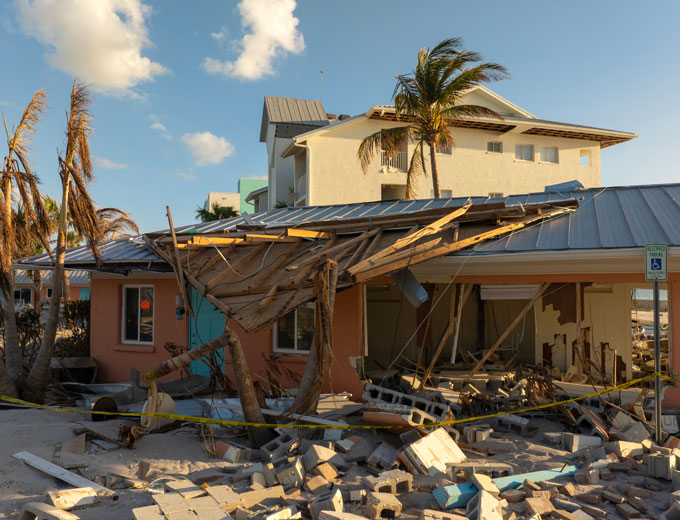
Understanding how to protect your home before the next major storm can save you from the overwhelming aftermath of a storm. Simple home improvements and routine maintenance go a long way in protecting your property during hurricane season.
Start with simple improvements to your home’s exterior:
- Secure outdoor furniture, grills, and loose items
- Trim weak or overhanging branches
- Reinforce windows and doors with shutters or impact-resistant materials
- Inspect and repair roof shingles, flashing, and gutters
- Check for soft spots on the roof that could turn into leaks during heavy wind or rain
Inside your home:
- Install surge protectors for appliances
- Seal cracks around windows, doors, and walls
- Elevate important appliances in flood-prone areas
- Use generators or sump pumps when necessary
Just as important is reviewing your insurance coverage:
- Check whether your policy covers all storm-related damage
- Consider adding endorsements for hail, tornado, or water damage
- Review deductibles and exclusions with your agent
These simple proactive steps can significantly reduce damage and speed up recovery when the next storm hits.
Tips for Texas and Louisiana Homeowners After a Storm
The frequent hurricanes, tropical storms, and flooding create unique challenges for homeowners. In the Louisiana or Texas storm aftermath, focus on steps that protect both your property and your claim, including:
- Use only licensed and insured professionals for repairs
- If a Presidential Disaster Declaration is issued, apply for FEMA assistance
- Take clear photos and videos of all damage
- Keep receipts for temporary repairs
- Review your insurance policy, deductibles, and exclusions
- Watch for contractor scams that often follow major storms
When you’re unsure what comes next, Pandit Law is here to guide you through the recovery process and help you regain control after the storm.
Conclusion
Recovering after a storm can feel overwhelming, but acting quickly makes the process easier. Start by protecting your safety, assessing the damage, documenting everything, and contacting your insurance company quickly. Filing a detailed claim and getting independent estimates helps ensure nothing is missed. And when delays, denials, or low offers get in the way, Pandit Law is here to support you, explain your rights, and help you pursue a fair resolution.
If you’re dealing with storm-related losses and need guidance, contact Pandit Law today for a free storm claim evaluation.
Frequently Asked Questions
First, make sure everyone is safe and stay away from damaged areas. Take photos and videos of the tree and any structural damage it caused. Avoid moving anything until it’s documented. Contact your insurance company and use only licensed professionals to remove the tree and repair your home.
Most insurance policies require claims to be filed promptly, often within 30–60 days, but every policy is different. File as soon as you can after documenting the damage. Delays can lead to disputes or denial. Review your policy or speak with an attorney if you’re unsure of your deadline.
Storm damage includes harm caused by wind, hail, lightning, heavy rain, flooding, falling trees, roof damage, broken windows, and structural issues. It can also include electrical problems, water intrusion, and damage to personal items. Anything directly caused by the storm should be documented and reported to your insurer.
Homeowners’ policies typically cover wind, hail, and lightning damage, but may not automatically cover flooding or storm surge. Those usually require separate flood insurance. Coverage can vary by insurer and location, so review your policy’s exclusions and endorsements to understand what’s included before filing a claim.
Avoid guessing about the cause of damage or minimizing the impact. Don’t say anything uncertain like “It’s not that bad”. Stick to facts, share clear documentation, and let the adjuster make the assessment. If unsure, speak with a property damage attorney before giving detailed statements