
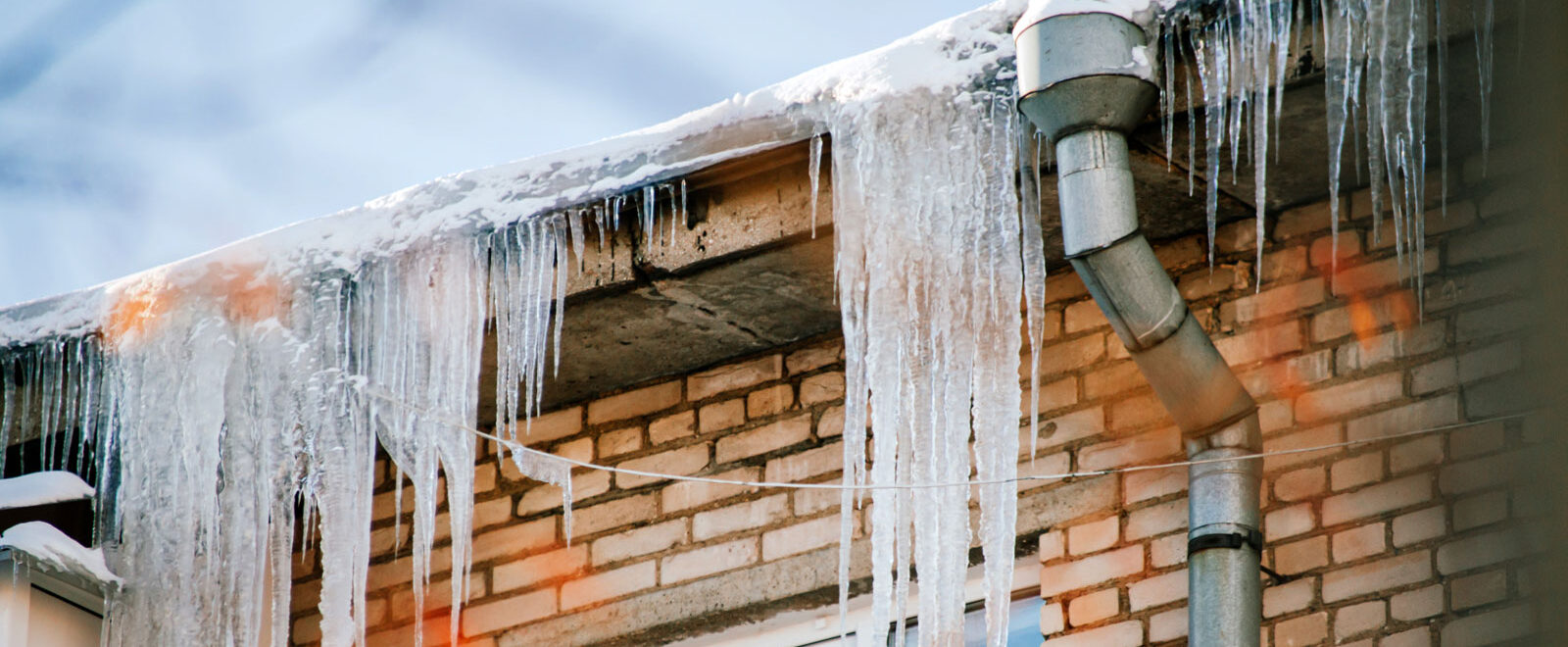
When a rare ice storm hits Texas or Louisiana, the damage can be sudden, widespread, and overwhelming. The real shock often comes later, when insurance claims stall, get reduced, or face unexpected scrutiny. Many homeowners see claims denied because their losses were not documented clearly. Others receive smaller payouts simply because key damage was never recorded. Some even discover additional issues after settlement and struggle to reopen their claim without solid proof. The quality of your documentation often shapes how smoothly your claim moves forward.
Recent winter storms show why preparation matters. A major January 2026 storm caused widespread outages and dangerous ice across multiple states, including Texas, while a rare Gulf Coast winter storm in 2025 brought historic snowfall to parts of the region. When storms like these strike, what you document immediately afterward can directly shape how your claim is evaluated.
This guide explains what thorough documentation looks like, what insurers expect as proof, and how the right records can help protect your claim from delays, disputes, or underpayment.
Why Documentation Is Critical in an Ice Storm Insurance Claim
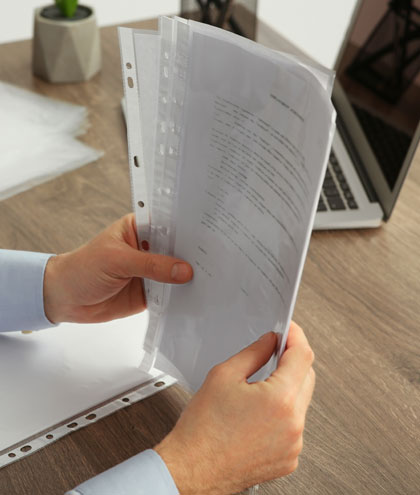
After an ice storm, most homeowners focus on cleanup and repairs. But before repairs begin, documentation should be the priority. The strength of your claim often depends less on how severe the storm was and more on how clearly the damage is supported with evidence. Proper ice storm documentation creates a record that connects the weather event to your losses and reduces room for dispute.
Insurance Companies Require Proof, Not Just Statements
Insurance claims are evidence-driven. An adjuster cannot rely on verbal explanations alone. They look at photographs, repair estimates, inventories, and written records that support the loss.
In both Texas and Louisiana, most policies require a sworn Proof of Loss form backed by documentation. The burden of proof falls on the homeowner, which makes organized records critical from day one.
Claims Get Denied Due to “Lack of Documentation”
Many denials happen because the insurer believes the evidence is incomplete or unclear, not policy exclusions. Common reasons insurers cite for denial include:
- Insufficient proof that the ice storm caused the damage
- Claims that damage existed before the storm
- No clear timeline showing when the loss occurred
- Missing photos taken before the cleanup
- Failure to submit the required Proof of Loss forms
Often, the issue is not whether coverage exists. It is whether the file contains enough proof.
Underpayment Happens When Damage Is Poorly Documented
Adjusters typically rely on documented evidence when determining payment. That means:
- Undocumented damage may be excluded.
- Missing line items can lower payment calculations.
- Weak inventory details may reduce personal property values.
Discovering More Damage After Settlement
Ice storms often cause damage that appears later. For example:
- Ice dams can affect attic areas.
- Freeze damage may spread behind walls.
- Structural issues sometimes emerge over time.
If this damage was not documented early, proving it later becomes much harder, especially when requesting supplemental review.
Complete Documentation Checklist for an Ice Storm Insurance Claim

Thorough ice storm documentation creates a clear, organized record of what happened, when it happened, and how it affected your property. Insurance companies evaluate claims based on what appears in the file. The more complete your documentation, the stronger your proof for ice storm claims.
Here is a practical checklist homeowners in Texas and Louisiana can use to build a solid claim record:
Photo and Video Evidence of All Damage
Photos and videos form the foundation of most claims. They visually connect the storm to the damage. Document:
- Exterior damage, such as roof shingles, gutters, siding, fences, and HVAC units
- Ice dams before removal
- Fallen limbs or visible structural impact
- Interior damage to ceilings, drywall, flooring, and cabinets
- Burst pipes and plumbing leaks
- Attic insulation damage
- Electrical panels or systems affected by freezing conditions
When capturing evidence:
- Use timestamped images whenever possible.
- Take multiple angles of each damaged area.
- Include close-up and wide shots.
- Photograph damage before temporary repairs.
- Document conditions before debris removal.
Missing photos can create claim risk. If damage is not visually documented, insurers may question whether the storm caused it.
Pre-Storm Property Condition Evidence
Insurers often argue that damage existed before the ice event. Pre-storm records help counter that claim. Helpful documents include:
- Roof inspection reports
- Prior home inspection reports
- Maintenance records
- Contractor invoices for previous repairs
- Recent real estate listing photos
- Google Street View images as supporting context
These records show the property’s condition before the storm. In Texas and Louisiana, where insurers frequently raise wear-and-tear defenses, this type of evidence helps counter insurer disputes.
Proof of Loss Statement
A Proof of Loss is a sworn statement that outlines the amount you are claiming under your policy. Many Texas and Louisiana policies require it, particularly when the insurer formally requests it.
Key points homeowners must consider when preparing a Proof of Loss statement include:
- It must be submitted within the policy deadline.
- It must match your supporting documentation.
- It must include itemized damages.
- It requires your signature as a sworn statement.
Errors, omissions, or inconsistencies can result in denial. This document should align precisely with your repair estimates, inventories, and photographs.
Detailed Damage Inventory List
For personal property losses, insurers rely heavily on inventory lists. Your inventory should include:
- Room-by-room itemization
- Clear descriptions of each damaged item
- Purchase date, if known
- Estimated value
- Replacement cost versus actual cash value, if applicable
Vague entries such as “miscellaneous kitchen items” can reduce payouts. Missing serial numbers or model information may also weaken the claim. Specificity strengthens proof for ice storm claims.
Repair Estimates from Licensed Contractors
Repair estimates translate damage into measurable costs. Be sure to:
- Obtain at least 2–3 estimates.
- Ensure each estimate includes a detailed scope of work.
- Clarify whether roof replacement is necessary instead of patching.
- Document ice dam removal work.
- Secure a structural engineer’s report if structural integrity is in question.
Relying solely on the insurer’s estimate may lead to underpayment. Detailed, line-item contractor estimates help justify the full scope of necessary repairs.
Emergency Repair and Mitigation Receipts
Policies require homeowners to take reasonable steps to prevent further damage. You must document those efforts. Keep records of:
- Tarping invoices
- Water extraction services
- Plumbing emergency repairs
- Temporary housing receipts, if applicable
Retain all receipts and photograph emergency work before and after completion. Without proof of mitigation, insurers may dispute portions of the claim.
Weather Reports and Official Storm Records
Independent weather data supports the causation element of your claim. Consider gathering:
- NOAA weather reports
- Local freeze warnings
- State emergency declarations
- News coverage of the storm event
These records help demonstrate that freezing conditions occurred in your area on the relevant dates. This strengthens the link between the storm and your property damage.
Communication Records with Insurance Company
Keep every communication related to your claim. Maintain copies of:
- Your claim number confirmation
- Emails and written correspondence
- Letters from the insurer
- Adjuster reports
- Call logs noting dates and discussion summaries
Clear records protect you if disputes arise and are useful if the claim escalates for further review.
Supplemental Damage Documentation (For Later-Discovered Issues)
Some damage becomes visible only after initial inspections. Examples include:
- Hidden water damage
- Electrical system corrosion
- Structural weakening
Photograph newly discovered damage before repair. Document when you first noticed it and notify the insurer promptly. A clear timeline helps connect newly discovered damage to the original storm event.
Ice Dam-Specific Documentation
Ice dams create unique claim challenges because insurers may argue maintenance issues. Document:
- Ice buildup before removal
- Clogged or frozen gutters
- Interior leak patterns
- Insulation damage
- Ventilation conditions in the attic
Photographic and written documentation helps counter arguments that the issue resulted from poor upkeep rather than storm conditions.
Common Documentation Mistakes Texas and Louisiana Homeowners Make
Even strong claims can run into trouble when documentation is incomplete or poorly organized. Insurers evaluate what they can verify, not what is assumed. Avoiding the following mistakes can significantly strengthen your evidence for ice storm claim review:
- Cleaning up too quickly before photographing damage removes critical proof.
- Failing to document attic areas leaves out damage that insurers often question.
- Discarding damaged materials eliminates physical evidence that the insurer may request.
- Waiting too long to file delays inspections and weakens cause-of-loss arguments.
- Accepting the first settlement without reviewing scope details can lock in undervalued losses.
- Failing to document newly discovered damage makes supplemental claims harder.
State rules can also affect outcomes. Texas policies commonly require written proof of loss within about 90 days of the loss, unless it was not reasonably possible to provide it earlier. Louisiana law may extend proof-of-loss deadlines after declared disasters, sometimes allowing at least 180 days depending on emergency conditions.
Missing deadlines or submitting incomplete documentation can complicate claims, delay payment, or create disputes over whether damage qualifies for coverage.
What to Do If Your Claim Was Denied or Underpaid Due to Documentation Issues
A denial or reduced payment does not always mean the claim is over. In many cases, gaps in ice storm documentation can be corrected with additional evidence and clarification.
Homeowners can often strengthen a disputed claim by:
- Gathering new expert evaluations, such as contractor or engineering reports
- Submitting supplemental photos, videos, or repair documentation
- Providing updated inventories or revised repair estimates
- Requesting a reinspection if damage was overlooked
You may also escalate concerns through regulators. Texas homeowners can file complaints with the Texas Department of Insurance, while Louisiana residents may contact the Louisiana Department of Insurance for claim review assistance. These agencies oversee insurer conduct and investigate complaints.
If documentation disputes continue, speaking with a property damage attorney can help you understand your options. Legal review may identify missing evidence, policy interpretation issues, or procedural errors that affected the claim decision.
When to Contact a Property Damage Insurance Lawyer and How They Help
You may want legal guidance if documentation issues start affecting your claim outcome. An attorney can step in when:

- A claim is denied for “lack of proof” despite submitted evidence.
- Payment is reduced even though the documentation appears complete.
- The insurer attributes damage to pre-existing conditions.
- Supplemental damage is rejected.
- Claim handling conduct raises concerns.
When these situations arise, the focus shifts from simply submitting documents to strategically strengthening and defending your claim. That is where legal guidance can make a meaningful difference in how your documentation is evaluated and presented. A property damage attorney typically helps by:
- Reviewing your documentation file for gaps or inconsistencies
- Identifying additional evidence that strengthens your claim
- Communicating with the insurer on your behalf
- Negotiating or pursuing legal action if necessary
In many cases, the issue is not whether damage occurred, but whether the documentation clearly proves it. When disputes arise over proof, scope, or causation, having an experienced property damage attorney review your file can help level the playing field and ensure your claim receives a fair evaluation under the policy.
Conclusion
Ice storm claims are often decided by documentation, not just damage severity. The more thoroughly you document your loss, the stronger your position during claim review and any follow-up discussions with the insurer. Keeping an organized claim file, photographing all damage, saving receipts, and recording timelines can significantly improve how your claim is evaluated. Acting quickly after a storm also helps preserve evidence that may disappear during cleanup or repairs.
If questions, delays, or disputes arise, do not assume you have to handle them alone. Consulting an experienced property damage attorney to understand your policy rights and have your documentation reviewed can make a meaningful difference in how your claim moves forward and how fairly it is assessed.
Frequently Asked Questions
Yes. If you discover additional storm-related damage after your claim is processed, you can usually request a supplemental review. Document the new damage immediately, take photos, and notify your insurer promptly. Clear records showing when the damage was discovered help support your request and strengthen your position.
Yes. Insurance companies may deny claims if they believe there is not enough evidence linking the damage to the storm. Missing photos, incomplete records, or unclear timelines can create doubt. Strong documentation, detailed estimates, and clear proof of loss significantly reduce the risk of denial.
An ice storm occurs when freezing rain coats surfaces with layers of ice. This buildup can weigh down roofs, power lines, trees, and structures, often causing breakage, leaks, and structural stress. Insurers rely on weather data and property evidence to confirm that damage resulted from these conditions.
Preparation involves both safety and documentation readiness. Homeowners should photograph property conditions before winter, keep maintenance records, and store insurance documents in an accessible place. Having a plan to document damage immediately after a storm helps protect your claim and prevents evidence from being lost.