
If you live in Louisiana or Texas, hurricane season is more than just a distant threat. It is a yearly test of preparation, resilience, and quick decision-making. And each year seems to hit a little harder. Louisiana has endured back-to-back storms like Laura, Delta, and Ida. Texas has seen Harvey’s record-shattering floods and multiple Gulf storms that formed with little warning. These events reshaped not only how families prepare but also how insurers respond to claims.
That’s why a hurricane preparedness checklist today must do more than cover flashlights and canned food. It needs to help you stay physically safe and protect your insurance rights so that if your home is damaged, you’re not fighting your insurer at the worst possible time.
This guide covers both angles: storm preparedness for your family and claim preparedness for your future recovery, giving you practical steps you can take before, during, and after a storm to protect your property, safety, and financial interests.
Know Your Risk and Seasonality in Louisiana and Texas
Understanding the seasonal patterns and your risk helps choose the right insurance endorsements, anticipate potential challenges during the claims process, and prepare for potential delays, long claim wait times, and the need to preserve documentation well before the first storm warning.
Louisiana: High Exposure, Long Recovery Cycles
Louisiana has one of the longest and most active hurricane seasons in the country, with peak risk stretching from August through October. Its geography, low elevation, soft soils, and proximity to warm Gulf waters create ideal conditions for storm surge and widespread flooding.
Cities like New Orleans, Lake Charles, and Houma have seen how a single hurricane can reshape an entire region’s insurance market. From Katrina to Ida, major storms triggered insurance company failures, coverage restrictions, and rising deductibles. These realities make preparedness a safety strategy with a huge financial impact.
Texas: Long Coastline, Wide Impact Range
Texas shares similar vulnerabilities but on a much broader scale. Its nearly 370-mile coastline exposes millions of homes to storm surge, wind, and flood risk. Storms that strike Houston and Corpus Christi can push hundreds of miles inland, causing river flooding and wind damage as far as Austin or Dallas.
Peak hurricane threats align with Louisiana’s, but Texas storms often arrive with less lead time and more unpredictable flooding. Hurricanes Ike, Harvey, and Nicholas reshaped emergency preparedness across the state and influenced how insurers handle wind, hail, and flood-related claims.
Before the Storm: Preparation Checklist

This ultimate hurricane checklist focuses on the two areas that matter most: protecting your safety and protecting your claim. A few hours of preparation before landfall can save months of stress afterward.
1. Review and Update Your Insurance Policy
Know exactly what your policy covers and what it doesn’t. Wind? Flood? Roof damage? Additional Living Expenses (ALE)? Named storm deductibles? Check renewal dates and confirm coverage limits match today’s rebuilding costs.
2. Secure Your Important Documents
Store copies of your insurance policy, ID, mortgage documents, and medical info in a waterproof bag and a cloud backup. Insurers often ask for documents immediately after a storm, even before sending an adjuster.
3. Create Your Home Inventory
Walk through your home and take quick videos of each room. Photograph receipts for major purchases. This becomes critical evidence if belongings are damaged or destroyed.
4. Secure Outdoor Items and Property
Tie down furniture, remove loose debris, reinforce fences, board windows if necessary, and clear gutters. Insurers sometimes deny wind claims by arguing the damage was “preventable.”
5. Harden Your Home
Consider upgrades like impact-resistant shingles, storm shutters, and reinforced doors. These lower risk and may reduce premiums.
6. Prepare an Emergency Kit and Go-Bag
A storm preparedness kit should include:
- Water and non-perishable food
- Medications
- Flashlights, batteries, portable chargers
- First aid supplies
- Cash
- Copies of important documents
- Clothing and hygiene items
This setup works well for evacuation scenarios where you may need to leave quickly.
7. Set Up a Communication and Evacuation Plan
Know your evacuation zone, route, shelter options, and meeting points. Share the plan with family and neighbors because cell towers often fail during storms.
8. Back Up Your Digital Files
Scan receipts, photos, home inventory lists, and insurance documents, and upload them to a cloud drive. This protects evidence if your devices are lost or destroyed.
9. Contact Your Insurer before the Storm
Confirm the claims hotline, find out how to report a loss, and ask whether they offer emergency adjuster inspections after major events.
During the Hurricane: Safety Actions Checklist
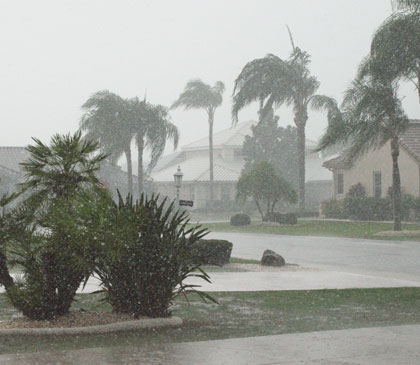
When the storm hits, safety comes first. Taking simple steps can help protect your loved ones, your home, and your future claims.
1. Stay Informed
Monitor local emergency alerts, NOAA weather radio, and official sources. Understand the difference:
- Hurricane Watch: Storm possible within 48 hours.
- Hurricane Warning: Storm expected within 36 hours.
Many families underestimate how quickly a warning escalates into dangerous conditions.
2. If You Stay, Choose a Safe Interior Space
Stay in a windowless interior room or hallway on the lowest safe floor. Avoid garages and rooms with skylights. Bring your emergency kit inside this room before conditions worsen.
3. If You Evacuate, Go Early
Once authorities issue mandatory evacuation orders, leave immediately. Bring your go-bag, medical supplies, important documents, pets, and portable chargers. Keep fuel in the vehicle, as gas shortages are common during evacuations.
4. Preserve Evidence
If it is safe to do so, take brief videos from inside your home showing water intrusion, leaks, or broken windows. Evidence matters later, especially when the cause of damage is disputed.
What Not To Do:
- Do not walk or drive through floodwater.
- Do not go outside during the “eye” of the storm.
- Do not use generators indoors (carbon monoxide risk).
- Do not film or photograph outside conditions; any roof damage can be documented later.
After the Storm: Recovery and Claim Preservation Checklist

Here’s a concise step-by-step approach focused on protecting your rights and supporting a smoother recovery.
1. Document All Damage
Take photos and videos before moving items or starting cleanup. Capture:
- Roof, attic, and ceilings
- Walls and floors
- Appliances and electronics
- Outdoor structures
- Flood lines, debris patterns, and standing water
2. Prevent Further Damage
Tarp the roof, board openings, stop active leaks, and move salvageable items. Insurers generally require reasonable mitigation to prevent additional loss.
3. File Your Claim Promptly
Call your insurer as soon as possible. High claim volume in Louisiana and Texas often causes delays and extended wait times.
4. Keep All Receipts
Temporary lodging, repairs, materials, generators, and fuel may fall under ALE or other eligible reimbursement categories.
5. Avoid Throwing Away Damaged Items
Insurers often request inspections before approving replacement or reimbursement. If possible, store damaged items in one location for review.
6. Track Every Interaction
Document adjuster visits, call logs, emails, and instructions. These records become invaluable if disputes or delays arise later.
If you’re unsure where to begin, this guide to post-storm recovery [AK1] walks you through each step in more detail.
Essential Insurance Tips for Homeowners
Storm preparedness is much more than batteries and bottled water. It also includes understanding the insurance landscape you’ll face once the storm passes. Knowing the basics of deductibles, coverage limitations, evacuation rules, and valuation methods can help you avoid surprises and make informed decisions during an already stressful time.
Named Storm and Hurricane Deductibles
Named storm and hurricane deductibles are percentage-based deductibles (2%–5% of dwelling coverage) that apply only during named storms. Many homeowners are surprised to learn how high they can be, because a small percentage of a large coverage amount often translates to thousands of dollars out of pocket.
These deductibles can also vary by state, carrier, and policy type, and may apply to wind, roof, or structural damage. Understanding this upfront helps you set realistic expectations about your financial responsibility and influence whether you want to adjust your coverage before storm season hits.
Flood vs. Wind Coverage
Flooding is rarely covered under standard homeowners insurance, which is one of the most common misconceptions. You may need NFIP or private flood coverage to protect against water damage, rising water, storm surge, or rainfall accumulation. Wind damage, however, is usually covered under homeowners insurance. However, it may have separate deductibles or exclusions depending on your region.
In hurricane-prone areas like Louisiana and Texas, policies may be structured to shift more costs to homeowners. Reviewing your policy before storm season helps you identify gaps that could lead to unexpected denials, delays, or major out-of-pocket expenses.
Evacuation Laws and Homeowner Obligations
Many states, including Louisiana and Texas, issue mandatory evacuation orders when a hurricane is expected, and failing to comply can have real consequences. In some cases, insurers may argue that a failure to evacuate contributed to damages, which can affect claims, ALE coverage, or liability scenarios.
Evacuation also impacts your ability to safely document damage, protect belongings, or mitigate further loss. Understanding your legal obligations and insurance policy language can prevent disputes later, especially when insurers look for reasons to limit payouts. When in doubt, leaving early is safer for both your family and your financial recovery.
Actual Cash Value (ACV) vs. Replacement Cost Value (RCV)
Replacement Cost Value (RCV) covers the current cost to rebuild or repair, while Actual Cash Value (ACV) deducts depreciation, meaning you receive less money for older structures, roofs, or systems. Many homeowners are unintentionally underinsured, especially if their policies default to ACV or cap RCV coverage for high-risk items.
After a hurricane, the difference between RCV and ACV can amount to tens of thousands of dollars, which greatly affects your ability to restore your home. Reviewing policy language before storm season allows you to make changes proactively, instead of finding out after a loss that you are responsible for the depreciation gap.
Why Hiring a Lawyer Early Makes a Difference
Insurance claims after hurricanes are often complex, stressful, and time-consuming. An attorney can help you:
- Review your policy and identify coverage gaps
- Preserve your rights
- Guide documentation to strengthen your claim
- Identify insurer delays or bad-faith tactics
Early involvement helps you avoid missed deadlines, documentation issues, or statements that can weaken your claim. Legal guidance also reduces back-and-forth with insurers, who may take advantage of overwhelmed or unfamiliar homeowners. The earlier you involve a professional, the smoother your recovery typically becomes, because you are proactively preparing your claim rather than reacting under pressure.
How a Lawyer Can Help After a Hurricane
Insurance companies are often overwhelmed after major hurricanes. Claims get delayed, undervalued, or denied outright. A hurricane insurance claim lawyer can help level the playing field by evaluating coverage, preserving evidence, and pushing for fair compensation.
Pandit Law helps homeowners by:
- Reviewing your policy and exclusions
- Documenting damage with experts
- Challenging incorrect adjuster findings
- Negotiating undervalued estimates
- Filing appeals or pursuing bad-faith claims
Homeowners in Louisiana can turn to an experienced Louisiana hurricane claim lawyer, while homeowners in Texas can rely on a Texas hurricane claim attorney for state-specific legal representation throughout the insurance claims process.
Conclusion
Hurricane preparation is about more than supplies; it’s about protecting your home, financial stability, and the insurance benefits you are entitled to. Navigating deductibles, coverage gaps, and post-storm claims can be overwhelming, especially when insurers delay, undervalue, or deny valid losses. With extensive experience handling hurricane-related property damage claims in Louisiana and Texas, Pandit Law helps homeowners document losses, challenge unfair tactics, and secure fair compensation with confidence.
If you’re recovering from storm damage or want support before claims issues begin, request a free claim evaluation today to speak with our experienced team.
Frequently Asked Questions
Avoid going outdoors, driving through water, ignoring evacuation orders, or using grills and generators indoors. These are among the leading causes of storm-related injuries and fatalities.
Secure loose outdoor items, reinforce windows, clean gutters, elevate valuables, and document your home’s pre-storm condition for insurance purposes. Photos and videos serve as valuable evidence if you need to file an insurance claim later.
Insurance policies, IDs, medical information, home inventory, mortgage records, and financial documents should be stored in a waterproof case and backed up digitally. Cloud storage ensures access even if physical copies are damaged.
Review policy limits, check deductibles, confirm wind/flood coverage, update home inventories, and store copies of your policy in both physical and digital formats. Taking these steps early helps avoid delays or disputes during a claim.