

If you own a home in Louisiana or Texas, you already know hurricane season isn’t just a weather event; it becomes a yearly financial risk. That’s why understanding hurricane deductible insurance can make a real difference when a storm hits.
Unlike a standard home insurance deductible that stays the same no matter the damage, hurricane deductibles are percentage-based (of your home’s insured value), which often means a much larger upfront expense. Many homeowners only discover this after a major storm, when they’re already dealing with damage and uncertainty. Learning how these deductibles work helps you plan ahead and avoid costly surprises.
What Is a Hurricane Deductible Insurance?
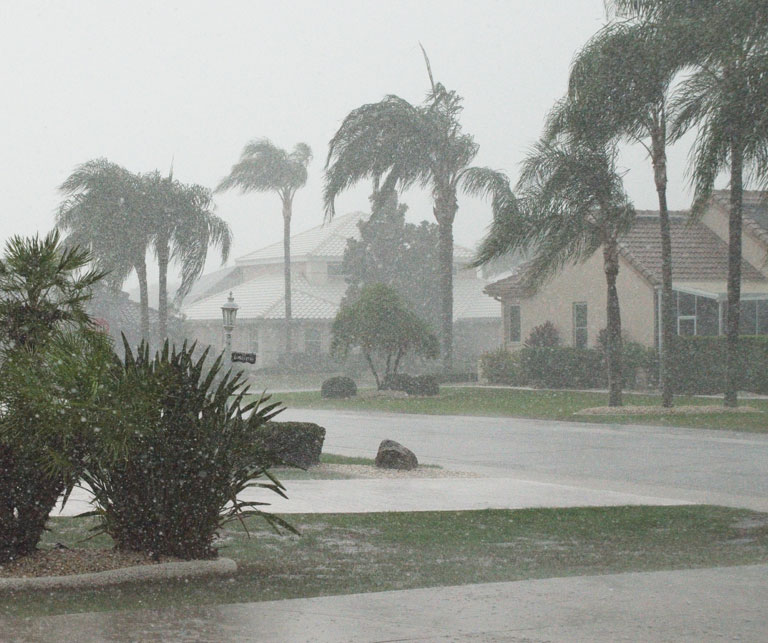
A hurricane deductible is the amount a homeowner must pay out of pocket when a named hurricane causes property damage.
Hurricane deductible insurance applies only in 19 hurricane-prone states, plus the District of Columbia, including:
| Alabama | Hawaii | Mississippi | Rhode Island |
| Connecticut | Louisiana | New Jersey | South Carolina |
| Delaware | Maine | New York | Texas |
| Florida | Maryland | North Carolina | Virginia |
| Georgia | Massachusetts | Pennsylvania |
The key trigger for this deductible is an official hurricane declaration from the National Hurricane Center (NHC) or National Weather Service (NWS), not just any strong windstorm. Once that declaration is made, this percentage-based deductible replaces your standard one and becomes the amount your insurer subtracts from your hurricane-related claim.
How are Hurricane Deductibles calculated?
Hurricane deductibles are usually calculated as a percentage of your home’s insured value. Most policies set this percentage between 1% and 5%. The higher your home’s coverage amount, the higher your deductible will be when a hurricane causes damage.
For example, if your home is insured for $300,000 and your policy has a 2% hurricane deductible, you would pay $6,000 out of pocket before your insurer covers the rest of the approved damage. This percentage-based structure is why hurricane costs often catch homeowners off guard, especially after severe storms.
Why Do Insurers Use Hurricane Deductibles?
Insurance companies introduced hurricane deductibles after massive storms like Katrina and Harvey caused billions in losses across the Gulf Coast. Those events made it difficult for insurers to stay financially stable while continuing to offer coverage in high-risk coastal areas. By using percentage-based deductibles for hurricane damage, insurers reduce their exposure and keep policies available in states like Louisiana and Texas, where storms are a yearly threat.
The trade-off is that homeowners take on a larger share of the upfront cost when a hurricane causes damage. This shift often feels unexpected, especially for families who assumed their standard deductible would apply.
Understanding why these deductibles exist and how they work helps you plan for hurricane season, review your policy carefully, and set aside emergency funds before a storm hits. It also reduces the stress of navigating a claim when your home is already damaged and time matters most.
Hurricane vs. Windstorm vs. Named Storm Deductibles
Many homeowners feel overwhelmed by the different deductibles listed in their policies, and it’s easy to see why. The terms sound similar, but each one applies in very different situations. That confusion often leads to claim disputes, especially when insurers classify a storm differently than homeowners expect.
Here’s a quick breakdown to show how each deductible works and when it applies:
| Deductible Type | When It Applies | Typical Range | Triggering Authority | How Often It Applies |
| Hurricane Deductible | Only when the NHC or NWS declares an official hurricane. | Usually 1–5% of the home’s insured value | NHC/NWS official hurricane declaration | Once per season in some states (e.g., Louisiana) |
| Named Storm Deductible | Applies to any named storm, tropical storms and hurricanes. | Often 1–5%, sometimes slightly lower | Any named storm declaration by NHC/NWS | Depends on individual policy language |
| Wind/Hail Deductible | Applies to all wind or hail events, even if the storm was not named or classified. | Flat amount or smaller percentage | No declaration needed; based on the cause of loss | Usually applies per event |
Understanding these differences helps you anticipate your out-of-pocket costs and catch any misclassification issues early. When you know which deductible should apply, you can push back confidently if the insurer uses the wrong one or reduces your payout unfairly.
How Hurricane Deductible Insurance Works in Louisiana and Texas
Hurricane rules don’t look the same in every Gulf Coast state, and homeowners in Louisiana and Texas often face very different deductible requirements. Understanding each state’s approach helps you avoid surprises when filing a Hurricane deductible insurance claim.
Louisiana
Louisiana has clearer protections for homeowners, including the “one deductible per year” rule under La. R.S. 22:1337. If your insurer improperly applies multiple deductibles or underpays your claim, a Louisiana hurricane claim lawyer can help enforce your rights under state law.
Here’s how it typically works:
- Most policies carry a 2–5% hurricane deductible.
- The percentage is applied to your home’s insured value.
- For example, if your home is insured for $350,000 with a 3% deductible, you would pay $10,500 out of pocket for the entire hurricane season.
This structure offers some financial predictability during active storm years.
Texas
If your insurer incorrectly applies your deductible or disputes your claim after a storm, a Texas hurricane claim attorney can review your policy and help determine whether the insurer handled your claim properly.
Here’s what Texas homeowners should know:
- Deductibles are usually 1–2% of the home’s insured value.
- Texas does not have a one-per-year rule. Your deductible may apply each time a hurricane or named storm causes damage.
- Policies vary widely, so reviewing your exact deductible language is essential.
Since Texas does not have a statewide standard, deductible rules – how it is triggered and whether it resets per event – depend entirely on policy language.
How to Prepare for Hurricane Season and Manage Your Deductible

A little preparation goes a long way when you’re dealing with a homeowners insurance hurricane deductible. Start by reviewing your policy before hurricane season begins so you know exactly what percentage applies and what triggers the deductible. Every policy is different, and small wording changes can make a big financial difference during a claim.
It also helps to:
- Confirm your deductible percentage and whether it applies per event or per season.
- Set aside emergency savings to cover your potential out-of-pocket costs.
- Keep updated photos and videos of your property.
- Document all damage immediately after a storm hits.
Remember, flood damage is separate and requires its own flood insurance policy. Mislabeling storm events is a common reason insurers deny or underpay claims, especially when wind and water damage overlap. An attorney can review your policy, check the insurer’s classification, and make sure your deductible is applied correctly.
When to Seek Legal Help for a Hurricane Insurance Claim
You should consider speaking with a hurricane insurance claim lawyer anytime the insurer’s decision doesn’t match the damage you’ve experienced or what your policy promises. Common situations where seeking legal help can make a real difference include:
- Your hurricane deductible seems misapplied, especially when the insurer uses the wrong deductible type.
- Your claim is underpaid, and the payout doesn’t cover the documented repairs.
- Your hurricane claim is denied, even though you have clear evidence of storm damage
- The insurer classifies damage incorrectly, such as blaming floodwater instead of wind or a named storm.
- You receive conflicting explanations or can’t get straight answers from your adjuster.
Pandit Law can help you review your policy, evaluate the insurer’s reasoning, and help protect your rights when the claims process becomes frustrating or unfair.
Conclusion
Hurricane deductibles shape how property damage claims are handled after a storm in Louisiana and Texas, from the percentage a homeowner must pay to the rules that determine when the deductible applies. The distinctions between hurricane, named-storm, and wind/hail deductibles also influence how insurers classify damage and calculate payouts.
Understanding these factors, along with each state’s approach to deductible rules, helps clarify what to expect during hurricane season and how claims are evaluated. When disputes arise over deductible triggers, event classification, or payment amounts, legal guidance can play an important role in resolving the issue.
Contact Pandit Law today for a free claim evaluation and learn how we can help protect your interests after a hurricane.
Frequently Asked Questions
A 2% hurricane deductible means you pay 2% of your home’s insured value before your insurer covers hurricane-related damage. For example, if your home is insured for $300,000, your deductible would be $6,000.
A hurricane deductible activates only when the National Hurricane Center (NHC) or National Weather Service (NWS) declares an official hurricane. Regular windstorms or unnamed tropical systems do not trigger this deductible.
In many Gulf Coast states, hurricane deductibles typically fall between 1% and 5% of your home’s coverage amount. Higher-value homes may face larger out-of-pocket costs because the deductible is percentage-based, not a flat dollar amount.
You may deduct hurricane damage on your federal taxes only if the loss is tied to a federally declared disaster. The IRS requires documentation, and you must reduce the loss by $500 and by any insurance payments received.