
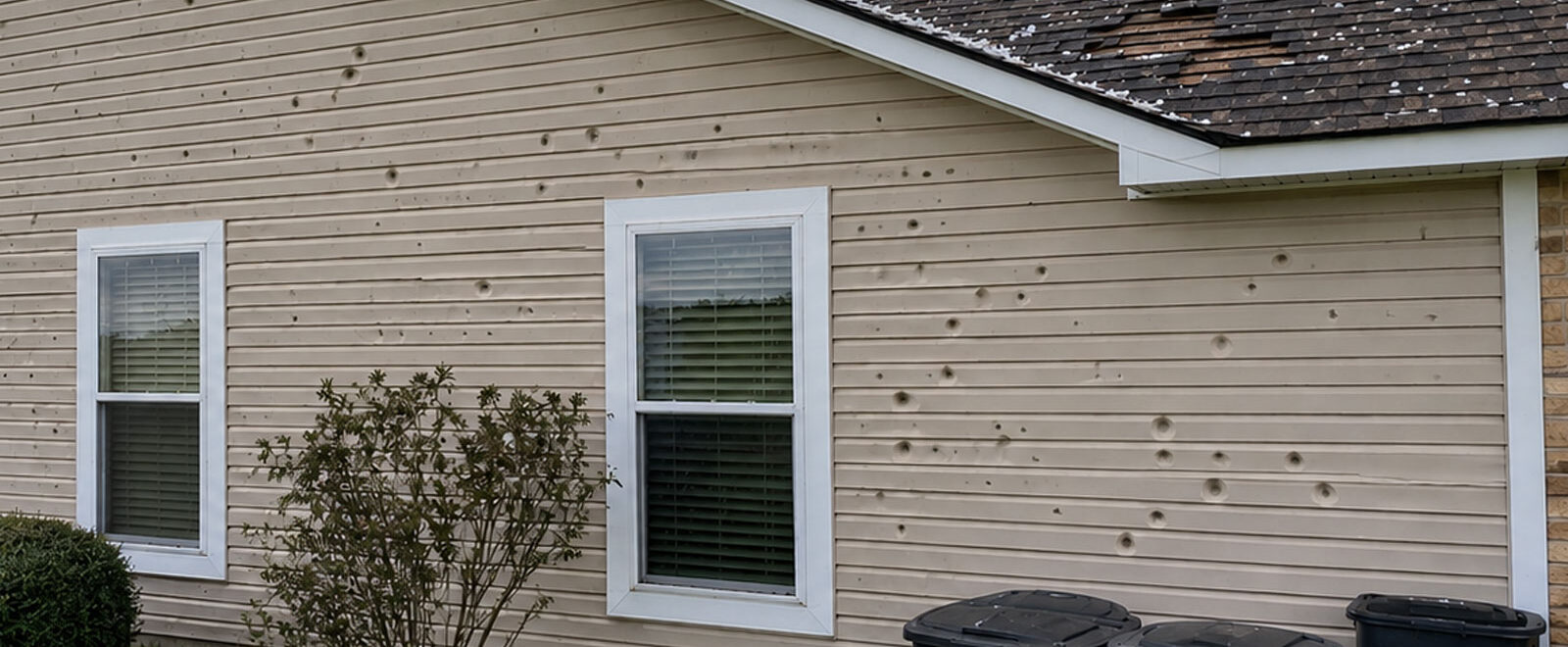
Hail can leave more than obvious dents on your home’s exterior. In many cases, siding damage appears subtle at first. What looks like small cracks, loose panels, or chipped paint can lead to hidden moisture intrusion developing over time. Unfortunately, homeowners often discover that an insurance claim for hail damage to siding becomes far more complicated than expected. Unlike roof damage, siding claims frequently involve siding issues such as cosmetic damage disputes, appearance consistency issues, discontinued materials, and whether the insurer should approve partial or full siding replacement.
That frustration can grow quickly when adjusters and contractors disagree about the extent of the damage. Understanding your rights and knowing what evidence matters can make a significant difference during the claims process. This guide focuses specifically on insurance claims for hail damage to siding, including common coverage issues, claim challenges, and when homeowners may want to seek legal guidance.
Does Homeowners Insurance Cover Hail Damage to Siding?
In many cases, homeowners insurance covers hail damage to siding when the storm causes direct physical damage to the exterior of the home. However, coverage often depends on the policy language, the condition of the siding before the hail storm, and whether the insurer considers the damage cosmetic or functional.
When Does Insurance Cover Hail Damage to Siding?
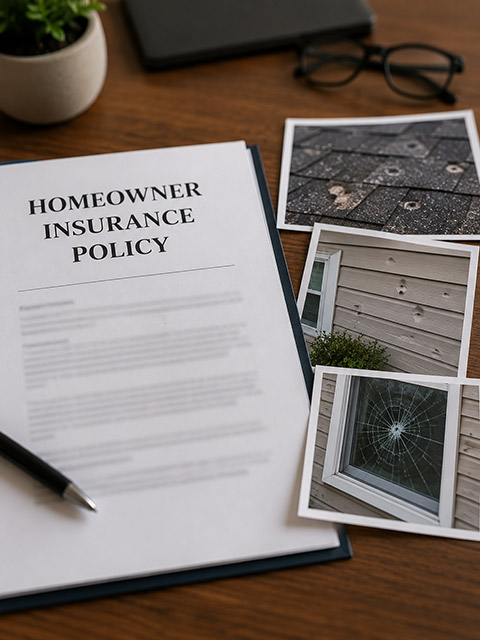
Policies may cover siding damage caused by hail impacts when the siding is damaged in a way that affects its function or allows water intrusion. Common covered damage may include:
- Cracks, punctures, and broken siding panels
- Chipped paint or visible impact marks
- Loose or detached siding sections
- Moisture intrusion behind the siding
- Damage to vinyl, aluminum, wood, or fiber cement siding
Some policies pay replacement cost coverage, while others apply actual cash value depreciation. In some cases, insurers only approve partial replacement of one wall or elevation instead of the entire exterior.
When Does Insurance NOT Cover Siding Damage?
Insurance companies may deny a siding damage insurance claim when the damage relates to maintenance or aging issues rather than the hailstorm itself. Common exclusions may include:
- Wear, fading, or brittle siding
- Rot, corrosion, or poor upkeep
- Improper installation or pre-existing damage
- Cosmetic-only dents without functional damage
Many homeowners feel frustrated when insurers approve limited repairs instead of full siding replacement. Most policies cover direct physical loss, not cosmetic upgrades or perfect color matching.
How to Spot Hail Damage on Siding
After a major hail storm, siding damage does not always appear obvious from the ground. Some problems show up immediately, while others develop gradually as moisture reaches the layers behind the exterior.
Knowing what hail damage looks like on different materials can help homeowners identify siding issues before they become more serious.
What Hail Damage Looks Like on Different Siding Materials
Different siding materials respond to hail impacts in different ways. The type of damage often affects how insurance companies evaluate a siding damage insurance claim.
Vinyl siding may show:
- Cracks and chipped sections
- Circular punctures from larger hail
- Stress lines spreading outward from the impact point
- Broken or lifted panel edges
Aluminum siding commonly develops:
- Dents and dings across exposed elevations
- Paint chipping around impact areas
- Visible impact marks that appear more clearly in direct sunlight
Fiber cement siding may develop:
- Surface fractures and chipped corners
- Small crater-like impact marks
- Hairline cracking around the damaged area
Wood siding often shows:
- Splits and impact bruising
- Cracked or peeling paint after hail strikes
- Surface damage that exposes untreated wood underneath
Because siding materials react differently to hail impacts, the damage may not always look the same from one home to another. Understanding these patterns can help homeowners identify potential performance-related damage earlier and support a stronger damage insurance claim.
Where to Check for Hail Damage on Siding
Some parts of the home experience stronger hail impacts than others. Homeowners should inspect areas that typically receive wind-driven hail exposure, including:
- Soft metal areas near the siding, where dents may confirm hail direction
- South and west-facing walls that commonly receive direct storm impact
- Areas below the roof drip lines where water runoff increases wear
- Window trim, corners, and garage walls
- Higher elevations that face stronger wind exposure
- Areas behind downspouts and AC units where damage may go unnoticed
A careful inspection of the most exposed areas can help homeowners spot siding damage that might otherwise go unnoticed.
Signs the Hail Damage May Be Serious
Certain warning signs may indicate functional damage rather than cosmetic surface marks. Homeowners should pay close attention to:
- Moisture trapped behind the siding
- Loose, warped, or separating panels
- Cracks exposing the underlayment or structural materials
- Multiple impact marks concentrated in one section
- Hidden water intrusion around seams and corners
When siding damage affects moisture protection or structural stability, the claim may involve more than simple cosmetic repairs.
Hidden Hail Damage to Siding Most Homeowners Miss
Not all damage becomes visible immediately after the storm. In many cases, the siding is damaged beneath the surface long before larger problems appear. Commonly overlooked issues include:
- Hairline fractures that expand over time
- Fading impact marks difficult to see in normal lighting
- Micro-cracks that weaken panels months later
- Water infiltration behind siding materials
- Damage visible only in angled sunlight
- Structural weakening without obvious holes or breaks
Even when the exterior looks minor, hidden siding damage can continue worsening long after the hail storm passes. Careful documentation and a thorough inspection often play an important role when homeowners need to challenge claim disputes with insurance companies.
What to Do Immediately After Hail Damages Your Siding
The steps homeowners take immediately after a hail storm can affect both the condition of the property and the strength of a future siding damage insurance claim. Acting quickly also helps preserve important evidence before additional weather exposure causes further siding issues.
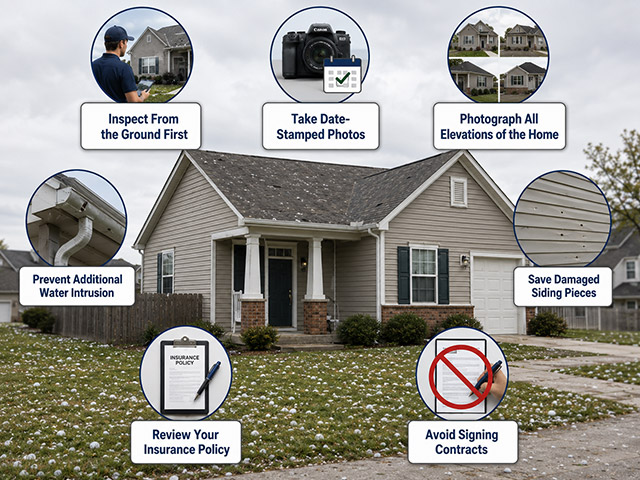
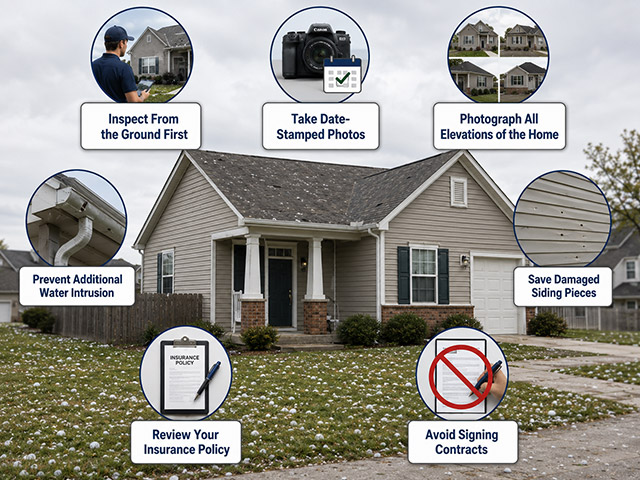
After discovering siding damage, homeowners should:
- Stay Safe and Inspect From the Ground First: Avoid climbing ladders or walking near unstable areas immediately after the storm passes. A ground-level inspection can help homeowners identify visible siding issues without risking injury.
- Take Date-Stamped Photos: Capture clear photos of dents, cracks, broken panels, and other visible damage as soon as possible. Early documentation can help support the siding damage insurance claim if conditions worsen later.
- Photograph All Elevations of the Home: Capture wide-angle and close-up photos of all elevations, even if the damage appears limited to one area. Insurance companies may compare damaged and undamaged sides of the property during the inspection process.
- Prevent Additional Water Intrusion If Possible: Secure loose panels or exposed areas when it is safe to do so. Taking reasonable steps to limit further damage may help prevent additional siding issues during the claims process.
- Save Damaged Siding Pieces If Detached: Store any loose or damaged siding materials in a safe place for future inspection or documentation. They may help support the damage insurance claim later.
- Review Your Insurance Policy: Check your policy for cosmetic damage exclusions, deductible details, and any limitations affecting siding replacement. Understanding the coverage early can help homeowners prepare for possible disputes with insurance companies.
- Avoid Signing Contracts With Storm-Chasing Contractors Immediately: Some contractors pressure homeowners into quick agreements before the full extent of the damage becomes clear. Take time to review repair proposals carefully instead of rushing into contracts immediately after the storm.
Careful documentation and early inspections can help homeowners avoid disputes with insurance companies later in the claim process.
How to File an Insurance Claim for Hail-Damaged Siding
Filing a hail damage to siding insurance claim often involves more than reporting visible dents or cracks. Adjusters often closely examine whether the damage affects the siding’s function, whether matching materials remain available, and whether repair or replacement costs fall within the policy terms. Taking organized steps early can help homeowners avoid delays and strengthen the claim process.
Step 1: Document the Damage
Start by collecting clear evidence of all visible siding damage before repairs begin. Homeowners should take:
- Close-up photos of cracks, punctures, chipped paint, and broken panels
- Wide-angle photos showing the full elevation of the home
- Photos from different lighting angles if damage appears difficult to see
Detailed documentation can help establish how the hail storm damaged the property and support the hail damage siding insurance claim later.
Step 2: Record Storm Details
Write down the date of the hail storm, the approximate hail size, and the weather conditions in the area. If possible, keep copies of local weather reports or storm alerts. This documentation may help establish that the siding damage resulted directly from the hail storm rather than pre-existing wear.
Step 3: Review the Insurance Policy
Before moving forward, homeowners should review the policy carefully to understand what the coverage includes. Pay close attention to:
- Cosmetic damage exclusions
- Siding coverage limitations
- Replacement cost versus actual cash value provisions
- Separate wind or hail deductibles
Insurance companies may interpret policy language differently depending on the condition and age of the siding before the storm.
Step 4: Get a Professional Inspection
A qualified siding contractor can help identify damage that may not appear obvious during a basic visual inspection. Contractors often look for hidden damage affecting the siding’s performance, moisture intrusion, and signs that the siding is damaged beneath the surface.
An inspection may also help homeowners understand possible repair or replacement costs before meeting with the insurance adjuster.
Step 5: Compare Costs and Deductible
After receiving inspection findings, compare the estimated repair costs to the deductible listed in the policy. In some situations, isolated siding damage may not justify filing a claim. In larger losses involving multiple elevations or water intrusion concerns, the damage insurance claim may become more significant.
Homeowners should also consider whether partial repairs could create future matching or structural concerns.
Step 6: File the Insurance Claim
Once the damage has been documented, notify the insurance carrier as soon as possible. When filing the hail damage siding insurance claim:
- Provide photos and inspection findings.
- Share the storm date and supporting documentation.
- Schedule the adjuster inspection promptly.
Most homeowners insurance policies require prompt notice after a hail storm, and delays in reporting may create additional coverage disputes.
Step 7: Show All Damage During Inspection
During the adjuster inspection, walk through every damaged area carefully instead of assuming the adjuster will identify all siding issues independently.
Homeowners should:
- Point out cracks, dents, and loose panels.
- Show supporting photographs.
- Discuss areas where hidden water intrusion may exist.
- Identify elevations with visible siding inconsistencies.
Thorough walkthroughs can help reduce disagreements later in the claim process.
Step 8: Review the Settlement Carefully
After the inspection, review the settlement documents closely. Depending on inspection findings, insurers may approve:
- Spot repairs
- Partial siding replacement
- Full replacement in more extensive cases
The settlement should clearly explain what damage the insurer accepted, what repairs they approved, and whether depreciation applies.
Step 9: Address Matching or Denial Issues
Many homeowners encounter disputes when replacement siding no longer matches the existing exterior. In other cases, insurance companies may classify dents as cosmetic-only damage instead of functional damage.
If problems arise:
- Request written explanations for denied damage.
- Ask whether matching materials remain available.
- Compare the insurer’s findings with contractor reports.
Clear written records often become important during siding replacement disputes.
Step 10: Keep Records and Seek Help if Needed
Keep copies of all inspection reports, photos, repair estimates, emails, and settlement letters throughout the claim process. Organized documentation can help homeowners respond more effectively if disputes develop later.
A well-documented hail damage siding insurance claim often gives homeowners a stronger position when disputes arise over coverage, matching, or the extent of the damage. Staying organized throughout the process can help reduce unnecessary delays and misunderstandings with insurance companies.
When homeowners struggle to fight insurance companies over denied or underpaid siding claims, speaking with a property damage attorney can help clarify available legal options.
Why Siding Claims Are Often Denied or Underpaid
Many homeowners feel surprised when insurance companies push back on a siding damage insurance claim after a hail storm. Unlike roof claims, siding disputes often involve disagreements about whether the damage affects the siding’s function or only changes its appearance.
Common reasons insurance companies may deny or underpay claims include:
- Cosmetic-Only Damage Classifications: Insurance companies may argue that dents, dings, or minor marks affect appearance only and do not qualify as covered functional damage under the policy. Detailed inspections and photographs can help homeowners show that the damage affects more than appearance alone.
- Disagreements About Whether the Damage Affects Performance: Insurance companies may disagree that the siding damage affects the home’s weather protection or structural integrity. Contractor inspections, moisture findings, and evidence of cracked or loose panels can help demonstrate that the siding no longer performs as intended.
- “No Visible Damage” Findings: Some hail impacts may be difficult to detect during standard inspections, especially under normal lighting conditions. Contractor inspections and angled-light photographs may reveal hidden siding issues more clearly.
- Wear and Tear Arguments: Insurance companies may claim the siding was already old, brittle, faded, or deteriorated before the hail storm occurred. Maintenance records and pre-storm photos may help homeowners respond to these arguments.
- Disagreements Over Repair or Replacement Costs: Disputes often arise when homeowners believe the siding requires broader replacement, while insurers approve only limited repairs or one damaged elevation. Contractor estimates and appearance consistency concerns may help support requests for broader siding replacement.
Even when the siding damage appears obvious, proving the extent and cause of the damage often becomes one of the most challenging parts of the claims process.
Problems Homeowners Face in Hail Damage Siding Insurance Claims
Many hail damage siding insurance claims become complicated long after the initial inspection ends. Matching problems, discontinued materials, and disagreements about repairability often create disputes between homeowners, contractors, and insurance companies.
What Happens If Your Siding Is Discontinued?
Discontinued siding can create significant challenges after a hail storm, particularly for older homes. In some cases, the manufacturer no longer produces the same color, profile, texture, or panel design that was originally installed on the property.
When replacement materials are unavailable, insurers may propose replacing only the damaged siding panels rather than all siding elevations. This can result in noticeable differences in color, texture, or appearance between repaired and unrepaired portions of the home.
Will Insurance Replace All the Siding to Match?
Many homeowners insurance policies provide coverage for materials of “like kind and quality” rather than an exact cosmetic match. Whether an insurer will pay to replace undamaged siding to achieve a consistent appearance often depends on:
- The specific policy language
- State laws or regulations addressing matching
- Available endorsements or coverage enhancements
- Whether comparable replacement materials remain commercially available
- The extent to which replacement materials differ from the existing siding
Matching disputes are particularly common when siding has been discontinued, faded due to age and weather exposure, or is no longer available in the same color or style.
Can an Insurance Company Reuse Old Siding for Spot Repairs Due to Color Matching Issues?
In some cases, insurers may propose removing siding from a less visible area of the home and reusing it to repair damaged sections. This practice is sometimes referred to as “siding harvesting.”
However, older siding may have experienced fading, weathering, brittleness, or other age-related deterioration. As a result, homeowners and contractors may dispute whether salvaged siding can be removed and reinstalled without affecting its appearance, performance, or long-term durability.
When Does Partial Siding Replacement Make Sense?
Partial siding replacement may work when the damage remains isolated to one section of the property and matching materials remain available from the manufacturer. In these situations, replacing only one elevation may restore the exterior without creating obvious inconsistencies.
When May Full Siding Replacement Be Necessary?
Full siding replacement may become necessary when:
- Hail damage affects multiple elevations
- Matching siding is discontinued
- The siding has become brittle or difficult to repair
- Water intrusion exists behind panels
- Severe mismatch affects the home’s overall appearance
In larger losses, partial repairs may not fully resolve the siding issues caused by the storm.
Why Do Contractors and Insurance Adjusters Often Disagree on Hail Damage to Siding?
Contractors and adjusters often evaluate siding damage differently. Contractors may focus on long-term repairability and hidden functional damage, while adjusters may focus more narrowly on visible impact marks or policy limitations.
Disagreements commonly involve:
- Cosmetic versus performance-related damage
- Hidden moisture intrusion
- Repairability of damaged panels
- Matching concerns
- Partial versus full siding replacement
These disputes can significantly affect the outcome of a damage insurance claim, especially when insurance companies limit coverage to isolated repairs instead of broader replacement work.
What Can Homeowners Do If They Disagree With the Siding Settlement?
Disagreements over siding settlements often involve matching problems, limited repair approvals, or disputes about whether the siding damage affects the home’s function. When homeowners believe the settlement does not fully address the damage, several options may help support further review.
Homeowners may consider:
- Requesting Comparable Materials: If the original siding is discontinued, homeowners can ask whether comparable materials are available that better match the home’s appearance and function.
- Using Siding From Less Visible Elevations: In some situations, contractors may recommend moving siding from less visible areas to reduce noticeable mismatching.
- Exploring Partial Replacement Strategies: Partial replacement may work when the siding damage remains isolated and matching materials are still available.
- Negotiating With Contractor Reports: Detailed contractor inspections, repair estimates, and photographs may help homeowners challenge underpaid decisions from insurance companies.
- Reviewing Appraisal or Dispute Options: Some policies include appraisal or other dispute resolution procedures that homeowners can use when disagreements continue over siding replacement decisions.
Keeping detailed records, contractor reports, and written communication throughout the process can help homeowners respond more effectively when siding settlement disputes continue. When disagreements remain unresolved, legal guidance can help homeowners better understand their options for challenging the claim decision.
Mistakes Homeowners Make During Hail Damage Siding Insurance Claims
Even valid siding damage insurance claims can become more difficult when homeowners make avoidable mistakes during the process. Small decisions early in the claim may affect how insurance companies evaluate the damage later.
Common mistakes homeowners make include:
- Filing Without Documenting Damage: Missing photographs or inspection records can weaken the damage insurance claim.
- Repairing Siding Before Inspection: Early repairs can make it harder to prove the original condition of the siding.
- Ignoring Hidden Moisture Damage: Water intrusion behind panels may continue worsening even when exterior damage appears minor.
- Assuming All Hail Damage Is Covered: Overlooking cosmetic damage exclusions or siding limitations may lead homeowners to expect broader coverage than the policy actually provides.
- Accepting Low Estimates Too Quickly: Initial repair estimates may not fully address hidden damage or matching concerns.
- Not Reviewing Cosmetic Exclusions: Coverage limitations affecting dents or surface marks may affect the settlement outcome.
- Hiring Unlicensed Contractors: Poor repair work or incomplete inspections may create additional siding issues later.
- Missing Recoverable Depreciation Paperwork: Failing to submit required repair documents or invoices may delay or reduce withheld payments under the policy.
- Failing to Dispute Inaccurate Adjuster Findings: Homeowners may overlook important errors involving functional damage, repairability, or replacement scope.
Taking a careful and organized approach throughout the claim process can help homeowners avoid unnecessary problems with insurance companies.
State-Specific Hail Damage Siding Insurance Considerations
Hail damage siding insurance claims often vary depending on state-specific insurance rules, policy requirements, and regional weather risks. Homeowners in Louisiana and Texas frequently face additional challenges involving deductibles, coverage limitations, and siding replacement disputes after severe storms.
Louisiana Hail Damage Siding Claim Considerations
Louisiana homeowners, particularly in Baton Rouge, Shreveport, Alexandria, and parts of northern Louisiana, often experience severe hail and wind-driven storm damage during strong weather systems. Many Louisiana homeowners insurance policies include separate wind and hail deductibles ranging from 2%–5% of the home’s insured value, although some coastal policies may impose even higher percentage deductibles.
Homeowners should review:
- Named storm and wind/hail deductible endorsements
- Cosmetic damage exclusions affecting siding replacement
- Actual cash value provisions for older exterior materials
- Coastal coverage restrictions and endorsement limitations
Recent 2026 Louisiana policy changes have increased the use of roof and exterior material schedules that may affect depreciation calculations and replacement eligibility for damaged siding materials. Matching disputes also remain common when insurance companies approve replacement for only one elevation instead of the entire exterior.
Because Louisiana policies often contain strict notice requirements, homeowners should report hail damage promptly and maintain detailed documentation throughout the process. When disputes continue over matching, depreciation, or replacement scope, speaking with a Louisiana hail damage insurance claim lawyer can help homeowners better understand their available options.
Texas Hail Damage Siding Claim Considerations
Texas frequently experiences severe hail storms, especially in North Texas, the Dallas-Fort Worth area, Central Texas, Amarillo, and West Texas. Many Texas policies contain cosmetic damage exclusions or restrictions limiting payment for dents and surface-level siding damage.
Texas homeowners should review whether the policy limits:
- Cosmetic-only siding damage
- Partial siding replacement
- Matching coverage for discontinued materials
- Wind and hail deductibles, which commonly range from 1%–5% of dwelling coverage
Texas law requires insurers to handle property insurance claims within specific timeframes under the Texas Prompt Payment of Claims Act. After receiving notice of a claim, an insurer generally must:
- Acknowledge receipt of the claim, begin an investigation, and request any information reasonably necessary to evaluate the claim within 15 days.
- Accept or reject the claim within 15 business days after receiving all requested information and documentation. In certain circumstances, including when additional time is reasonably necessary, the insurer may extend this deadline as permitted by law.
- Pay the approved claim within 5 business days after notifying the policyholder that coverage has been accepted.
In many Texas siding claims, proving functional damage matters more than cosmetic complaints alone. Contractor inspections, moisture findings, and evidence showing the siding no longer performs properly can help support the claim. When disputes arise over underpaid settlements or denied siding damage, a Texas hail damage insurance claim attorney can help homeowners evaluate possible next steps.
When to Consider Hail Damage Lawyer Help for a Siding Claim
homeowners should consider speaking with a property damage attorney to better understand their legal and policy-related options.
Legal guidance can become helpful when:
- The claim involves large or heavily disputed siding damage.
- Matching problems affect multiple elevations of the home.
- Insurance companies deny coverage based on cosmetic damage exclusions.
- Settlement offers do not appear to address the full scope of the siding issues.
- Contractor inspections identify hidden water intrusion behind the siding.
- Hail impacts affect several sides of the property.
- Replacement siding materials have been discontinued or no longer match the existing exterior.
Disputes involving functional damage, partial siding replacement, or inconsistent adjuster findings can become difficult for homeowners to navigate alone. In some cases, contractor reports, policy language, and inspection records may require closer review to determine whether the settlement fairly addresses the damage.
Early legal guidance can help homeowners respond more effectively when siding claim disputes continue after the initial inspection or settlement decision.
Conclusion
Hail damage to siding often creates more complicated insurance disputes than many homeowners expect. Matching problems, cosmetic damage exclusions, hidden moisture intrusion, and disagreements over repair scope can all affect how insurance companies evaluate the claim and whether they approve full siding replacement.
Understanding how these disputes work can help homeowners better protect their property and respond more effectively during the claims process. Careful documentation, contractor inspections, and a clear review of the policy can make a significant difference when coverage questions arise.
Professional guidance can help homeowners better understand their options and navigate complex siding claim disputes more confidently. When insurance companies continue disputing siding damage, underpaying repairs, or limiting replacement approvals, homeowners may benefit from speaking with an experienced property damage attorney.