
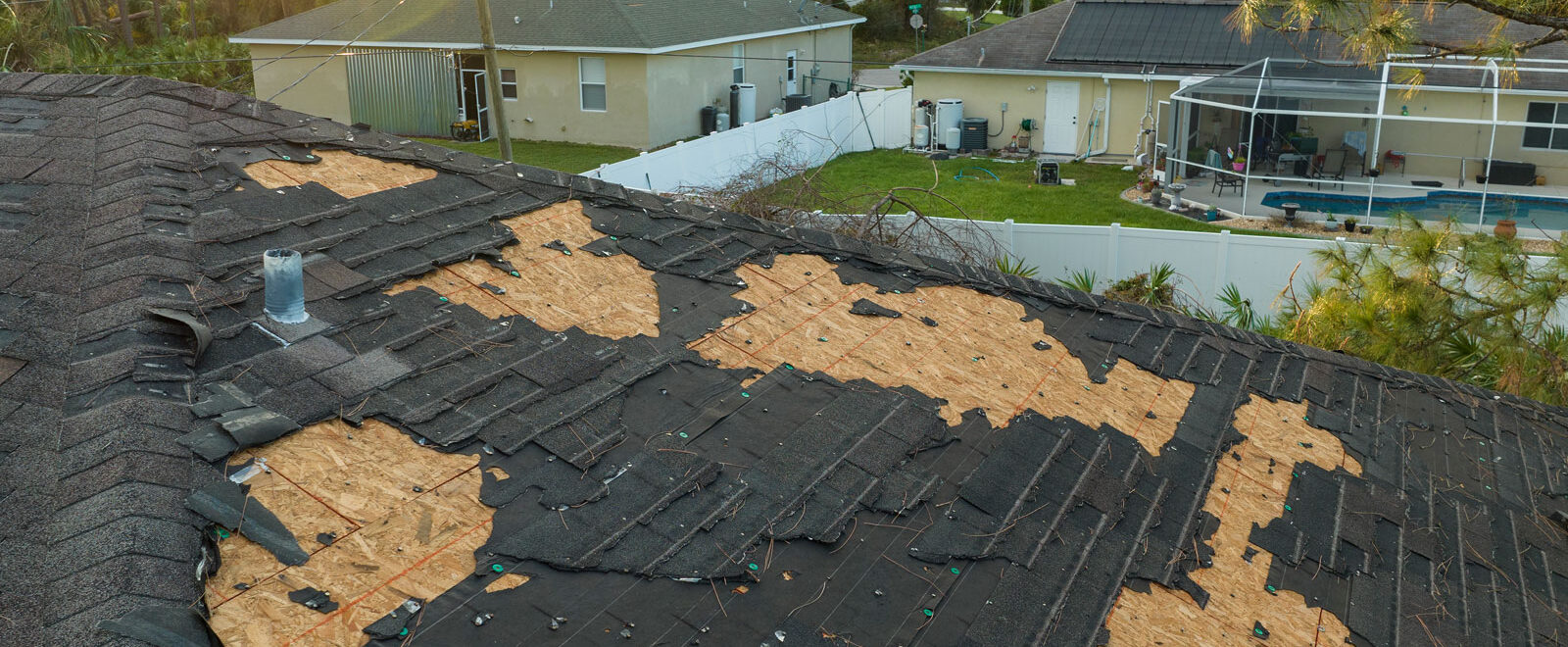
A severe hailstorm can leave homeowners staring at cracked shingles, leaking ceilings, and an insurance process that quickly becomes overwhelming. In Texas and Louisiana, hailstorms remain one of the most common causes of roof-related property damage claims because even a short storm can cause significant damage to roofing systems. Unfortunately, many property owners face delays, coverage disputes, or disagreements over the true condition of their roof after filing a hail damage roof insurance claim.
This guide focuses specifically on claims for hail damage to the roof and what homeowners should know after a storm. Acting quickly matters. Taking photos, documenting damage, and keeping inspection records can help support your claim and reduce disputes later. When insurance companies question the extent of the damage or the value of repairs, experienced legal guidance can help homeowners better understand their rights and policy coverage.
What Does Hail Damage to a Roof Look Like
Hail damage is not always obvious after a storm passes. Some roofs show immediate signs of impact, while others develop leaks and structural problems weeks later. Understanding how hail affects different roofing systems can help homeowners identify problems early and avoid future disputes during a roof insurance claim.
Common Signs of Hail Damage on Roofs
Hail can damage shingles, flashing, vents, gutters, and other roofing components in a matter of minutes. The severity often depends on hail size, wind speed, roof age, and the type of roofing materials used on the property.
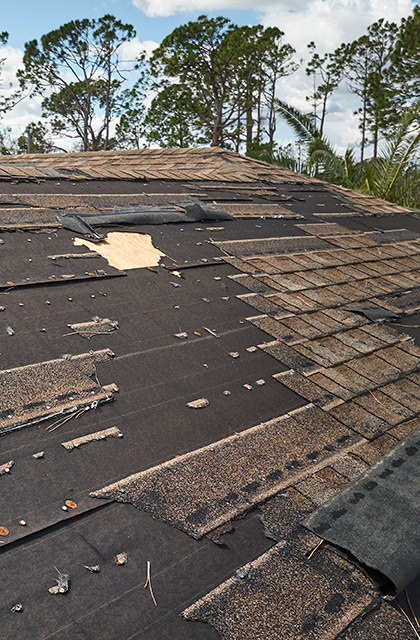
After a storm, homeowners may notice several visible warning signs, including:
- Dark spots or bruising on asphalt shingles caused by granule loss
- Cracked, split, or lifted shingles from hail impact
- Dents on metal flashing, vents, gutters, or downspouts
- Loose roofing materials around the roof edges
- Water stains or active leaks inside the home
- Debris from damaged shingles collecting near downspouts
Even seemingly minor hail impacts can weaken roofing systems over time. In many cases, damage may allow water intrusion long before major leaks become visible inside the property.
Signs of Hidden Roof Damage After a Hailstorm
Not all hail damage can be seen safely from the ground. Some problems remain hidden beneath shingles or around roof penetrations until the roof begins deteriorating further.
Homeowners should pay attention to subtle warning signs after a hailstorm, such as:
- Moisture spots appearing in attic spaces
- Soft or weakened sections around the roof decking
- Damaged seal strips that increase wind vulnerability
- Granule buildup inside gutters after heavy storms
- Small cracks around vents, skylights, or flashing
- Interior ceiling discoloration that develops days later
Because hidden hail damage may worsen over time, delayed inspections often create disagreements about whether the damage came from the recent storm or normal aging.
How Different Roofing Materials React to Hail
Different roofing systems respond to hail in different ways. In Louisiana and Texas, asphalt shingles remain one of the most common roofing materials because they are cost-effective and widely available. However, asphalt roofs can become more vulnerable to hail damage as they age and lose protective granules.
Metal roofing systems often resist punctures better than asphalt shingles, but they may still suffer dents and cosmetic damage after severe storms. Clay and concrete tiles, which appear on some Gulf Coast homes, can crack from larger hail impacts. Wood shingles may split under repeated hail exposure, especially in older roofing systems.
These material differences can affect how insurers evaluate roof damage after a storm. Understanding how specific roofing materials react to hail can become important when evaluating repair recommendations and coverage decisions.
Does Insurance Cover Hail Damage to Roofs?
Many homeowners insurance policies provide some level of coverage for hail-related roof damage. However, coverage often depends on the age and condition of the roof, policy language, deductibles, and the type of damage involved. Recent policy changes in Louisiana have also increased homeowner concerns about roof depreciation schedules and reduced coverage on older roofs.
What Roof Damage Is Typically Covered
Most homeowners insurance policies cover sudden and accidental hail damage affecting the roof and related exterior structures. Coverage may apply when hail causes functional damage that affects the roof’s ability to protect the property from water intrusion.
Policies commonly cover:
- Damaged shingles or roofing membranes
- Roof leaks caused by storm impact
- Damage to flashing, vents, and skylights
- Interior water damage connected to roof failure
- Certain temporary mitigation measures to prevent additional damage
Coverage terms vary significantly between insurance companies and policies, especially for older roofs.
Common Roof Damage Exclusions in Hail Claims
Insurance companies may deny or limit portions of a hail claim based on policy exclusions or disputes about roof condition before the storm.
Some common exclusions include:
- Normal aging or deterioration
- Maintenance-related roof issues
- Pre-existing roof damage
- Cosmetic-only damage exclusions
- Improper roof installation
- Repeated leakage issues unrelated to the storm
In Texas, some policies specifically limit coverage for cosmetic damage to metal roofing systems. Louisiana homeowners may also encounter roof schedules that reduce replacement cost coverage as roofs age.
Understanding ACV vs RCV for Hail Roof Claims
One of the biggest issues in a hail roof claim involves whether the policy provides Actual Cash Value (ACV) or Replacement Cost Value (RCV) coverage.
ACV policies generally factor depreciation into the roof valuation based on age and condition. Older roofs may receive significantly reduced claim valuations under these policies.
RCV coverage may allow homeowners to recover additional depreciation amounts after repairs are completed and documented. This is often called recoverable depreciation. Insurers usually require proof of completed repairs before releasing those funds.
Because Louisiana insurers increasingly use roof schedules and depreciation models on aging roofs, homeowners should carefully review how their policy handles roof replacement claims.
Understanding Hail and Wind/Hail Deductibles
Many policies in Texas and Louisiana use separate wind or hail deductibles instead of standard flat deductibles. These deductibles are often percentage-based and tied to the insured value of the property.
For example, a percentage deductible may create significantly higher out-of-pocket responsibilities during a hail claim than a traditional fixed deductible.
Homeowners should also understand that:
- Wind/hail deductibles often apply separately from other property claims.
- Older roofs may face additional depreciation reductions.
- Deductible obligations can affect repair decisions after a storm.
- Policy language may differ substantially between insurers.
Understanding these policy terms early can help homeowners avoid surprises during the claim process and prepare for potential disputes over roof coverage.
What To Do Immediately After Hail Damages Your Roof
The hours and days after a hailstorm can significantly affect a roof insurance claim. Fast action helps preserve evidence, reduce additional damage, and create a stronger record of the property’s condition after the storm.
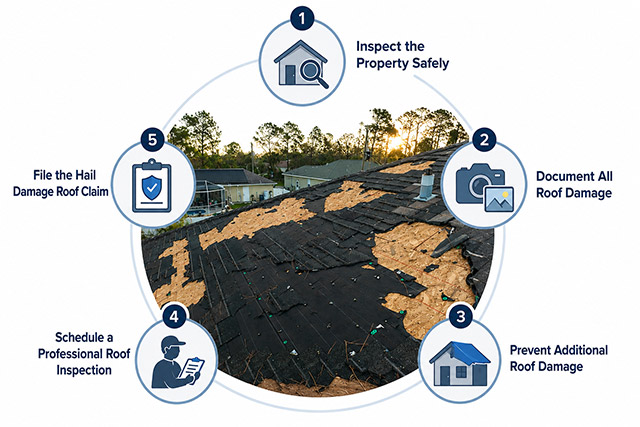
Inspect the Property Safely
Homeowners should avoid climbing onto the roof immediately after a hailstorm. Wet roofing surfaces, structural damage, and loose materials can create serious safety risks.
Instead, homeowners can safely inspect visible areas from the ground by looking for:
- Missing or visibly damaged shingles
- Dented gutters and downspouts
- Debris around the property
- Damage near the roof edges or flashing
- Signs of water intrusion inside the home
A professional inspection can provide a more detailed assessment without putting homeowners at risk.
Document All Roof Damage
Strong documentation often becomes one of the most important parts of an insurance claim for hail damage to roof systems.
Insurance companies often rely on photos, inspection records, and storm documentation when evaluating claims. Homeowners should try to document:
- Roof damage from multiple angles
- Hail accumulation and storm conditions
- Damaged gutters, vents, and exterior structures
- Interior leaks or ceiling stains
- Temporary mitigation efforts after the storm
It is also important to keep receipts for emergency repairs, tarping, inspections, and related storm expenses.
Prevent Additional Roof Damage
Most insurance policies require homeowners to take reasonable steps to prevent additional property damage after a storm. Temporary mitigation measures can help reduce worsening conditions while the claim remains under review.
These measures may include covering exposed roof areas or addressing active leaks until permanent repairs can occur. Delaying repairs after hail damage on your roof may complicate future roof claims if additional deterioration develops.
Schedule a Professional Roof Inspection
Independent roofing inspections can help homeowners better understand the full extent of hail damage. Roofing contractors often identify issues that may not appear during a limited visual inspection.
In some cases, roofing contractor findings differ from insurance inspections because contractors focus on repair needs while insurers evaluate policy coverage and damage classifications. Obtaining a detailed inspection report early can help homeowners prepare for discussions with the insurance company.
File the Hail Damage Roof Claim
Homeowners should notify their insurance company promptly after discovering storm damage. Waiting too long to report hail damage may complicate the investigation process or increase disputes over when the damage occurred.
When you file a hail damage roof claim, insurance companies typically request:
- Date of loss information
- Photos and videos of the damage
- Inspection reports
- Repair invoices or mitigation receipts
- Details about the storm event
Keeping organized records and documenting all communications can help homeowners navigate the claim process more effectively. Once the claim is reported, homeowners typically move into the formal insurance investigation and adjustment process.
Step-by-Step Hail Damage Roof Insurance Claim Process
A hail damage roof insurance claim often involves multiple inspections, repair evaluations, and policy reviews before repairs are completed. Understanding how the process typically works can help homeowners avoid confusion and respond more effectively when disputes arise.
Filing the Roof Claim
The process usually begins when the homeowner reports storm damage to the insurance company. During a hail damage roof insurance claim, insurers often ask for basic information about the storm, visible damage, and the condition of the roof before the loss.
Homeowners may need to provide:
- Date and location of the storm
- Photos or videos of roof damage
- Inspection reports
- Temporary repair documentation
- Property maintenance records
Strong documentation early in the process often helps reduce later disagreements.
Insurance Adjuster Roof Inspection
After the claim is opened, the insurance company generally schedules an adjuster inspection. During the claim process, adjusters look for evidence of functional storm damage affecting shingles, flashing, vents, and other roofing components.
Insurance companies also evaluate whether damage resulted from:
- Hail impact
- Normal aging
- Wear and tear
- Prior roof issues
- Maintenance concerns
Disputes sometimes arise when insurers attribute roof problems to deterioration instead of storm-related damage.
Roofing Contractor vs. Insurance Adjuster Findings
Roofing contractors and insurance adjusters may reach different conclusions about the extent of hail damage. Contractors often focus on long-term roof performance and replacement needs, while insurers evaluate policy coverage standards.
These differences may involve:
- Repair scope recommendations
- Functional versus cosmetic damage
- Matching issues with roofing materials
- Estimated repair costs
- Whether a full roof replacement is necessary
When significant disagreements develop during a hail roof damage claim, homeowners should seek guidance from a property damage attorney to better understand coverage disputes and policy obligations.
Reviewing the Insurance Estimate
Insurance estimates usually contain detailed line items showing labor, materials, depreciation, and covered repair categories. Homeowners should review these documents carefully before approving repairs.
During a hail roof claim, the estimate may include:
- Initial claim payment amounts
- Depreciation calculations
- Deductible application
- Repair scope limitations
- Recoverable depreciation conditions
Understanding how the insurer calculated the estimate can help homeowners identify potential issues before repairs begin.
Roof Repair vs. Full Roof Replacement
Not every hailstorm results in a full roof replacement. Insurance companies often evaluate whether the damage affects the roof’s function or only creates cosmetic issues.
Full replacement discussions may involve:
- Extent of shingle damage
- Roof age and condition
- Availability of matching materials
- Local building code requirements
- Repair feasibility
These issues frequently become major dispute points during a hail damage roof insurance claim.
Completing Repairs and Receiving Final Payment
After repairs are completed, insurers may require invoices, contractor documentation, and proof of completed work before releasing remaining funds tied to recoverable depreciation.
Keeping organized records throughout the repair process can help prevent delays and support final claim resolution.
What Should Homeowners Do if Insurance Pays for a New Roof but Contractors Say the Hail Damage Is Minor?
Receiving insurance funds for a roof replacement can create confusion when a roofing contractor believes the hail damage appears limited. Homeowners should avoid making quick decisions without carefully reviewing the roof condition, inspection findings, and policy terms.
Before deciding whether to move forward with installing a new roof, homeowners should consider several important factors, such as:
- Some hail damage may shorten the roof’s lifespan even if leaks are not immediately visible.
- Delaying repairs could create future coverage disputes if additional roof damage develops later.
- Insurance companies may question unused claim funds if repairs are never completed.
- Certain policies require completed repairs before recoverable depreciation becomes available.
- Sharing the insurance estimate with a roofing contractor may help clarify repair scope differences.
Homeowners should also understand that cosmetic damage and functional damage are not always treated the same under insurance policies. A roof that appears structurally stable today may still have compromised shingles, flashing, or seal integrity after a major hailstorm.
Taking time to understand the roof’s condition and reviewing policy obligations carefully can help homeowners make more informed decisions about repairs and future roof claims.
Louisiana and Texas Hail Roof Claim Laws Homeowners Should Know
Louisiana and Texas both experience frequent severe storms, but each state handles roof insurance claims differently. Homeowners should understand how deductibles, depreciation rules, and claim handling requirements may affect hail roof disputes after a storm.
Louisiana Hail Roof Claim Laws Homeowners Should Know
Recent Louisiana insurance policy changes have increased attention on aging roofs and actual cash value (ACV) settlements. Some insurers now apply roof schedules that reduce replacement cost coverage as roofs age, particularly for older asphalt shingle systems.
Louisiana homeowners should also understand several important claim handling requirements and common coverage issues:
- Insurers generally must acknowledge receipt of a claim within 14 days after receiving notice from the policyholder.
- Insurers are generally required to pay covered claims within 30 days after receiving satisfactory proof of loss. However, following a declared catastrophe or emergency, the Louisiana Legislature or the Louisiana Department of Insurance may temporarily extend certain statutory claim handling deadlines to address the extraordinary volume of claims.
- Even when temporary extensions apply, insurers remain obligated to investigate, communicate, and adjust claims in good faith. Failure to timely pay or adjust a claim without probable cause or another legally recognized justification may expose an insurer to statutory penalties and other legal remedies under Louisiana law.
- Matching issues may arise when discontinued roofing materials prevent damaged sections from being repaired with materials that reasonably match the existing roof.
- Insurers may dispute whether roof damage was caused by hail, hurricane-force winds, or a covered storm event rather than long-term wear, deterioration, or maintenance-related issues, particularly following major Gulf Coast storms.
- Homeowners should carefully review their policy’s roof coverage provisions, depreciation schedules, actual cash value limitations, replacement cost requirements, and endorsement language before approving repairs.
These disputes often become more complex after multiple or overlapping weather events affect the same property. A Louisiana hail damage claim lawyer can help homeowners evaluate policy language, roofing estimates, engineering reports, and disputed coverage positions to determine whether the insurer has properly valued and handled the claim.
Texas Hail Roof Claim Rules Homeowners Should Know
Texas experiences some of the highest hail claim activity in the country due to frequent severe thunderstorms and large hail events. As a result, many Texas homeowners insurance policies contain detailed wind and hail provisions that should be carefully reviewed before and after a loss.
Important Texas hail claim issues often include:
- Percentage-based wind and hail deductibles calculated as a percentage of the home’s insured value.
- Cosmetic damage exclusions, particularly for metal roofing systems, that may limit coverage even when hail damage is visible.
- Documentation requirements, including photographs, inspection reports, and timely notice of loss, which can significantly impact claim outcomes.
- Claim handling deadlines established by the Texas Prompt Payment of Claims Act.
Under Texas law, insurers generally must acknowledge receipt of a claim, begin an investigation, and request any reasonably necessary information within 15 days after receiving notice of the claim. Once all requested information has been received, insurers generally must accept or reject the claim within 15 business days, although limited extensions may apply when additional time is reasonably necessary. Following a catastrophe, the Texas Department of Insurance may authorize temporary extensions of certain statutory deadlines to address the extraordinary volume of claims. Once a claim is approved, insurers generally must issue payment within 5 business days. Even when temporary extensions apply, insurers remain obligated to investigate, communicate, and handle claims in good faith. Unreasonable delays or failures to comply with applicable deadlines may expose insurers to statutory interest, attorney’s fees, and other remedies under Texas law.
Because Texas homeowners insurance policies vary significantly among insurers, homeowners should carefully review their deductible provisions, exclusions, endorsements, and roof settlement terms after a major storm. A Texas hail damage claim attorney can help homeowners evaluate disputed roof damage, interpret policy language, and determine whether the insurer has complied with its contractual and statutory obligations.
Understanding these Texas-specific insurance issues can help homeowners better prepare for the challenges that often arise during the roof insurance claim process.
Common Reasons Hail Roof Insurance Claims Get Denied
Even when hail damage appears obvious to homeowners, insurance companies may still dispute portions of the claim. Many denials involve disagreements about the cause, severity, or timing of the roof damage.
Some of the most common reasons hail roof claims get denied include:
- Insurance companies arguing that the roof damage resulted from normal wear and tear instead of hail impact
- Claims involving cosmetic-only damage that policies may limit or exclude
- Missing photos, inspection reports, or incomplete storm documentation
- Delayed reporting that makes it harder to connect the damage to a specific storm event
- Evidence of pre-existing roof damage before the hailstorm occurred
Older roofs often face additional scrutiny because insurers may argue that aging, maintenance issues, or prior deterioration contributed to the roof condition. In some cases, insurers also dispute whether hail caused functional damage requiring replacement.
Strong documentation, prompt inspections, and organized records can help homeowners reduce potential disputes during the claim process.
Hail Roof Claim Scams and Fraud Homeowners Should Avoid
After major storms, homeowners often receive aggressive offers from contractors promising fast roof replacements or guaranteed insurance approvals. While many roofing companies operate responsibly, storm-related scams remain common across Louisiana and Texas.
Homeowners should watch for key warning signs after a hailstorm, such as:
- Contractors promising a “free roof” or offering to waive deductibles
- Storm-chasing companies pressuring homeowners into immediate contracts
- Requests to sign assignment of benefits agreements without fully understanding the terms
- Contractors encouraging exaggerated or unsupported roof damage claims
- Companies demanding large upfront payments before work begins
Homeowners should carefully review roofing contracts, verify licensing and insurance information, and avoid rushed decisions immediately after a storm.
It is also important to compare inspection findings and understand what repairs are actually necessary before agreeing to major roofing work. Taking a cautious and informed approach can help homeowners avoid additional financial and legal problems during a hail roof claim.
Tips for a Successful Hail Damage Roof Insurance Claim
A successful roof claim often depends on preparation, documentation, and clear communication throughout the process. Homeowners who stay organized after a storm are generally in a better position to handle disputes and coverage questions.
The following steps can help policyholders strengthen their hail damage roof insurance claim:
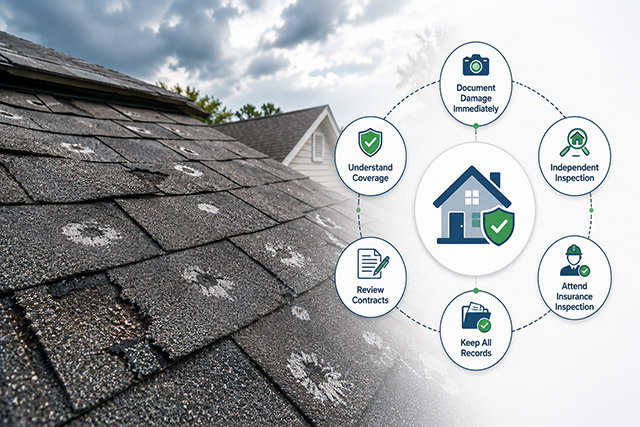
- Document roof damage immediately after the storm using photos and videos.
- Obtain an independent roofing inspection before major repairs begin.
- Attend the insurance inspection whenever possible.
- Maintain a complete record of inspections, estimates, and insurer communications.
- Review roofing contracts carefully before signing agreements.
- Understand roof coverage limits, exclusions, and deductible obligations before repairs start.
It is also important for homeowners to ask questions if insurance estimates, repair recommendations, or depreciation calculations seem unclear. Small misunderstandings early in the process can sometimes create larger disputes later.
Careful documentation and informed decision-making can help homeowners navigate roof insurance claims more effectively after a hailstorm.
When to Contact a Lawyer for a Hail Damage Roof Insurance Claim
Some hail roof claims become more complicated when insurance companies dispute the extent of the damage, reduce the repair scope, or delay claim decisions. Legal guidance becomes important when homeowners struggle to understand policy terms or resolve ongoing coverage disagreements.
Homeowners should consider contacting a property damage attorney if:
- The insurance company denies all or part of the roof claim.
- The insurer attributes damage to wear and tear instead of hail.
- Repair estimates differ significantly.
- The claim process experiences repeated delays.
- The roof replacement scope appears incomplete.
- Communication with the insurer becomes difficult or inconsistent.
An attorney can help you by:
- Reviewing insurance policy language
- Evaluating inspection reports and repair estimates
- Identifying potential coverage disputes
- Communicating with insurers during contested claims
- Explaining homeowner rights and obligations under the policy
Early legal guidance can help homeowners better understand their options before disputes escalate further.
Conclusion
Hail damage can create serious roofing problems long before leaks or structural issues become obvious. Acting quickly after a storm by documenting roof damage, scheduling inspections, and keeping organized records can help homeowners protect their claim and reduce future disputes.
Homeowners should also take time to understand their policy terms, including roof exclusions, depreciation schedules, and wind or hail deductibles. These details often play a major role in how insurance companies evaluate roof claims in Louisiana and Texas.
When insurers delay decisions, dispute damage findings, or deny portions of a hail roof claim, professional legal guidance can help homeowners better understand their rights and coverage options. Pandit Law helps property owners navigate complex hail damage roof insurance claim disputes and policy-related challenges after severe storms.