
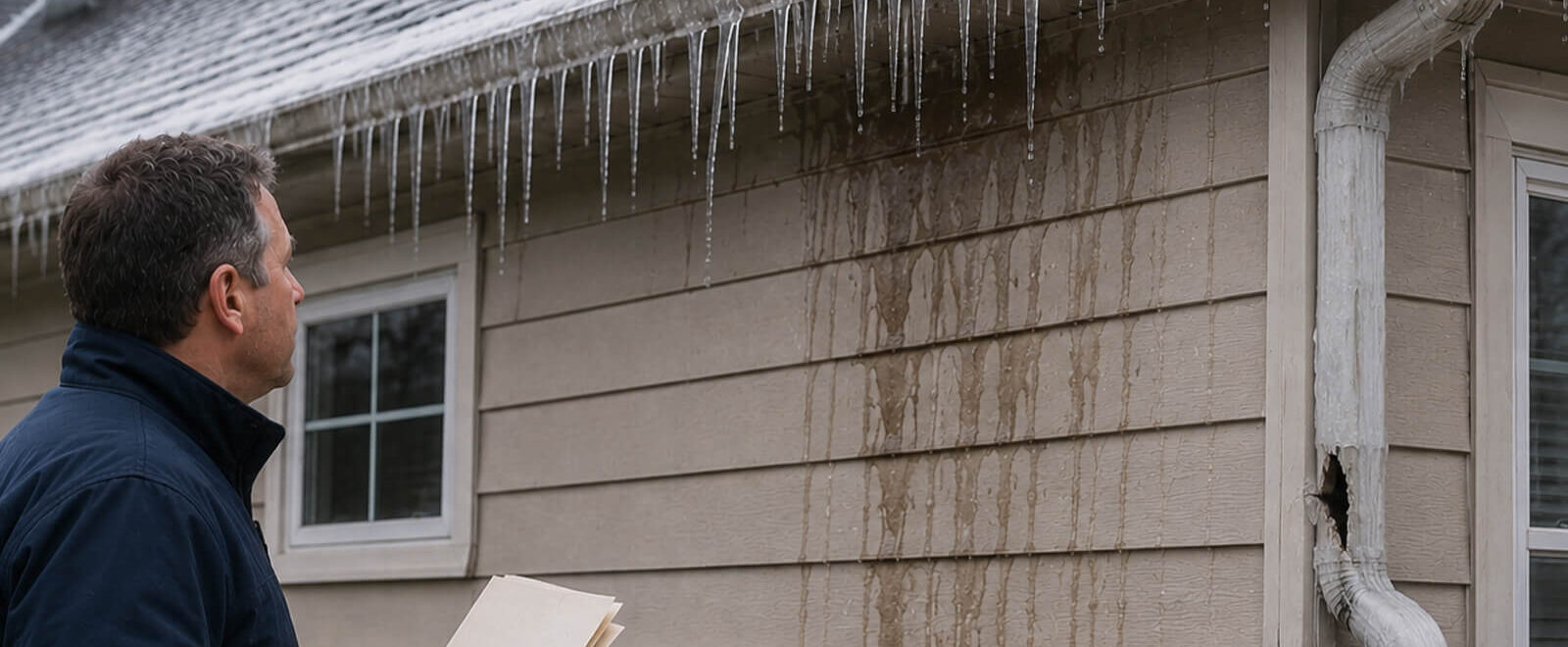
If an ice storm hits your home tonight, coating your roof in thick ice, snapping tree limbs, and freezing your pipes, will your policy actually step in?
That question feels hypothetical until it happens. While ice storms are traditionally associated with northern states, Texas and Louisiana homeowners have experienced firsthand how disruptive prolonged freezing events can be. The February 2021 winter storm in Texas caused billions in insured losses, according to the Texas Department of Insurance and the Insurance Information Institute (III). Louisiana has also faced hard freezes that damaged plumbing systems and exposed homes not built for extended sub-freezing conditions.
So the real question becomes: Does homeowners insurance cover ice storm damage in southern states where homes may not be built for prolonged ice accumulation?
The answer is often yes, but only under specific circumstances. Most standard policies may cover certain types of damage from ice storm events. However, coverage depends on how the damage occurred, whether it was sudden and accidental, and whether any exclusions apply.
This guide explains what qualifies as covered ice storm damages, what is typically excluded, and how Texas and Louisiana homeowners should approach coverage questions before the next freeze arrives.
What Is an Ice Storm?
An ice storm is not another name for a snowstorm. It occurs when rain falls through a layer of cold air near the ground and freezes on contact with surfaces. The result is a coating of solid ice that can accumulate rapidly on roofs, trees, gutters, vehicles, and power lines.
Unlike hail, which falls as frozen pellets, freezing rain forms a glaze that builds weight over time. And unlike hurricanes, which involve wind-driven rain and storm surge, ice storms primarily cause damage through accumulation and freezing temperatures.
Ice adds significant weight to roofs and tree branches. Even a quarter inch of ice can add hundreds of pounds of additional load to structural surfaces. According to the National Weather Service, ice accumulation can create widespread tree damage and infrastructure collapse.
Homes in Texas and Louisiana are often constructed with heat mitigation and hurricane resistance in mind, not sustained freezing conditions. Pipes may not be insulated for extended cold snaps, and roofing systems may not be designed for prolonged ice loads. That regional vulnerability can increase the likelihood of structural and plumbing damage during rare but severe winter events.
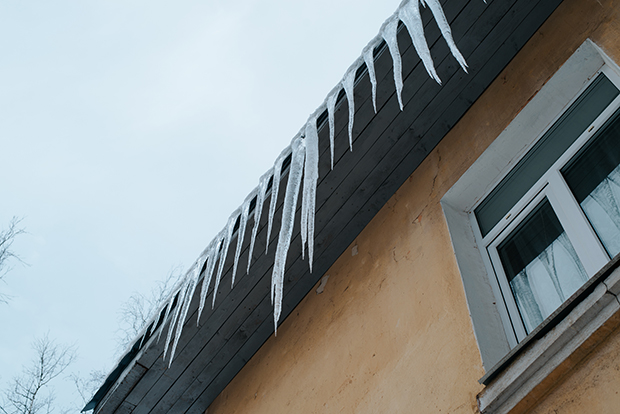
Common Types of Damage Caused by Ice Storms
When evaluating insurance coverage for ice storm damage, it helps to understand the types of physical harm these storms typically cause.
1. Roof Damage from Ice Accumulation
Ice can build up along roof edges and valleys, creating pressure points. Ice dams may form when melting snow refreezes at the eaves, preventing proper drainage. Trapped water can seep beneath shingles and enter the attic. Falling ice-laden branches may also puncture roofing materials, creating sudden openings that allow water intrusion.
2. Frozen and Burst Pipes
Prolonged sub-freezing temperatures can cause water inside pipes to freeze and expand. As pressure builds, pipes may crack or rupture. When temperatures rise, water escapes into walls, ceilings, and flooring, often leading to extensive interior damage.
3. Interior Water Damage
Whether caused by a roof breach or a burst pipe, interior damage typically includes soaked drywall, warped flooring, damaged cabinetry, and ruined personal belongings. A visible ceiling stain is often only the beginning of a larger hidden issue.
4. Damage from Falling Trees or Limbs
Ice accumulation makes branches brittle and heavy. Limbs may snap and fall onto roofs, detached garages, fences, or vehicles. Entire trees can uproot under the combined weight of ice and saturated soil.
5. Gutter and Exterior Damage
Gutters may detach under the strain of heavy ice buildup. Expansion from freezing water can crack siding, fascia boards, or exterior trim. Repeated freeze-thaw cycles increase the stress on these materials.
Each of these forms of ice storm damage may fall under different parts of a homeowners insurance policy.
What Does a Standard Homeowners Insurance Policy Typically Cover for Ice Storm Damage?
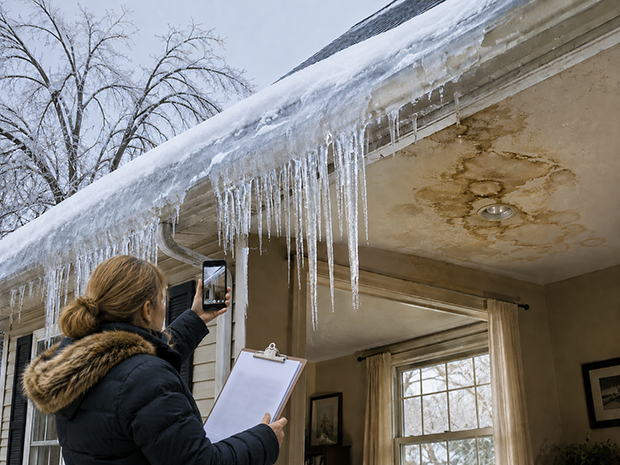
Most standard homeowners policies do not specifically list “ice storm coverage.” Instead, they provide protection through named perils such as windstorm, weight of ice or snow, or accidental discharge of water.
Coverage generally applies when the damage is sudden and accidental, not gradual or preventable. In ice storm damage claims, the key issue is how the damage occurred and whether it fits within a covered cause of loss.
Dwelling Coverage
Dwelling coverage protects the main structure of your home, including the roof, load-bearing walls, foundation, attached garage, built-in cabinetry, plumbing, HVAC, and electrical systems. This is the core protection most homeowners rely on after a severe freeze.
When ice accumulation adds excessive weight to a roof, it can strain rafters and decking beyond their limits. If that stress causes sagging, cracking, or collapse, dwelling coverage may apply because the loss resulted from the weight of ice, a commonly listed covered peril. Similarly, if freezing rain creates an opening in the roof and water enters through that breach, repairs to the damaged structural components are often covered.
This matters because insurers focus heavily on cause. If structural damage can be traced to sudden ice accumulation or freezing, coverage is more likely. If long-term deterioration contributed, the insurer may attempt to separate covered damage from pre-existing issues. Clear documentation of the storm’s timing and impact becomes important in these situations.
Other Structures Coverage
Other structures coverage protects buildings not attached to the main home, such as detached garages, storage sheds, workshops, or guest houses. Some policies may also include certain fencing and similar structures.
Ice storms frequently cause heavy branches to fall onto these buildings. If an ice-laden limb crashes through a shed roof or collapses a carport, repairs may be covered because the loss resulted from a sudden external event tied to freezing conditions.
This coverage is typically capped at a percentage of the dwelling limit, often about 10%. As a result, repair funds for detached structures may differ from what applies to the main house. Insurers first determine whether the structure qualifies under the policy definition before applying the corresponding limit.
Personal Property Coverage
Personal property coverage applies to movable belongings inside the home, such as furniture, appliances, electronics, clothing, and other household items. If a burst pipe releases water into living spaces, damage to these items is often covered if the freezing event itself meets policy conditions.
Policies often treat structural repairs and contents replacement separately. They also distinguish between replacement cost value (which pays to replace items with new equivalents) and actual cash value (which factors in depreciation). The valuation method can significantly affect reimbursement.
For example, if freezing temperatures cause a ceiling pipe to rupture and water damages a sofa and television, those items may be covered because the loss directly resulted from a covered freezing event. Documentation of ownership and item condition can strengthen this part of a claim.
Coverage for Frozen Pipes
Most homeowners policies recognize that extreme cold can cause sudden plumbing failures. Coverage generally applies when homeowners have taken reasonable steps to prevent freezing, such as maintaining heat or properly draining plumbing if the property is vacant.
Insurance is designed to cover accidental loss, not preventable neglect. If a homeowner keeps the thermostat at a reasonable level and pipes still freeze during severe weather, that situation typically fits within covered loss standards. Repairs to the pipe and resulting interior water damage are often included.
However, if utilities were intentionally shut off or the property was left without heat for an extended period without winterization, insurers may question whether policy conditions were met. The outcome often hinges on whether reasonable precautions were taken under the circumstances.
Additional Living Expenses (ALE)
Additional Living Expenses coverage is designed to help homeowners maintain a normal standard of living when covered damage makes the home temporarily uninhabitable. If a burst pipe floods multiple rooms or a roof collapse exposes the interior, relocation may be necessary during repairs.
ALE can cover hotel stays, temporary housing, increased meal costs, and other necessary expenses beyond normal household spending. Its purpose is indemnification, restoring the homeowner’s living condition while repairs are underway.
However, ALE is triggered only when the property damage itself is covered. Policies also include time limits and dollar caps, so reviewing these terms in advance can prevent confusion later.
Personal Liability Coverage
Personal liability coverage applies when someone is injured on your property and alleges that you were legally responsible. Ice storms often create slippery walkways, falling debris risks, and other hazards. If a guest slips on an icy pathway and is injured, liability coverage may help pay defense costs and potential settlements, depending on the facts and policy terms.
This protection addresses third-party injury claims, not repairs to the home itself. Whether coverage applies often depends on whether reasonable steps were taken to address hazards.
What Is Typically Excluded from Coverage During an Ice Storm?
Exclusions often determine the outcome of an ice storm damage claim. Policies commonly exclude losses that are preventable, gradual, or specifically listed in the contract.
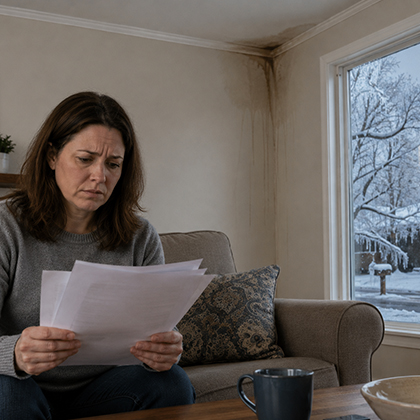
Damage Caused by Neglect
Insurance covers unexpected events, not avoidable damage. If a homeowner intentionally shuts off heat during freezing temperatures or ignores known plumbing vulnerabilities, insurers may argue the loss was preventable.
For example, failing to insulate pipes after prior warnings or leaving a home unheated during a freeze may create coverage issues. Most policies require reasonable property maintenance.
Gradual Water Seepage
Slow leaks that develop over time are usually excluded. If repeated ice buildup causes minor seepage that goes untreated and results in long-term structural deterioration, the insurer may classify that as gradual damage rather than a sudden loss. The distinction between sudden rupture and ongoing moisture intrusion is often critical.
Flooding From External Water or Snowmelt
Standard homeowners policies generally do not cover flood damage from rising water, surface runoff, or snowmelt entering from outside the home.
This exclusion is particularly relevant in Louisiana and flood-prone areas of Texas, where separate flood insurance is required for protection. If melting ice leads to surface water entering the home from ground level, that loss may fall outside standard coverage.
Debris Removal from Property
Debris removal is usually covered only if a fallen tree or limb damages an insured structure.
If a tree collapses under the weight of ice but does not strike a covered structure, removal costs may be limited or excluded. Policy terms vary, so reviewing coverage details is essential.
Certain Outdoor Structures
Many policies exclude freezing or ice-weight damage to specific outdoor property, such as:
- Fences
- Swimming pools
- Retaining walls
- Patios and pavement
- Docks and piers
Because these structures are exposed and unenclosed, insurers often limit coverage for freezing-related cracking or shifting.
How Ice Storm Coverage May Vary by Policy in Texas and Louisiana
Coverage details, limits, and deductibles vary by insurer and by any endorsements added to a policy.
Texas homeowners may encounter percentage-based deductibles depending on policy structure, especially for wind-related losses. While ice storm claims typically fall under standard deductibles, reviewing the declarations page is the best way to confirm how your policy applies.
Louisiana homeowners should also examine policy language carefully. Because the state faces frequent hurricanes and heavy rainfall, some policies focus more heavily on wind and flood provisions than freezing risks. That makes it especially important to confirm how freezing losses are defined and handled.
How a Lawyer Can Help With Ice Storm Insurance
When coverage questions arise, legal guidance can help clarify your rights and options. A property damage attorney may assist by:
- Reviewing policy language to clarify coverage terms.
- Explaining how exclusions and deductibles apply.
- Interpreting “sudden and accidental” standards.
- Providing guidance after an ice storm.
- Helping homeowners understand their rights under Texas or Louisiana insurance laws.
- Assisting if claim disputes occur and pursuing fair compensation when appropriate.
Legal support is particularly valuable when policy language is unclear or when significant structural damage is involved.
Conclusion
Ice storms are no longer limited to northern states. Texas and Louisiana homeowners have experienced firsthand how freezing rain, prolonged cold, and heavy ice accumulation can damage roofs, burst pipes, and disrupt daily life.
In many situations, homeowners insurance does cover ice storm damage when the loss is sudden and accidental and not excluded by policy terms. However, exclusions for flooding, neglect, gradual damage, and certain outdoor structures can limit protection.
If questions arise after significant ice storm damage, speaking with a property damage attorney can help you understand your coverage and protect your rights under Texas or Louisiana law.
Frequently Asked Questions
In most cases, the insurance policy covering the damaged property responds first. If your neighbor’s tree falls onto your home during an ice storm, your homeowners policy generally handles the repair. Liability usually becomes relevant only if negligence, such as a known hazardous tree, contributed to the incident.
Ice storm claims are common in northern states but less frequent in Texas and Louisiana. However, when severe freezes occur, they can result in a large number of claims. For example, the 2021 Texas winter storm led to widespread property damage and a surge in insurance filings.
You may be able to claim ice or water damage if it results from a covered peril, such as burst pipes caused by freezing or a roof breach from ice buildup. However, damage caused by external flooding or surface water intrusion is generally excluded under standard homeowners insurance policies.
Freeze damage is often covered when homeowners take reasonable steps to prevent it. For instance, burst pipes caused by unexpected cold snaps typically qualify. Coverage may be denied if the insurer determines the damage resulted from preventable conditions, such as leaving the home unheated.
Most policies typically cover structural damage caused by the weight of snow or ice when it results in sudden and accidental structural harm. Coverage depends on policy terms and cause of damage, so reviewing your declarations page and coverage section helps clarify what protections apply.