

After an ice storm, you expect your insurance to step in and help you recover, not add to the stress. But many homeowners in Louisiana and Texas find themselves dealing with an underpaid or denied ice storm insurance claim just when they need support the most.
You may be facing roof damage from heavy ice, water intrusion from ice dams, or burst pipes after days of freezing temperatures, only to be told the damage is not covered. Insurers often rely on policy interpretations, exclusions, or maintenance-related arguments to justify these decisions.
In these situations, having the right legal guidance can make a meaningful difference in how your claim is handled. This guide explains why ice storm claims get denied and what you can do next to protect your rights.
Common Ice Storm Damage That Leads to Insurance Claims
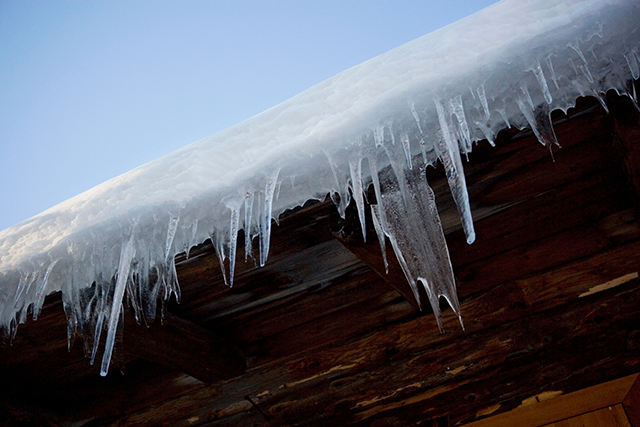
Common types of ice storm damage homeowners face include:
- Roof damage from ice buildup, where accumulated weight or ice dams lead to leaks or structural stress
- Frozen and burst pipes, which can release water into walls, ceilings, and flooring once temperatures rise
- Interior water damage, often showing up as stained ceilings, warped floors, or damaged drywall
- Falling tree limbs or branches, weighed down by ice and causing sudden impact damage to roofs or other structures
- Gutter and exterior damage, including detached gutters or cracked siding due to freeze-thaw pressure
Each of these damage types can trigger an insurance claim, but coverage often depends on how the damage occurred. Understanding how ice storms affect your property is the first step before evaluating why a claim may be denied.
Why Your Ice Storm Insurance Claim Was Denied
A denied claim often comes down to how the insurer interprets the cause of damage. In many ice storm cases, the issue is not whether damage exists, but whether it fits within the policy’s definition of a covered loss.
Here are some of the most common reasons insurers give and what they mean in practice:
Pre-Existing Damage Allegations
Insurers may argue that parts of your home were already compromised before the ice storm.
- What the Insurer Claims: The roof, plumbing, or structure had prior wear or damage.
- What It Means: They are separating the storm from the actual cause of loss.
- Why It Gets Denied: If damage is labeled as pre-existing, the insurer avoids responsibility for repairs tied to the storm.
In many cases, insurers rely on inspection reports or prior condition indicators to argue that the ice storm was not the primary cause of the damage.
Lack of Maintenance (Ice Dam and Property Upkeep Argument)
Insurers often rely on maintenance-related arguments when evaluating ice storm claims.
- What the Insurer Claims: Poor insulation, clogged gutters, or lack of upkeep caused the issue.
- What It Means: Ice-related damage, such as ice dams or pipe failures, is framed as preventable, not storm-related.
- Why It Gets Denied: Policies require reasonable maintenance, and insurers may argue that proper upkeep would have reduced or avoided the damage.
For example, insurers often point to attic insulation issues or blocked drainage systems to argue that ice buildup led to water intrusion over time, not a sudden storm-related loss. This has been one of the most common reasons for claim denials following freeze events in Texas.
Gradual Damage vs. Sudden Event Dispute
Insurance coverage often depends on whether damage is considered “sudden and accidental.”
- What the Insurer Claims: Water damage developed over time.
- What It Means: The issue is classified as a gradual deterioration rather than a single ice storm event.
- Why It Gets Denied: Gradual damage is typically excluded, even if freezing conditions contributed to the problem.
Insurers often use this distinction to argue that ongoing seepage or repeated freeze-thaw cycles caused the damage, rather than a single identifiable ice storm event.
Insufficient Documentation of Ice Storm Damage
Strong evidence plays a critical role in claim approval.
- What the Insurer Claims: There is not enough proof linking the damage to the ice storm.
- What It Means: The timeline and cause of damage are unclear.
- Why It Gets Denied: Without photos, videos, or weather-based context, insurers may dispute whether the loss is storm-related.
Timestamped documentation and local weather records can help establish when the damage occurred.
Policy Exclusions Specific to Ice or Exterior Structures
Some denials are based directly on policy language.
- What the Insurer Claims: The damaged structure or condition is excluded.
- What It Means: Certain exterior elements or ice-related scenarios may not fall under standard coverage.
- Why It Gets Denied: If the policy excludes that type of damage, the insurer may decline the claim regardless of severity.
These exclusions often apply to outdoor structures or specific types of ice-related damage, making it important to review how your policy defines covered property.
Negligence Claims (Frozen Pipes and Heating Issues)
Separate from maintenance issues, insurers may also deny claims based on how the property was managed during the freeze.
- What the Insurer Claims: The homeowner failed to take reasonable precautions during freezing conditions.
- What It Means: The insurer believes steps like maintaining heat or insulating pipes were not taken.
- Why It Gets Denied: If the home was not kept at a reasonable temperature or properly prepared, the damage may be classified as preventable.
Frozen pipe claims are also commonly denied if the insurer believes the property was not adequately heated or winterized. This issue becomes more common in vacant or unoccupied properties, especially following Texas freeze events. Insurers may argue that the lack of heating contributed directly to the ice storm damage.
Understanding these denial reasons can help you identify where your claim may have been challenged and what steps to take next.
What to Do If Your Ice Storm Claim Is Denied
A denial can feel like a dead end. However, it is often the start of a more detailed review process. Taking the right steps early can help you challenge the decision and strengthen your position.
Step 1: Request a Written Denial Explanation

Start by asking your insurer for a clear, written explanation. The denial should reference specific policy language, not general statements. This helps you understand whether the issue relates to exclusions, maintenance, or documentation. It also sets the foundation for everything that follows.
Step 2: Gather Strong Evidence
Next, build a clear record of the damage and how it occurred.
- Collect photos and videos showing visible damage.
- Obtain repair estimates from qualified contractors.
- Use weather data to show freezing conditions and timing.
Focus on clearly linking the damage to the ice storm and its timing.
Step 3: File a Formal Internal Appeal
Most insurers allow you to challenge the decision through an internal appeal. You can:
- Submit a written appeal that references your policy terms.
- Address the insurer’s reasoning directly with supporting evidence.
But be mindful of deadlines, as missing them can limit your options.
Step 4: Request Claim File and Independent Inspection
You have the right to review how your claim was evaluated. Request the adjuster’s notes and internal reports to understand how your claim was assessed. You can also hire an independent contractor to assess the damage and compare it with the adjuster’s findings.
A second opinion can help identify gaps or inconsistencies in the insurer’s findings.
Step 5: File a Complaint with State Regulators
If issues persist, you can escalate the matter.
- Homeowners in Texas can contact the Texas Department of Insurance.
- In Louisiana, complaints can be filed with the Louisiana Department of Insurance.
Regulatory review may prompt a closer look at how your claim was handled.
Step 6: Consider Legal Action if Needed
If appeals and complaints do not resolve the issue, legal support may be necessary. A property damage attorney can review your policy and denial letter to determine what your next steps should be. They can also handle negotiations or take further action if appropriate.
Taking structured, informed steps early can improve how your claim is reviewed and resolved.
Ice Storm Claim Laws in Louisiana and Texas
Insurance laws in Louisiana and Texas set clear expectations for how insurers should handle property damage claims, including those involving ice storm damage. Understanding these timelines and penalties can help you assess whether your claim was handled properly.
Louisiana
Louisiana law places strict deadlines on insurers once a claim is submitted. Under La. R.S. 22:1892, insurers generally have 30 days to pay or make a written settlement offer after receiving satisfactory proof of loss. This deadline can extend to 60 days in instances of catastrophic events which typically require homeowners to send a 60-day Cure Period Notice, giving the insurer a final opportunity to resolve the claim. If the insurer fails to comply with a valid reason, penalties may apply. Penalties may be awarded along with attorney fees in certain cases.
In ice storm claims, delays or unjustified denials may raise concerns under this statute, especially when damage is clearly documented.
Texas
Texas follows the Prompt Payment of Claims Act, which outlines specific deadlines and consequences for delays. Under Texas Insurance Code Chapters 541 and 542, insurers must acknowledge, investigate, and accept or reject claims within the 15-15-5 timeframe. For major weather events, insurers may receive a limited extension to process claims.
Delays can result in interest penalties along with attorney fees. Texas law may also require a pre-suit notice, typically 61 days, before filing legal action.
For ice storm-related losses, these laws help ensure insurers handle claims fairly and within required timelines.
How an Attorney Helps With a Denied Ice Storm Claim

If you are dealing with a denied ice storm insurance claim, having the right legal support can help you understand your options and take the next steps with confidence. An attorney focuses on strengthening your position and addressing how the insurer handled your claim.
- Policy and Denial Review: Carefully examine your policy language and the insurer’s reasoning to identify gaps, misinterpretations, or overlooked coverage.
- Evidence Building: Help organize documentation such as damage records, repair estimates, and weather data to support your claim.
- Negotiation With the Insurer: Communicate directly with the insurance company to challenge weak justifications and push for a fair reassessment.
- Handling Bad Faith Issues: Identify potential unfair practices, such as unreasonable delays or unsupported denials.
- Filing a Lawsuit if Needed: Take legal action when internal appeals and negotiations do not resolve the dispute.
Early legal support becomes especially important when insurers rely on policy interpretations or disputed facts to justify a denial.
Conclusion
A denial does not mean the process is over. Many homeowners successfully challenge a denied ice storm insurance claim by taking the right steps and addressing the insurer’s reasoning directly. Acting quickly can help preserve evidence, meet important deadlines, and strengthen your position.
If your claim has been denied, delayed, or underpaid, it may be time to seek guidance from a property damage attorney. The team at Pandit Law can review your situation, explain your options, and help you move forward with confidence. Contact Pandit Law today for a free case evaluation.
Frequently Asked Questions
Ice storm claims are often denied because insurers argue the damage was due to poor maintenance, gradual issues, or a lack of proper precautions. Disputes over whether the damage was sudden and storm-related can also lead to denials.
Yes, you can reopen a denied claim by filing an internal appeal with new evidence. Providing stronger documentation, repair estimates, or weather data can help challenge the insurer’s decision and support a reassessment of your claim.
If your claim is underpaid, you can request a detailed explanation and submit additional evidence to justify higher compensation. Many underpayments result from underestimated damage, which can be challenged through review, negotiation, or legal support if needed.