
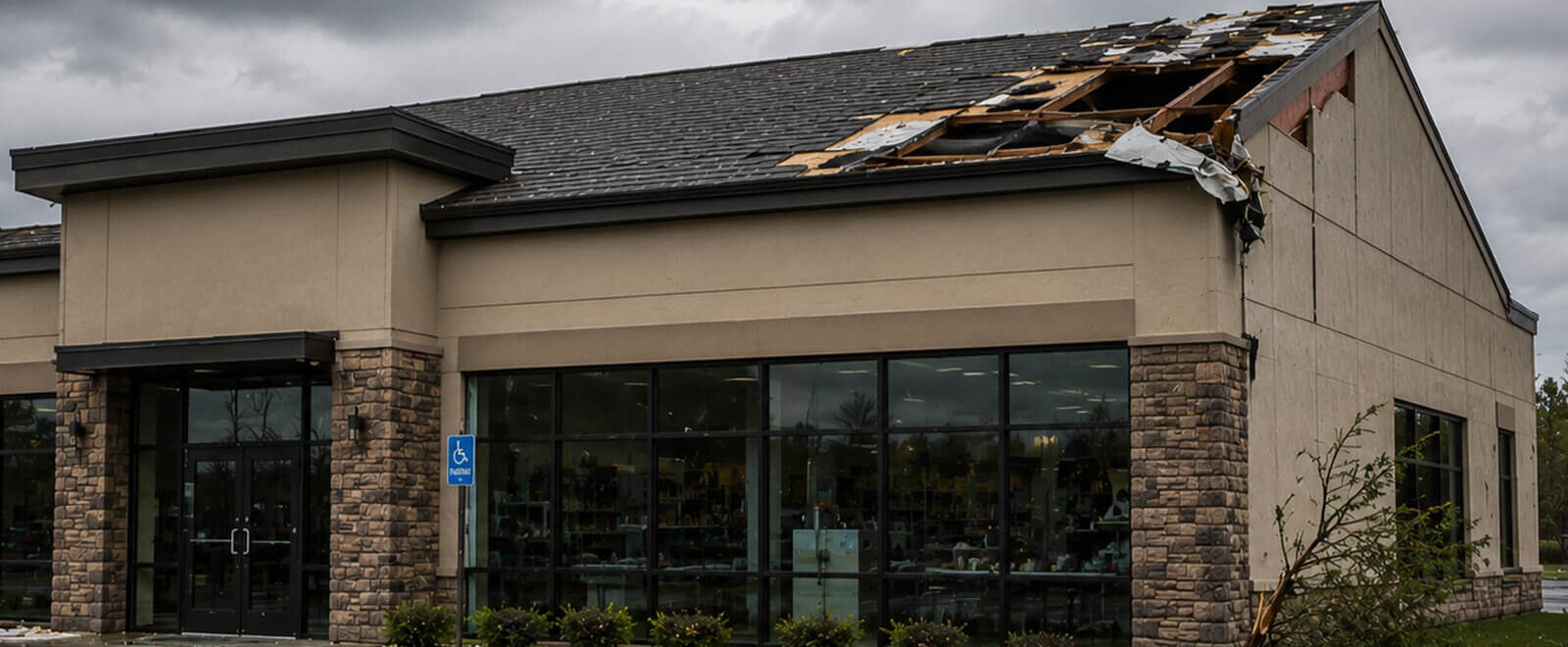
One tornado can shut down a business overnight. A damaged roof, destroyed inventory, water intrusion, and unsafe working conditions can bring operations to a halt within minutes. Unlike residential claims, commercial tornado damage claims often involve larger properties, specialized equipment, multiple policy coverages, and extensive financial documentation. For many business owners, the stress only grows when the insurance company begins questioning the extent of the damage, the cause of the loss, or the value of business interruption losses.
Texas consistently reports some of the highest tornado activity in the country, averaging more than 120 tornadoes annually, while Louisiana also faces frequent severe storm activity across the Gulf Coast and northern regions. Areas around Dallas-Fort Worth, East Texas, Shreveport, and Monroe often experience elevated tornado risks.
This guide explains how business owners can document losses, avoid common claim disputes, and better support their commercial tornado damage insurance claims.
What Commercial Tornado Damage Insurance Typically Covers
Commercial tornado losses often extend far beyond visible roof or exterior damage. Many businesses also face equipment failures, operational shutdowns, inventory losses, and disputes over what the policy actually covers. Understanding the different parts of a commercial insurance policy can help business owners identify missing payments and better protect their commercial tornado damage insurance claim.
Property and Structural Damage
Most commercial tornado policies provide coverage for direct physical damage caused by high winds, flying debris, or collapsing structures. However, the scope of coverage often depends on the policy language, endorsements, and the insurer’s damage evaluation.
Commercial tornado claims commonly involve damage to:
- Roofing systems, exterior walls, and windows
- Warehouses, office buildings, and manufacturing facilities
- HVAC systems and electrical components
- Inventory, machinery, and business equipment
- Interior damage caused by wind-driven rain
- Fencing, signage, loading docks, and parking structures
In large commercial losses, disputes may arise over whether the tornado caused the damage or whether the insurer believes the issues existed before the storm. Commercial property owners may also encounter disagreements involving partial roof replacement, structural stability, or code-related repairs after severe tornado damage.
Business Interruption Coverage
Even when a building remains standing, tornado damage can force businesses to pause operations for days or weeks. Business interruption coverage may help compensate for financial losses that occur while the property undergoes repairs or remains temporarily unusable.
Depending on the policy, this coverage may apply to:
- Lost business income during shutdowns
- Ongoing payroll obligations
- Temporary relocation expenses
- Utility interruption losses
- Certain operating expenses that continue during repairs
Business interruption disputes often involve disagreements about the length of downtime, projected revenue losses, or whether the tornado directly caused the interruption. Maintaining organized financial records can play a major role in supporting these portions of commercial tornado damage claims.
Additional Coverages and Endorsements
Many businesses carry additional endorsements that expand coverage beyond basic property damage protections. These endorsements can become especially important after large-scale tornado losses involving specialized equipment or debris-heavy damage.
Depending on the policy, additional coverages may include:
- Equipment breakdown coverage for damaged machinery or mechanical systems
- Inland marine coverage for mobile tools, equipment, or property stored off-site
- Debris removal coverage for cleanup and disposal expenses
- Ordinance or law coverage for repairs required to meet updated building codes
- Extra expense coverage for temporary operational adjustments
Commercial insurance policies vary significantly, which is why business owners should carefully review endorsements after a tornado-related loss.
Common Exclusions and Limitations
Insurance companies frequently rely on exclusions and policy limitations to reduce or challenge portions of commercial tornado claims. Understanding these issues early can help businesses prepare for potential disputes during the claims process.
Common issues may include:
- Flood exclusions involving storm surge or rising water
- Wear and tear allegations involving older roofing systems
- Cosmetic damage arguments for metal roofing or exterior panels
- Vacancy clauses affecting unoccupied commercial property
- Improper maintenance allegations related to roofing or drainage systems
Insurers may also dispute whether certain damage resulted directly from tornado winds or from pre-existing conditions. Careful documentation and prompt inspections often become critical when these disagreements arise.
Understanding what a commercial policy may cover is only one part of the recovery process. Business owners should also know what steps to take immediately after a tornado to protect both their property and their insurance claim.
What Business Owners Should Do Immediately After a Tornado
The hours after a tornado can directly affect the strength of a commercial insurance claim. Acting quickly, preserving evidence, and keeping organized records can help business owners reduce additional damage and avoid unnecessary claim disputes later.
1. Ensure Safety and Secure the Property
Safety should remain the priority after a tornado damages a commercial property. Business owners should evaluate the property carefully before allowing employees, vendors, or customers back inside.
Important first steps may include:
- Evacuating unsafe or structurally damaged areas
- Shutting off gas, water, or electrical utilities if hazards exist
- Restricting access to dangerous sections of the property
- Contacting emergency services if needed
Businesses should also document hazardous conditions before cleanup begins whenever it is safe to do so.
2. Take Temporary Steps to Prevent Further Damage
Most commercial insurance policies require property owners to take reasonable steps to reduce additional damage after a storm. Temporary mitigation can also help preserve important claim evidence.
Businesses may need to:
- Tarp damaged roofing areas
- Board broken windows or doors
- Remove standing water when possible
- Protect inventory, equipment, and important records from additional exposure
These temporary measures should focus on stabilization rather than permanent repairs.
3. Avoid Permanent Repairs Before the Insurance Inspection
Business owners should avoid major repairs until the insurance company completes its inspection. Permanent repairs performed too early can make it harder to prove the full extent of tornado-related damage later in the claim process.
Temporary emergency work is generally appropriate, but businesses should preserve damaged materials, take photographs before repairs begin, and maintain all invoices related to mitigation efforts.
4. Document Damage and Organize Claim Records
Early documentation helps preserve evidence before cleanup, inspections, or temporary repairs alter the condition of the property. Detailed records can help support property damage, inventory losses, and business interruption claims.
Business owners should:
- Photograph and video all visible damage
- Save repair invoices and emergency mitigation receipts
- Preserve damaged inventory or equipment when possible
- Track tornado-related business expenses and interruptions
- Maintain written records of all insurer communications
Early organization can help businesses respond more effectively if disputes arise during the commercial insurance claim process.
How to File a Commercial Tornado Damage Claim
Filing a commercial tornado insurance claim involves far more than reporting visible property damage. Business owners need to document structural losses, inventory damage, and operational disruptions while responding to insurer requests and inspections. Taking organized steps early in the process can help strengthen commercial tornado damage claims and reduce unnecessary disputes later.

Step 1: Notify Your Insurance Carrier Immediately
Commercial tornado claims should be reported as soon as possible after the storm. Following widespread tornado activity, insurance companies often process catastrophe-related claims in the order they are received, which can affect inspection scheduling and response times.
During the initial report, businesses should provide:
- The policy number and business location
- A general description of the tornado damage
- Emergency mitigation steps already completed
- Contact information for the primary business representative
- Information about operational shutdowns or restricted access
Prompt reporting also creates an early record of the loss, which can become important if questions arise later during the commercial insurance claim process.
Step 2: Document All Tornado Damage
Thorough documentation can play a major role in supporting a commercial tornado damage claim. Businesses should photograph and record all visible damage before major cleanup or repairs begin, whenever possible.
Important areas to document may include:
- Roof punctures, lifted materials, and membrane damage
- Structural cracks or framing damage
- Broken windows, siding, and exterior components
- Water intrusion affecting interiors or equipment
- Damaged machinery, electronics, and inventory
- Parking lots, fencing, signage, and loading areas
Video walkthroughs can also help capture the full condition of the commercial property immediately after the tornado.
Step 3: Create a Detailed Business Loss Inventory
Large commercial property losses typically require extensive inventory documentation to support the insurance evaluation process. Insurance carriers may request detailed records showing what property was damaged, its condition before the storm, and its estimated replacement value.
Businesses should organize:
- Equipment and machinery lists
- Serial and model numbers
- Inventory spreadsheets
- Estimated replacement costs
- Purchase receipts and maintenance records
- Photos of damaged business property
Detailed records can help reduce disagreements involving undervalued equipment or disputed inventory losses.
Step 4: Gather Financial Records for Business Interruption Claims
Business interruption losses often require substantial financial documentation. Insurance companies typically review operational records to evaluate how the tornado affected business income and expenses.
Supporting records may include:
- Profit and loss statements
- Tax returns
- Payroll reports
- Sales records
- Vendor and supplier contracts
- Utility bills and operating expenses
Clear financial documentation can help businesses support claims involving operational shutdowns, reduced revenue, or temporary relocation costs tied to commercial tornado damage claims.
Step 5: Attend the Commercial Property Inspection
After the claim is reported, the insurance company will usually schedule a commercial property inspection. These inspections often involve adjusters, engineers, roofing consultants, or other third-party professionals evaluating the damage.
Business owners should attend the inspection whenever possible to:
- Point out all damaged areas
- Take notes during the inspection
- Request copies of written findings if available
- Keep records of who attended the inspection
- Clarify areas that may not be immediately visible
Businesses should avoid making guesses about the cause or extent of damage during these inspections. Clear documentation and factual observations are generally more helpful than speculation.
Step 6: Obtain Independent Repair and Damage Estimates
Insurance company estimates may not always reflect the full scope of tornado-related damage. Obtaining independent evaluations from qualified professionals can help businesses compare repair recommendations and identify missing items.
Businesses may consider obtaining assessments from:
- Commercial roofing contractors
- Structural engineers
- Equipment specialists
- General contractors
- Electrical or mechanical professionals
Independent estimates may become especially important when disputes involve structural repairs, roof replacement, or specialized commercial equipment.
Step 7: Review the Insurance Estimate Carefully
Before accepting any payment determination, business owners should carefully review the insurance estimate for missing covered damage or undervalued items. Disputes over repair scope and property valuation are common in large commercial tornado losses.
Common issues business owners may face include:
- Partial roof replacement recommendations
- Undervalued inventory or equipment
- Missing code-related repairs
- Excluded structural damage
- Low business interruption calculations
Careful review can help businesses identify issues before repairs move forward.
Step 8: Contact a Commercial Tornado Damage Claim Attorney if Disputes Arise
Some commercial tornado damage claims become delayed, underpaid, or denied despite substantial documented losses. Businesses may consider speaking with a commercial tornado damage claims attorney when disputes begin affecting the recovery process.
Legal guidance may help when:
- The insurer disputes the cause of the damage
- Claim payments do not reflect repair estimates
- Operational income losses are minimized
- Inspections overlook significant damage
- Communication delays continue for extended periods
An experienced tornado damage attorney can review the policy, evaluate the claim handling process, and help businesses better understand their legal options.
Filing a commercial tornado claim often requires ongoing documentation, communication, and careful review of the insurance company’s findings. The more organized a business remains throughout the process, the better positioned it may be to protect its commercial property and financial recovery.
Critical Documentation for Commercial Tornado Damage Claim
Large commercial tornado losses often depend on the quality of the supporting documentation as much as the visible property damage itself. Insurance companies often rely heavily on records, inspections, and supporting evidence when reviewing a commercial tornado damage insurance claim, especially when structural damage or business interruption losses are involved.
Strong supporting evidence often includes:
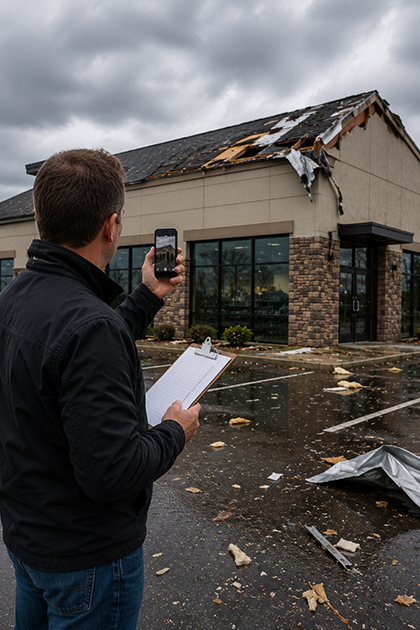
- Engineering reports identifying structural or wind-related damage
- Roofing contractor assessments documenting roof system failures
- Drone inspections capturing large-scale exterior damage
- Inventory spreadsheets listing damaged business property
- Financial audits supporting operational losses
- Security camera footage showing storm conditions or resulting damage
- Maintenance logs demonstrating the condition of the property before the tornado
Businesses should also maintain a detailed claim communication log throughout the process. Organized communication records can help track delays, disputed statements, or inconsistent information from adjusters and third-party inspectors.
Important records to preserve may include:
- Dates of inspections and claim updates
- Emails with the insurance company
- Adjuster and consultant names
- Phone call summaries and follow-up discussions
Well-organized documentation can strengthen commercial tornado damage claims and help businesses respond more effectively if coverage disputes arise later.
Common Commercial Tornado Claim Disputes
Commercial tornado claims often involve complex damage evaluations, multiple coverages, and competing causes of loss. As a result, disputes frequently arise between businesses and insurance companies during the investigation and payment process.
Some of the most common issues business owners face include:
- Wind vs. Flood Damage Disputes: Insurers may argue that certain damage resulted from excluded flooding rather than tornado-related winds or wind-driven rain.
- Cosmetic vs. Structural Damage Arguments: Insurance companies sometimes classify roof, siding, or exterior damage as cosmetic even when the issues affect long-term performance or safety.
- Pre-Existing Damage Allegations: Older commercial properties may face claims that roof deterioration, maintenance problems, or structural weaknesses existed before the tornado.
- Business Interruption Underpayment: Disputes may arise over projected revenue losses, operational downtime, or ongoing business expenses.
- Delayed Claim Handling: Large-scale tornado events can create inspection backlogs, communication delays, and extended claim investigations.
Commercial tornado claims involving warehouses, manufacturing facilities, or multi-building properties may become especially complicated due to the scale of the losses involved. Businesses that maintain detailed records and independent evaluations are often better positioned to respond when disputes develop during the commercial insurance claim process.
Mistakes Business Owners Should Avoid After Tornado Damage
The actions businesses take after a tornado can directly affect the outcome of a commercial insurance claim. Even small mistakes early in the process may create challenges later when insurers review property damage, operational losses, or repair documentation.
One common issue involves delaying claim reporting. After major tornado events, insurance companies often manage a large number of catastrophe-related claims at the same time. Waiting too long to report damage can delay inspections and complicate the investigation process.
Businesses should also avoid disposing of damaged property too quickly. Damaged roofing materials, equipment, inventory, or structural components may serve as important evidence during commercial tornado damage claims. Preserving these materials whenever possible can help support the claim evaluation.
Other common mistakes include:
- Failing to take reasonable steps to prevent additional damage
- Moving forward with permanent repairs before inspections occur
- Accepting the first settlement offer without carefully reviewing the estimate
- Signing contractor agreements without understanding the repair scope
- Providing recorded statements without preparation or documentation available
Businesses should also preserve detailed mitigation records, invoices, and insurer communications related to the tornado damage. Careful documentation and informed decision-making can help reduce misunderstandings and protect the overall commercial insurance claim process.
Texas and Louisiana Commercial Tornado Insurance Claim Rules
Commercial tornado claims in Texas and Louisiana often involve state-specific insurance rules, policy requirements, and dispute procedures. Businesses should understand how these laws may affect inspections, claim evaluations, deadlines, and commercial property disputes after severe tornado damage.
Texas Commercial Tornado Insurance Claim Rules
Texas experiences frequent tornado activity, particularly across North Texas, East Texas, and areas surrounding Dallas-Fort Worth. Commercial tornado claims in the state often involve warehouses, industrial facilities, retail centers, and large roofing systems damaged by high winds or wind-driven rain.
Texas commercial insurance policies commonly include appraisal clauses that may apply when businesses and insurers disagree about the amount of covered damage. Appraisal provisions frequently become important in commercial property disputes involving roof replacement scope, structural repairs, or business interruption calculations.
Common issues in Texas commercial tornado claims may include:
- Wind-driven rain exclusions
- Warehouse and industrial property damage disputes
- Roofing system replacement disagreements
- Commercial policy deductibles tied to storm losses
- Disputes involving exterior metal panel or membrane roof damage
Businesses facing delayed, denied, or disputed losses may benefit from speaking with a Texas tornado damage claim attorney to better understand their options under the policy.
Louisiana Commercial Tornado Insurance Claim Rules
Louisiana businesses frequently face severe storm activity throughout Gulf Coast communities and northern regions near Shreveport and Monroe. Commercial tornado claims in Louisiana may involve overlapping storm-related losses, especially when wind damage and water intrusion occur during the same event.
Commercial property owners may encounter disputes involving:
- Wind versus flood-related damage
- Business interruption calculations
- Industrial and manufacturing property losses
- Roof system damage evaluations
- Multiple storm-related coverage questions
Louisiana commercial policies may also contain specific requirements involving inspections, proof of loss documentation, and policy exclusions. Businesses should review policy terms carefully after tornado-related damage occurs.
In disputed situations, businesses may also benefit from discussing disputed losses with a Louisiana tornado damage claim lawyer familiar with commercial property damage claims and storm-related insurance issues.
When commercial tornado losses lead to disputed repairs, operational interruptions, or delayed claim decisions, businesses may need additional guidance in navigating the insurance process. Understanding the applicable policy provisions and claim procedures can help businesses respond more effectively throughout the recovery process.
When Businesses Should Consider Contacting an Attorney
Some commercial tornado claims become far more complicated once disputes begin affecting repairs, operations, or claim payments. Businesses may benefit from speaking with a lawyer when communication delays, coverage disagreements, or underpayment issues begin interfering with the recovery process.
Situations that commonly lead businesses to seek legal guidance include:
- Delayed inspections or claim decisions
- Underpayment disputes involving roofing, equipment, or inventory
- Denied portions of a commercial tornado damage insurance claim
- Disagreements involving business interruption losses
- Claim handling concerns involving unreasonable delays or inconsistent explanations
A commercial tornado damage claims attorney can review policy language, evaluate claim documentation, and help businesses better understand how the insurance company is handling the loss. Early legal guidance can also help businesses preserve important records and avoid mistakes during ongoing claim negotiations.
Commercial tornado losses can disrupt operations for weeks or even months. Understanding the available legal options can help businesses make more informed decisions while protecting their commercial property interests.
Conclusion
Commercial tornado damage claims often involve far more than visible roof or structural damage. Business owners may also face operational shutdowns, inventory losses, coverage disputes, and complex commercial insurance policy requirements during the recovery process.
Acting quickly after a tornado, preserving documentation, and understanding policy limitations can play an important role in protecting a commercial tornado damage insurance claim. Large commercial losses often involve significant financial and operational consequences. Businesses should carefully review insurance estimates, maintain organized claim records, and address disputes as early as possible.
When delayed payments, underpayment issues, or coverage disagreements arise, seeking guidance from an experienced commercial tornado damage claims attorney can help business owners better understand their options and protect their commercial property interests.