

Storm damage can disrupt every part of a business. Lost revenue, forced closures, equipment damage, and payroll pressure can escalate quickly after a severe weather event. For many companies, the real challenge begins when they file commercial storm damage claims. Insurers often apply stricter scrutiny to high-value losses and complex property policies. Without a clear strategy, businesses risk delays, disputes, or undervalued settlements.
This guide explains how commercial storm claims work, what documentation matters, and how business owners can protect their financial recovery. Consider it a practical roadmap to navigating the claims process and safeguarding your operations after a storm.
Storm Insurance Coverage for Businesses
Storm-related losses affect commercial properties differently from residential ones. Policies often involve higher limits, layered coverages, and stricter documentation standards. Understanding what your policy covers and how insurers evaluate commercial storm damage claims can make a major difference in how smoothly the process goes.
What Do Commercial Policies Cover for Storm Damages
Most commercial property policies cover sudden and accidental storm-related damage, provided the loss falls within policy terms. Coverage commonly includes:
- Structural damage to buildings caused by wind, hail, or severe weather
- Damage to permanently installed systems such as electrical, plumbing, or HVAC
- Losses involving business personal property, including equipment, inventory, and furnishings
- Certain debris removal and temporary protection costs after a storm
What Are the Exclusions in Commercial Policies
Coverage always depends on exclusions written into the policy. Insurers frequently deny or limit commercial storm claims when damage falls into restricted categories, such as:
- Wear and tear or preexisting deterioration
- Maintenance-related issues
- Gradual damage rather than sudden storm impact
- Certain flooding events, if separate coverage applies
Business Interruption
Storm coverage may extend beyond physical damage. Business interruption provisions may apply when severe weather:
- Forces a temporary shutdown
- Reduces operating capacity
- Causes measurable revenue loss
- Requires relocation
- Increases operating expenses
These losses often require detailed financial proof and careful documentation.
Deductibles in Policies
Commercial storm deductibles can be substantial and may differ from standard insurance deductibles. Higher deductibles mean businesses must absorb more initial costs, which makes accurate loss valuation and claim preparation especially important.
What Types of Storm Damage Are Common in Commercial Properties?
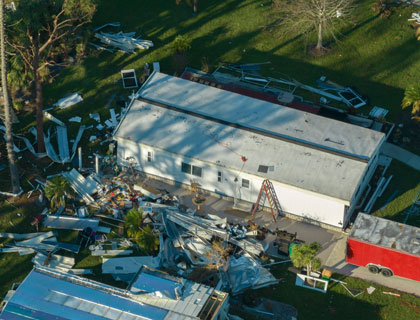
Storm damage can affect multiple parts of a commercial property at once. Understanding common damage categories helps business owners recognize claimable losses and avoid overlooking issues that insurers may not immediately identify.
Structural and Exterior Damage
Exterior damage often appears obvious but still gets underestimated during inspections. Common examples include:
- Wind-damaged walls, doors, and windows
- Structural cracks from pressure or impact
- Broken signage or facade components
- Damaged parking areas, lighting, or exterior fixtures
Insurers sometimes minimize exterior damage if documentation lacks detail, which makes early photo and video evidence essential.
Interior and Equipment Damage
Interior losses may develop quickly after a storm, especially when moisture enters the building. Businesses frequently see:
- Water intrusion affecting ceilings, walls, or flooring
- Electrical system failures or shorts
- Damaged machinery or specialized equipment
- Inventory losses from exposure or contamination
Hidden moisture damage often goes unnoticed during initial inspections and may be undervalued if not thoroughly documented.
Business Interruption Losses
Physical damage is only part of the financial impact. Storm events can disrupt operations in ways that create significant indirect losses, including:
- Revenue Interruptions: Income lost when operations slow down or stop after storm damage
- Temporary Relocation Expenses: Costs of moving operations to a temporary location to stay functional
- Payroll Strain: Financial pressure from paying employees while business activity remains reduced
- Customer Loss: Decline in clients or sales due to closures, delays, or service disruption
- Vendor or Supply Chain Disruptions: Delays or shortages caused when suppliers cannot deliver goods or materials
These operational losses can be substantial, yet many businesses fail to fully document or include them in their claims.
How to File a Commercial Storm Damage Claim: Step-by-Step Guide
Storm damage can disrupt cash flow, halt operations, and extend recovery timelines for months. Because commercial deductibles often run high, every dollar documented in commercial storm damage claims matters. A structured approach helps businesses avoid missed losses, disputes, and delays while protecting the full value of their claim.
Step 1: Secure the Property and Prevent Further Damage
Start by protecting people and property:
- Arrange temporary repairs, such as tarping roofs or boarding openings.
- Address immediate safety hazards before reentering the building.
- Photograph conditions before and after emergency fixes.
Insurers may reduce or deny payment if they believe preventable damage occurred after the storm.
Step 2: Document All Storm Damage Thoroughly
Strong documentation builds the foundation of a strong claim:
- Take clear photos and videos of all affected areas.
- Record damaged equipment, inventory, and structural components.
- Note hidden or developing issues that may worsen over time.
Be sure to document everything because damage that lacks proof often goes unpaid, even if it exists.
Step 3: Notify Your Insurance Company Promptly
Report the losses to your insurance provider as soon as possible. Delays can raise credibility concerns and allow insurers to question whether the storm actually caused the damage. Prompt notice also helps preserve policy rights and timelines tied to commercial storm claims.
Step 4: Submit a Detailed Proof of Loss
Insurers expect a complete and accurate loss statement supported by documentation. Vague or incomplete submissions often lead to undervaluation, requests for more information, or outright rejection. Provide itemized descriptions, values, and supporting evidence to make the claim review and assessment smoother.
Step 5: Get Estimates from Independent Contractors
Independent repair estimates help businesses compare scopes of work. If a contractor identifies damage the insurer missed, it can help strengthen your position. Always review contracts carefully and avoid agreements that promise deductible waivers, which can create claim complications.
Step 6: Review the Settlement Offer Critically
Examine every line of the insurer’s estimate carefully. Watch for:
- Missing repairs
- Depreciation reductions
- Undervalued materials or labor
Businesses have the right to question or challenge estimates that fail to reflect actual losses.
Step 7: Call a Lawyer
Disputes, delays, or underpayments often signal the need for legal guidance. A property damage attorney can review your policy, analyze the insurer’s evaluation, and advocate for fair treatment throughout the claim process.
Taking a methodical approach to each step can help businesses avoid costly oversights and strengthen their position during the claims process. Careful preparation often makes the difference between a smooth resolution and a prolonged dispute.
What Businesses Should Know About Commercial Roof Damage Claims
Roof damage often becomes the most contested part of commercial storm damage claims. Because roofs protect the entire structure and repairs can be extensive, insurers frequently scrutinize these losses closely. Understanding how roof claims work helps businesses avoid costly disputes and overlooked damage.
Why Roof Damage Is One of the Most Disputed Claim Areas
Insurers tend to challenge roof losses more than other property damage for several reasons. They may argue that the damage resulted from age or deterioration rather than a storm event. Replacement costs can also be significant, which increases scrutiny during evaluation. In many cases, carriers approve only partial repairs instead of full replacement, especially when they believe only sections were affected.
Common Storm-Related Roof Damage
Storms can affect roofing systems in multiple ways:
- Wind uplift can loosen membranes, shingles, or flashing
- Hail strikes may fracture materials or weaken protective layers
- Flying debris can puncture roofing surfaces
Some forms of damage remain hidden beneath surface layers and may not appear during a basic visual inspection. Professional assessments often identify structural or moisture issues that initial reviews miss.
What Your Roof Claim Covers
Coverage in a roof damage claim typically depends on policy terms and the condition of the roof before the storm. Many commercial policies include repairs to storm-damaged roofing materials, related structural components, and resulting interior damage tied directly to the event.
How to Strengthen a Commercial Roof Damage Claim
Businesses can reinforce their roof damage claim by building strong supporting evidence. Helpful steps include:
- Obtaining a professional roof inspection
- Collecting clear photos and written findings
- Comparing contractor repair scopes with insurer estimates
- Documenting roof age, maintenance history, and prior condition
When a claim stalls or falls short, it often reflects documentation or valuation disputes rather than a lack of damage. Identifying these issues early can help businesses respond strategically and protect the full scope of their loss.
Common Reasons Commercial Storm Claims Get Delayed, Underpaid, or Denied
Even legitimate commercial storm claims can face setbacks during review. Insurers evaluate commercial losses carefully, and certain issues often trigger delays or reduced payments. Knowing these common obstacles helps businesses prepare stronger submissions from the start.
Factors frequently affecting claim outcomes include:
- Insufficient documentation that fails to show the full extent of damages
- Disputes over whether the storm actually caused the loss
- Denials based on wear and tear interpretations
- Missed reporting or documentation deadlines
- Estimates that undervalue repairs or omit necessary work
- Incomplete financial records when claiming business income losses
- Poor communication tracking between the policyholder and insurer
Many of these problems arise from incomplete evidence or unclear documentation rather than the damage itself. Careful recordkeeping, prompt reporting, and detailed loss support can reduce the likelihood of disputes and help claims move forward more efficiently.
How Pandit Law Helps Businesses with Commercial Storm Damage Claims

When storm losses disrupt operations, businesses need more than policy paperwork. They need an advocate who understands how insurers evaluate commercial storm damage claims and where disputes commonly arise.
Pandit Law supports business owners by analyzing claim decisions, identifying gaps, and pushing back when insurers undervalue or question legitimate losses. Our legal team assists with:
- Reviewing claim denials or delays and explaining available options
- Challenging underpayments that do not reflect documented damage
- Interpreting complex commercial policy language
- Communicating and negotiating directly with insurers
- Pursuing legal action when disputes cannot be resolved through negotiation
With Pandit Law managing the claim dispute and legal challenges, businesses in Louisiana and Texas gain dedicated legal support from a Louisiana insurance claim lawyer or Texas insurance claim attorney focused on protecting their interests and strengthening their claim position.
Conclusion
Storm losses can create serious operational and financial strain, especially when businesses are unsure what their policy covers or which damages qualify. Many commercial storm claims, particularly roof-related ones, face denial or underpayment due to documentation gaps, valuation disputes, or policy interpretations. Understanding your coverage, documenting losses carefully, and responding strategically can make a meaningful difference in claim outcomes.
When challenges arise, legal guidance can help businesses protect their rights and pursue fair treatment. Contact Pandit Law today for a free claim evaluation to understand your options and learn how to move forward with your claim.
Frequently Asked Questions
Yes. Businesses can dispute underpaid commercial storm damage claims if the settlement does not reflect documented losses. This often involves presenting additional evidence, repair estimates, or financial records that support the full extent of damages. Challenging an undervalued claim can help ensure insurers properly review all covered losses.
Many commercial policies include business interruption coverage, which may apply when storm damage forces a closure or limits operations. Coverage typically depends on policy terms and proof of financial loss, so businesses must provide clear records showing how the storm directly affected revenue.
Commercial insurance may cover roof replacement if a storm causes sudden damage and the policy includes that type of loss. Insurers usually evaluate roof age, condition, and cause of damage before approving payment, which is why detailed inspections and documentation often play an important role.
Businesses should consider contacting a lawyer when their claim faces delays, disputes, or underpayment, or when policy terms seem unclear. Early legal guidance can help clarify rights, review insurer decisions, and support a stronger position during negotiations.